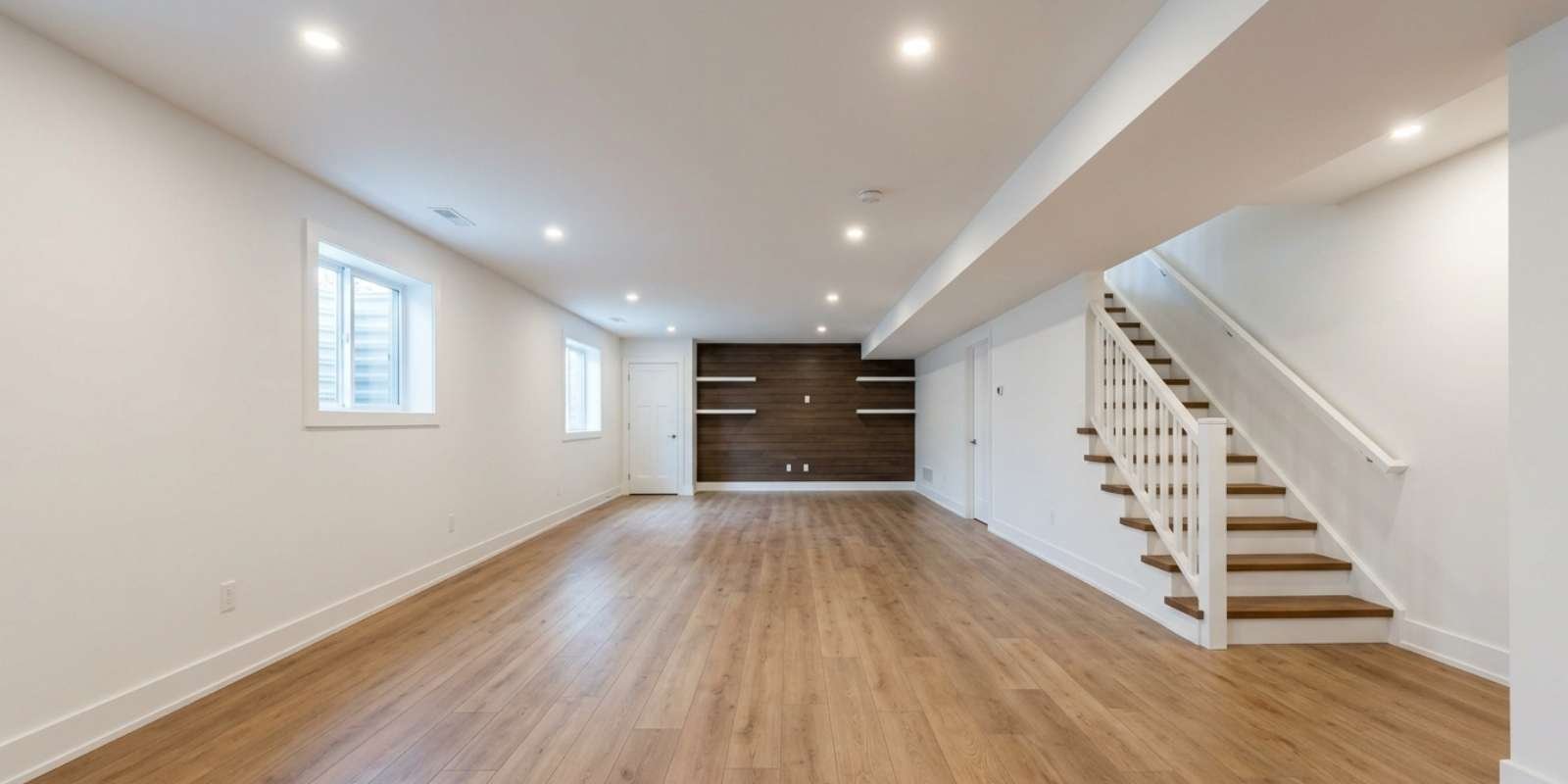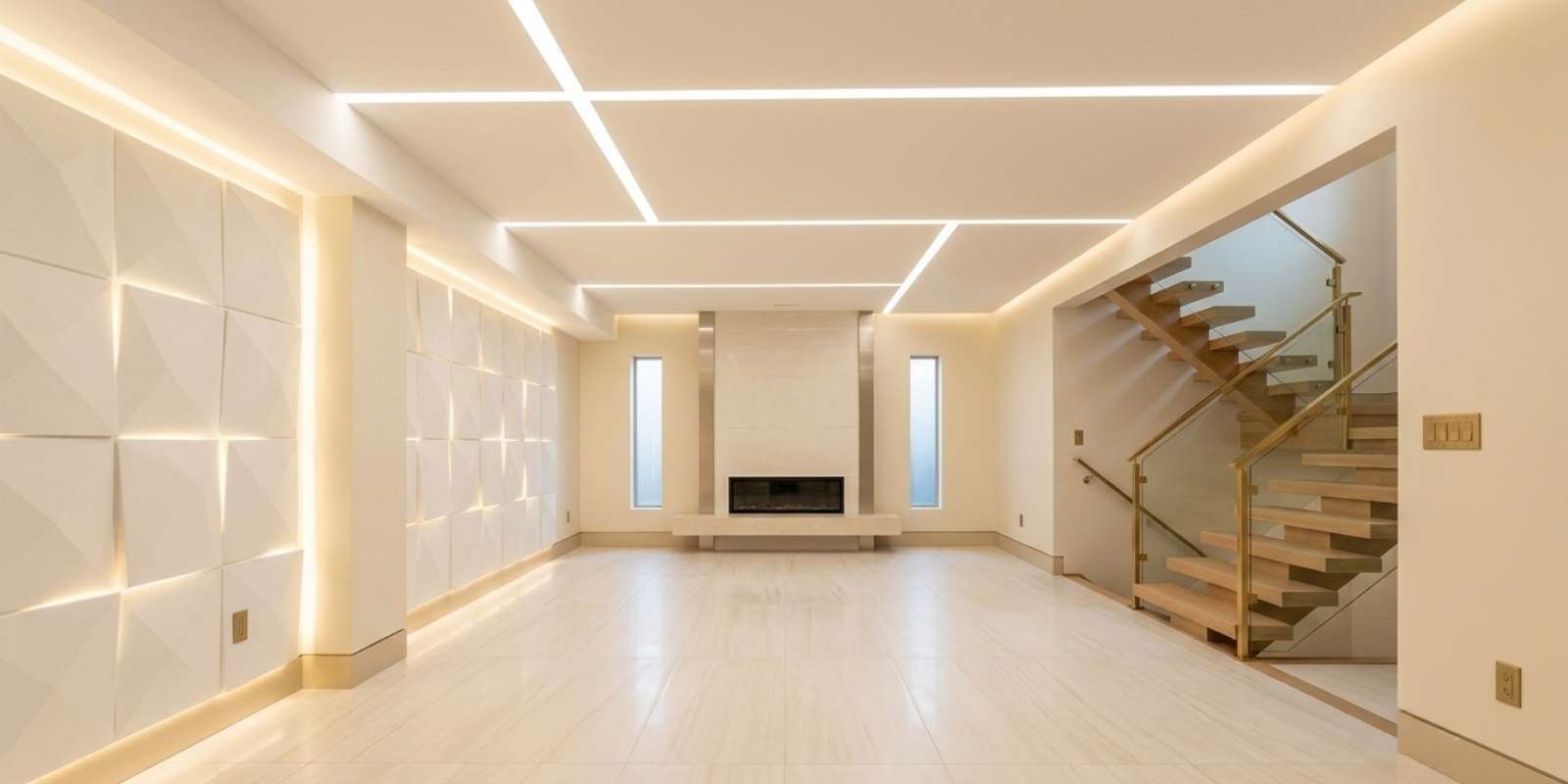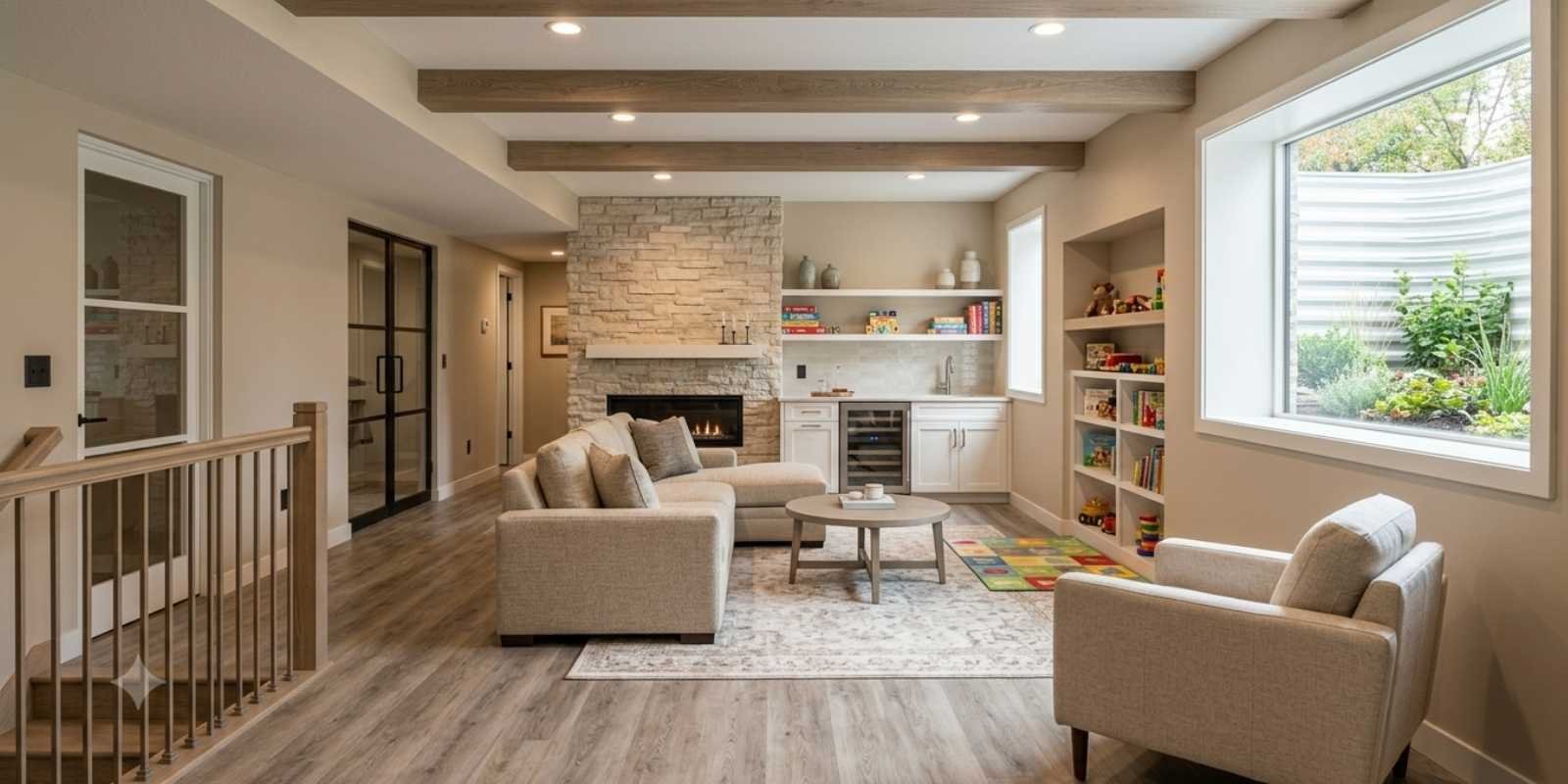

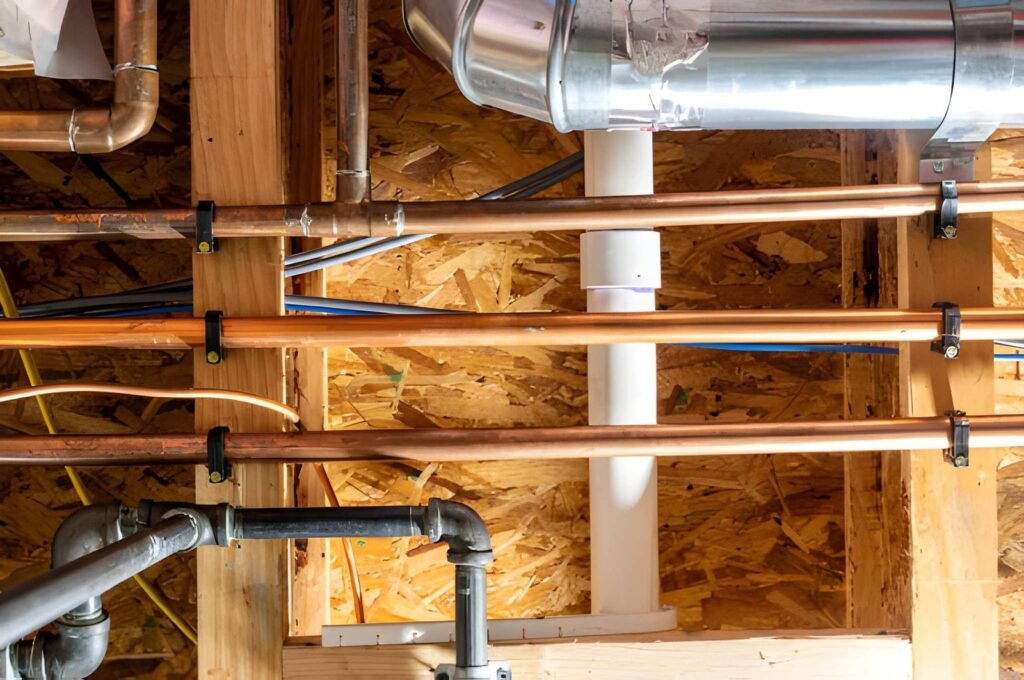
It takes more than just drywall and wall framing to finish or renovate a basement in South Jordan. For your electrical system to remain safe and pass inspection, it must adhere to Utah building codes. Many homeowners are unaware that there are requirements involving permits, GFCI and AFCI protection, and outlet spacing. Basement electrical code compliance Utah lowers the risk of surprise, helps avoid fires, and guarantees that your system will function correctly for many years.
Early understanding of these requirements can help you finish your job more quickly, more affordably, and with less stress.
Why Electrical Code Compliance Matters In Basement Remodels?
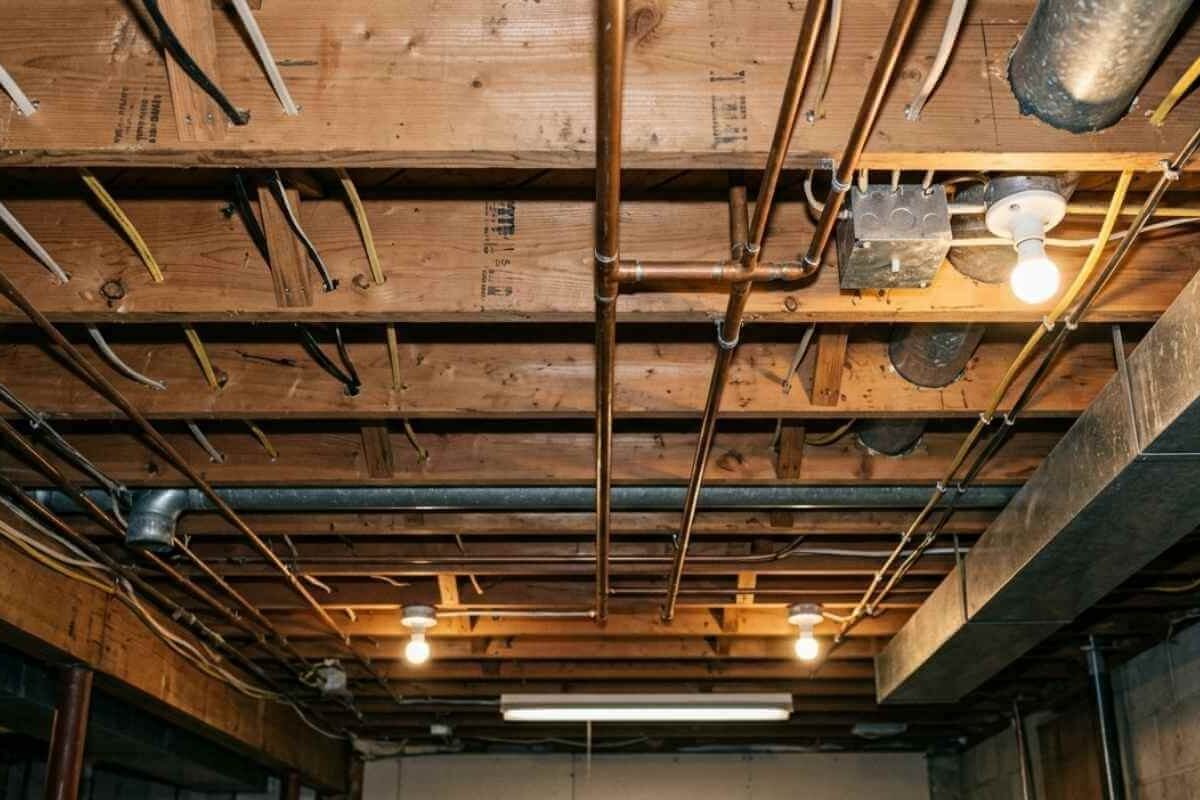
Complying with electrical codes is important for long-term value and safety, not just passing inspections.
Fire And Shock Prevention
- One of the main causes of house fires is defective wiring
- Proper grounding lowers the risk of shock
- New systems safely manage contemporary power requirements
Inspection Requirements
- Local inspectors verify that every work complies with Utah electrical code requirements
- Inadequate inspections may cause your project to be delayed
- Late corrections can be costly
Insurance And Resale Considerations
- Home insurance could be affected by non-compliant wiring
- Buyers in Utah frequently want proof of electrical inspection
- Well-executed work adds value and comfort
Your home will remain safe and compliant if you adhere to basement wiring regulations.
Outlet And Receptacle Requirements In Utah Basements
To ensure safety and usability, outlets must be positioned appropriately.
Outlet Spacing Rules
- Generally, outlets must be placed every 12 feet along walls
- Any wall larger than two feet requires an outlet
- This complies with the basement outlet spacing code
Tamper-Resistant Receptacles
- Needed in the majority of homes
- Keep kids safe from electrical shock
Appliance-Specific Circuits
- Sump pumps and freezers require separate circuits
- Prevents tripped breakers and overload
Meeting NEC requirements Utah contributes to the safety and functionality of your basement.
GFCI And AFCI Protection Requirements
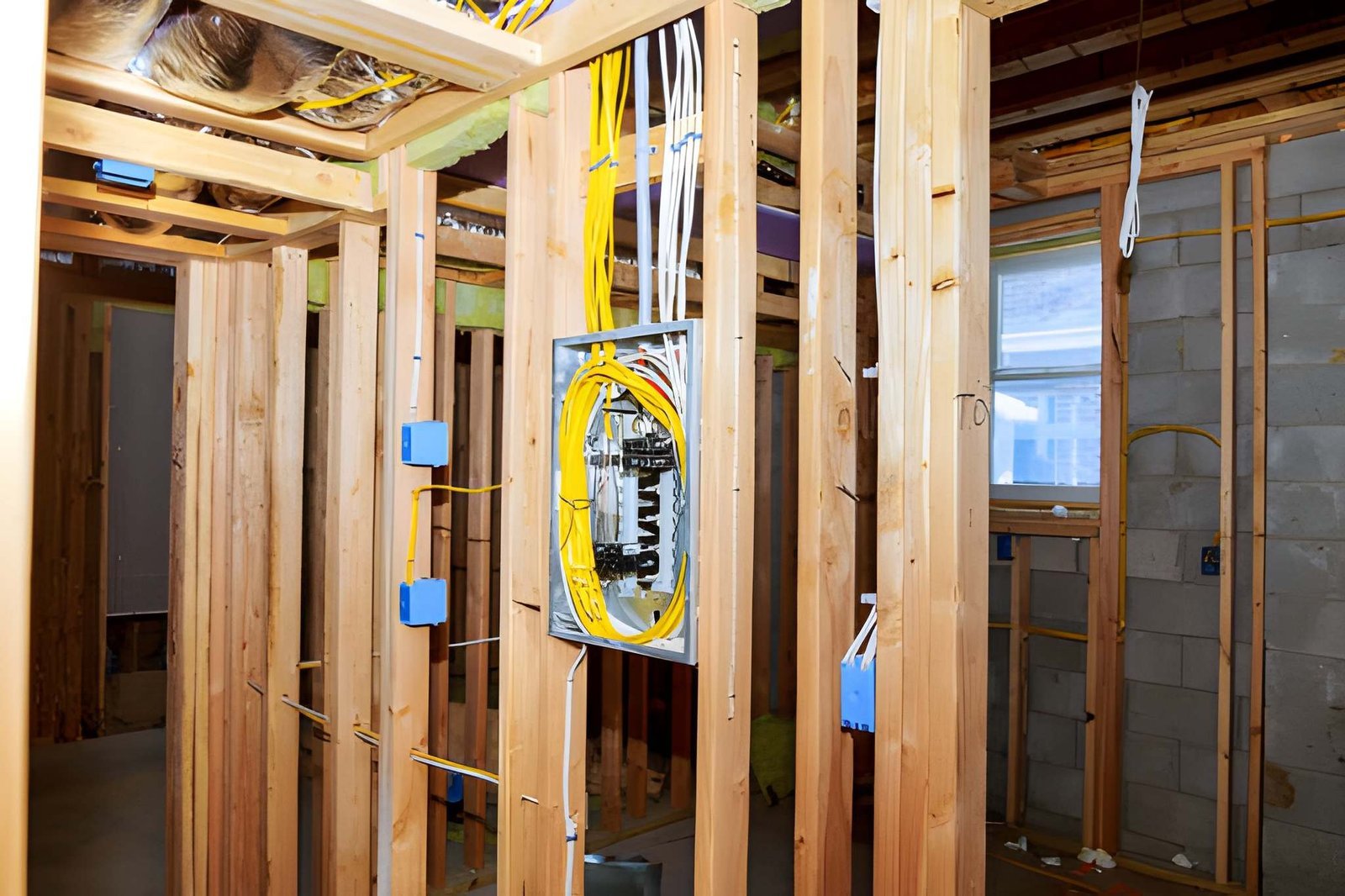
These safety measures are necessary for modern electrical safety.
GFCI Outlets For Finished Basements
- Close to sinks or wet areas
- Laundry areas
- Unfinished basement sections
AFCI Protection For Finished Basements
- Necessary in most living spaces
- Identifies potentially fire-causing electrical arcs
Why Are These Safety Measures Important
- GFCI cuts the power when a ground fault occurs
- AFCI stops fires caused by hidden wiring
- Both are part of electrical safety standards
Adding AFCI protection basement and adhering to GFCI requirements Utah are essential for safety.
Lighting And Switch Code Requirements
Lighting must be appropriate for both usage and safety.
Required Lighting Outlets
1. There must be at least one lighting outlet in every basement room
2. It is possible to put stairway lighting on the wall or ceiling
3. There must be a light source in stairwells
4. There must be switches at both the top and the bottom
5. Switches at room entrances should be simple to reach.
6. Supports adherence to electrical safety compliance
Adhering to the basement lighting code and basement electrical code compliance Utah guarantees the safety and usability of your area.
Electrical Panel And Circuit Considerations
A finished basement adds an additional load that your panel must manage.
Load Calculations
- Electricians compute the overall demand for power
- Make sure circuits aren’t overloaded
Panel Capacity Upgrades
- Upgrades may be necessary for older homes
- Prevents breaker trips and overheating
Subpanel Installations
- Subpanels can make wiring in basements easier
- Beneficial for more extensive renovations
To comply with basement circuit requirements, an electrical panel upgrade Utah might be necessary.
Permit And Inspection Requirements In South Jordan
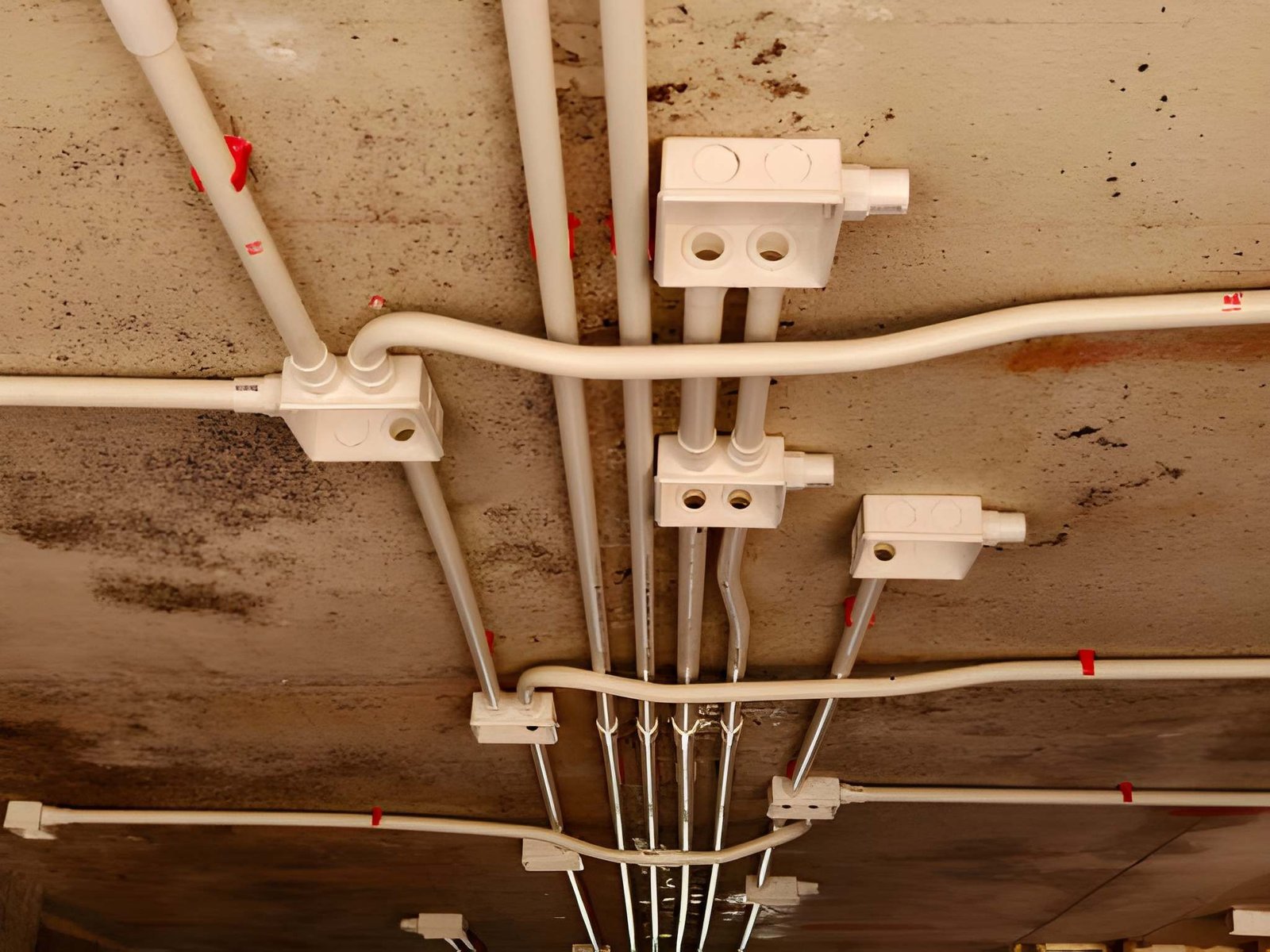
Permits are an important part of basement electrical code compliance Utah.
A permit is necessary when:
- Adding circuits
- Setting up new lighting or outlets
- Upgrading panels
Rough-In And Final Inspections
- A rough-in inspection verifies the wiring before wall closure
- A final inspection guarantees that everything operates safely
Working With Licensed Electricians
- Professionals are aware of Utah construction standards
- They help in preventing expensive mistakes
Having a South Jordan electrical permit guarantees that your project complies with all applicable laws.
Common Electrical Code Violations In Basement Remodels
To pass inspection the first time, steer clear of these common mistakes:
1. Improper grounding
2. Incorrect outlet spacing
3. Missing GFCI or AFCI protection
4. Overloaded circuits
5. Unpermitted electrical work
These mistakes frequently result in expensive repairs and unsuccessful inspections.
When To Hire A Licensed Basement Electrical Contractor?
Hiring a professional basement electrical contractor can make a big difference.
Ensure Code Compliance
- Professionals are aware of the basement electrical code compliance Utah
- They remain informed when the code is modified
Prevents Inspection Failures
- Installing things correctly minimizes rework
- It saves money and time
Preserves Long-Term Security
- High-quality work lasts longer
- Reduces risk of future issues
A licensed electrician South Jordan can help you in finishing your project properly and safely.
FAQs
1. What electrical code applies to basement remodeling in Utah?
Utah follows the state-adopted version of the National Electrical Code (NEC). This code governs basement wiring, outlets, and circuit protection requirements. A licensed electrician can confirm exactly which NEC edition currently applies in South Jordan.
2. Are GFCI outlets required in finished basements?
Yes, GFCI outlets are required near sinks, wet bars, and laundry areas in Utah basements. They’re also required in unfinished basement sections for added protection. This helps prevent electrical shock caused by ground faults near water.
3. Does basement wiring require a permit in South Jordan?
Absolutely, a permit is required for most basement electrical work in South Jordan. This includes adding circuits, installing new outlets, or upgrading your panel. Both rough-in and final inspections are required before final approval is granted.
4. What happens if my basement fails the electrical inspection?
The inspector will identify specific code violations found during the inspection. You’ll need to correct these issues before scheduling a follow-up re-inspection visit. Final approval isn’t granted until your basement fully complies with Utah code.
5. Can homeowners do their own basement electrical work in Utah?
Utah allows homeowners to perform limited electrical work on their own property. However, the work still must meet NEC standards and pass all inspections. Hiring a licensed electrician is still recommended for complex basement projects.
“Have questions about basement electrical code compliance in Utah? Contact our South Jordan remodeling team CCS of Utah for expert guidance.”