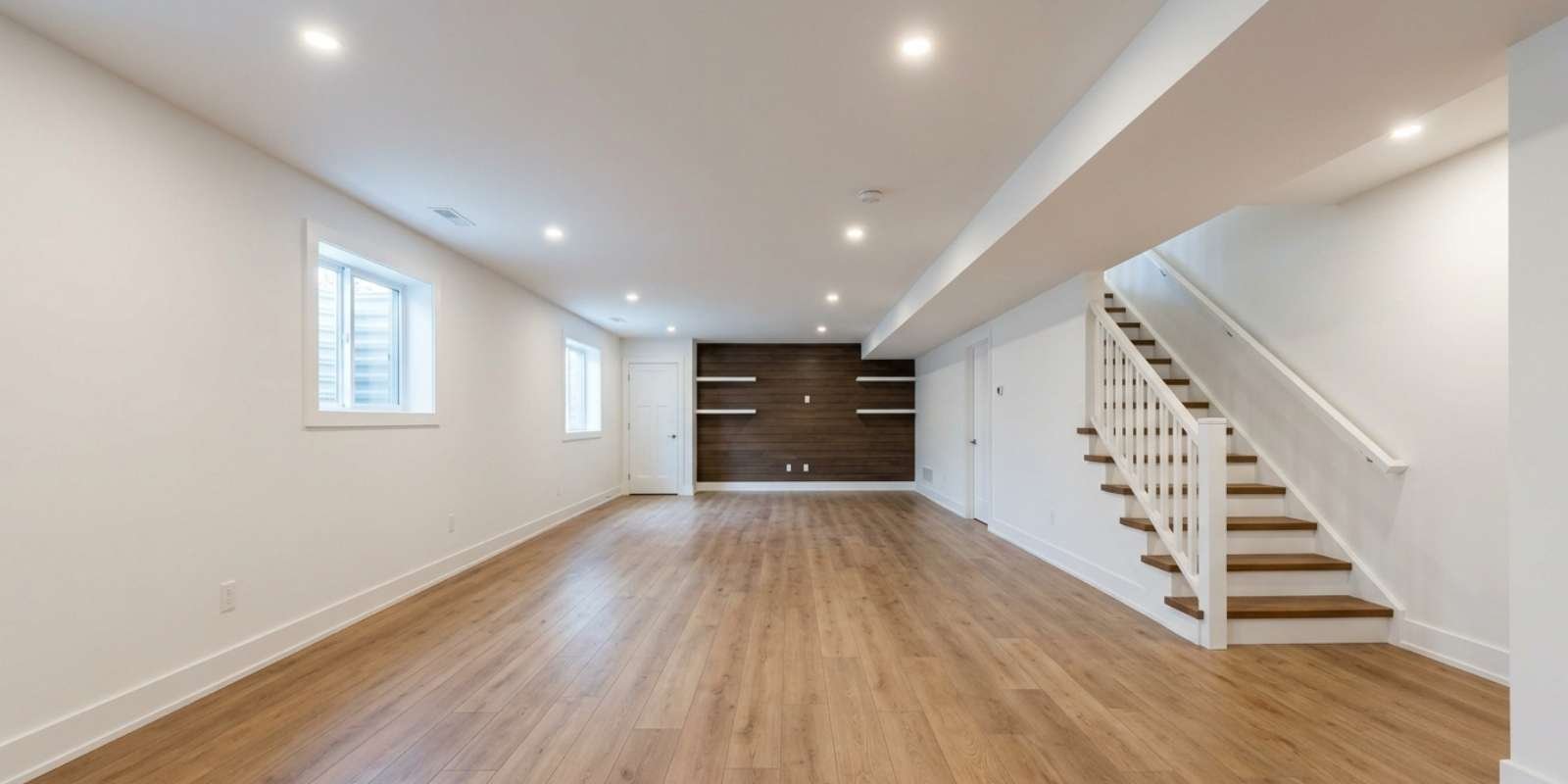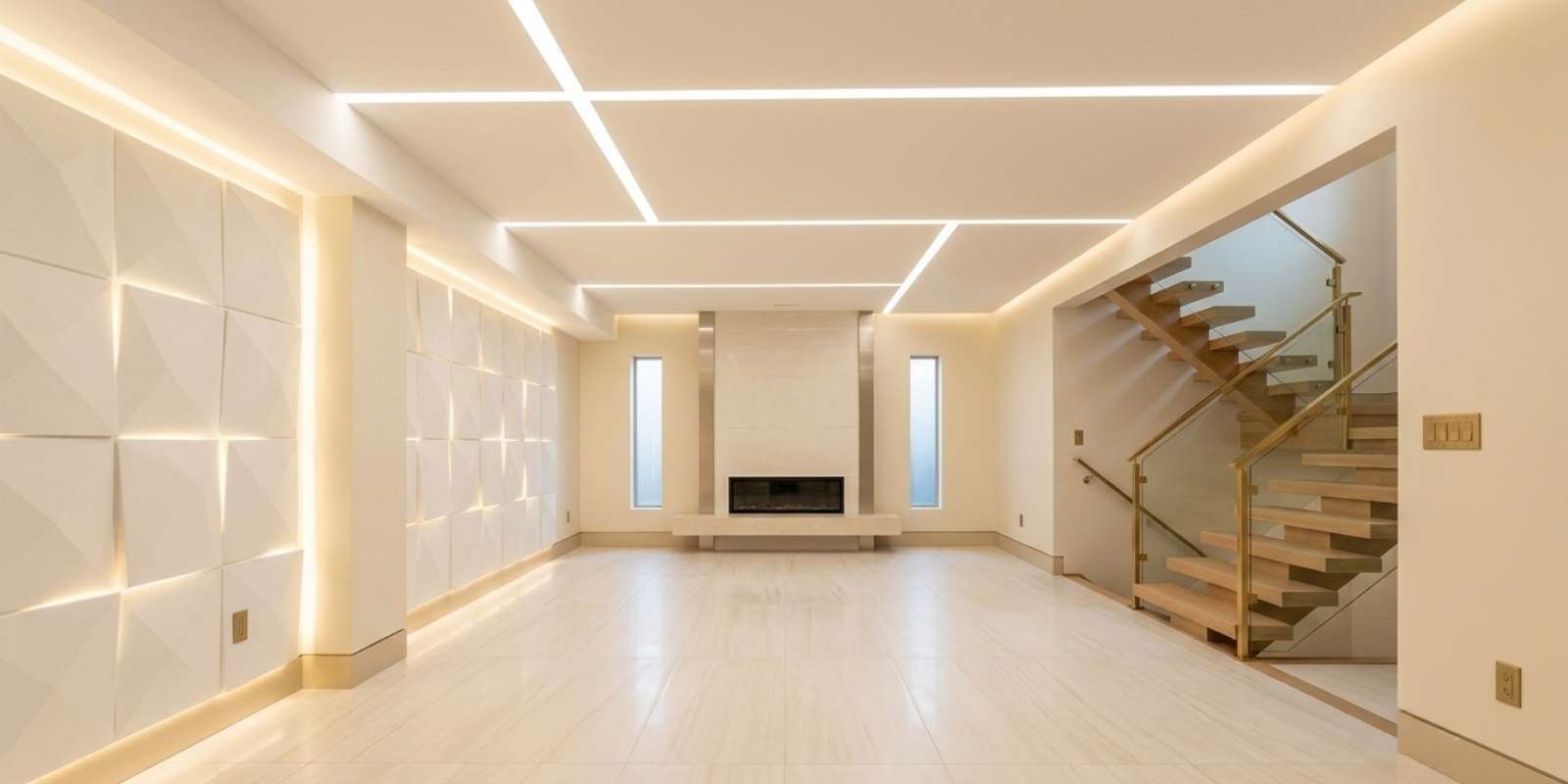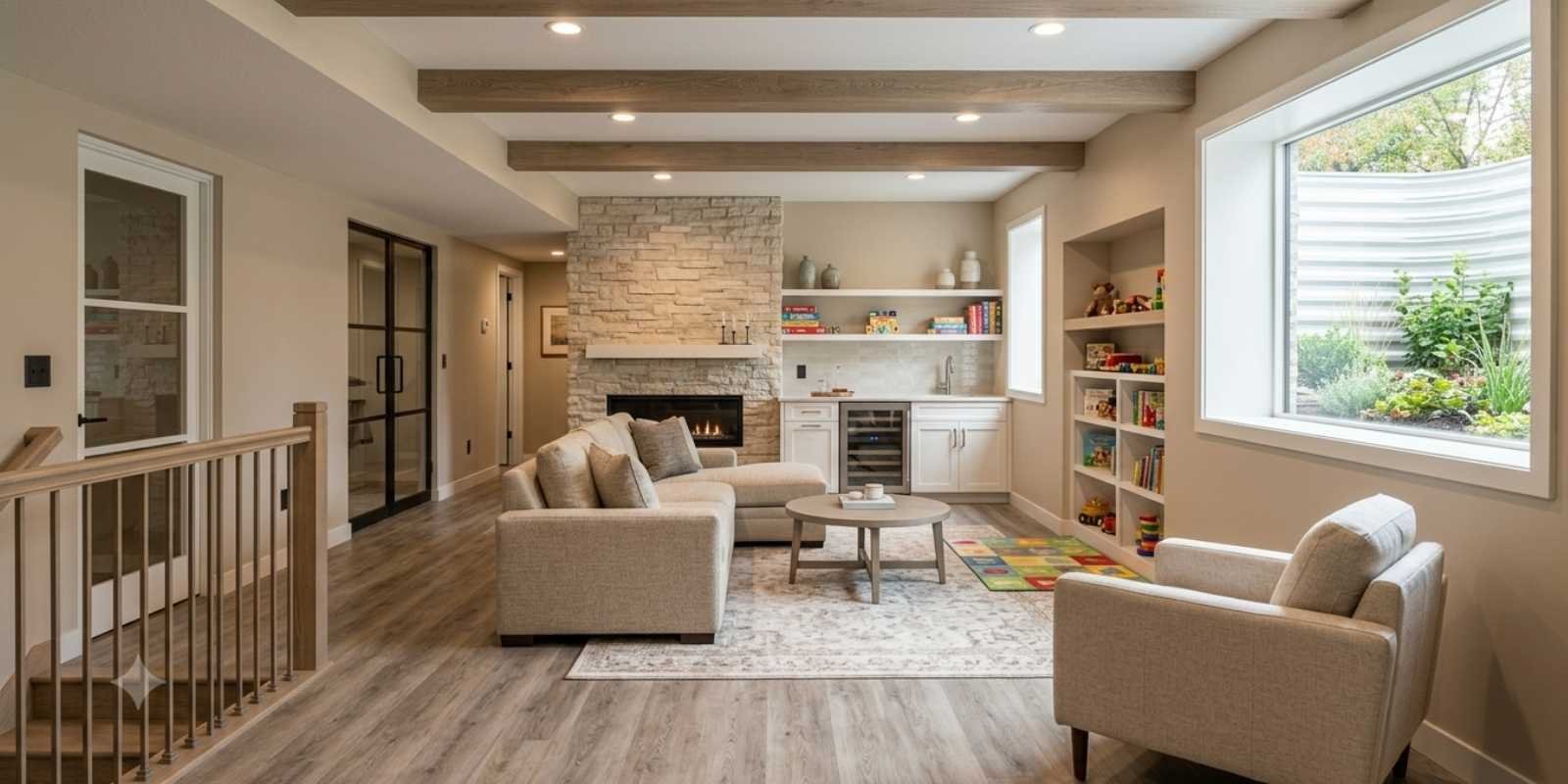

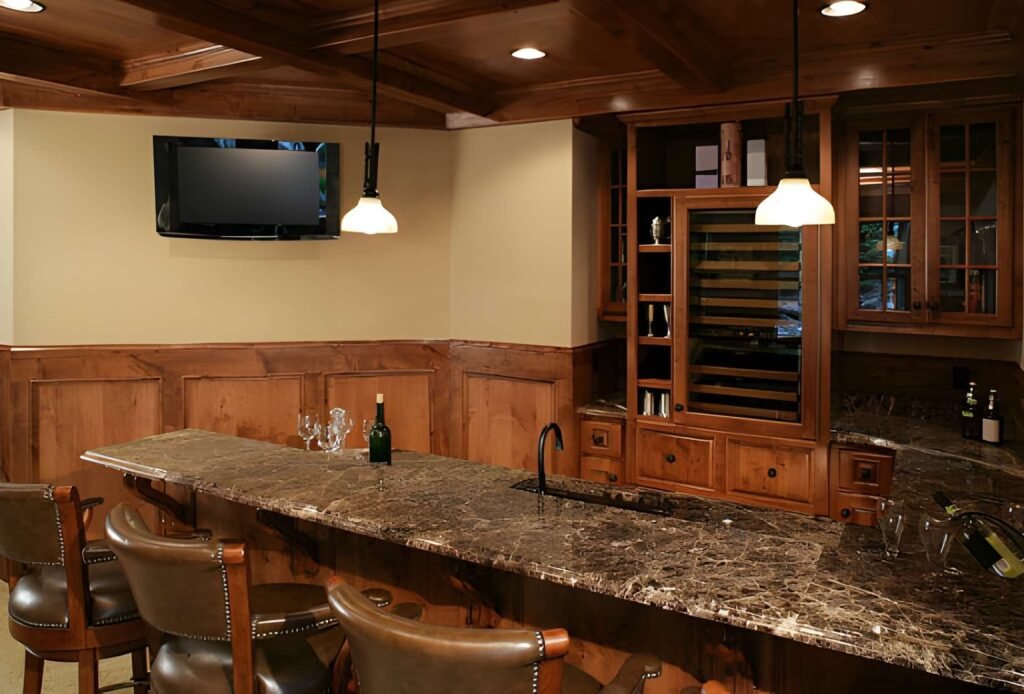
In South Jordan, a lot of older houses were constructed using outdated construction codes. Utah has revised its building regulations over time to enhance emergency access, safety, and energy efficiency. As a result, basements that were acceptable in the past might not satisfy modern standards.
These problems are frequently found by homeowners who are remodeling, finishing a basement, or getting ready to sell their property. Codes have frequently been modified in areas including fire safety systems, electrical wiring, insulation, and egress windows. You may prevent failed inspections, unforeseen expenses, and delays during restoration projects by being aware of basement code updates affecting older Utah homes.
Why Basement Codes Change Over Time?
Utah building codes are subject to change. They change as safety research progresses and construction technology advances.
Modern construction standards and adjustments to Utah’s building rules are influenced by a number of factors.
Improved Safety Standards
- New research finds more effective strategies for protecting homeowners
- Over time, materials and installation techniques get better
- New regulations lower the possibility of injuries in an emergency
Updates On Emergency Access And Fire Protection
- During a fire, modern homes must have faster escape routes
- Many places now advise using fire-resistant materials
- Basement spaces need to be more easily accessible to emergency personnel
Energy Efficiency Requirements
- HVAC and insulation regulations are adjusted to lower energy consumption
- New building codes contribute to reduced heating and cooling expenses
- Buildings must adhere to current environmental regulations
Due to these adjustments, basement code updates affecting older Utah homes frequently concentrate on safety and efficiency enhancements that were not present during the construction of older homes.
Egress Window Requirements For Older Basements
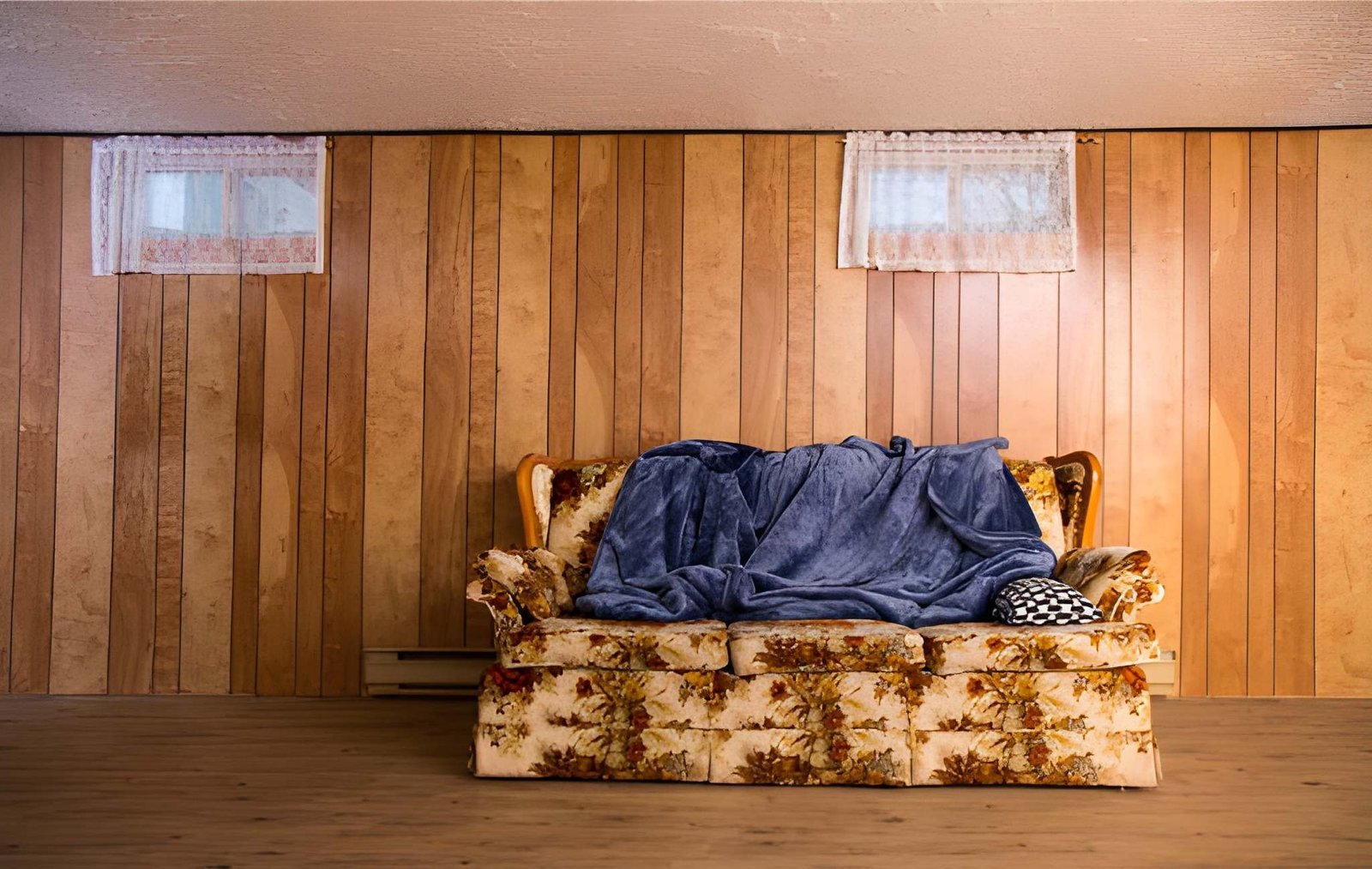
Basement windows are among the most popular upgrades. Many older basements were constructed with tiny windows that don’t adhere to current emergency escape compliance.
Emergency escape access is the main focus of current basement egress window requirements.
Minimum Dimensions And Opening Size
Egress windows need to be big enough so that someone can get out fast. Current codes specify the minimum opening area, height, and width.
Emergency Escape Access
A suitable escape window is typically necessary if a basement has living spaces or bedrooms. In an emergency, this guarantees that residents can safely evacuate the house.
Window Well Requirements
A window well needs to be installed if the window is below ground level. Current Utah safety codes may require:
- Adequate width and depth
- Appropriate drainage
- Built-in ladders for deeper wells
Installing new egress windows when finishing or upgrading basement areas is one of the many basement code updates affecting older Utah homes.
Electrical Code Updates Impacting Older Homes
To comply with modern electrical safety requirements, older homes’ electrical systems frequently need to be upgraded.
Preventing electrical shocks and fire threats is the main goal of current basement electrical code updates.
GFCI And AFCI Protection
New codes frequently call for:
- GFCI outlets close to sources of water
- AFCI protection to stop electrical fires
Many older homes were not equipped with these safety features.
Outlet Spacing Updates
Outlet placement regulations are part of current electrical safety regulations. Additional outlets could be necessary in basements to avoid the use of extension cords.
Grounding Standards And Panel Capacity
Sometimes modern devices and appliances cannot be supported by older electrical panels. Updated codes would need:
- Bigger service panels
- Better grounding systems
- Safer electrical connections
Electricians typically inspect the entire basement system during remodeling to make sure that basement code updates affecting older Utah homes are appropriately addressed.
Plumbing And Drainage Code Changes
Plumbing standards have changed over time because basements are prone to water issues. Preventing contamination and flooding is the main goal of modern plumbing code compliance.
Backflow Prevention
Updated regulations frequently mandate devices to prevent polluted water from running backward into the home’s plumbing system.
Sump Pump Requirements
Sump pumps must be installed in some homes in order to remove groundwater and lower the risk of flooding.
Updated Drainage Standards
Better drainage regulations help in protecting finished basement areas and foundations. These systems frequently consist of:
- Perimeter drains
- Better pipe materials
- Proper water discharge locations
Addressing basement drainage requirements is another important aspect of basement code updates affecting older Utah homes.
Fire Safety And Ceiling Height Regulations
The fire safety regulations in place now are more stringent than those in place when many older homes were constructed.
Modern basement fire safety codes prioritize early discovery and fire containment.
Carbon Monoxide And Smoke Detectors
The most recent regulations mandate:
- Every level has a smoke detector
- Sleeping spaces with carbon monoxide detectors
Before unsafe conditions arise, these devices help with warning occupants.
Draft Stopping And Fire Blocking
The spread of fires through floor systems and wall cavities is slowed by fire-blocking materials.
Minimum Ceiling Height Standards
The Utah ceiling height requirements for finished living rooms may not be met by certain older basements due to their lower ceilings.
In order to pass inspections when finishing a basement, contractors must make sure certain requirements are met.
Energy Efficiency And Insulation Standards
The goal of updated basement insulation codes is to enhance indoor comfort and minimize energy loss.
Insulation R-Value Requirements
Higher levels of insulation in basement walls and flooring are frequently required by more recent rules.
Moisture Control And Vapor Barriers
To avoid mold and structural damage, basements need to manage moisture. Common standards include proper sealing and vapor barriers.
HVAC Efficiency Expectations
To comply with Utah energy efficiency standards, heating and cooling systems might need to be upgraded.
Another example of a basement code update that affects older Utah homes is improving ventilation and insulation, which homeowners often come upon when remodeling.
What To Do If Your Basement Is Not Code-Compliant?
There are doable actions you may take if you think your basement might not adhere to current regulations.
1. Schedule A Professional Inspection
Potential problems can be found by a contractor or inspector during a basement code compliance inspection.
2. Prioritize Safety Upgrades
Prioritize upgrades that safeguard residents, like:
- Egress windows
- Electrical safety devices
- Smoke detectors
3. Make A Plan For Gradual Renovations
Some upgrades can be finished gradually to save money. Improvements that adhere to current codes can be planned with the assistance of a professional basement contractor South Jordan like CCS of Utah.
Early resolution of these problems helps compliance with basement code updates affecting older Utah homes during subsequent renovations.
Frequently Asked Questions
1. Do older basements need to meet current Utah building codes?
Yes, older basements must meet current Utah building codes during any renovation. Standards have evolved over time to improve safety, energy efficiency, and emergency access. Finishing or remodeling a basement usually triggers a full code compliance review.
2. Are egress windows required in older Utah homes?
Most definitely, egress windows are typically required when turning a basement into livable space. They must meet minimum size, height, and opening requirements for emergency escape. Below-grade windows also need a properly sized window well with drainage.
3. What electrical upgrades are required in basement remodels?
Many remodels require GFCI outlets, AFCI protection, and updated panel capacity. Older wiring and grounding systems often need upgrades to meet current safety standards. Outlet spacing may also need adjusting to reduce reliance on extension cords.
4. Can I sell my home if the basement is not up to current code?
Of course, you can sell a home with a non-compliant basement in Utah. However, inspections often reveal issues that buyers may want fixed or negotiated. Addressing code gaps beforehand can help avoid delays or lower offers at closing.
5. Do South Jordan permits apply to basement renovations?
Yes, most basement renovations in South Jordan require permits and inspections. This applies to structural, electrical, and plumbing work throughout the project. Skipping permits can lead to failed inspections or costly rework down the road.
“If you’re unsure whether your basement meets current Utah codes, schedule a professional assessment with a South Jordan basement expert.”