
Finishing your basement is a great way to increase the size and value of your house. You can design an office, guest suite, family room, or even a rental property. But you must be aware of basement safety requirements before choosing flooring and paint colors.
For good reason, South Jordan, Utah, has stringent building codes. Your family is protected by these regulations against poor ventilation, electrical difficulties, structural problems, and fire threats. Ignoring basement safety regulations can result in costly repairs, failed inspections, and major safety hazards.
Core Basement Safety Requirements
Safety is always the top priority when organizing a basement project.
Local and state codes focus on:
- Emergency exits
- Fire protection
- Appropriate ceiling height
- Plumbing and ventilation standards
- Proper ceiling height
- Safe electrical systems
- Structural stability
The purpose of these basement building safety requirements is to save lives. Due to their subsurface location, basement areas have restricted airflow and escape options. Inspections are important because of this.
Inspectors look for the following on basement remodeling South Jordan:
- Code-compliant construction
- General safety of basement buildings
- Proper system installations
- Safe materials
Not meeting the requirements can cause your project to be delayed and end up costing you more money in the long run.
Egress Window And Emergency Exit Requirements
Emergency exits are one of the most crucial basement safety requirements.
Why Egress Windows Matter
An appropriate egress window must be installed if you’re installing a bedroom. In the event of an emergency, these windows provide firefighters with access and help residents to evacuate.
Basement Egress Requirements
Basement bedrooms in Utah have to adhere to:
- Minimum size of window opening
- The minimum measurements for height and width
- Appropriate size window well
- Easy internal functioning
These fall within the statewide egress window code Utah that they adheres to.
Setting up a emergency exit basement is necessary; it is not an option. Legally, the area cannot be referred to as a bedroom without it.
Fire Safety And Smoke Detector Regulations
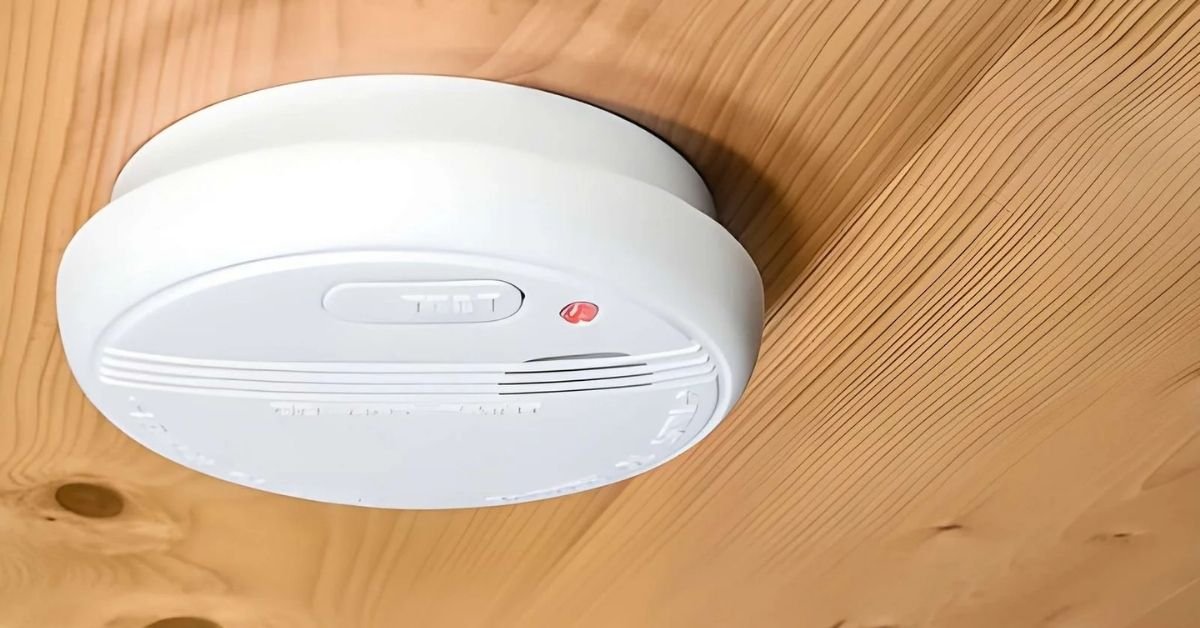
Another important aspect of basement safety requirements is fire safety.
Basements may be riskier due to:
- Water heaters and furnaces are frequently found there
- Electrical panels are frequently installed there
- Escape routes are limited
Smoke And Carbon Monoxide Detectors
The basement fire safety code requires that you install:
- Smoke detectors in every bedroom
- Smoke detectors outside of bedrooms
- Carbon monoxide detectors, if there are fuel-burning appliances
Early detection in the event of a fire or gas leak is guaranteed by adhering to the smoke detector requirements basement.
Fire Blocking And Draft Stopping
Basements also need to have:
- Blocking fire inside cavity walls
- Proper caulking around pipes and ducts
- Drywall that has been fire-rated where necessary
These actions lengthen survival time and decrease the spread of the fire.
Ceiling Height And Structural Safety Standards
Older basements may have low ceilings, although building standards require minimum heights.
Basement Ceiling Height Code
Finished basements typically need to have:
- The minimum ceiling height, depending on the location, is around 7 feet
- Adequate space beneath ducting and beams
Safe mobility and adequate ventilation are guaranteed by the basement ceiling height code.
Structural Basement Requirements
Before concluding, your contractor will need to assess:
- Floor joists
- Foundation condition
- Load-bearing walls
- Support beams
Your house is protected from sagging floors and foundation damage by these structural basement regulations.
Never take down a wall without professional assistance. Your entire house may be supported by some walls.
Electrical And Lighting Safety Requirements
One of the most hazardous problems with basement remodeling is electrical mistakes.
For this reason, stringent electrical standards are part of basement safety requirements.
Basement Electrical Code
The following must be in your basement:
- Appropriate wiring methods
- Sufficient panel capacity
- Electrical boxes with approval
- Proper breaker sizes
Safe power distribution is guaranteed by the basement electrical code.
GFCI Basement Outlets
Due to the possibility of moisture in basements, outlets frequently need:
- GFCI protection
- Adequate wall spacing
- Tamper-resistant outlets
An electric shock is less likely when GFCI basement outlets are installed.
It’s also critical to consider lighting. Basements need to be well-lit enough for:
- Hallways
- Living areas
- Staircases
Safe lighting increases usability and reduces the risk of accidents.
Plumbing And Ventilation Safety Standards
Adding a wet bar or bathroom? Plumbing must also adhere to the code.
Basement Plumbing Code
The plumbing code for the basement addresses:
- Backflow prevention
- Drain slope requirements
- Proper pipe sizing
- Vent stack installation
Sewage backups and flooding can result from improper drainage.
Basement Ventilation Requirements
One of the main issues with basements is moisture. Insufficient airflow causes:
- Health-related concerns
- Mold growth
- Musty smells
- Wood rot
Maintaining indoor air quality and controlling humidity are made easier by meeting basement ventilation requirements.
Bathrooms need to have:
- Outdoor exhaust fan venting
- Sufficient airflow rates
- Ventilation protects the health of your family and your house.
Building Code Requirements In South Jordan, Utah
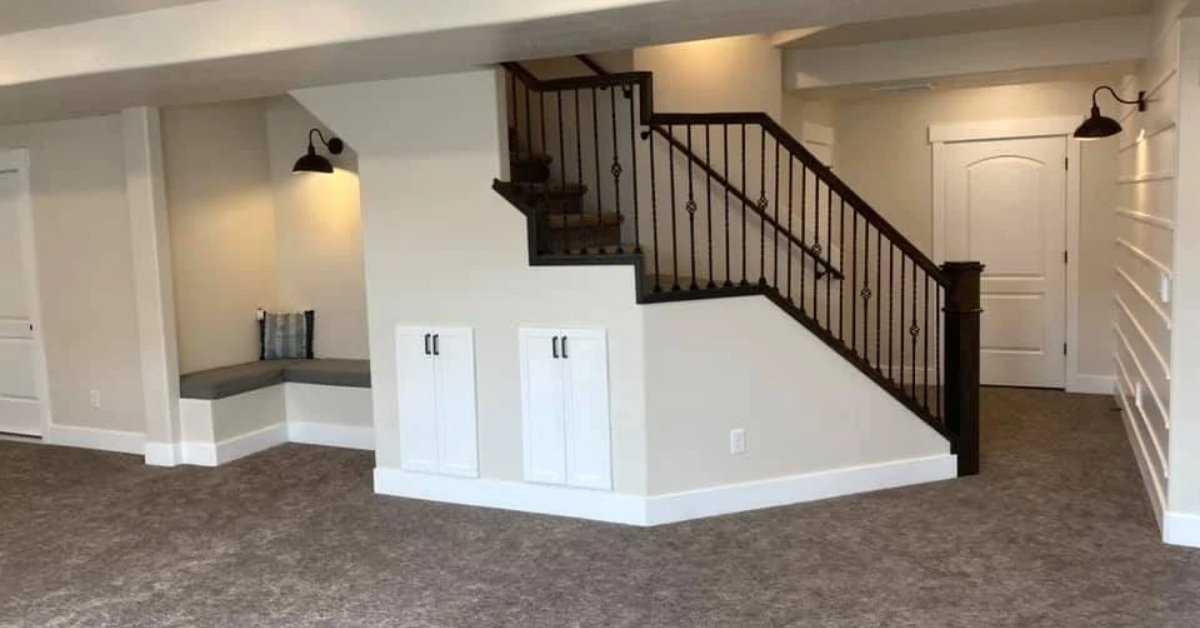
Local rules are important. With a few local modifications, the South Jordan building code adheres to Utah construction standards.
Do You Need A Permit?
Yes. A basement remodeling permit is necessary for a lot of projects, particularly if you are:
- Adding more bedrooms
- Installing plumbing
- Electrical changes to the system
- Changing structural elements
Unpermitted basement finishing may lead to:
- Fines
- Forced demolition
- Stop-work orders
- Having problems selling your house
Adhering to Utah construction regulations guarantees the safety and legality of your project.
The Inspection Process
Usually, inspections take place at:
- Framing stage
- Electrical rough-in
- Plumbing rough-in
- Final completion
Before approving, inspectors make sure all basement safety regulations are followed.
Why Hiring A Professional Basement Contractor Matters?
Although do-it-yourself projects can save money, mistakes can cost a lot more.
A professional basement contractor like CCS of Utah South Jordan is aware of:
- Inspection processes
- Local building codes
- Permit requirements
- Safety regulations
Expert basement finishing services help guarantee:
- Precise understanding of the code
- Appropriate structural adjustments
- Safe system upgrades
- Passing inspections the first time
You may rest well knowing that skilled contractors put basement safety regulations first.
FAQs
1. What are the main basement safety requirements?
Code-compliant electrical and plumbing systems, egress windows, fire protection, appropriate ceiling height, and structural integrity are the most crucial basement safety requirements.
2. Do finished basements require egress windows in Utah?
Yes. Under Utah’s egress window rule, bedrooms must adhere to basement egress requirements.
3. Are smoke detectors required in basement remodels?
Yes. Basement regulations mandate the installation of smoke and carbon monoxide detectors in designated areas.
4. Do I need a permit to remodel my basement in South Jordan?
Yes. According to the South Jordan building code, the majority of projects need a basement remodeling permit.
5. Can I finish my basement without meeting safety codes?
No. Failure to comply with basement safety regulations may lead to fines, a failed inspection, and major safety hazards.
“Planning a basement remodel? Make sure it meets all safety requirements. Schedule a consultation with South Jordan’s trusted basement finishing experts today.”