
In South Jordan, basement plumbing code requirements are regulated by stringent building and safety regulations. Your plumbing must adhere to Utah regulations, whether you’re building a kitchenette, bathroom, or laundry room. Many homeowners are unaware of the importance of drainage, venting, and obtaining permits. This may result in later, expensive repairs or unsuccessful inspections. In addition to keeping everything safe and compliant, adhering to basement plumbing code requirements helps to protect your house against water damage. An early understanding of these essentials will help you save money, time, and stress when remodeling.
Why Basement Plumbing Codes Matter?
Plumbing codes are more than just regulations; they protect your house and well-being.
They help:
- Avoid sewage backups.
- Prevent contaminated water
- Ensure adequate venting and drainage
- Support a seamless house sale
Failing to comply with the basement plumbing code requirements may lead to significant issues. Repairs can be costly, and inspections might go wrong. Adhering to Utah plumbing standards guarantees the safe and effective operation of your system. Plumbing inspections also verify that all components have been installed correctly.
Permit Requirements For Basement Plumbing In South Jordan
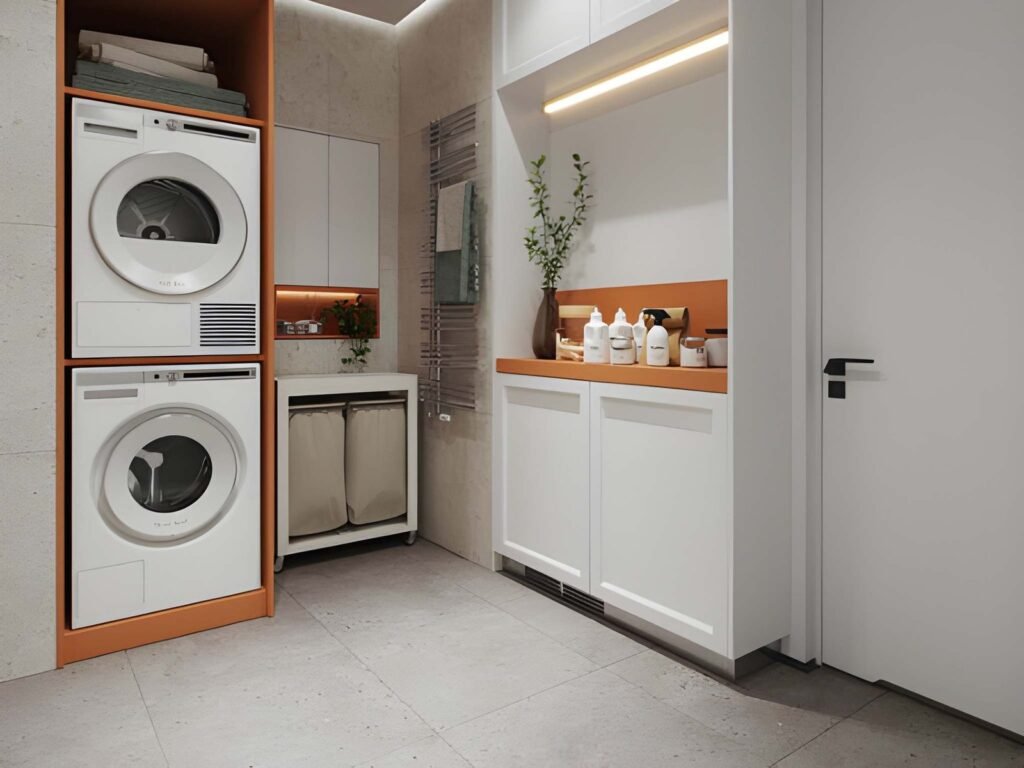
A permit can be required before starting any plumbing repair.
Typically, a permit is required when:
- Installing fresh plumbing fixtures
- Replacing vent or drain systems
- Sewage pump installation
Inspection Process
- Apply for a plumbing permit South Jordan
- Schedule inspections for important phases
- After completion, final approval
Risks Of Skipping Permits
- Penalties and fines
- Failed inspections
- Having trouble later on selling your house
Adhering to building inspection requirements ensures that your project is both stress-free and lawful.
Drainage And Venting Code Requirements
Any basement layout must have enough drainage and ventilation.
Key Rules
- An appropriate slope of drain lines is necessary for smooth flow
- Every fixture requires adequate venting
- The main system must be connected to the vent stacks
Venting Types
- Wet VENT: shares a drainage pipe
- Dry Vent: a separate air pipe for airflow
A proper basement venting system minimizes odors and clogs. Code compliant drainage and long-term performance are guaranteed when drain and vent requirements are met.
Ejector Pumps And Sewage Lift Systems
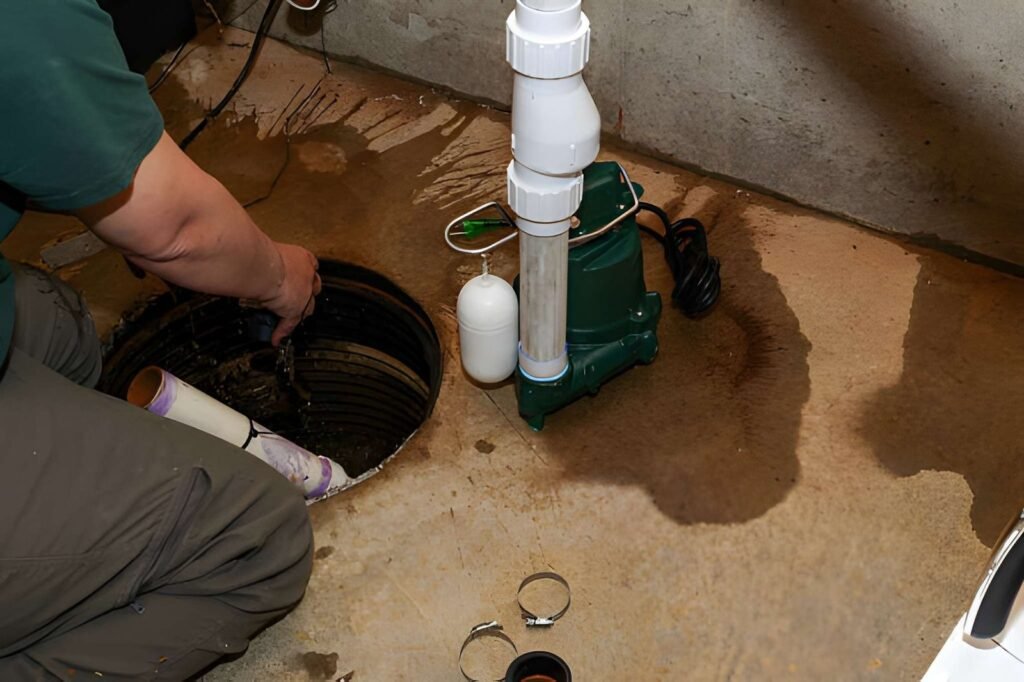
The main sewer line is frequently beneath the basement. This is where ejector pumps come into play.
When You Require One:
- The fixtures are lower than the sewage level
- Gravity drainage is not possible
Code Requirements
- Accessible for maintenance
- Proper basin size
- Sealed lid for safety
Ejector pump requirements must be closely adhered to. The basement sewage pump code and basement plumbing code requirements guarantee the safe removal of waste from your house.
Backflow Prevention And Flood Protection
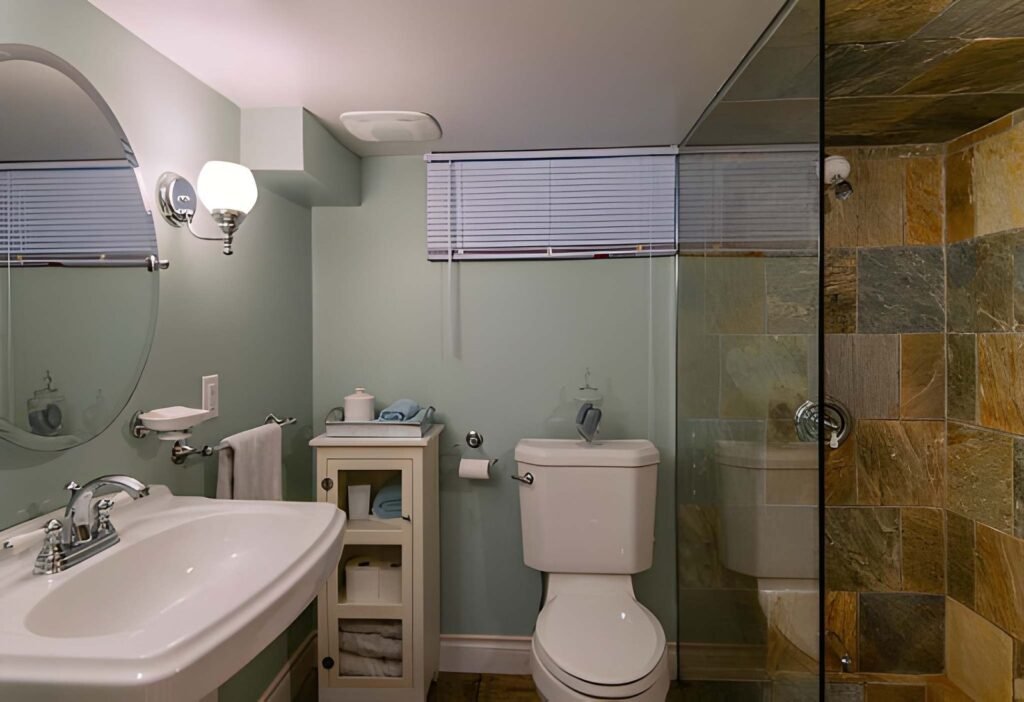
Sewer backups and flooding can quickly cause damage to your basement.
Protection Methods
- Install a backwater valve
- Use the right sealing methods
- Prepare for groundwater issues
Backflow prevention basement systems prevent contaminated water from entering your house. In places with high rainfall or outdated sewer systems, sewer backup protection is particularly crucial.
Plumbing Code For Basement Bathrooms And Kitchens
It takes careful planning to add a kitchen or bathroom.
Key Code Requirements
- Adequately sized pipes for water flow
- Adequate distance between fixtures
- Easy access to cleanups
Basement bathroom plumbing requirements provide security and comfort. Basement kitchen plumbing code focuses on venting, water supply, and drainage.
Future repairs can be avoided by adhering to these basement plumbing code requirements.
Unique Plumbing Considerations In South Jordan Homes
Plumbing is affected by certain situations in South Jordan.
Local Factors
- Pipe stability may be affected by the soil type
- Frost lines affect the depth of pipes
- Seasonal changes in temperature
These factors are taken into consideration by the South Jordan building code and the Utah plumbing code basement rules. City inspections also guarantee that your system can withstand local conditions.
When To Hire A Licensed Plumbing Contractor
Some plumbing projects are too difficult to complete on your own.
Benefits Of Hiring A Pro
1. Expertise in code
2. Manages paperwork and permits
3. Oversees inspections
4. Prevents expensive mistakes
A licensed plumber South Jordan guarantees that your system passes inspection and is aware of local regulations. You may avoid future problems and save time by hiring a basement plumbing contractor.
FAQs
1. Do I need a permit to add plumbing in my basement in South Jordan?
Absolutely. Most basement plumbing additions require a permit and inspection before work begins. Skipping this step risks fines, failed inspections, and complications when you eventually sell your home.
2. What plumbing code applies to basement bathrooms in Utah?
Utah follows statewide plumbing regulations that South Jordan and other municipalities enforce. These rules cover pipe sizing, fixture spacing, and cleanout access to ensure safe, code-compliant installations.
3. When is an ejector pump required in a basement?
An ejector pump is required when plumbing fixtures sit lower than the main sewer line. Gravity drainage isn’t possible in that setup, so the pump lifts wastewater to the sewer.
4. Are backwater valves required in South Jordan basements?
Yes, backwater valves are typically required for sewer backup protection. They’re especially important in areas prone to heavy rainfall or served by older, aging sewer infrastructure.
5. Can I install basement plumbing without a contractor?
DIY plumbing projects frequently fail inspection and can pose real safety risks. A licensed contractor understands local code, manages permits, and helps you avoid costly mistakes down the road.
“Planning a basement remodel? Speak with South Jordan’s trusted basement plumbing and remodeling experts to ensure your project meets all local code requirements.”