

Soundproofing your basement means more than adding layers of soundproofing material to your walls. Seams, doors, and windows also need to be taken into account. It’s a lot of work, but there’s no price for privacy and quiet, sleepy nights. That all said, let’s talk about how to soundproof a basement in South Jordan, Utah.
Noise Control Is the Secret to a Perfect Basement Upgrade
Have you ever had a movie night in your basement and heard the picture frames upstairs being rattled by the subwoofer? Maybe you’ve discovered that sound travels both ways and have converted the basement area into a gym, music studio, or rental apartment. Although basements are a popular area for additions in South Jordan houses, they may soon become noisy and uncomfortable if they are not soundproofed.
Understanding how to soundproof a basement is the same as knowing why finishing your basement is the smartest home upgrade in Utah. Experience comfort, privacy, and even the value of your house, not just for silence. Controlling noise is crucial whether you’re completing your basement for business, visitors, or enjoyment. Here, we’ll take you step-by-step through the finest ways on how to soundproof a basement so that it feels like a peaceful haven beneath your house.
Why Soundproof Your Basement?
One of those improvements that pays off in multiple ways is soundproofing your basement. It’s particularly helpful for South Jordan homes whose basement serves as:
Home theater
Soundproofing prevents loud sound effects from ascending the stairs. This helps keep the occupants focused on the movie or other media being played.
Home Gym
It can lessen the vibration noise produced by treadmills or weights. The newfound quiet will help the gym users exercise in peace and without the noisy distraction.
Music Room Or Workshop
Music rooms and workshops contains loud instruments or tools. Soundproofing allows music and workshop activities to proceed without any of the noise spreading to other parts of the house.
In-Law Suite Or Rental Space
Renters or visitors get that much-needed privacy thanks to soundproofing. Conversely, it keeps them from accidentally overhearing noise and private chatter from people in the aboveground parts of the house.
Since many of the same materials that block noise also act as insulation against Utah’s variable weather, soundproofing also helps control temperature and increase energy efficiency. In other words, you’ll experience improved comfort and style with a decrease in noise throughout the year.
6 Ways To Soundproof A Basement
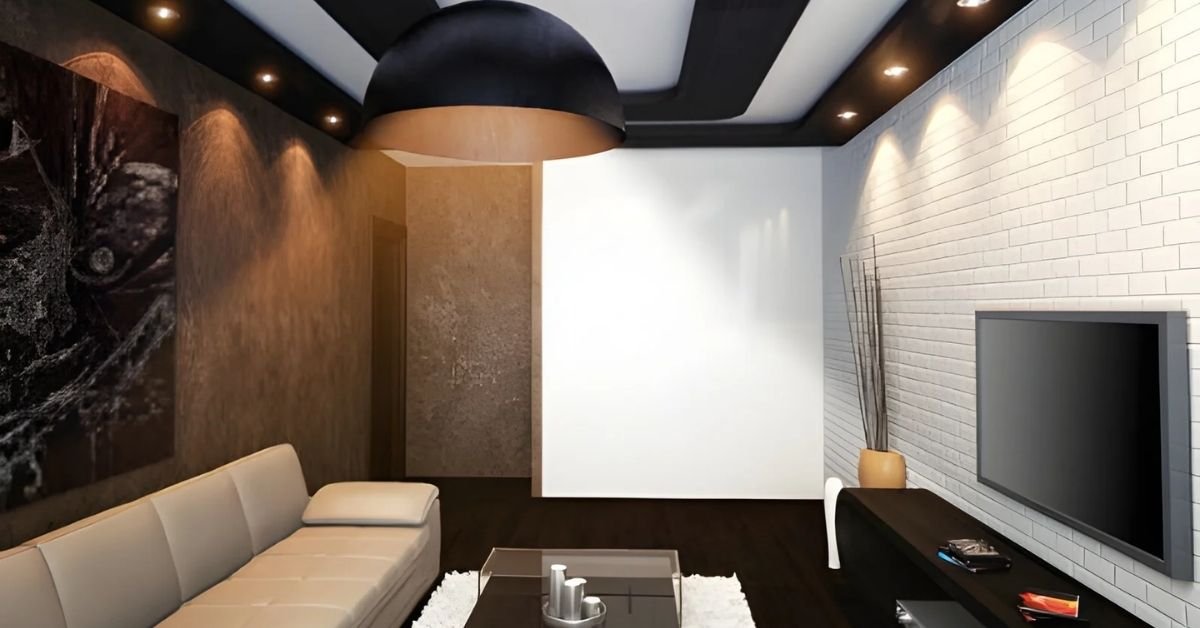
Let’s get over to the 6 ways on how to soundproof a basement in South Jordan, UT.
1. Add Insulation To Walls And Ceilings
The first and most important stage is insulation. Standard fiberglass insulation can be helpful, but acoustic or mineral wool insulation will provide the best noise reduction. Instead of allowing sound waves to ricochet around your basement, these materials absorb them.
Fill up all the gaps in your walls and ceilings, and make sure they are tightly sealed. Just this procedure can reduce noise transmission by as much as 50%. As a bonus, you’ll make your basement warmer in the winter and cooler in the summer.
2. Install Soundproof Drywall Or Acoustic Panels
Consider installing soundproof drywall, a denser substance made to suppress vibration and ambient sound, if you’re renovating or refinishing your basement. Noise can be significantly reduced by using acoustic glue to separate the two layers of drywall.
Acoustic wall panels are a simpler option for finished basements that already exist. They absorb echoes and reverb, are fashionable, and are simple to install. One of the most common additions to South Jordan homes is the addition of a movie or gaming room in the basement.
3. Seal Gaps And Cracks
A startling amount of sound may pass through even tiny openings. Assess every electrical outlet, window frame, vent, and corner. Fill up the gaps around baseboards and drywall joints using acoustic caulk.
To seal the bottom and corners of doors, use weatherstripping and door sweeps. Use thick window inserts or acoustic sealant for windows. You can increase the strength of your sound barrier by making these little adjustments.
4. Use Carpets, Rugs, Or Acoustic Flooring
Soft materials are your best friend because concrete floors reflect sound. Before putting down flooring, utilize acoustic underlayment or place carpet padding underneath rugs.
Consider putting large area rugs in high-traffic areas if you like vinyl or hardwood floors. During the cooler months in South Jordan, these layers not only reduce noise but also provide your basement with a cozier, more welcoming atmosphere.
5. Add Drop Ceilings Or Acoustic Tiles
The basement ceilings of older South Jordan homes are frequently open, allowing sound to pass through. An easy option to establish a buffer between floors is to install a drop ceiling with acoustic tiles.
An additional layer of sound attenuation is provided by the air gap between acoustic tiles and the floor above, which absorbs airborne noise. There are ornamental alternatives that complement contemporary basement designs.
6. Upgrade Doors And Windows
Soundproofing weak points include single-pane windows and hollow-core doors. To drastically cut down on noise transfer, replace them with solid-core doors and double-pane or laminated windows.
Even though this modification may be more expensive up front, it’s one of the finest long-term investments for a more private, peaceful basement room, especially if it’s being utilized as an in-law suite or rental.
Cost To Soundproof A Basement In South Jordan
The cost of soundproofing a basement varies depending on labor, materials, and whether you hire a professional or do it yourself. To completely soundproof a medium-sized basement, South Jordan homeowners often spend $1,500 to $6,000.
Here is a brief breakdown of costs:
| Type | DIY Installation | Professional Installation |
| Basic insulation and sealant | $800–$1,500 | $1,800–$2,500 |
| Acoustic panels and drywall | $1,500–$3,000 | $3,500–$5,500 |
| Full soundproof system (walls, ceiling, flooring) | $3,000–$4,000 | $5,000–$6,000+ |
Professional installers can guarantee that every layer—from caulking to insulation—is completed correctly for optimal noise reduction, even if do-it-yourself projects can save money.
DIY Vs. Professional Soundproofing
Sealing gaps, hanging drapes, and laying rugs are easy do-it-yourself soundproofing projects if you’re handy. The wise choice, however, is to hire a professional for insulation, drywall installation, or HVAC noise modification.
Soundproofing your basement effectively is possible with the equipment and local knowledge of professional basement finishing contractors like CCS of Utah. They are aware of the moisture issues, building requirements, and material combinations that produce the finest acoustics in South Jordan.
Furthermore, a professional job guarantees that you fulfill Utah’s fire safety and insulation requirements for finished basements.
Building Codes And Local Considerations
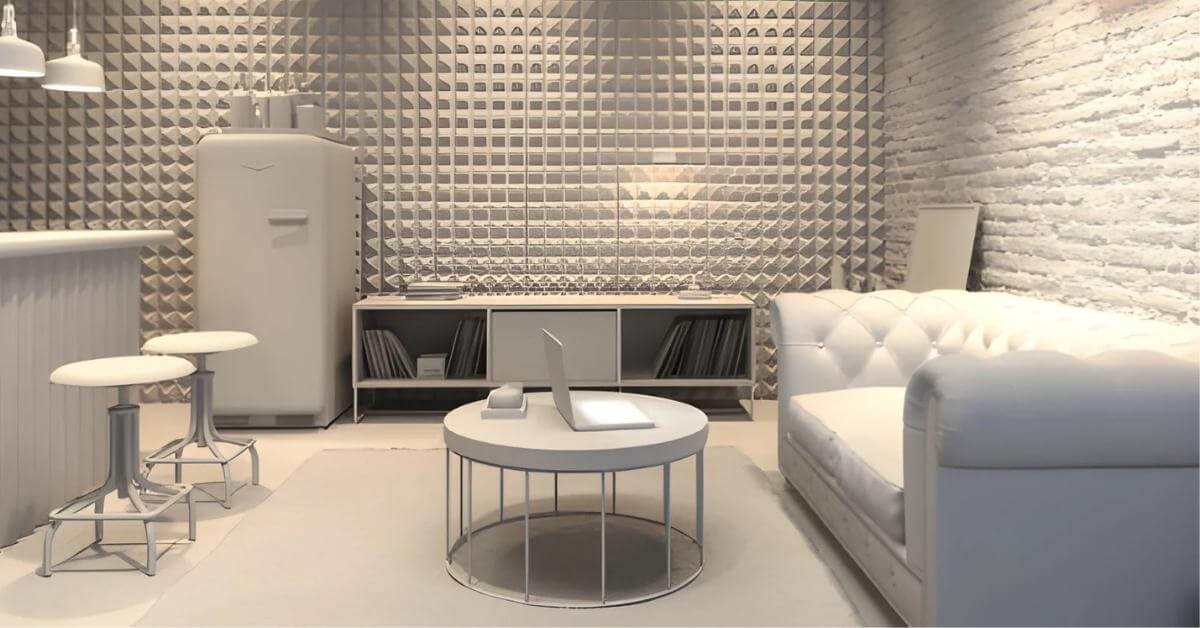
Check the local permission requirements for insulation or basement finishing in South Jordan before you start from planning to perfect finish. Permits are needed for most kinds of soundproofing work that include electrical or structural modifications.
For the most recent details on permits, costs, and inspection procedures, go to the South Jordan City Building Permit Portal. When it comes time to sell your house, maintaining compliance not only keeps you out of trouble but also guarantees that your project passes inspection.
Final Tips & CTA
It requires a combination of skill and patience to learn how to soundproof a basement. Combining approaches yields the best results, although no single material will block every sound. Here are a few last tips:
- Start by concentrating on the doors, vents, and ceilings that are weak points.
- Layout your materials: a quieter environment is achieved by adding caulk, drywall, and insulation.
- Remember ventilation—moisture shouldn’t be trapped by soundproofing.
- Test the sound levels before and after each step to determine what works best.
Ready to design your dream basement with a quiet, comfortable, and private space?
Call CCS of Utah right now for a free consultation on basement soundproofing and finishing services in South Jordan, UT. Their staff can help you find peace, privacy, and effectiveness—right down to the last decibel—whether it’s for your gym, guest suite, or home theater.
FAQs
1. What’s the best way to soundproof a basement in South Jordan, UT?
Combining insulation, acoustic drywall, and sound-sealing materials gives the best results.
2. How much does it cost to soundproof a basement?
Expect between $1,500 and $6,000 depending on the size and materials used.
3. Can I soundproof my basement ceiling to block upstairs noise?
Yes—use acoustic tiles, resilient channels, or soundproof drywall for ceilings.
4. Does insulation help reduce basement noise?
Absolutely. Mineral wool or acoustic insulation works wonders for both sound and temperature.
5. Can I soundproof a finished basement without tearing down walls?
Yes, with acoustic panels, carpets, and ceiling tiles, you can improve soundproofing without demolition.