
One question that comes up time and time again when finishing or upgrading your lower level is the basement HVAC cost. Basements tend to be cooler—though not necessarily comfortable—in South Jordan, where summers can be scorching and winters are bitterly cold. This begs the question of whether HVAC systems are worth it and if you even need one.
The truth is that enough airflow and stable temperatures are essential to the comfort of your basement. Not only does installing or expanding an HVAC system make the area habitable, but it also increases the energy efficiency and resale value of your house. Whether you’re upgrading your basement into a guest suite, movie theater, or gym, knowing how much the basement HVAC cost will help you make informed plans and prevent unpleasant surprises. Before you contact your local South Jordan contractor, let’s go over everything you need to know.
Average Cost To Install Or Extend HVAC In A Basement
Whether you’re installing a new system or expanding your existing one will have a significant impact on the basement HVAC cost. The typical cost of heating and cooling a finished basement for South Jordan homes ranges from $3,000 to over $9,000.
Here is a brief comparison of the most popular choices:
| Type Of HVAC Installation | Average Cost(South Jordan, UT) | Best For |
| Extend Existing Ductwork | $3,000–$5,000 | Homes with newer, powerful HVAC systems |
| Ductless Mini-Split System | $4,000–$7,500 | Zoned temperature control or no existing ducts |
| Full HVAC Installation | $7,000–$9,000+ | Older homes or full system replacements |
These are only estimates; the size of your basement, the quality of the insulation, and the arrangement of your home’s current ductwork will all affect how much your basement HVAC cost in total. Aside from this, CCS of Utah also offers budget-friendly tips for your dream basement.
Factors That Affect Basement HVAC Cost
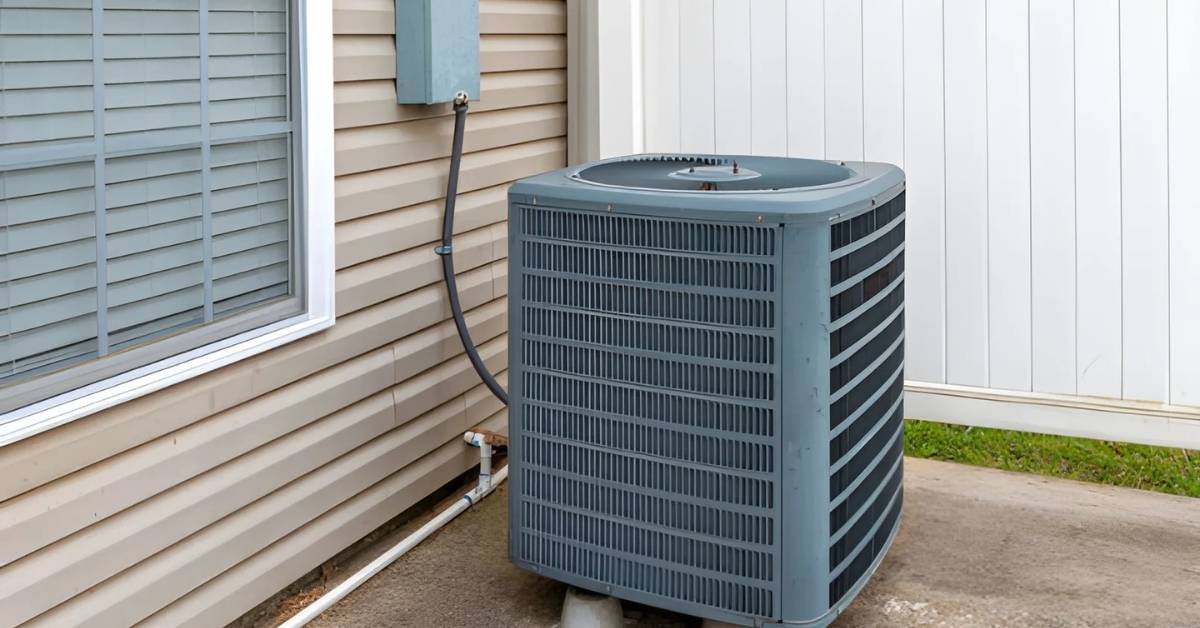
The cost of installing or extending HVAC in your basement depends on a number of important factors. Knowing them helps you to choose the most suitable system for your requirements and make more accurate cost estimates.
Basement Size And Layout
Compared to a 1,200-square-foot apartment-style basement, a 500-square-foot media room will require far less heating and cooling. Additional vents or separate thermostats are frequently needed for larger or multi-zone designs, which raises the overall cost of the basement HVAC system.
Ductwork Layout
It’s typically easier (and less expensive) to lengthen your home’s ducts if they run near the basement ceiling. However, labor and material expenses go up if ducts need to be relocated or replaced. If your basement ceiling is finished or you want hidden ductwork for a neater appearance, expect to pay more.
Existing System Capacity
Adding more space could put stress on your air conditioner and furnace if they are already running close to their limits. Your HVAC contractor will determine if the load can be supported by your current unit. If not, you might require an additional system or upgrade, which might raise the cost of your basement HVAC system by several thousand dollars.
Insulation And Air Sealing
Oversized HVAC equipment is not as necessary in a well-insulated basement since it retains temperature better. You should take the step to insulate your basement walls if they aren’t already, since it increases comfort and reduces long-term energy costs. Also, proper air sealing avoids moisture problems and drafts.
Labor And Permits In South Jordan
Permits and inspections are necessary for HVAC work in South Jordan, just like for the majority of house modifications. Generally speaking, labor expenses vary from $75 to $150 per hour, contingent on the experience of the contractor. Before you start, you may want to check the requirements on the website of the South Jordan City Building Department.
System Type
One of the largest influences on the overall basement HVAC cost is the HVAC system you choose. Although ductless mini-split systems provide flexibility and independent management, central HVAC expansions are excellent for efficiency. They are perfect for multi-room basements or situations where installing new ducting is not an option.
Best Basement HVAC Options
Let’s look at the most effective HVAC solutions for South Jordan homes and their pros and cons.
1. Extend Existing System
The simplest and most economical solution is typically to extend ducts to the basement if your existing HVAC unit has sufficient capacity. It doesn’t need a separate system and maintains a constant temperature throughout the house. You must, however, ensure that the extra airflow won’t lower the efficiency of your furnace and air conditioner.
2. Ductless Mini-Split System
One of the most widely used modern options for completed basements is a ductless mini-split. You have complete control over the basement’s temperature thanks to its separate indoor air handlers for heating and cooling. By simply heating or cooling the area when necessary, you can save energy, even though the initial cost is a little greater. Also, there will be less mess during installation if there is no ducting.
3. Electric Baseboard Or Radiant Heating
Electric baseboard heaters or radiant floor heating can be great additions for smaller basements or areas that are utilized only occasionally. They don’t require much construction and offer effective, silent warmth. Even if they don’t provide cooling, the room is always comfortable when combined with a mini-split or portable air conditioner.
DIY Vs. Professional Installation
If you’re handy, you may be wondering if installing a mini-split or extending ducts can be done on your own. HVAC installation is not something to experiment with, even while small tasks like vent sealing or installing insulation are achievable. Uneven airflow, increased utility costs, and even safety risks might result from improper sizing, improper duct placement, or electrical errors.
That is why most of South Jordan homeowners work with professionals like CCS of Utah, a reputable neighborhood renovation and basement finishing business. They work together to coordinate HVAC, insulation, and framing, smart storage solution and making sure your basement is not only cozy but also energy-efficient and complies with codes.
Energy Efficiency & Comfort Tips
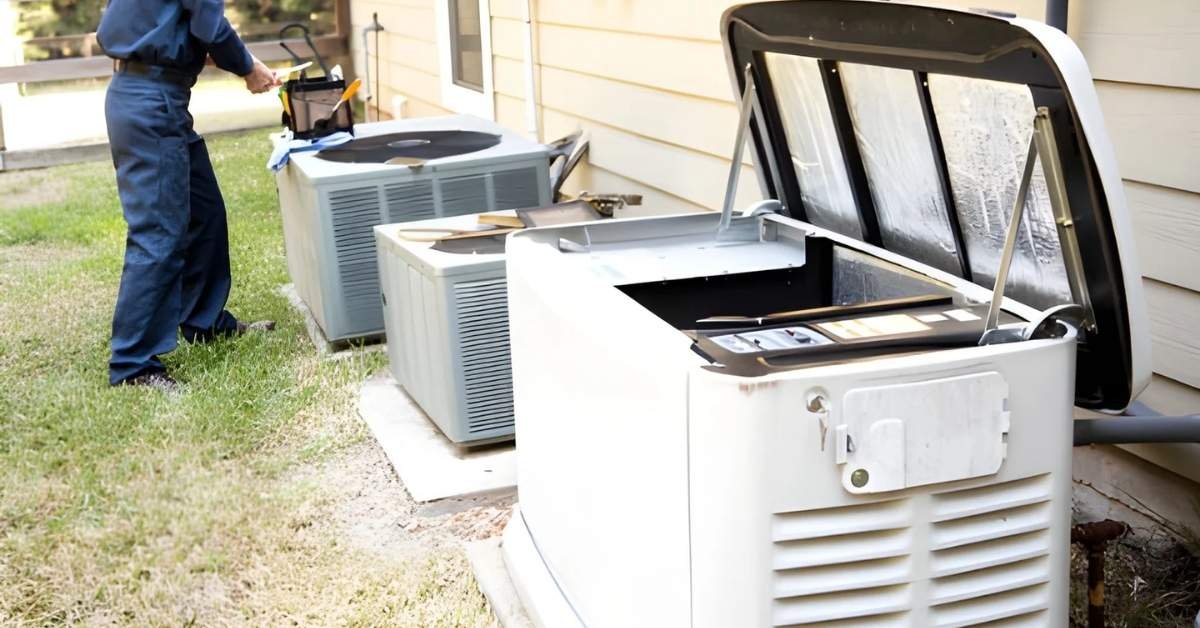
Do you want to make the most of your new HVAC system in the basement as essential for comfort and style? Here are some tried-and-true local tips to reduce energy costs while preserving comfort throughout the year:
- Install a programmable thermostat to independently regulate the temperature of the basement and prevent wasteful energy use.
- Seal all vents and ducts to stop air leaks that squander air that has been conditioned.
- Regularly clean HVAC filters. Clogged filters increase system performance and operating costs.
- Insulate rim joists and walls to keep conditioned air inside and lessen system load.
- Make use of vents or ceiling fans to help distribute air throughout the room.
Every little improvement contributes to the equilibrium of humidity and temperature, particularly in Utah’s chilly winters and blazing summers.
Get A Local Quote
Do you want to improve the comfort level downstairs? Know what to expect when finishing your basement. Getting a local quote from a professional who is familiar with Utah homes and the environment is the best approach to estimate the basement HVAC cost.
Leading South Jordan basement finishing contractor, CCS of Utah, can inspect your house, suggest the best HVAC system, and offer a thorough, no-obligation cost estimate.
Ready to make your basement comfortable year-round?
Get a free estimate from CCS of Utah right now to see how affordable a well-designed HVAC system can be.
Suggested FAQs
1. How much does it cost to have air conditioning installed in a South Jordan, Utah, basement?
Depending on the system type and architecture, it typically ranges from $3,000 to $9,000 or more.
2. Is it better to extend existing ducts or add a mini-split system?
Your existing HVAC system’s capability and layout will determine this. Extensions are less expensive if your system can support them, but mini-splits are excellent for zoned control.
3. Do I need a permit for basement HVAC installation in Utah?
Yes. South Jordan requires HVAC permits and inspections for any new installation or extension.
4. What’s the most energy-efficient HVAC option for basements?
A ductless mini-split system or a high-efficiency furnace/AC combo with proper insulation provides the best long-term efficiency.
5. Can CCS of Utah handle basement HVAC installation?
Absolutely—CCS of Utah specialize in full basement finishing, including HVAC, insulation, and moisture control.