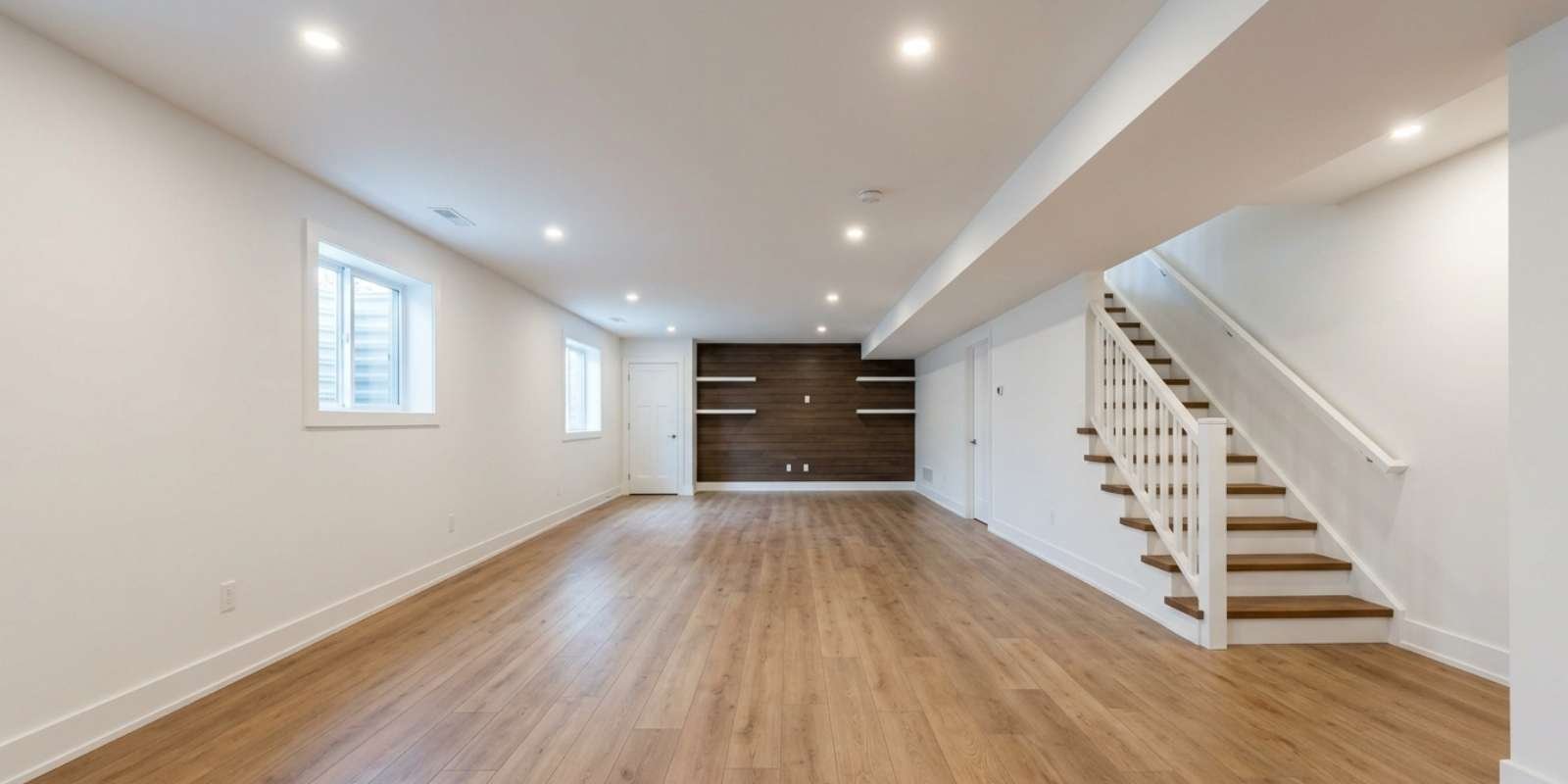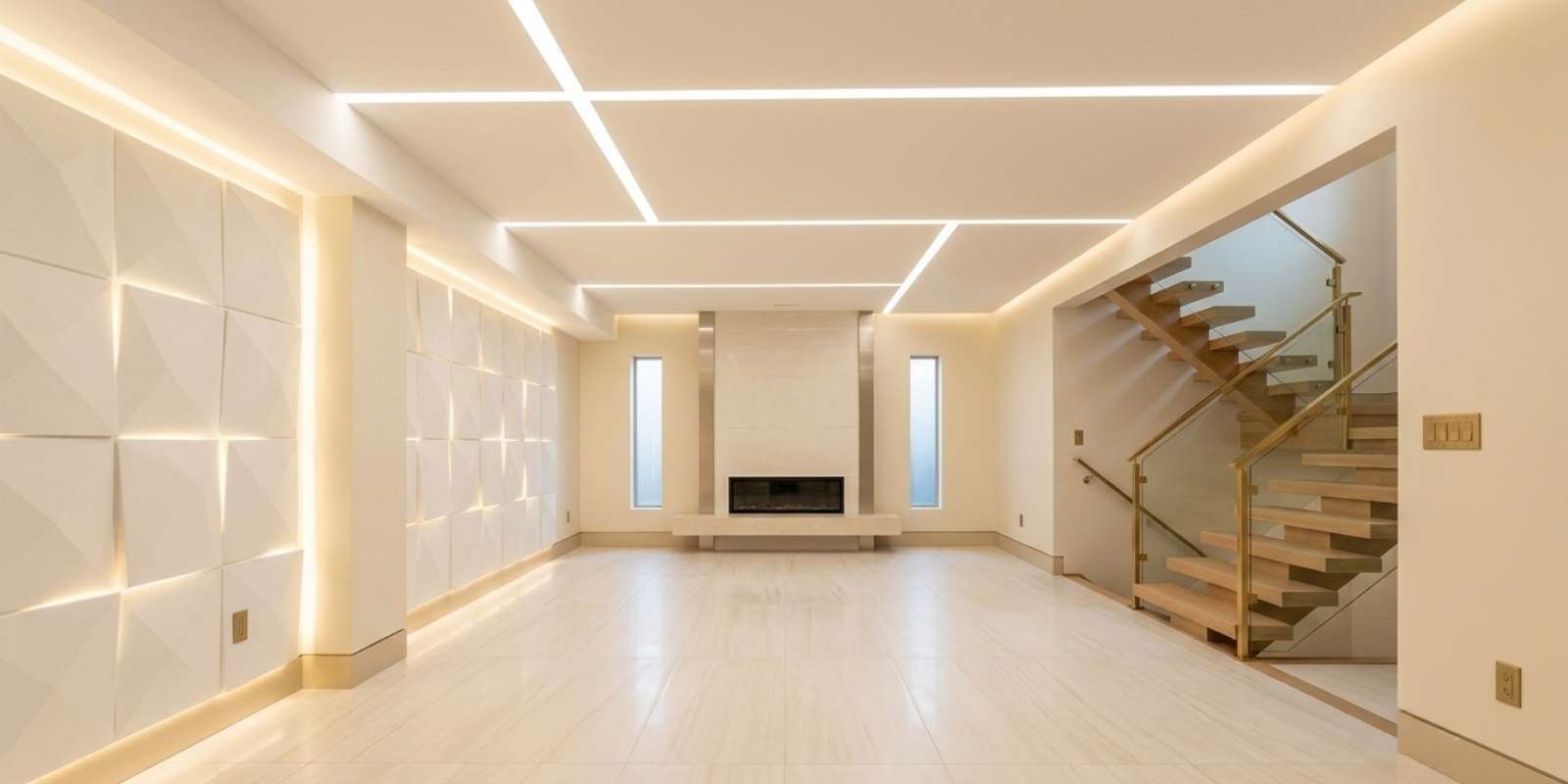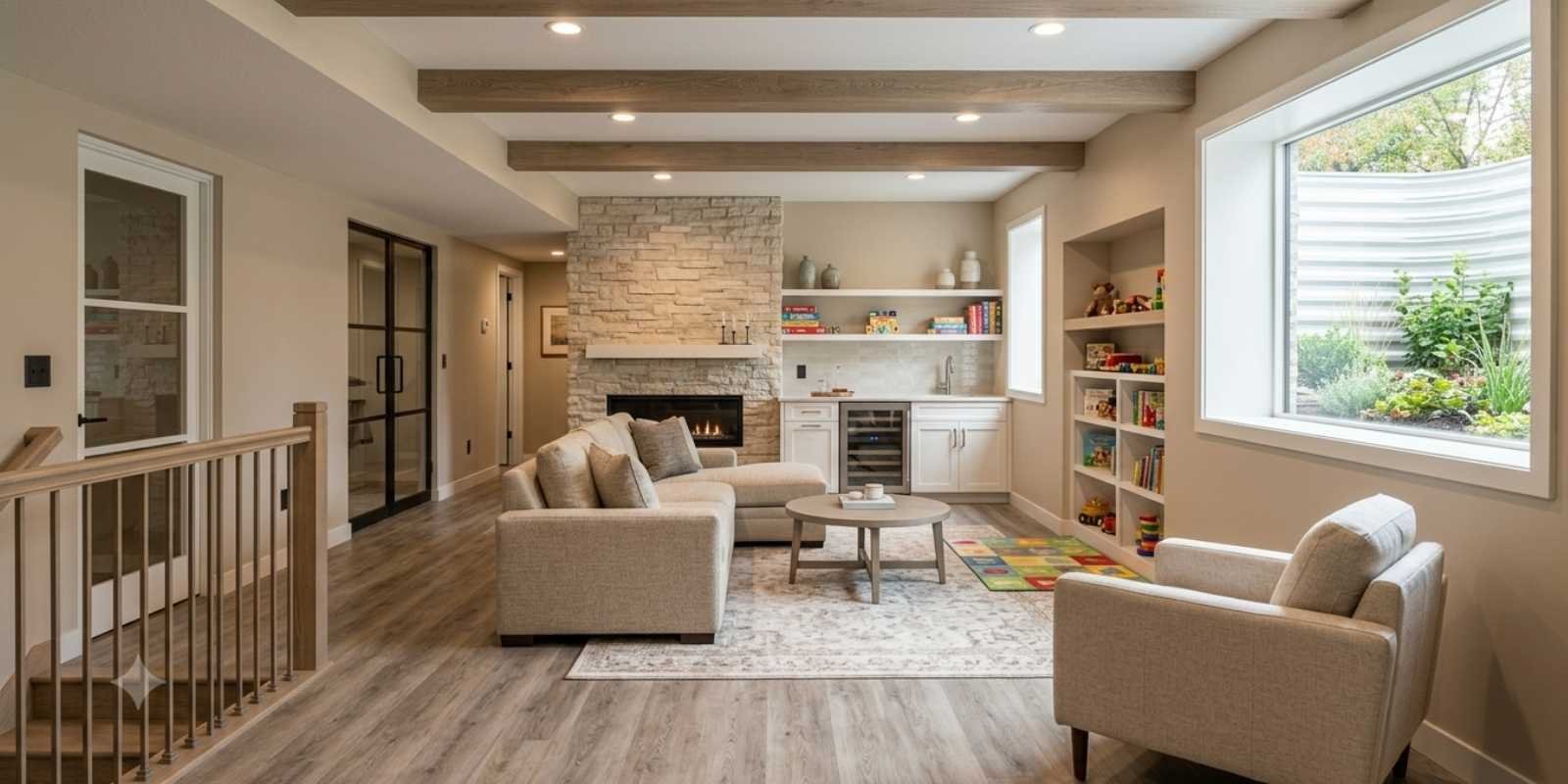

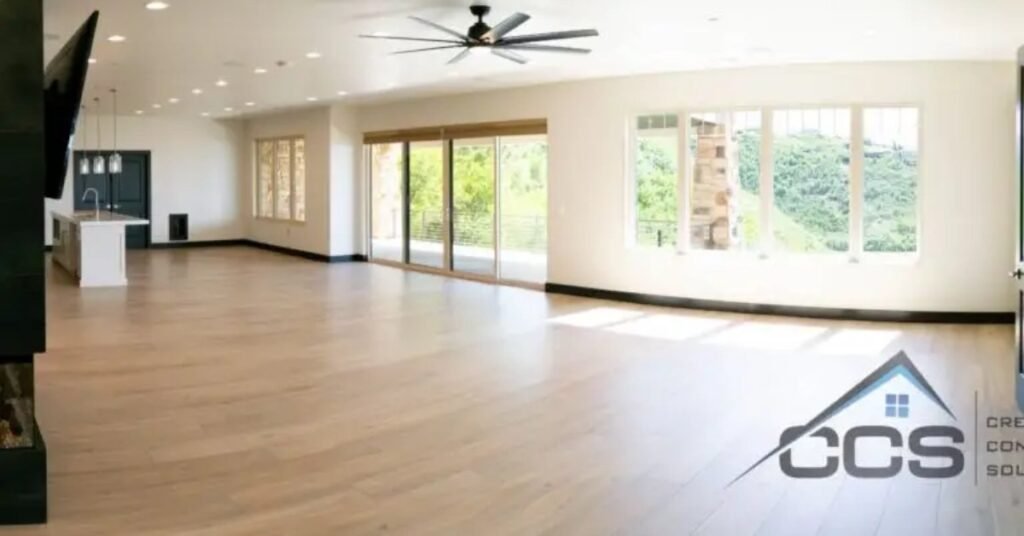
Transforming your basement into a rental space provides a steady income and enhances your property’s value. A well-designed basement rental apartment that blends comfort with style attracts and retains tenants, boosting both your home’s aesthetic and practical appeal.
This blog explores the essentials of creating a basement rental that exemplifies comfort and style. From smart layout decisions to cozy furnishings and modern amenities, discover how to perfectly balance functionality with flair.
Designing for small spaces
Transforming a small basement into a desirable rental requires smart design and strategic furniture choices. Here’s how to make the most of the space.
Optimizing layout
Position large furniture against walls to open central areas, enhancing the room’s spaciousness. Arrange furniture to direct sightlines, making the space feel larger and more open.
Multi-functional furniture
Utilize dual-purpose furniture to maximize utility in limited square footage. Install Murphy beds to free up space, use storage ottomans for seating and storage, and choose extendable dining tables and convertible sofas that adapt to different needs.
These strategies improve functionality and make the basement feel larger and more inviting, creating an appealing and versatile living area for tenants.
Lighting solutions
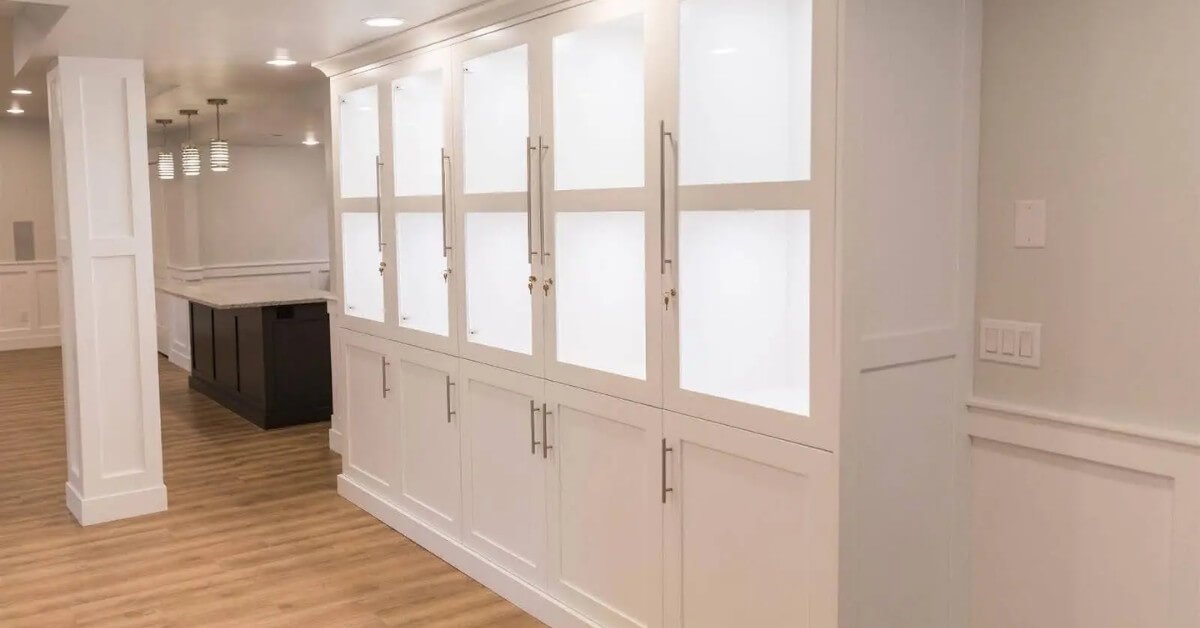
Effective lighting transforms basement rentals into warm, inviting homes. It enhances aesthetics and makes the space feel larger and more comfortable.
Enhancing ambiance with lighting
Install ambient lighting to brighten the entire area and make it welcoming. Recessed or wall-mounted fixtures distribute light evenly, softening the typical basement feel.
Choosing the right lighting fixtures
For basements with low ceilings, use flush-mount fixtures to maximize headroom. Track lighting offers flexibility, allowing you to direct light where it’s most needed, perfect for highlighting specific areas like workspaces.
Incorporating task and accent lighting
Add task lighting to areas for specific activities, such as kitchenettes or desks, and use accent lighting to highlight architectural features or artwork. This mix of lighting enhances visual interest and makes the space feel expansive.
Carefully selecting and positioning lighting fixtures transforms a gloomy basement into an attractive and appealing living area.
Optimizing color and decor
Transforming a basement rental into a welcoming space starts with the right color schemes and decor. Choose light and bright colors to make small spaces feel larger and more open. Soft neutrals like creams and light grays reflect light, enhancing the sense of space. A monochromatic palette adds depth without cluttering visual space.
Incorporate mirrors and reflective surfaces to amplify light and expand the area visually. Position these to maximize the effect of natural light, making the space brighter and more inviting.
Select sleek, modern furniture that complements the light color scheme while maintaining an uncluttered look. Introduce textures through rugs, throws, and cushions to add warmth. Opt for wall art that aligns with potential renters’ preferences, enhancing the space’s appeal.
Implement functional yet stylish storage solutions like ottomans with hidden storage and multipurpose furniture to maximize space efficiency without compromising style. These strategic choices elevate the aesthetic of your basement apartment and boost its functionality, making it a more attractive option in the rental market.
Enhancing comfort
You’ll want to ensure tenant comfort in basement rentals with temperature and noise control challenges. Here’s a concise strategy to address these:
Climate control
Basements are generally cooler, necessitating efficient heating, such as dedicated HVAC systems or space heaters, and ceiling or portable fans for circulation in warmer months. Consider ductless mini-split systems for a more permanent cooling solution without extensive ductwork.
Noise reduction
Soundproofing is essential for privacy. Insulate walls to dampen sound, install acoustic panels on ceilings and walls, and use thick carpets with padding to minimize noise. Solid doors and weather stripping also effectively block external sounds.
Implementing these strategies improves the livability and appeal of a basement rental, enhancing tenant satisfaction and potentially increasing the rental value.
Basement kitchenette
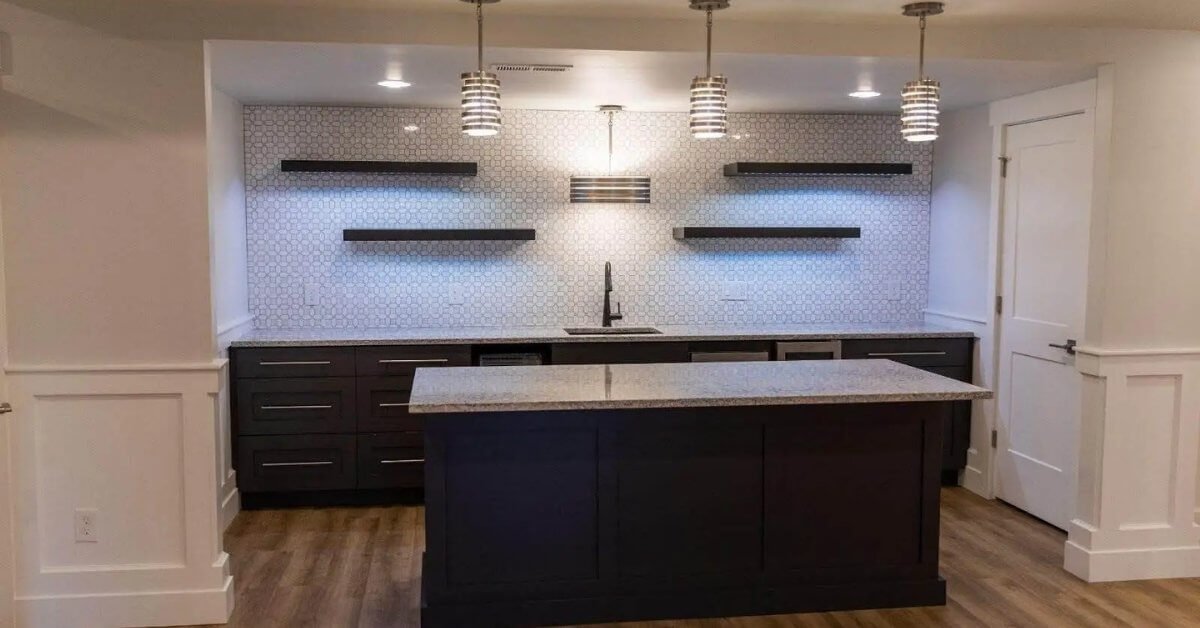
Efficiently design your basement kitchenette to blend style and functionality. Start with essential appliances: a compact fridge, microwave, two-burner stove, and, if space allows, a small dishwasher. Opt for space-saving designs like under-the-counter appliances and microwaves mounted under cabinets to maximize counter space.
Choose a layout that fits the kitchenette’s dimensions. Linear or galley are best for narrow spaces and L-shaped for a little more room. Use vertical space for storage with upper cabinets or shelves.
Select light-colored cabinets and reflective backsplashes to enhance the sense of space, and install under-cabinet lighting for both functionality and ambiance. This approach ensures your kitchenette is practical and a pleasant part of your basement apartment.
Basement bathroom design
Maximize space and style in your basement rental bathroom with clever design choices. Install a corner sink or slim vanity to save space, and opt for a walk-in shower with clear glass to make the area feel larger. Including a small bathtub adds luxury and appeal, especially for families.
Equip the bathroom with practical luxuries like heated towel racks, high-quality fixtures, and sufficient storage and strategic lighting. Use porcelain tiles for durability and ease of maintenance. Choose larger tiles to reduce cleaning hassle.
Personalize the space with built-in niches for toiletries, chic hardware, and a contemporary color palette that complements the rest of the basement. These thoughtful details will transform the bathroom into a standout feature of your rental property.
Smart home features
Smart home technology streamlines the management of everyday tasks and enhances security, appealing features for tenants. Automated systems allow tenants to control lighting, heating, cooling, and security from smartphones or other devices, providing ease of use and flexibility.
These systems contribute to energy efficiency and allow personalized control over the living environment, which are major selling points for potential renters.
Popular smart devices for rentals
Smart thermostats
Adjust temperature based on the tenant’s habits and preferences, promoting comfort while reducing energy costs.
Smart locks
Offer keyless entry and the ability to remotely change access codes, enhancing security and convenience, especially for properties with frequent tenant turnover.
Smart lighting systems
Enable tenants to control lighting remotely, set schedules, and even adjust color settings to create both ambiance and practical utility.
Smart security cameras and alarms
Provide real-time monitoring and alerts to smartphones, which is essential for tenant safety.
Voice-controlled assistants
Devices like Amazon Echo or Google Home manage other smart devices, play music, set reminders, and more through voice commands, adding a futuristic convenience to everyday living.
Safety and compliance
This section outlines the necessary safety features and legal standards you must meet to create a secure living environment.
Essential safety features
Proper egress windows are needed in any basement apartment. These windows must comply with local building codes in size and placement to provide a safe emergency escape route. Install smoke detectors and carbon monoxide alarms strategically throughout the basement to promptly alert tenants to fires or gas leaks.
Compliance with legal standards
Understanding and following local housing regulations and building codes is vital. These regulations often mandate specific requirements for egress windows, electrical wiring, and adequate ventilation systems to prevent mold and ensure good air quality.
Navigating building codes
Consult your local building authority to clearly understand the necessary permits and inspections. Ensuring compliance secures tenant safety and shields you legally as the property owner. Non-compliance can lead to fines and legal challenges and endanger your tenants.
Implementing safety measures
Choose easy-to-operate egress windows large enough for an adult to pass through. Place smoke detectors in sleeping areas and living spaces, and install carbon monoxide alarms near fuel-burning appliances. Regularly maintaining these devices ensures they function properly when most needed.
Prioritizing these key safety and compliance aspects ensures your basement rental is a safe, comfortable, and legal living space. This dedication to safety enhances the rental’s appeal, providing peace of mind for both you and your tenants.
Bring your basement rental together with CCS of Utah
Transforming your basement into a desirable rental space requires thoughtful design, smart planning, and effective marketing. With the right approach, you can create a living area that meets the needs of potential tenants but also enhances the value and functionality of your home.
If you’re ready to elevate your basement rental project, partner with CCS of Utah. Our team specializes in converting underused spaces into beautiful, functional environments tailored to meet homeowners’ and future tenants’ specific needs. At CCS of Utah, we pride ourselves on our craftsmanship, attention to detail, and commitment to customer satisfaction.
Let us guide you through every step of your basement transformation, from the initial design to the final touches that make your space stand out in the rental market. Contact CCS of Utah today to start transforming your basement into a profitable and stylish rental property that you and your tenants will love.