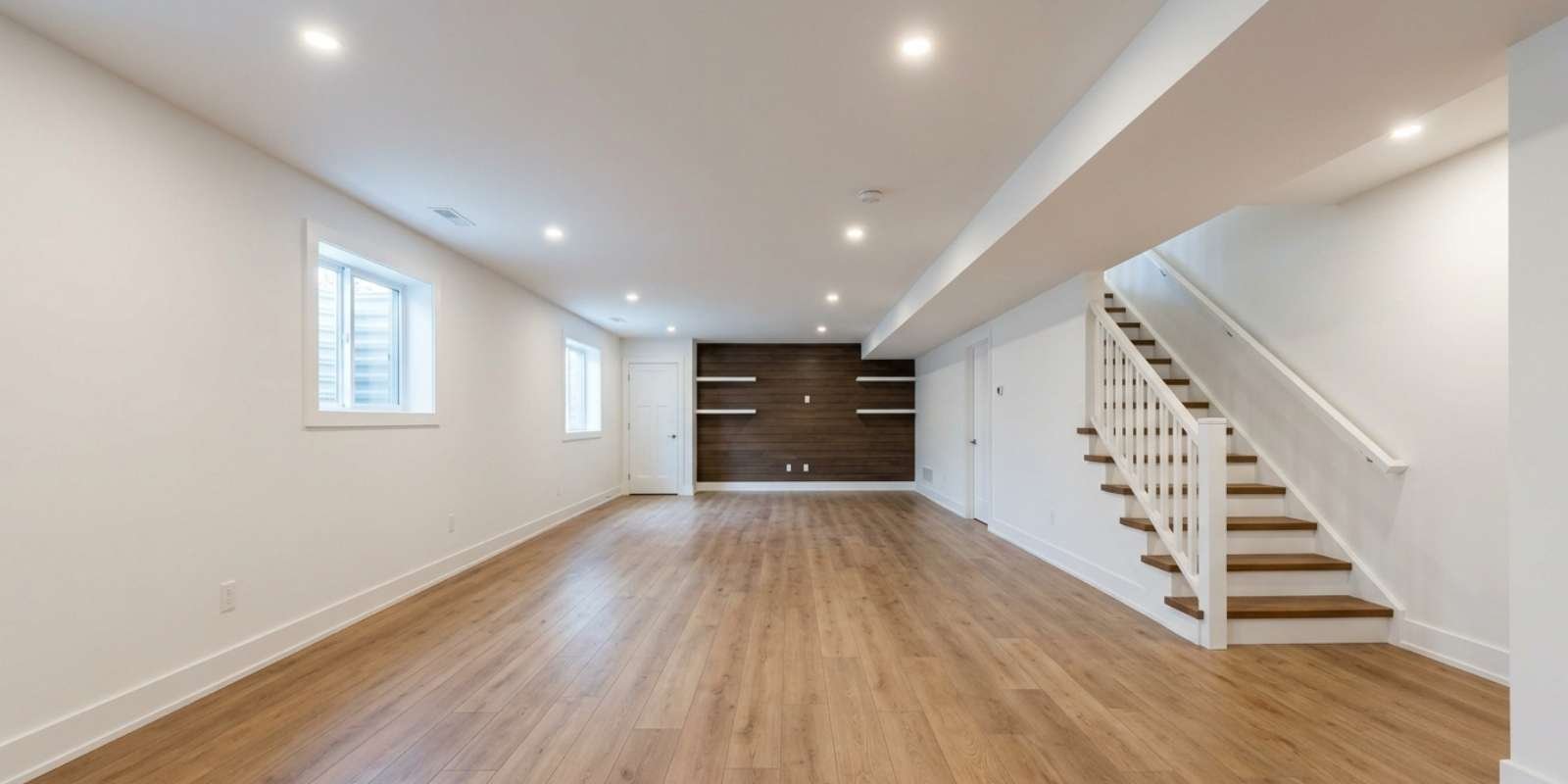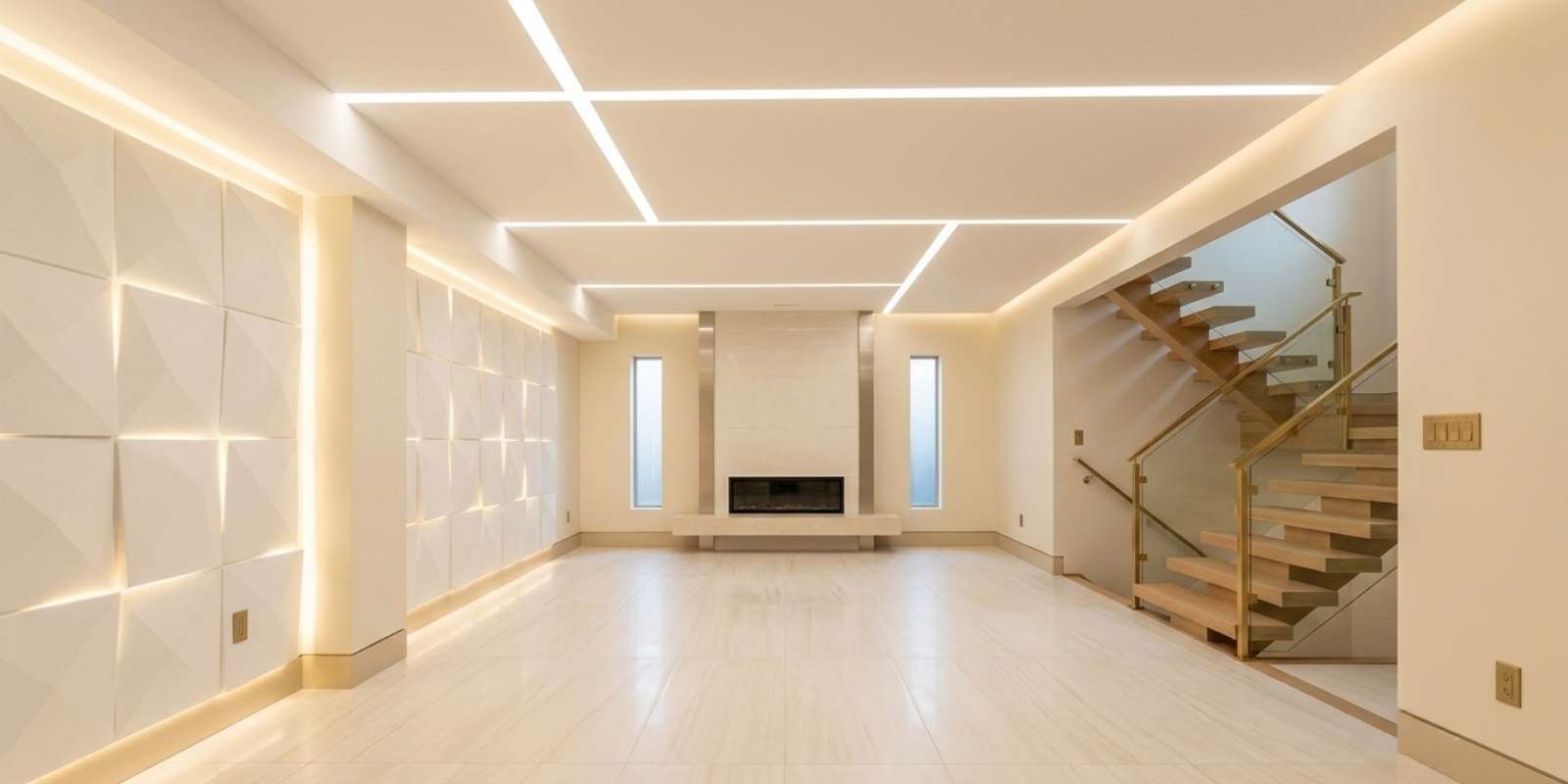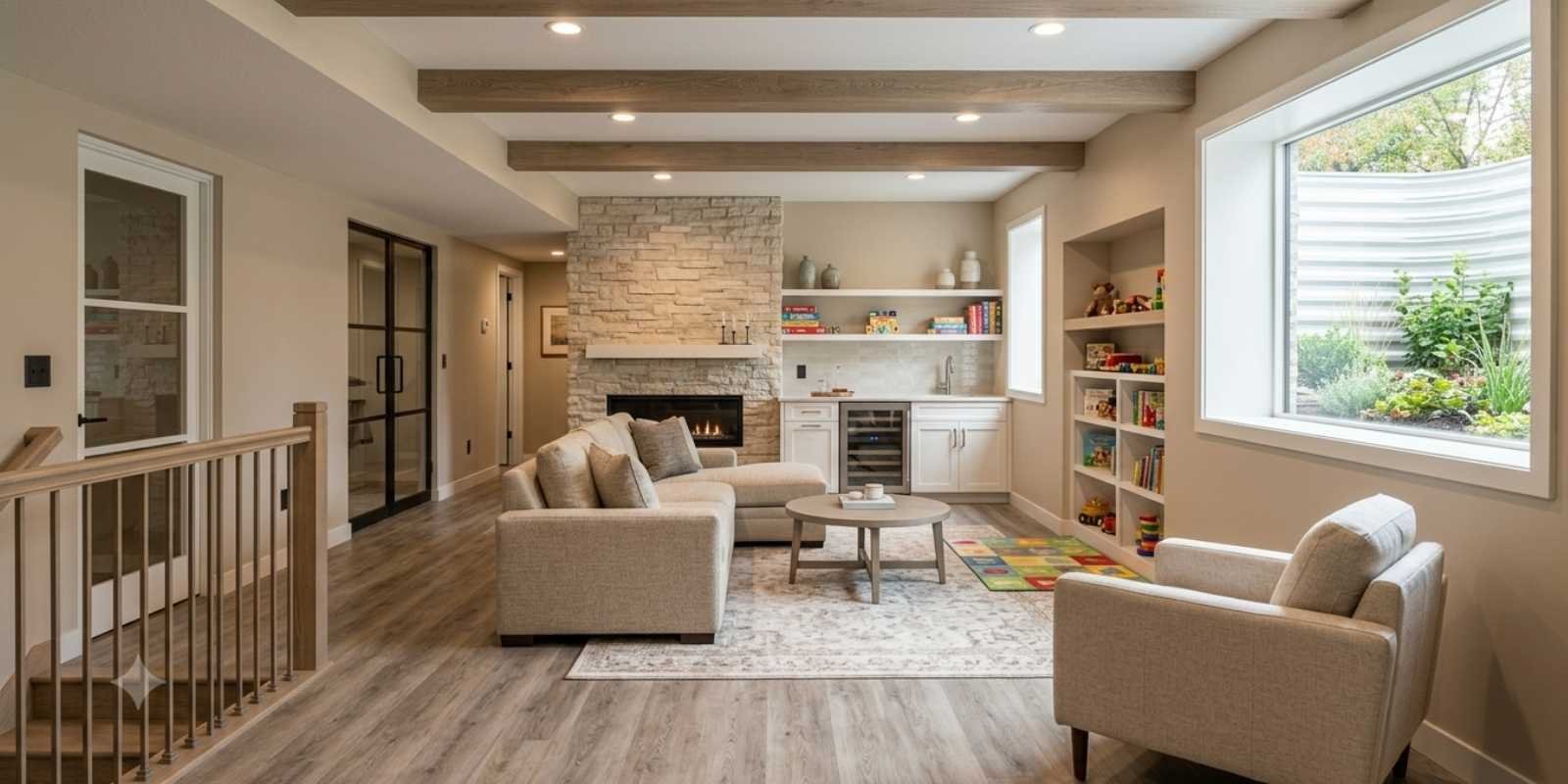

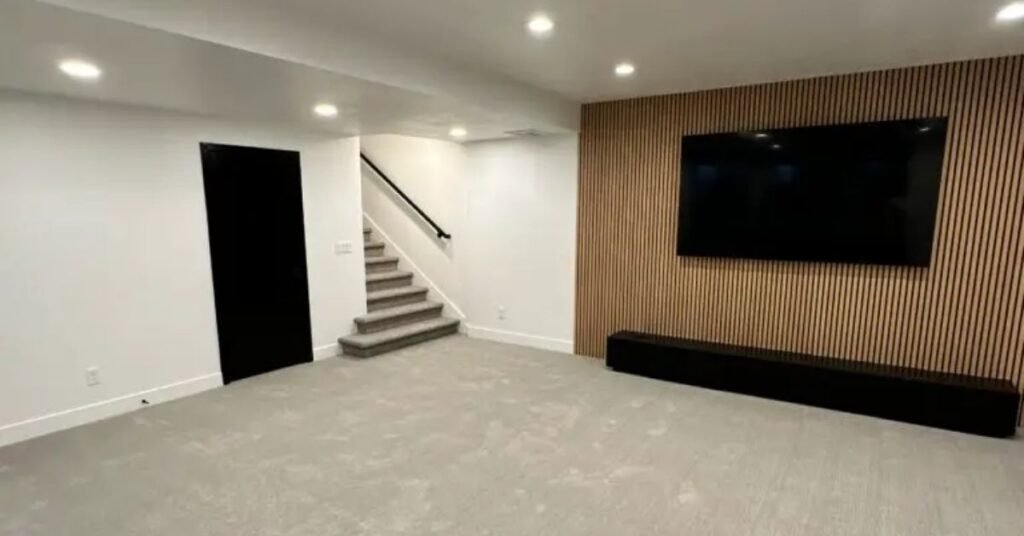
Maximizing space in small basement living rooms presents a unique challenge for homeowners. These lower-level spaces often fulfill multiple roles — from cozy family hangouts to occasional guest quarters or creative workspaces. The key to transforming a cramped basement into a stylish and functional area lies in smart storage solutions.
Effective storage helps declutter the space and enhances its aesthetic appeal, making your basement living room inviting and efficient. In this blog, we’ll explore various strategies to optimize every inch of your basement, ensuring it meets your needs while remaining sleek and orderly.
Adopting innovative small basement living room storage ideas enhances the usability of your living area without sacrificing style.
Assessing your space
Before diving into storage solutions, accurately assess your basement living room to understand its specific storage needs and spatial constraints. Start by identifying the items that need storage, such as media equipment, books, toys, and office supplies. The types of items will guide your choice of storage solutions.
Measuring and planning
Carefully measure the dimensions of your basement living room, taking note of windows, doors, and any structural elements like columns or low ceilings that could affect storage placement. Sketch a floor plan using these measurements to visualize potential storage unit placements and how they will interact with the room’s flow.
Optimizing storage
Look beyond the floor area to the vertical space. Installing tall shelving units or overhead cabinets utilizes the room’s height, which is often overlooked in basement setups. Also, creatively consider corners and under-stair areas for potential storage transformations.
With a solid understanding of your space, you can plan for integrated, purposeful storage solutions that avoid clutter and feel intentional. This planning is essential for creating a basement living room that is both spacious and inviting, with smart storage that enhances functionality and style.
Multi-functional furniture
Furniture in small basement living rooms should serve multiple purposes, combining functionality with storage solutions to maximize space. Multi-functional furniture is essential for a streamlined, clutter-free environment that meets all living needs.
Versatile storage options
Opt for storage ottomans that provide a cozy place to sit or rest your feet, while offering hidden storage for blankets, books, or board games. Sleeper sofas with drawers also make excellent use of under-seat space, which is ideal for stowing away linens or seasonal clothing without taking up extra room.
Innovative coffee tables
Choose coffee tables with hidden compartments or lift-top designs. These tables do more than hold beverages and decor; they hide storage spaces for remote controls, magazines, and other living room essentials. This dual functionality proves invaluable in smaller spaces where maximizing every inch is crucial.
Built-ins solutions
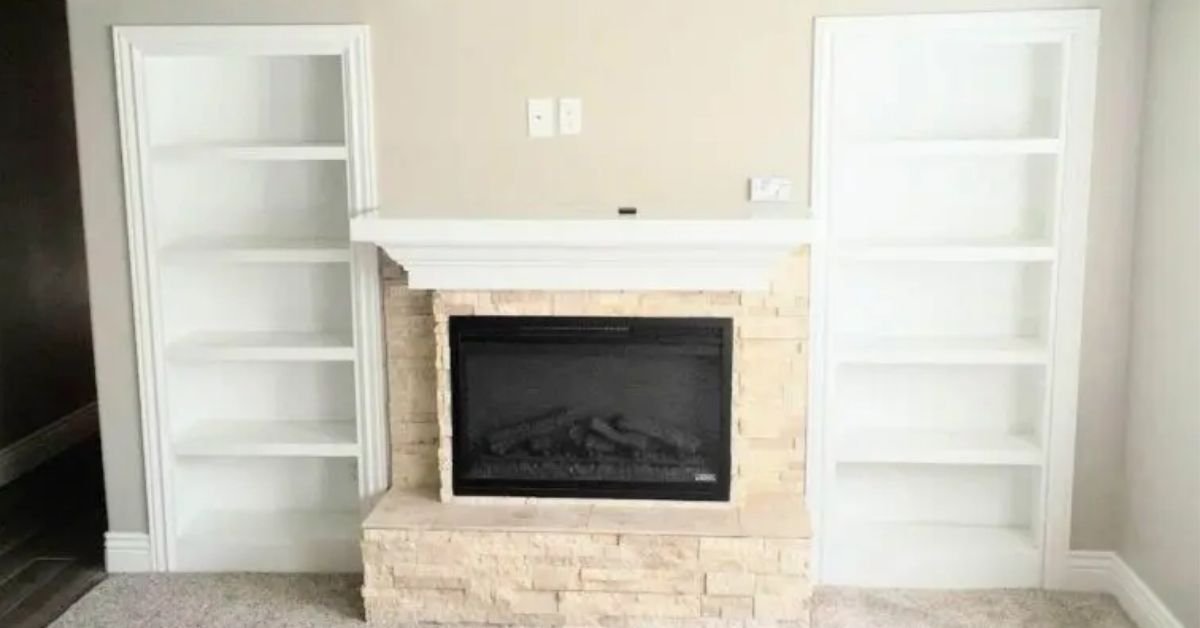
Custom built-ins save floor space and enhance room aesthetics and functionality, maximizing vertical space in small basement living rooms.
Under-stair storage
Install custom drawers or cabinets to transform the often-overlooked space beneath your staircase into valuable storage. This area is perfect for storing seasonal decorations, cleaning supplies, or even setting up a hidden office nook.
Built-in shelves and cabinets
Fit built-in shelving units and cabinets along your walls to organize essentials and minimize clutter. Design these units to extend from floor to ceiling, ideal for housing books, decorative items, or entertainment systems. Building storage around the room’s perimeter turns unused spaces into active storage, maintaining an open, airy feel in your living area.
Incorporate built-in solutions to leverage every inch of available space in your basement living room. These storage options not only provide functionality but also integrate seamlessly with your home’s decor, enhancing both the style and practicality of your space.
Decorative storage options
Enhance your basement living room’s decor while maximizing storage with stylish and functional pieces.
Decorative baskets
Store magazines, toys, or blankets in decorative baskets to blend functionality with aesthetic appeal. Place these baskets under coffee tables or on open shelves to keep items handy yet out of sight.
Antique trunks
Use antique trunks as striking focal points that double as storage. Situate a vintage trunk at the foot of a sofa or employ it as a unique coffee table, storing everything from board games to seasonal items inside.
Stylish bookcases
Opt for bookcases that display a mix of personal and decorative items, in addition to books. Select styles with varied shelf sizes to accommodate books, vases, and framed photos, seamlessly integrating storage into your decor.
Utilizing vertical space
Effectively use your small basement living room’s vertical space to maximize storage and maintain a clutter-free environment.
Install floating shelves
Install floating shelves to use vertical wall space. Arrange books, decor, and small plants to enhance the room’s charm without overcrowding it. Opt for shelves of varying lengths to create a visually dynamic arrangement that also makes the room appear larger.
Incorporate wall-mounted cabinets
Add wall-mounted cabinets to store electronic accessories or household items discreetly. Choose sleek designs that blend with the wall color for a seamless look, and prefer sliding doors to save space and add a modern touch.
Hang baskets
Hang baskets in less utilized areas like corners or above other furniture to store items that need to be accessible but not on display, such as children’s toys or craft supplies.
Hidden storage strategies
Discover the art of concealing storage effortlessly within your living space to maintain both function and style.
Furniture with hidden compartments
Invest in furniture that offers more than meets the eye. Choose ottomans with storage inside, sofas with drawers, or beds with lift-up bases. These pieces provide ample storage while keeping everyday clutter out of sight.
Implement false walls
Consider creating a false wall that can serve as an extra closet or shelving unit. This technique not only hides unsightly items but also adds an element of surprise to your decor. False walls can be particularly effective in basement settings where maximizing every inch is crucial.
Opt for multi-use fixtures
Select fixtures that serve dual purposes. For instance, a mirror that swings open to reveal jewelry storage or a coffee table that lifts to become a workstation. These innovative solutions allow you to store numerous items while keeping them accessible yet discreet.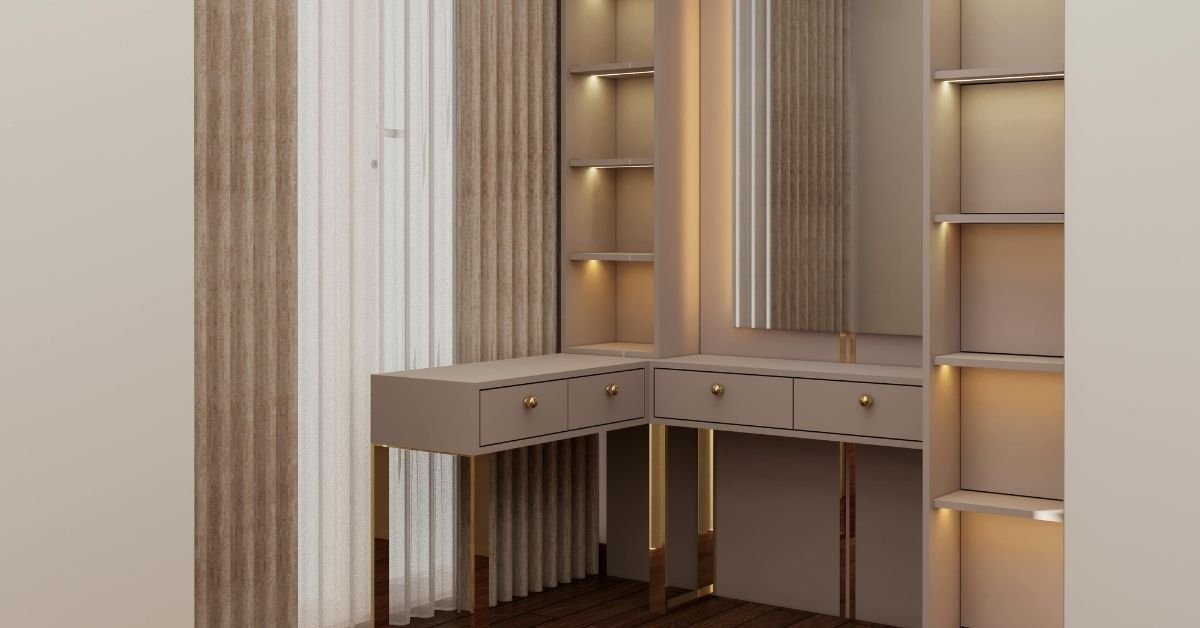
Organizational tips and tricks
Master the art of organization with these best practices for maximizing accessibility and aesthetic appeal in your small basement living room.
Effective labeling techniques
Implement a labeling system that keeps items easily identifiable and retrievable. Use clear, consistent labels on storage bins, boxes, and shelves. This approach not only saves time when searching for items but also helps maintain order, making it easier to keep track of what you have stored in hidden or high places.
Utilizing dividers
Employ dividers in drawers and on shelves to keep similar items together and prevent them from becoming jumbled. This is particularly useful for organizing small items like craft supplies, office materials, or electronic accessories, ensuring everything has a designated spot.
Optimizing shelf space
Maximize your shelf space by arranging items strategically. Place frequently used items at eye level and less used items higher up or at the bottom. Consider adjustable shelving to accommodate items of various sizes, and use attractive baskets or boxes to group smaller items together, keeping your shelves tidy and visually pleasing.
Adopt small basement living room storage ideas with CCS of Utah
At CCS of Utah, we understand that every home has unique needs. We work closely with you to design custom solutions that not only meet your storage requirements but also enhance the look and feel of your living space. From built-in shelving units to multi-functional furniture, our tailored services are designed to maximize your comfort and your home’s potential.
Don’t let space limitations hold you back. Contact CCS of Utah today, and let us help you turn your basement into a perfectly organized and inviting living area that adds value and comfort to your home. Trust us to bring your vision to life with precision and style!