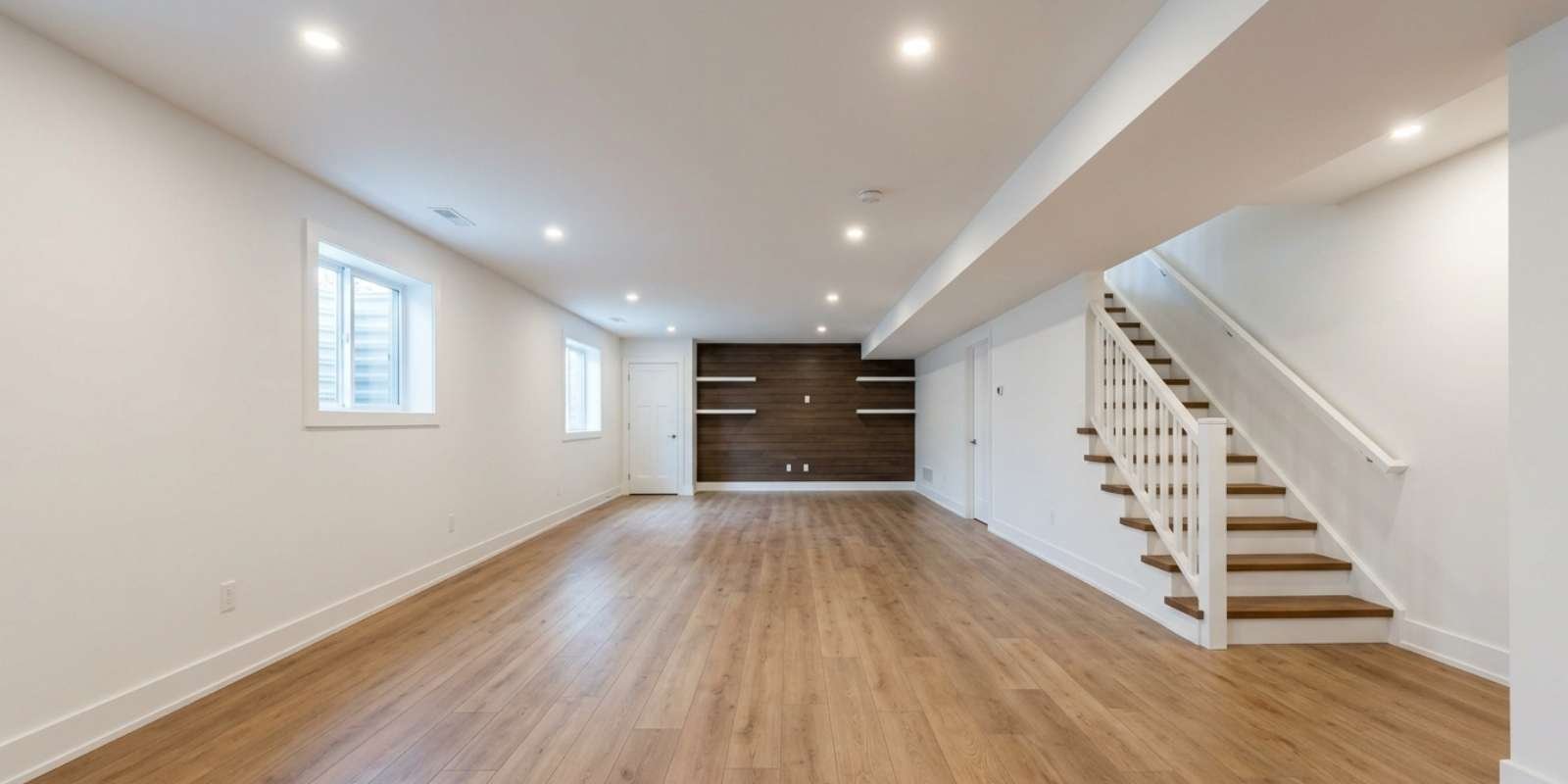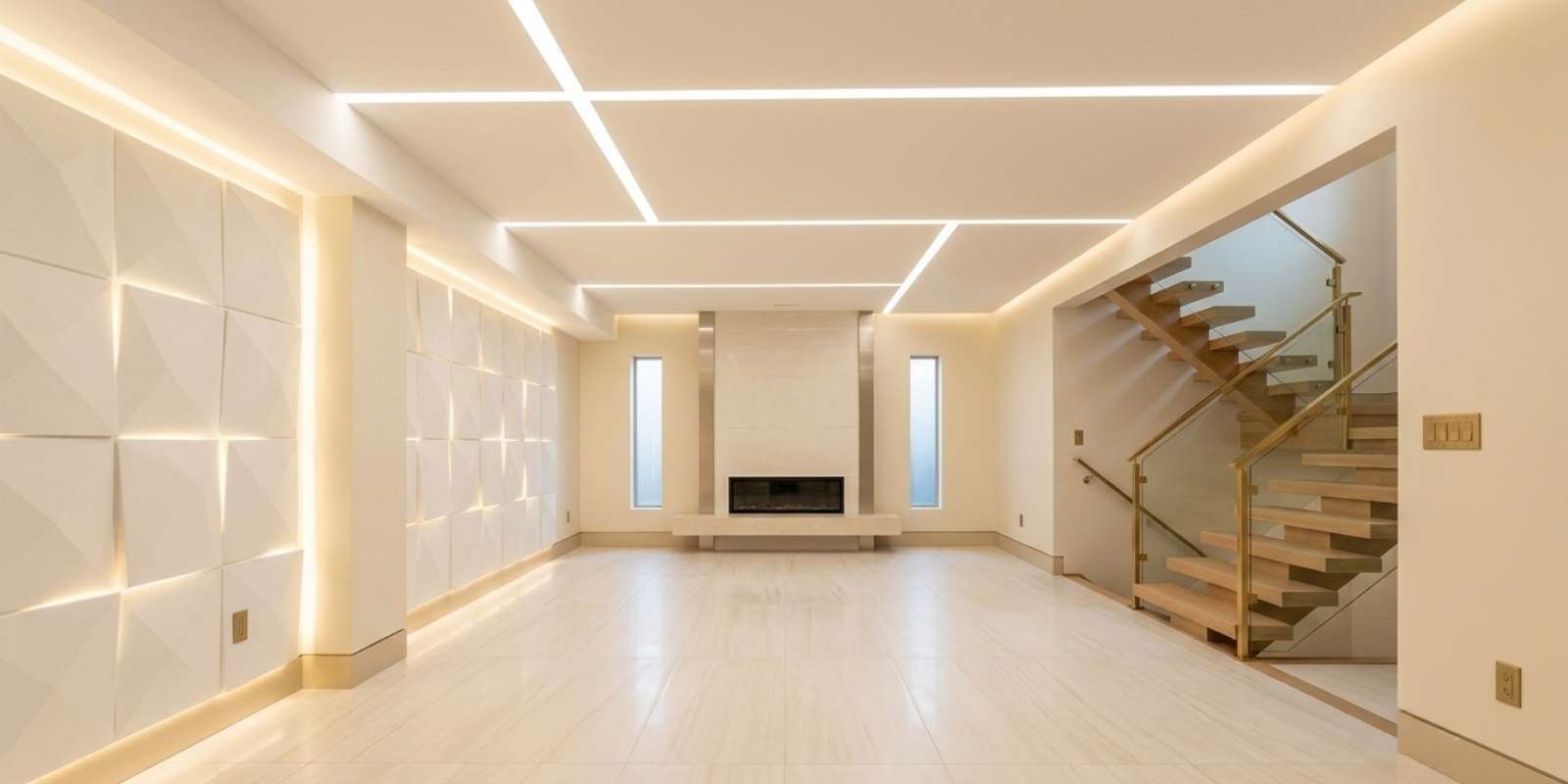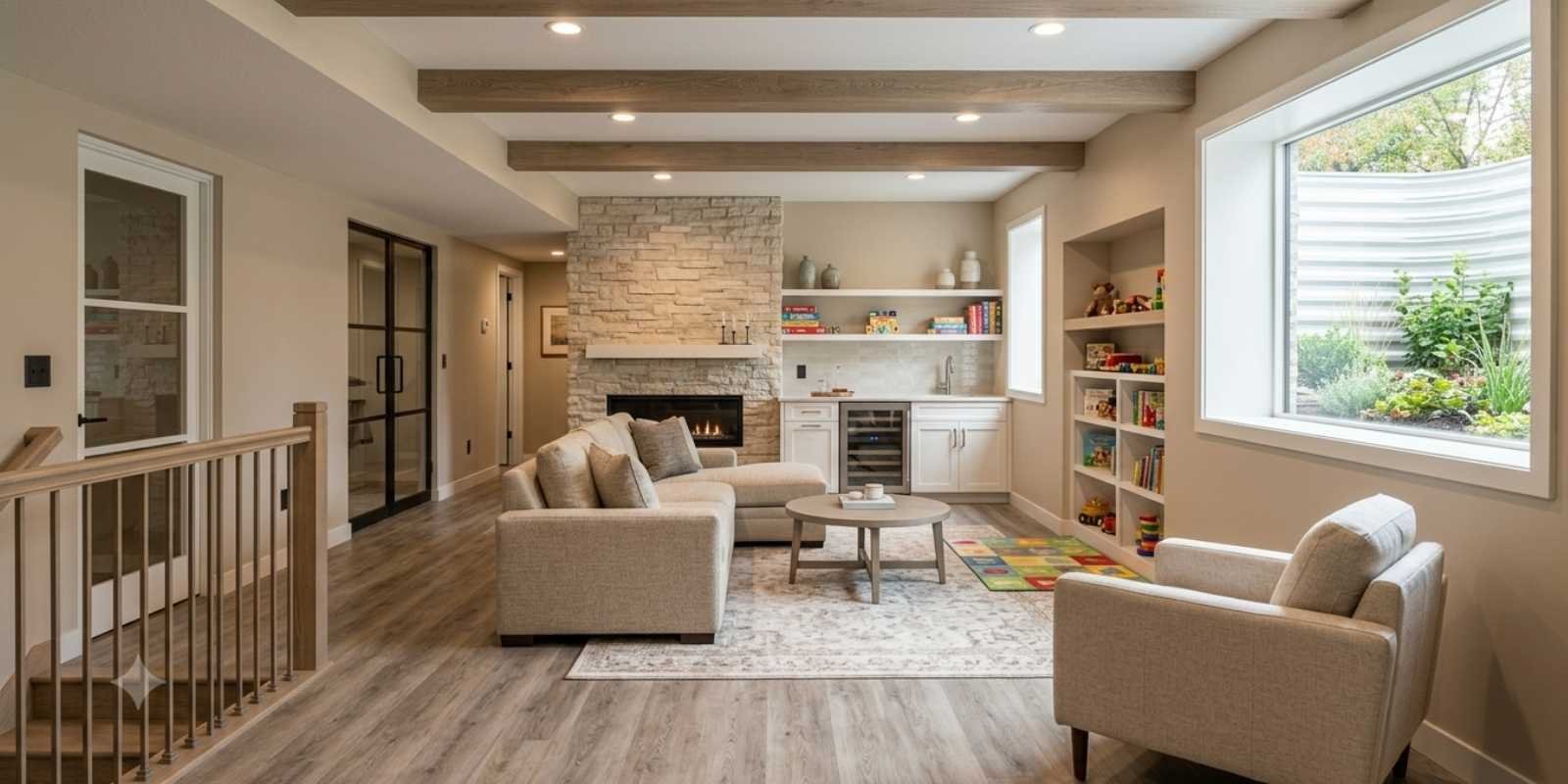

Creating an allergy-free basement in Saratoga Springs starts with proactive prevention and smart maintenance. Basements are naturally prone to moisture, mold, dust, and other allergens, but with the right strategies you can transform the space into a healthy, comfortable environment. From improving ventilation and waterproofing to regular cleaning and professional inspections, these practical steps will help you eliminate allergens, protect your family’s health, and ensure your basement remains safe and livable year-round.
At Creative Construction Solutions, we’re happy to provide numerous Basement Finishing Services to clients in Saratoga Springs and other parts of Utah. We prioritize our clients’ health as we do our work; we even consider the special needs of household members with specific allergies. We also guide homeowners through practical steps such as basement finishing HOA approval, ensuring your project is both safe and compliant. Let’s look at some of the signs that your basement could be harboring allergens, plus some simple ways to identify and get rid of them for good.
Possible Signs of Allergens in Your Basement
Firstly, how can you tell that your basement is harboring allergens and triggering allergy symptoms? Here are some signs:
Allergy symptoms only in the basement:
If you notice sneezing, coughing, or watery eyes that occur specifically when you’re downstairs, it’s a strong indicator that harmful allergens are present. This pattern — symptoms in the basement but not in other rooms — often points to hidden mold, dust, or ventilation issues. Addressing these concerns early can also help when navigating basement finishing permits in Saratoga Springs, since inspectors often check for air quality and safety compliance.
Mildew smell:
A musty or mildew-like odor is a red flag. This smell usually signals excess moisture and possible mold growth. If you detect it, it’s worth investigating further, as it may also tie into basement finishing building codes in Saratoga Springs, which require proper ventilation and moisture control.
Dampness or water damage:
Water stains, condensation, or damp walls are common precursors to mold growth. These conditions not only trigger allergies but can also complicate your remodeling plans. Waterproofing and remediation are often necessary steps before seeking basement finishing HOA approval in Saratoga Springs, since most associations require proof that the space is safe and dry.
Visible basement mold:
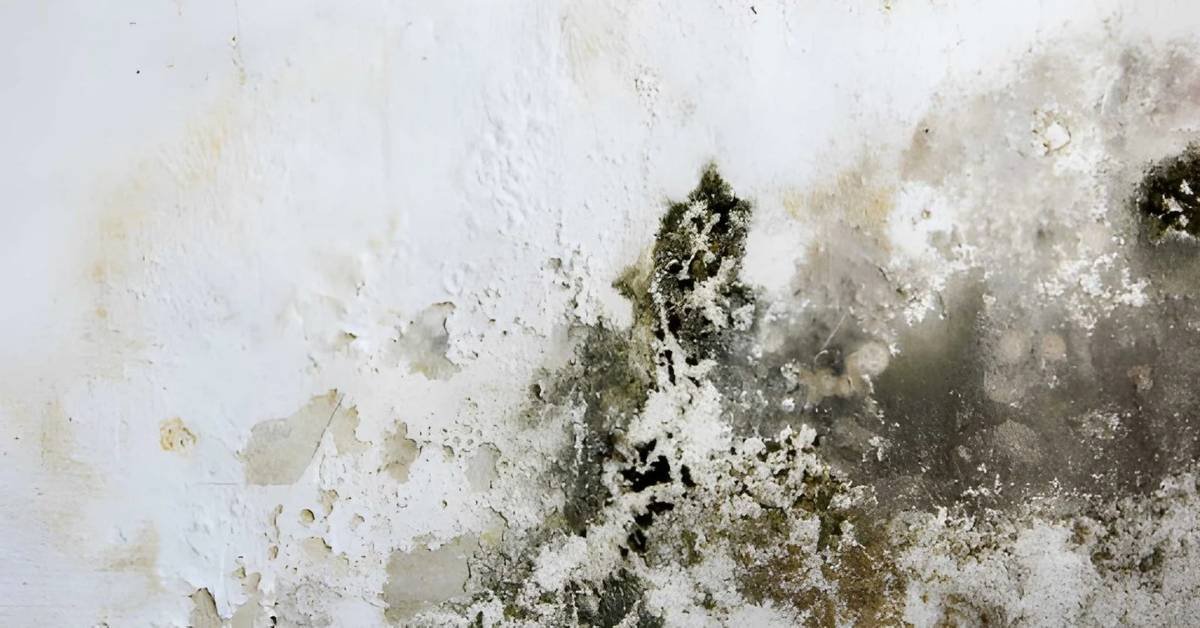
Mold is one of the most serious allergens. If you see fuzzy patches, discoloration, or growth on walls, ceilings, or furniture, immediate action is needed. Professional remediation ensures your basement is safe and compliant, and it also protects your investment when calculating basement finishing cost in Saratoga Springs.
Dangerous Allergens: Mold and Asbestos

While no allergen in your basement is desirable, certain specific types of allergens to be on the lookout for are mold and asbestos.
Mold:
Black mold is one of the most common allergens in damp basements. It can trigger serious health issues, so early detection is vital. Look for visible growth, discoloration, or musty odors. A simple test — leaving bread in the area for 24–48 hours — can reveal spores through fuzziness or color changes.
Asbestos:
This is often found in homes built before 1980, may be hidden in insulation, flooring, or ceilings. Disturbed fibers pose severe respiratory risks. If you suspect asbestos, consult a licensed professional for testing and safe removal.
If you believe either of these allergens could be present in your basement, it’s important to work with a professional who will help you remove these potentially harmful contaminants.
Both contaminants pose serious health risks: mold can trigger respiratory issues and long-term allergies, while asbestos fibers are linked to severe lung diseases if disturbed.
General Tips for Making Your Saratoga Springs Basement Allergy Free
Now, while mold and asbestos are certainly some of the most dangerous allergens you may find in the basement, they are far from the only ones. Others like dust, pet dander, pollen and more can also be problematic. To protect yourself and your family from these health hazards, here are some general tips for making your Saratoga Springs basement allergy free:
1. Improve Ventilation
Excess humidity fuels allergens and mold growth. Install vents, use dehumidifiers, or run fans to keep air circulating. Good airflow not only reduces moisture but also helps maintain a healthier environment for the entire household.
2. Commit to Regular Cleaning
Dust, pet dander, and pollen accumulate quickly in basements. Schedule routine cleaning with allergen-specific products, vacuum with HEPA filters, and wipe down surfaces to keep the air fresh and breathable.
3. Add Air Purification
Persistent allergy symptoms often require extra support. UV air purifiers can neutralize mold spores, while HEPA systems capture dust and pollen. These devices provide long-term relief and improve indoor air quality.
4. Waterproof the Space
Moisture is the root cause of most basement allergens. Seal cracks, repair leaks, and apply waterproof coatings to prevent dampness. This protects against mold growth and safeguards your home’s structural integrity.
5. Use Allergy-Safe Materials
When remodeling, choose non-toxic paints, low-VOC sealants, and hypoallergenic flooring. These materials reduce chemical exposure and help prevent future allergen buildup.
6. Maintain Consistency
Prevention is ongoing. Combine ventilation, cleaning, purification, and waterproofing into a regular maintenance routine to keep allergens from returning.
7. Contact a Professional Contractor
If DIY solutions aren’t enough, a professional basement contractor like CCS of Utah can identify hidden mold, asbestos, or moisture issues. Experts provide tailored solutions that ensure your basement is safe and compliant.
8. Schedule Regular Inspections
Annual inspections catch problems early — from leaks to air quality concerns — saving you money and protecting your family’s health.
Keeping Your Basement Free of Health Hazards
Cleanliness, ventilation, and waterproofing are key to an allergy-free basement. Because allergens can only thrive in damp or neglected spaces, proactive maintenance is the best way to protect your basement’s air quality.
For more information on tips for making your Saratoga Springs basement allergy free, or to learn about any of our basement contractor services in Saratoga Springs or nearby areas, speak to our team at CCS of Utah today through our contact page.