
When it comes to the quality of your basement, one key consideration is keeping moisture out. However, is basement waterproofing required before finishing, in this case? It’s not an absolute requirement, as this depends on the situation. In most cases, waterproofing is necessary as the basement is the lowest point of your home. It is prone to moisture-related issues and water damage because water naturally flows to the lowermost level.
At Creative Construction Solutions, we’re happy to walk you through this topic during any of our basement remodeling, basement finishing or other basement services. One common question we get from clients in this area: Is basement waterproofing required before finishing? Let’s take a good and hard look at this question as we explore situations where waterproofing should indeed be something you consider carefully before finishing a basement.
Is Waterproofing Necessary Before Finishing?
Whether or not you need to waterproof your basement before finishing depends on a number of factors, including humidity levels, environmental considerations, and structural issues. These factors determine when waterproofing should be a top priority before you start finishing your basement, or if it’s not as crucial or even necessary at all.
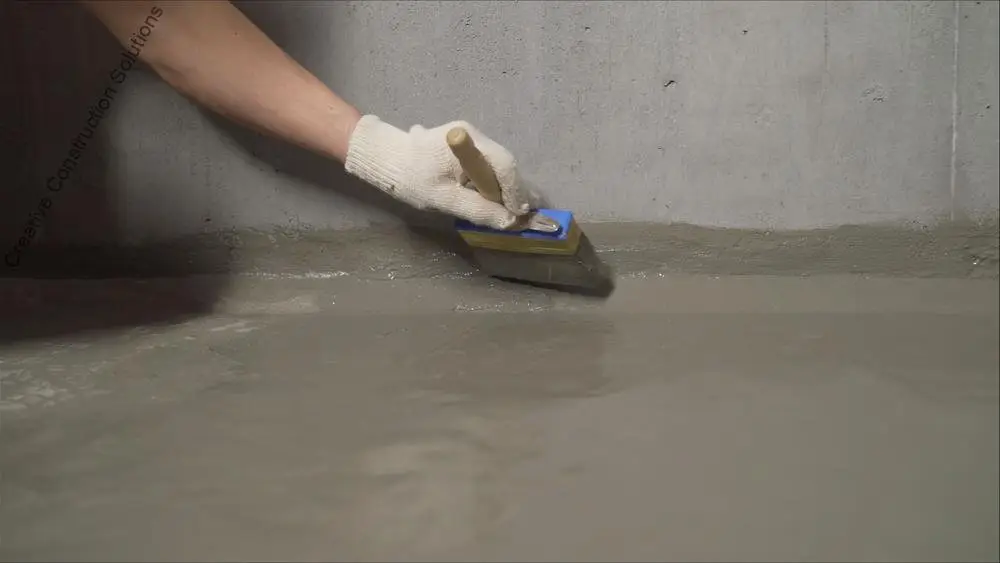
One important note here: When we talk about waterproofing, we’re talking about both the exterior and interior of your basement. Water can enter through cracks or holes in the foundation from the outside. Alternatively, it can come from pipes, leaks or condensation on the inside.
Exterior waterproofing is usually a bigger concern for new construction, while interior waterproofing may be more of an issue in older homes. If you’re unsure whether your home needs exterior waterproofing or not, we recommend checking with a professional to get their opinion.
When Is Basement Waterproofing Required Before Finishing?
There are certain situations in which, for the vast majority of our clients, carrying out some level of waterproofing before any basement finishing is prudent. These include:
- Presence of an existing leak: If you’re already aware of a specific water leak in the basement, even if it’s only seasonal or occasional, waterproofing should be a priority before you move forward with finishing. Simply put, it’s just a lot easier to handle this sort of thing before there’s a lot of new construction to work around.
- When standing water is present: In more severe cases, you may actually have standing water in your basement on a regular basis. Obviously, this is a serious issue that needs to be addressed before any further work is done.
- Major past basement moisture issues: If your basement has experienced serious moisture problems in the past, it’s best to err on the side of caution and waterproof as much as possible before starting any new construction.
- High humidity levels: Even if there’s no actual water present, very high humidity levels can still cause serious issues like mold or mildew. If you’re noticing musty odors or condensation on a regular basis, it’s worth investigating further and potentially waterproofing before continuing.
- Proximity to ground water: If your home is located in an area with high groundwater tables or is at risk for flooding, waterproofing should be given serious consideration. In these cases, even if you don’t have any existing leaks, the basement may be more susceptible to future moisture issues.
- Basement wall moisture issues: In some cases, you may notice the basement walls are already moist, even without any obvious leaks. If this is the case, waterproofing can help to mitigate these issues and make your basement a healthier, more comfortable space.
- Waterproofing for peace of mind: In some cases, you may not have any specific evidence of water leaks or moisture damage in the basement. However, if you’re simply worried about these issues or want to be extra cautious, waterproofing can give you some much-needed peace of mind.
When Waterproofing May Not Be Necessary
There are cases where waterproofing before finishing your basement may not be necessary. While no one is saying you can’t waterproof the area in these situations – and as we noted above, some people choose to do so even if it’s not strictly necessary – it may not be as crucial in the following cases:
- No evidence of leaks or moisture: If you’ve been keeping an eye on your basement and haven’t noticed any evidence of leaks or moisture, the chances are good that waterproofing won’t be a top priority.
- Low humidity levels: In contrast to the high humidity levels that can cause serious moisture problems, low humidity is actually a good thing when it comes to your basement. If you live in a dry climate or have been using a dehumidifier with good results, the risks are lower and waterproofing may not be as crucial.
- Up-to-date plumbing: One common source of basement leaks is old or faulty plumbing. If you’ve recently had your plumbing updated or are confident that it’s in good condition, this can help to reduce the risks of future leaks.
- Proactive gutter maintenance: Another common issue that leads to basement moisture is water seeping in through the foundation due to poor gutter maintenance. If you keep your gutters clean and in good condition, this can help to reduce the risks of future leaks.
Check With the Pros Before Waterproofing Your Basement
In the end, there’s no one-size-fits-all answer when it comes to waterproofing your basement before finishing. The best course of action is to assess the specific risks in your situation and make a decision based on that. If you’re still not sure, it’s always a good idea to consult with a professional to get their expert opinion.
For more on this, or to learn about any of our other services, speak to the experts at Creative Construction Solutions today.