
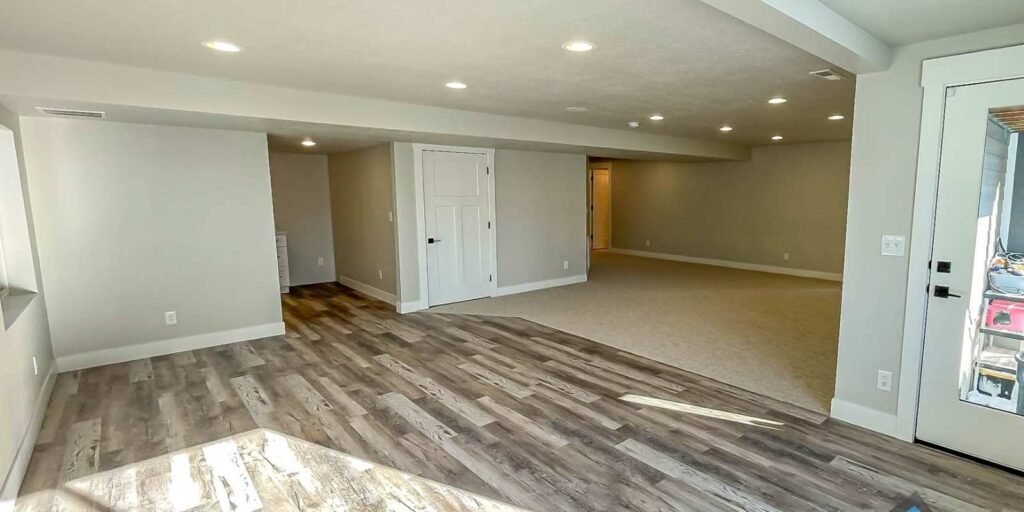
It is essential to understand the basement finishing permits Saratoga Springs residents need to kickstart their project. This is a crucial step before any construction starts, whether you are building a family room, home office, guest bedroom, or entertainment space.
Most basement finishing projects require local building officials’ approval, which surprises a lot of homeowners. You can prevent delays, failed inspections, and costly adjustments by being aware of the requirements for basement finishing permits in Saratoga Springs. This guide outlines the necessary permits, the approval procedure, inspections, and important building code requirements.
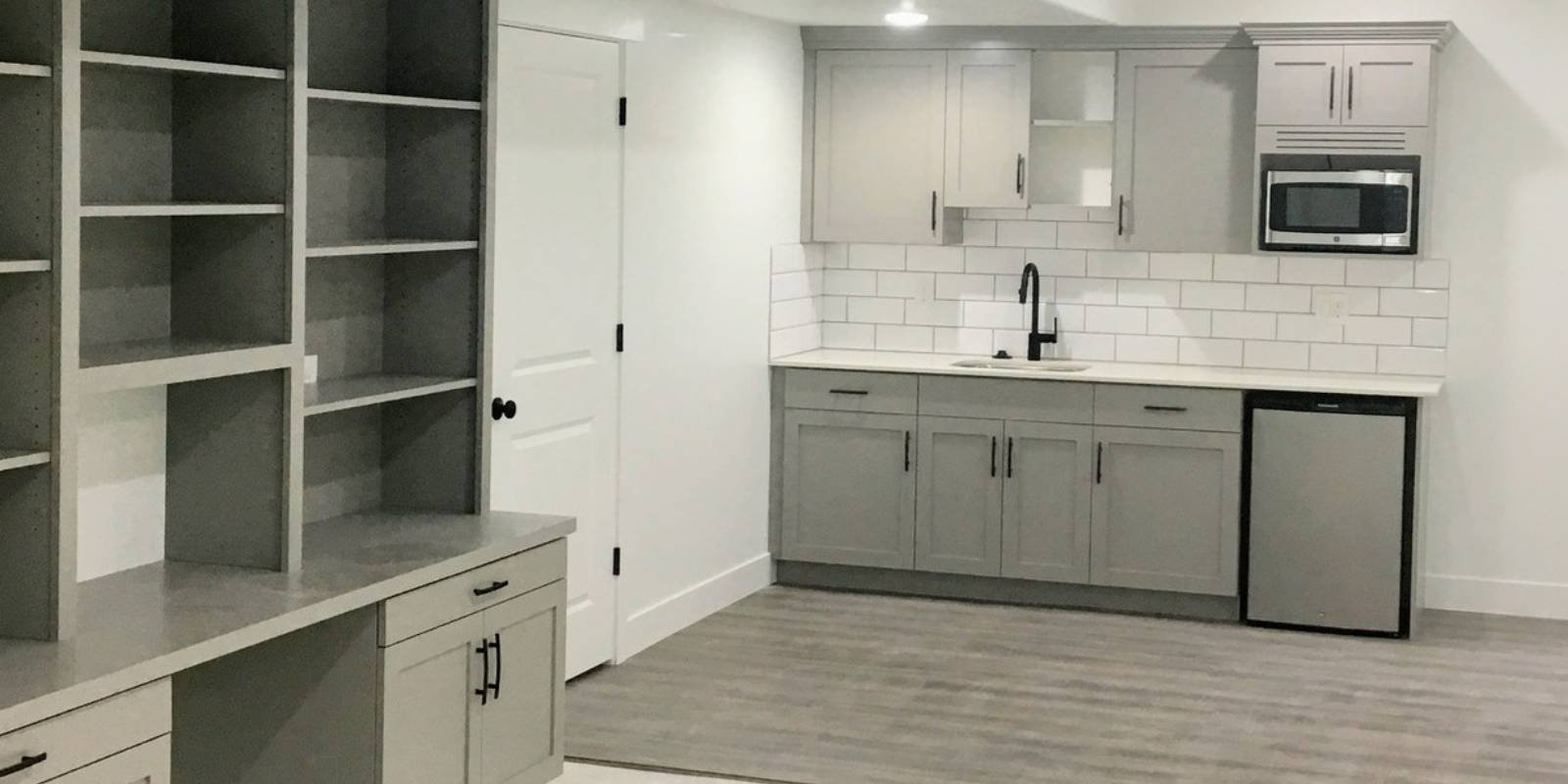
Do You Need a Permit to Finish a Basement in Saratoga Springs?
Yes, most of the time you need a basement finishing permits Saratoga Springs. When finishing a basement, a permit is needed because the job usually entails structural, electrical, plumbing, HVAC, or structural work.
Permits are frequently needed for the following projects:
- Adding egress windows to bedrooms
- Adding plumbing fixtures or bathrooms
- Adding rooms and walls
- Extending HVAC systems
- Setting up outlets and electrical wiring
Getting basement finishing permits Saratoga Springs ensures that the work complies with building rules and local safety regulations. Ignoring permits can lead to penalties, unsuccessful inspections, and difficulties when selling your house.
By adhering to local basement permit requirements, you can protect your investment and make sure your finished space is secure and compliant with the law. A finished basement permit that has been duly approved also serves as proof that the work was done in compliance with the regulations.
What Work Requires a Basement Finishing Permit?
Before work starts, approval is usually needed for a number of building projects.
Framing and Structural Changes
A basement construction permit is typically needed to build new walls, adjust load-bearing components, or modify support structures.
Electrical Installations
Permits and safety inspections are necessary for the installation of outlets, lighting fixtures, circuits, and electrical panels.
Plumbing Additions
Approval and inspections are necessary before adding sinks, showers, toilets, or other plumbing services.
HVAC Modifications
For basement finish projects, a permit may be needed to extend ducting or install heating and cooling components.
Bedroom and Bathroom Additions
A residential building permit is typically needed to create more bedrooms or bathrooms due to increased code requirements.
Homeowners should check permit for basement finish requirements with local building authority before starting any changes.
Basement Permit Process in Saratoga Springs
Understanding the permission procedure facilitates more efficient project management.
Step #1: Submit Plans and Applications
Completing a building permit application and submitting construction blueprints that outline the planned layout and scope of work are the first steps.
Step #2: Plan Review
Plans are reviewed by building inspectors to make sure they adhere to local laws and regulations.
Step #3: Wait Out the permit Approval Timeline
In Saratoga Springs, permit approval can take between 10 to 12 business days after the fees are settled. The complexity of the project and the completeness of the application affect the permit approval process.
Step #4: Schedule Inspections
Construction can start after approval. To ensure compliance, necessary construction inspections must be planned throughout the project. Delays and needless changes can be avoided by carefully adhering to each step.
Building Code Requirements for Finished Basements
Finishing a basement requires adhering to a number of basement building code Utah.
Ceiling Height Requirements
The minimum ceiling height requirements set by local codes must be met by finished spaces.
Emergency Egress Windows
Basement bedrooms need to have emergency escape openings that are the correct size. Complying with egress window regulations is crucial for emergency access and occupant safety.
Smoke and Carbon Monoxide Detectors
Carbon monoxide detectors and smoke alarms must be placed in specific areas of the house.
Stairway Safety Requirements
Basement stairs must adhere to safety regulations including headroom clearance, railings, and size.
Adhering to Utah’s finished basement code requirements helps guarantee that the finished space is secure and suitable for occupancy. Costly changes later on can be avoided by being aware of finished basement code requirements early in the planning process.
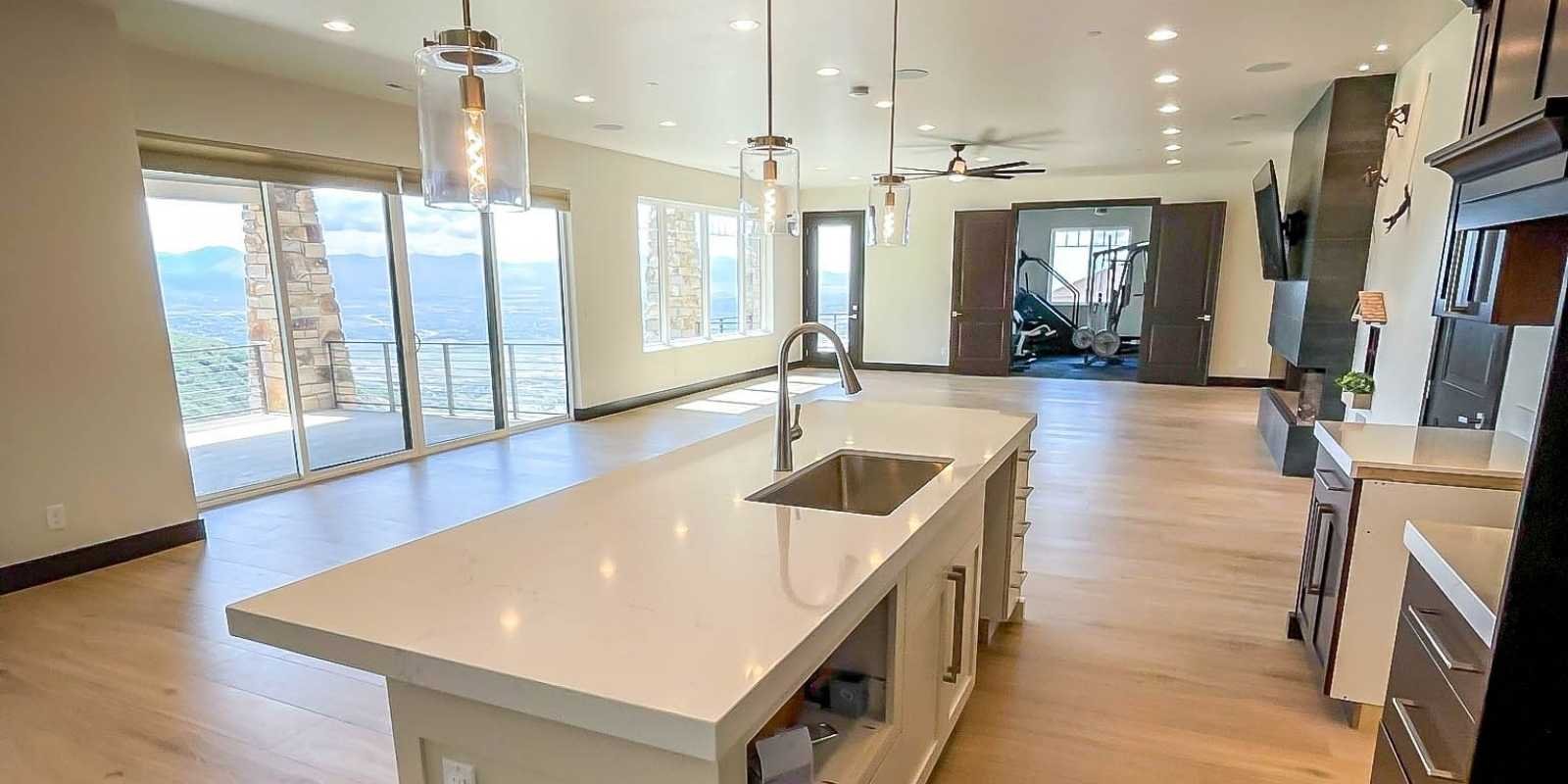
Required Inspections During Basement Finishing
Construction usually requires multiple inspections. This ensures that the project complies with relevant Utah building codes, ensuring a safe, long-lasting basement finish.
Framing Inspection
Before installing drywall, inspectors check structural components, wall framing, and building techniques.
Electrical Inspection
Electrical systems are inspected to make sure they are installed correctly and comply with safety regulations.
Plumbing Inspection
Plumbing work is inspected for code compliance and correct installation.
HVAC Inspection
Changes to the heating and cooling systems are inspected for performance and safety.
Final Inspection
Before the project is finished, a final inspection verifies that all work complies with applicable rules.
Basement inspections are a crucial step in the permit inspection process. A seamless approval procedure is ensured by meeting all building inspection requirements.
Common Permit Mistakes Homeowners Make
A lot of homeowners run into preventable problems when working on basement projects.
Starting Construction Before Approval
Project delays and permit violations could result from starting work before the permit is issued.
Missing Required Inspections
Ignoring inspections may lead to code compliance issues and necessitate opening finished walls for inspection.
Incomplete Applications
Permit approvals are frequently slowed down by missing information.
Ignoring Local Codes
Code compliance issues and expensive fixes may arise from violating local regulations.
You can protect your investment and the value of your house by avoiding unpermitted basement work.
How Long Does It Take to Get a Basement Permit?
The permit approval timeline depends on several factors.
Common factors include:
- Application completeness
- Plan review workload
- Project complexity
- Required revisions
Submitting correct and detailed designs helps speed up the basement permit processing time, even though approval times vary.
Homeowners can better plan their project schedule by being aware of the local building permit review procedure.
Benefits of Hiring a Professional Basement Finishing Contractor
The permit process might be made simpler by working with an experienced contractor.
Benefits of working with professional contractors for your basement finishing in Saratoga Springs:
- Assistance with permits and paperwork
- Coordinating inspections
- Improving overall project efficiency
- Reducing project delays
- Understanding local building codes
A knowledgeable basement finishing contractor Saratoga Springs can give necessary permit assistance throughout the project. A licensed contractor like CCS of Utah is aware of local regulations and can help in preventing common mistakes.
What Happens If You Finish a Basement Without a Permit?
Finishing a basement without permit can lead to serious issues. Possible consequences are:
- Delays when selling a home
- Failed inspections
- Penalties and fines
- Required corrective work
- Safety and liability concerns
An unpermitted basement can potentially lead to disclosure problems when buying or selling real estate. It is frequently more costly to address permit violations after construction than to get permits up front. Homeowners can make better choices if they are aware of the potential consequences of a basement permit.
Frequently Asked Questions
Do I need a permit to finish my basement in Saratoga Springs, Utah?
Yes, most basement finishing projects in Saratoga Springs require building permits before work begins. Electrical, plumbing, HVAC, framing, and egress modifications all typically require separate permit approvals. Permits ensure your project meets Utah building codes and local safety standards. Skipping permits can result in fines, failed inspections, or required removal of completed work.
How much does a basement finishing permit cost in Saratoga Springs?
Basement finishing costs for permit depend on project size and scope. Larger basements usually have higher fees. Electrical and plumbing work may increase the total cost. Always check updated city fee schedules before starting.
How long does it take to get a basement permit approved?
Permit approval timelines vary depending on project complexity and application completeness. Simple finishing projects with straightforward plans are typically reviewed faster. Larger or more complex submissions require longer review periods from city building officials. Incomplete or incorrect documents are the most common cause of processing delays.Approval time varies by project complexity. Simple applications may be processed faster. Complex plans require longer review periods. Delays can happen if documents are incomplete.
Are inspections required during basement finishing?
Of course, multiple inspections are required at different stages throughout the basement finishing process. Inspectors typically review framing, electrical rough-in, plumbing, HVAC, and insulation before walls are closed. A final inspection must be passed before the basement can be legally occupied. Failing any stage requires corrections and a re-inspection before construction can continue.
Can I sell my house with an unpermitted finished basement?
Absolutely, but an unpermitted basement can create serious complications during the home sale process. Buyers and their lenders may require permits, inspections, or code corrections before closing. Title companies and real estate agents are often required to disclose unpermitted improvements to potential buyers. Unresolved permit issues can reduce your home’s appraised value or cause the sale to fall through.
“Planning to finish your basement in Saratoga Springs? Contact CCS of Utah to learn how local building codes, permits, and inspections may affect your project and timeline.”