
It’s crucial to fully understand South Jordan city zoning rules for basements before you begin demolishing walls or putting up drywall. You must ensure your home meets the city’s zoning criteria for your basement finishing project, or risk costly rework or a forced demolition.
These local laws regulate the usage of your basement, prohibit the addition of a separate entrance, limit the number of occupants, and determine whether additional parking is necessary. Zoning violations may result in fines, delayed permits, or even the forced removal of finished work.
What Zoning Rules Mean For Basement Projects?
Many homeowners mistakenly believe that building codes and zoning laws are the same thing.
- Building codes focus on safety (structural, plumbing, and electrical)
- Zoning laws control the use of property
The following are determined under South Jordan zoning laws:
If you can build a rental unit
- If it is permitted to have an accessory dwelling unit (ADU)
- Occupancy limits
- Parking requirements
- Permissions for exterior entrances
Before doing any remodeling, find out whether zoning laws in South Jordan apply to the zoning district of your home. Different neighborhoods have different levels of flexibility.
Knowing the local South Jordan city zoning rules for basements will help you avoid designing a place that is later rejected while the permit is being reviewed.
Basement Use Restrictions In South Jordan
It’s not permitted to turn every finished basement into a rental unit.
Bedroom & Egress Requirements
When adding a bedroom, it needs to adhere to South Jordan basement rental rules:
- Minimum area in square feet
- Emergency egress window requirements
- Appropriate ceiling height
- Access to a safe exit
Complying with basement egress requirements is essential for both occupancy approval and fire safety.
Rental Basements & ADUs
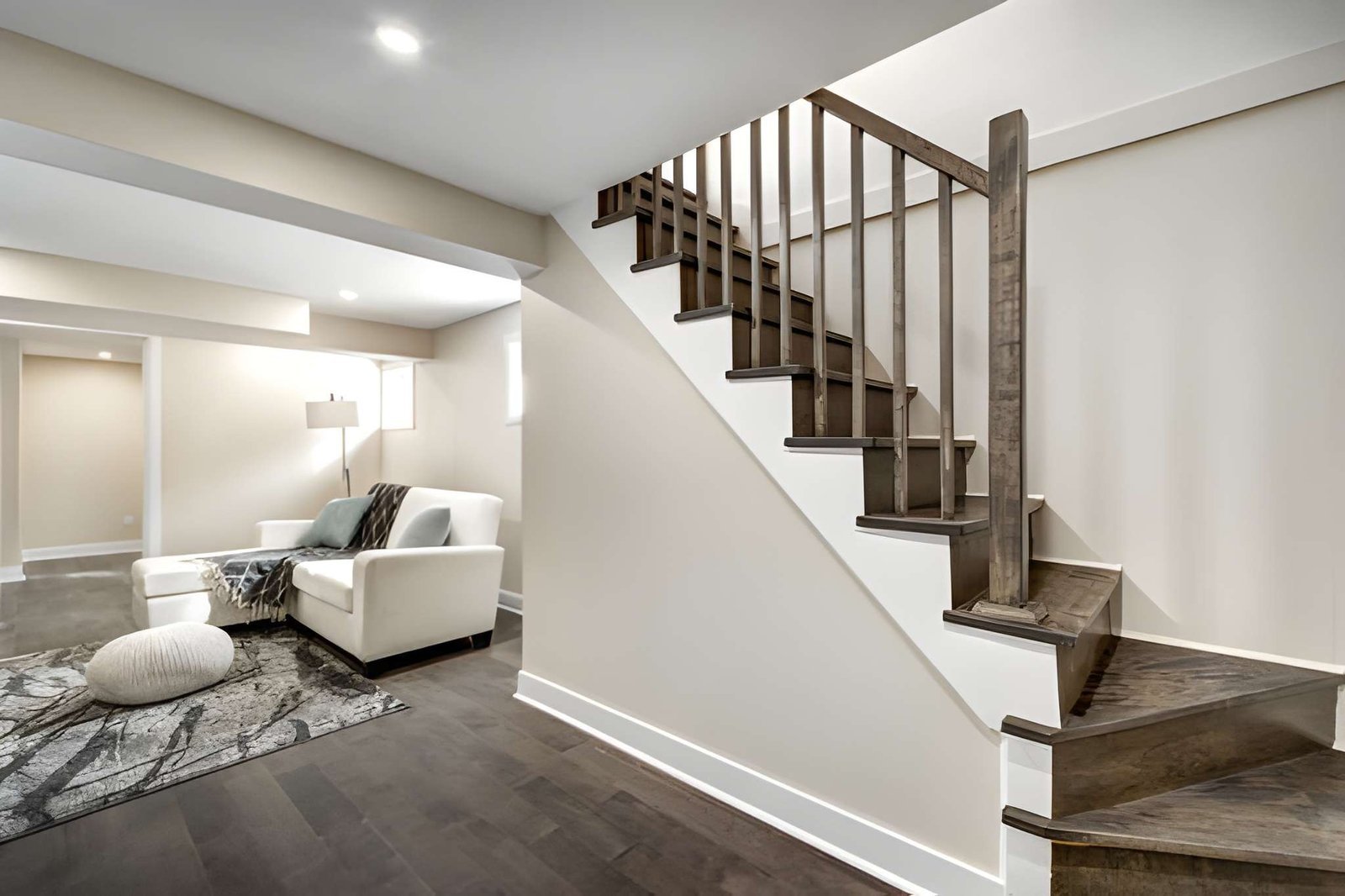
Basement apartments are only permitted in South Jordan under the following conditions:
- The property passes zoning district standards
- Parking regulations are met.
- Owner-occupancy regulations are adhered to, if any
- The area complies with all building and safety regulations
You can’t just turn a basement into a rental space without making sure it complies. Zoning approval is often required before applying for a building permit.
Occupancy Limits
Local laws may limit:
- Number of unrelated occupants
- ADU’s total square footage
- The percentage of a house that is rented out
Future compliance problems can be avoided by being aware of these issues.
Setback, Lot Coverage, And Property Line Rules
A separate entry or walk-out basement is something that many homeowners prefer. South Jordan zoning setbacks, however, can affect your design.
Exterior Entrance Restrictions
Adding:
- Below-grade entrances
- Exterior stairwells
- Walk-out doors
Rules for the basement outside entrance must be followed.
Failures limit your ability to build:
- Fences and neighboring homes
- Rear property lines
- Side property lines
You might not be able to make many changes if your lot is small or already constructed near the boundary.
Yard & Lot Coverage Compliance
Moreover, zoning districts control:
- The maximum percentage of lots covered
- Landscaping requirements
- Hardscape limitations
Zoning reviews can be triggered by even minor structural additions.
Parking And Separate Entrance Requirements
When it comes to basement apartment zoning South Jordan, parking is one of the most frequent problems.
When More Parking Is Needed
If you’re adding:
- An ADU
- A separate rental unit
You may need:
- An extra parking spot off the street
- Improved accessibility to the driveway
- Adequate street clearance
The purpose of these ADU parking requirements is to avoid traffic in the area.
Driveway & Access Compliance
Your driveway needs to:
- Comply with the necessary width
- Allow safe vehicle access
- Avoid blocking sidewalks or fire lanes
One of the main reasons for permit delays is parking noncompliance.
Ceiling Height And Habitable Space Requirements
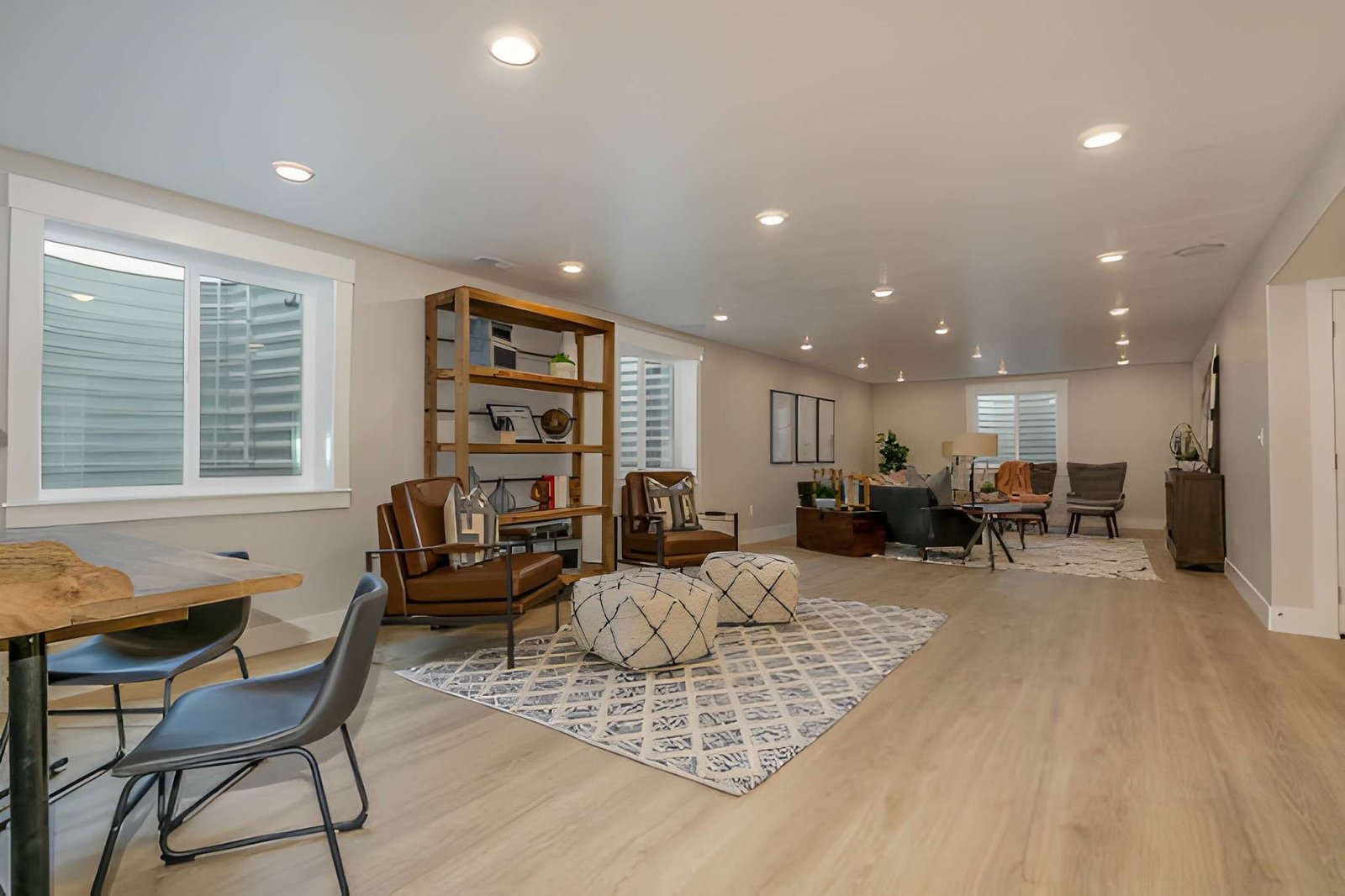
Even if your basement is permitted by the zoning, it still needs to be livable.
Minimum Ceiling Height
According to the basement ceiling height code:
- Habitable spaces need to have a minimum ceiling height, which is typically seven feet; local measurements are required
- There may not be many exclusions for beams and ducts
Mechanical Room Exceptions
Lower height restrictions may apply to utility rooms, but:
- Bedrooms
- Kitchens
- Living areas
Must fulfill all height requirements.
Natural Light & Ventilation
A space usually has to meet the following requirements to be considered a habitable basement:
- Adequate natural light
- Emergency escape openings
- Proper ventilation
Both comfort and safety are protected by these habitable basement requirements.
Permits And Approval Process In South Jordan
Find out if you need a South Jordan basement permit before starting your project.
When Zoning Review Is Required
- A zoning review is frequently required if you:
- Adjust the purpose of the basement
- Add a rental unit
- Install a separate entrance
- Make changes to the external structure
It is frequently necessary to get Utah zoning approval first before issuing a building permit.
Steps To Apply For A Permit
1. Send in architectural blueprints
2. Complete zoning review
3. Submit a building permit application
4. Arrange for inspections
5. Receive final approval
Inspections confirm that zoning, safety, and structural requirements are being met.
Ignoring permits can cause major issues when you try to sell your house.
Common Zoning Violations In Basement Remodels
Unknowingly, a lot of households break the city’s basement zoning violations in South Jordan.
Typical Problems Include:
- Basement flats that are not permitted
- Unauthorized separate entrances
- Not enough parking spaces
- Non-compliant ceiling heights
- Missing egress windows
These zoning violations in basements may lead to:
- Fines
- Insurance coverage issues
- Required demolition
- Stop-work orders
Illegal basement conversions may also cause issues when a home is being refinanced or sold.
Why Working With A Local Basement Contractor Matters
It can go more smoothly if homeowners choose an experienced and trustworthy basement contractor South Jordan.
Benefits of Local Expertise
A skilled contractor like CCS of Utah is aware of:
- ADU approval process
- Inspection standards
- Local zoning districts
- Parking requirements
They can:
- Design compliant layouts
- Manage documentation
- Organize inspections
- Prevent costly rework
Expert basement remodeling guarantees that your project complies with all Utah laws right away.
Frequently Asked Questions
1. Do I need zoning approval to finish my basement in South Jordan?
Yes, depending on how the space will be used, zoning approval can be necessary. It is nearly always necessary to inspect rental units and structural modifications.
2. Can I legally add a basement apartment in South Jordan?
Only if your property complies with the building, parking, occupancy, and zoning regulations.
3. What are the ceiling height requirements for basements?
According to municipal building requirements, livable spaces must meet a minimum height requirement.
4. Are separate entrances allowed for basement units?
They could potentially be allowed, but only after adhering to zoning and setback laws.
5. What happens if I remodel without proper zoning approval?
You might be subject to penalties, permit rejection, necessary changes, or having finished work removed.
“Planning a basement remodel in South Jordan? Make sure your project meets all zoning requirements. Schedule a consultation with experienced local basement remodeling professionals today and build with confidence.”