
Converting your South Jordan basement into a rental property can be an effective way to boost your income. However, you must be aware of the legal requirements for rental basements before you market your space for rent. While many Utah landowners view basement apartments as a great option due to the state’s growing housing needs, they need not ignore the legal stuff and risk the costly consequences.
If a basement is rented out without the required permits or inspections, fines, complications with insurance, and even forced tenant removal may result. The good news? You may build a safe and permitted living area and comply with all legal requirements for rental basements with the proper preparation and professional guidance.
Overview Of Legal Requirements For Rental Basements
Your South Jordan property must adhere to basement rental compliance, local building, and zoning regulations before you may rent out your basement.
- The following are important areas:
- Approval of basement apartment zoning
- Habitability requirements
- Adherence to fire safety regulations
- Required inspections and permits
South Jordan complies with both municipal and state building codes in Utah. These guidelines guarantee that rental apartments are habitable and safe. Both you and your tenants are protected when you comply with the legal rental basement requirements.
Noncompliance may lead to:
- Code violations
- Daily fines
- Legal liability
- Revoked rental privileges
Egress And Emergency Exit Requirements
One of the main concerns with rental properties is safety. Appropriate emergency exits are among the most significant legal requirements for rental basements.
Egress Window Rules
Basement bedrooms need to have:
- An appropriately sized window for egress
- The minimum height and width of the opening
- Simple access to the ground floor
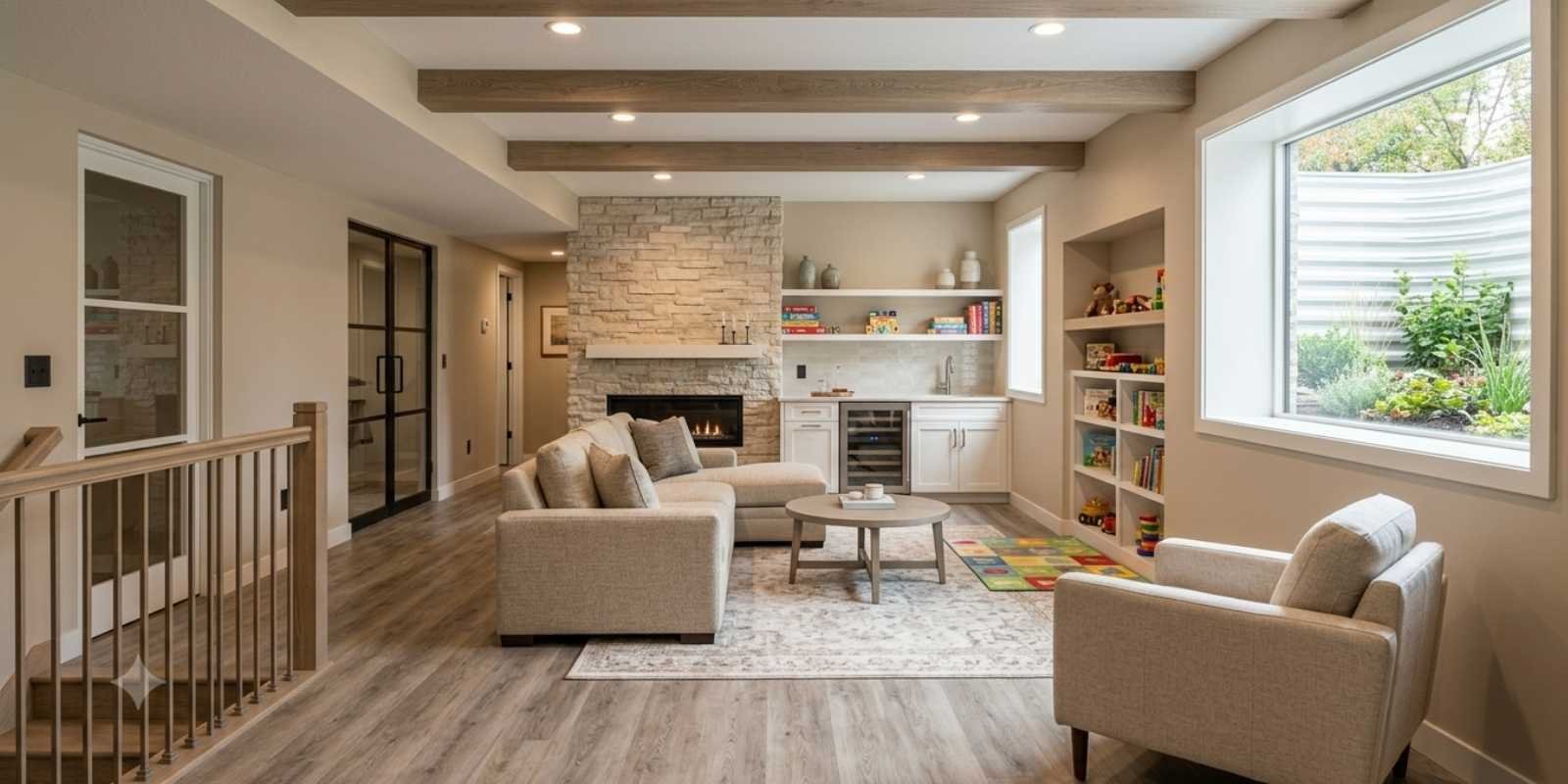
- A window well with ladder access (if below grade)
Egress windows let tenants evacuate in an emergency and provide firefighters with access if necessary.
Why It Matters
Without proper egress:
- Tenants may become trapped in the event of a fire
- You might not pass the inspection
- Your unit might be found to be illegal
According to the Utah building code and rental basement safety code, meeting basement egress requirements is a must.
Fire Safety And Separation Standards
Another important part of the legal requirements for rental basements is fire prevention.
Features Required For Fire Safety
You need to have the following fire code for rental basement:
- Detectors for smoke in every bedroom
- Detectors of carbon monoxide
- Drywall between units that is fire-rated
- Appropriate fire separation in the ceiling
- Doors that close on their own (if necessary)
Additional fire barriers can be needed if your basement and the main house share utilities.
Utah basement fire requirements are strict due to the higher risk associated with multi-family living environments. Fire-rated materials allow residents more time to run away by slowing the spread of fires.
Ceiling Height And Space Requirements
Not every basement can be legally rented out. Both room size and ceiling height are important.
Basement Ceiling Height Code
Utah normally requires:
- The ceiling height in living rooms must be at least seven feet
- A little less space is permitted in some places, such as beams
- Enough headroom above stairs
Before being approved, low ceilings could need structural changes.
Room Dimensions
The minimum square footage criteria must be met by each bedroom. Also, living areas need to have enough natural light and ventilation.
Tenants are guaranteed safe and comfortable living conditions thanks to these structural guidelines, which are an essential part of the basement building requirements Utah.
Plumbing, Electrical, And HVAC Code Compliance
Modern safety requirements must be met by your systems before you may rent.
Electrical Requirements
- Code-compliant wiring
- Ground-based outlets
- Proper circuit capacity
- Separate panel (in some cases)
Basements frequently fail inspections due to electrical code rental basement issues.
Plumbing Standards
Basements for rentals must have:
- Approved drainage systems
- Appropriate venting
- Backflow prevention
- Safe water heater access
Heating And Ventilation
Each rental property needs to have:
- Appropriate ventilation
- Safe HVAC installation
- Sufficient heat source
Updated systems have to be installed to comply with South Jordan’s legal standards and plumbing requirements Utah for rental basements.
Insulation And Energy Efficiency Standards
Utah experiences hot summers and severe winters due to its climate. For rental basements to stay efficient and comfortable, they must adhere to energy code standards.
Utah Energy Code Basement Requirements
This includes:
- Energy-efficient windows
- Proper wall insulation
- Sealed ductwork
- Vapor barriers
Insulation regulations for basements help in preventing mold growth and moisture issues.
Long-term safety and efficiency are ensured by energy compliance, which is a part of the general legal requirements for rental basements.
Permit And Inspection Process In South Jordan
Getting the right permits is one of the most important responsibilities.
South Jordan Building Permit Process
Before building or converting:
1. Send in the building blueprints
2. Submit a permit application
3. Schedule for inspections while the building is ongoing.
4. Complete final inspection
5. Get an occupancy certificate
Legally, you cannot rent your basement without the city’s permission.
By doing rental basement permit process, you can make sure that your apartment satisfies every legal requirement for rental basements before the tenants start moving in.
Risks Of Renting An Unpermitted Basement
Some homeowners want to avoid getting a permit. Unpermitted basement rental risks can have serious consequences like basement code violations.
Legal Liability
You might be sued if a tenant gets hurt in an unpermitted unit.
Insurance Issues
Claims for unauthorized rental units may be rejected by insurance providers.
Fines and Forced Evictions
The city can:
- Issue fines every day
- Demand costly upgrades
- Forcibly evict tenants
- Shut down the unit
Renting an unpermitted basement might be significantly more expensive than doing the project right the first time.
Why Hiring A Professional Basement Contractor Matters?
It can be intimidating to understand building codes. For this reason, a lot of homeowners work with professional basement contractor South Jordan.
A professional contractor like CCS of Utah can:
- Accurately interpret local codes
- Create a compliant layout
- Properly install fire-rated materials
- Prepare for inspection
- Avoid costly mistakes
By working with a professional, you can make sure it is completed on time and have legal basement conversion.
From planning to final approval, professionals can help you move smoothly because they fully understand South Jordan’s building requirements.
Frequently Asked Questions
1. What are the legal requirements for a rental basement in Utah?
Before occupancy, rental basements must comply with zoning laws, fire safety codes, egress rules, ceiling height standards, and pass inspections.
2. Do I need a permit to rent out my basement in South Jordan?
Yes. Renting your basement legally requires permits and inspections.
3. What size egress window is required for a basement bedroom?
To guarantee a safe emergency escape, the Utah construction code establishes minimum opening width, height, and total open area.
4. Can I rent my basement without upgrading the electrical or plumbing?
No. Every system needs to adhere to the most recent safety and building codes.
5. What happens if I rent an unpermitted basement?
You might have to deal with penalties, legal action, denied insurance, and evicted tenancy.
“Planning to turn your basement into a legal rental unit? Speak with South Jordan basement remodeling experts to ensure full code compliance and safe, approved results.”