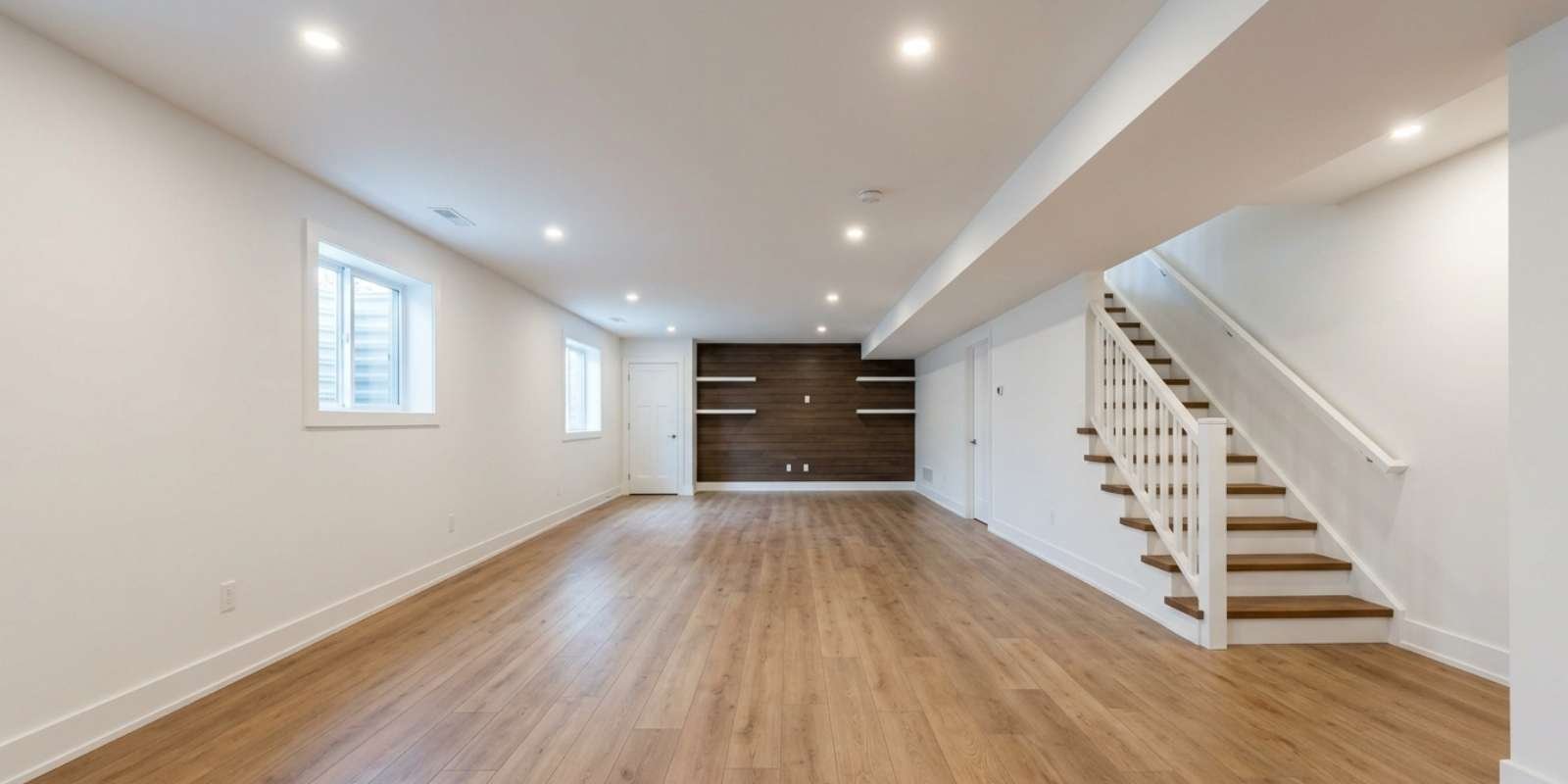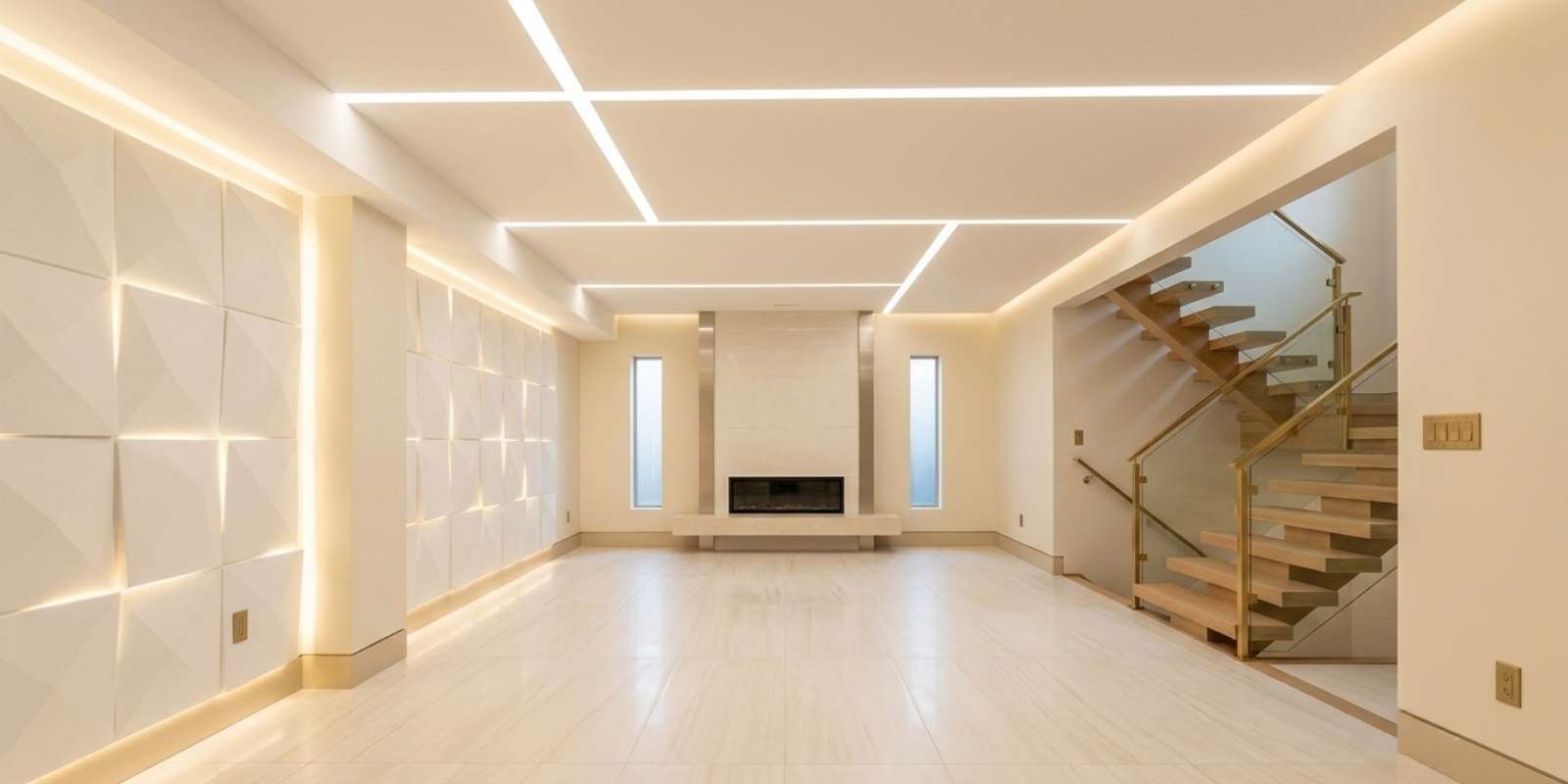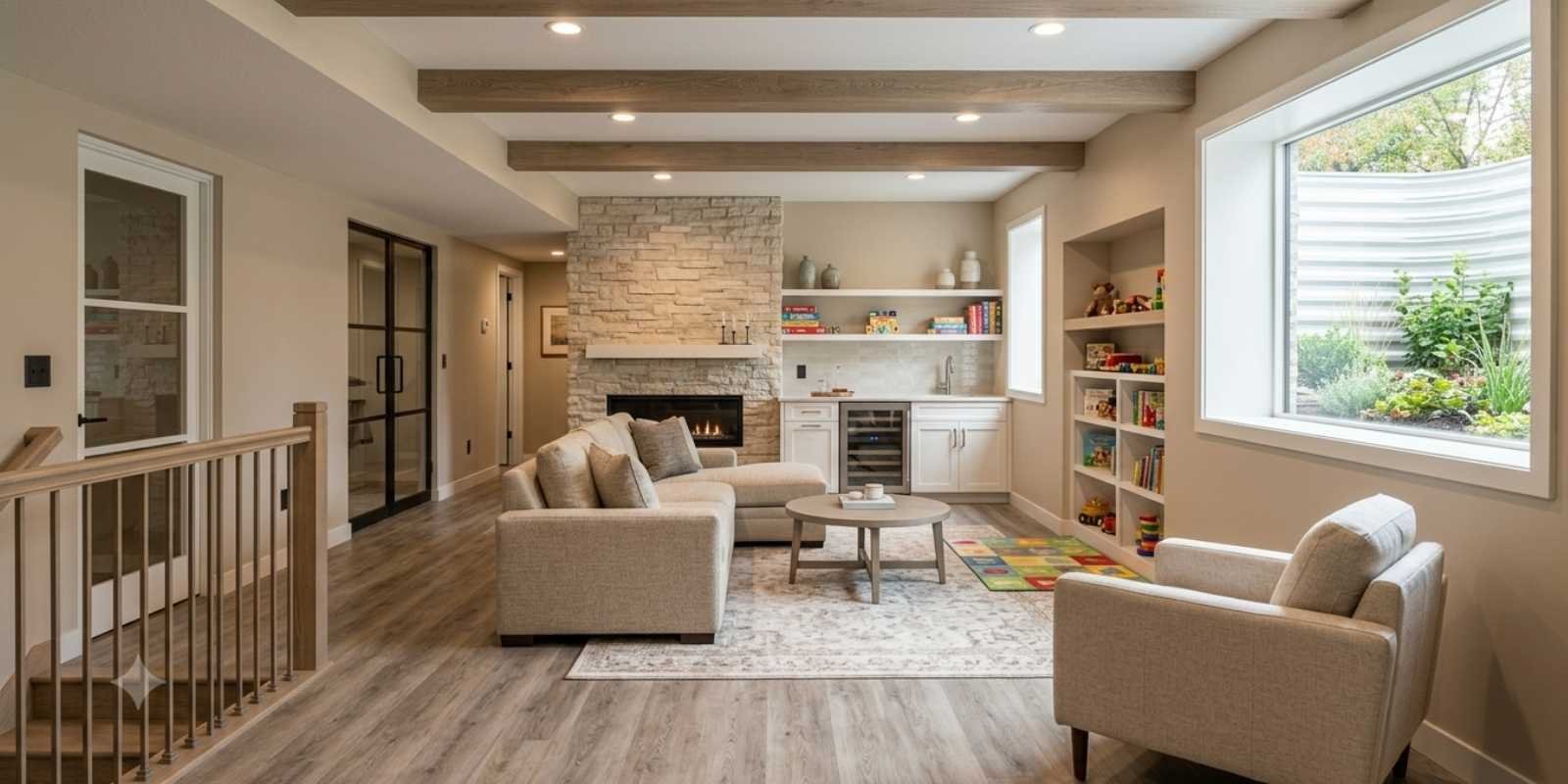

The summers in South Jordan can make basements unpleasant, hot, and humid. How to keep your basement cool in summer involves upgrading cooling systems, ventilation, and insulation. This addresses the issue of basements retaining heat even when they are underground. Inadequate ventilation causes the warm air from the higher floors to descend and become trapped in the lower level.
Even when the rest of the house seems fine, many South Jordan homeowners complain that their basements feel warm, stuffy, or humid during the summer months. You can make your basement more pleasant and cooler by following these simple tips on how to keep basement cool in summer.
Why Basements Overheat In South Jordan Summers?
There are various reasons why basements overheat. It is easier to resolve the issue once you are aware of these factors.
Poor Ventilation
There is little to no ventilation in most basements. Heat buildup becomes a major problem when there is no movement of fresh air in and out. Also, stagnant air gives the impression that the room is warmer than it is.
Insufficient Insulation
Insulation problems are prevalent in South Jordan’s older homes. The temperature inside the basement rises when heat from the outside penetrates through the floors or walls.
Heat Transfer From Upper Floors
Heat can still travel down through floors, ducting, and open stairwells even though warm air rises. Particularly in two-story homes, this causes heat to be transferred into the basement.
Ductwork Issues
Your basement may become hotter due to leaky or improperly positioned ductwork. Sometimes the system simply provides warm air to the basement because the cooling circulation is insufficient.
The basement warms very quickly when these issues are combined. Upgrading cooling systems, addressing insulation issues, and increasing basement airflow all contribute to the room’s comfort.
DIY Ways To Keep Your Basement Cooler
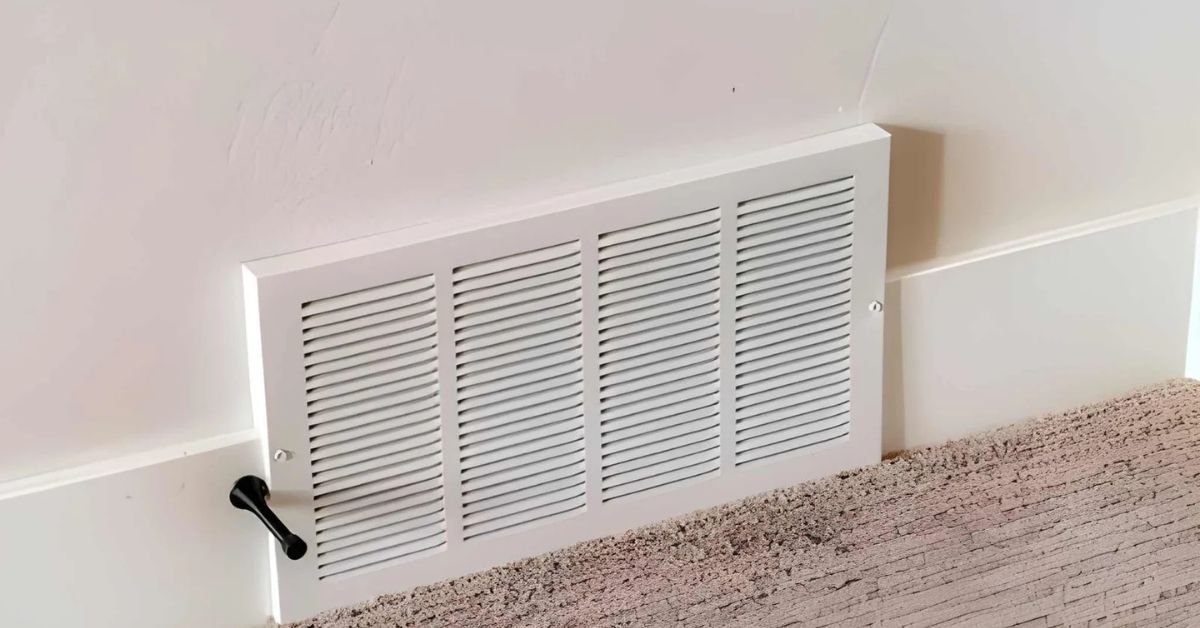
You don’t always have to hire a contractor first. Many simple steps can make a big difference.
1. Boost Airflow In The Basement
The quickest method to cool a basement is to boost airflow. You can:
- Open windows in the morning or evening when it’s cooler
- Install or clean vent covers
- Run ceiling or floor fans to circulate air
- Use box fans to push hot air out
- Check that the basement ventilation paths are unobstructed
Heat buildup is lessened by even minor changes in airflow.
2. Make Use Of A Dehumidifier
Heavy, humid air can be removed from basement spaces with a dehumidifier for basement. Although South Jordan’s summer humidity may not be as extreme as that of coastal areas, basements can retain more moisture than other floors. Lower humidity makes the environment feel cooler and eliminates musty odors.
3. Seal Gaps And Air Leaks
Air sealing maintains cold air inside and increases energy efficiency. Look for:
- Cracks around windows
- Gaps where pipes enter walls
- Spaces around old framing
You may prevent unwelcome warm air from entering your basement from the upper floors or from the outdoors by caulking or foaming these spaces.
4. Install Thermal Or Blackout Curtains
Even though the windows in the basement are small, sunlight still heats the space. Heat transfer is prevented by thermal or blackout curtains. They also aid in year-round temperature regulation.
Professional Cooling Solutions For South Jordan Homes
If do-it-yourself measures aren’t sufficient, a nearby contractor can provide more significant upgrades suited to Utah’s environment and guide you on how to keep basement cool in summer.
1. Upgrade Basement Insulation
basement insulation South Jordan frequently has to be improved, particularly in older homes. Among the options are Fiberglass batts, rigid foam board, and spray foam.
Heat transfer via walls and floors is decreased with improved insulation. In chilly winters and hot summers, it helps in preserving consistent temperatures.
2. Improve HVAC Or Add Dedicated Cooling
You might need upgrades if your HVAC system isn’t providing the basement with adequate cold air.
Common HVAC basement solutions include:
- Extending cold-air ducts
- Balancing airflow throughout the home
- Adding a variable-speed blower
- Installing a mini-split AC system for direct cooling
Because a mini-split operates separately from the main HVAC system, it is among the most effective ways to cool a basement.
3. Add Window Upgrades Or Egress Windows
Finished basements frequently need egress windows. They also enhance natural light and airflow. Newer windows help control indoor temperatures by reducing heat transfer.
4. Finishing The Basement To Regulate Temperature
Well-designed finished basements naturally remain cooler. Moisture barriers, thermal-resistant insulation, an appropriate frame, airtight drywall construction, and high-quality flooring materials are some helpful features.
Temperature regulation is made easier and more durable when every aspect operates together.
Why Hire A Local Basement Contractor In South Jordan?
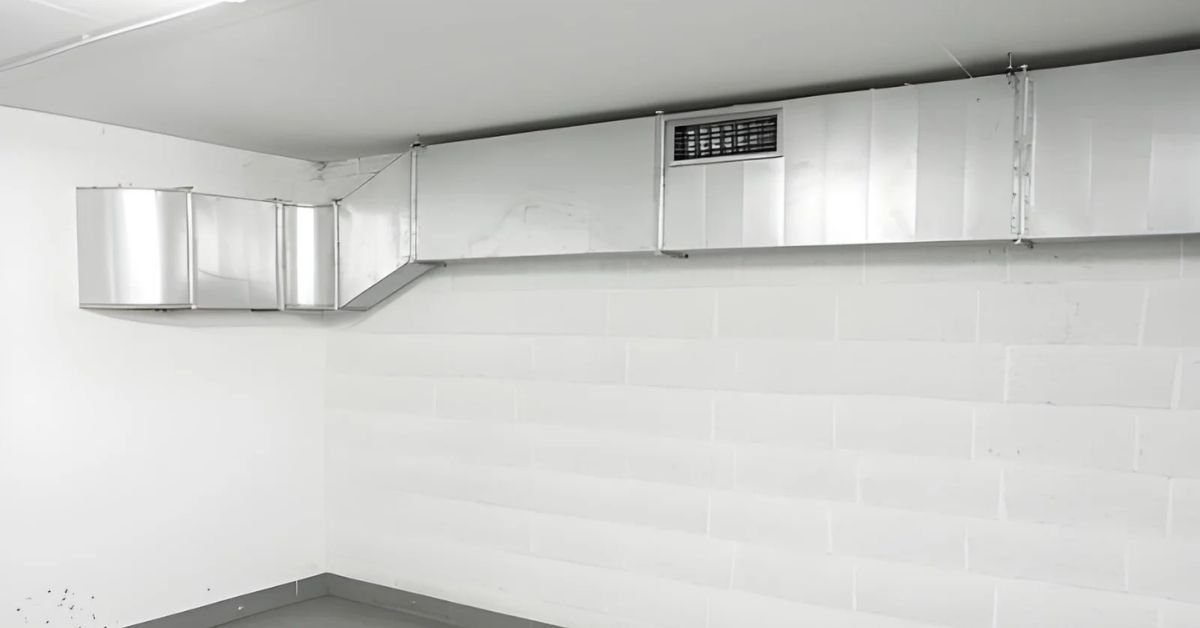
Local contractors such as CCS of Utah are familiar with the land and environment of South Jordan. Basement habit is influenced by Utah’s dry heat, seasonal temperature fluctuations, and chilly winters. A local professional can help you on how to keep basement cool in summer and suggest safe and efficient modifications because they are knowledgeable about city building codes.
Other benefits include:
- Faster response times;
- Familiarity with localities and typical home designs
- Availability of reputable local suppliers
- Customized insulation and cooling options for your house.
Instead of guessing what will help you, you will receive meaningful guidance.
Cost Vs. Value: Is Professional Cooling Worth It?
At first, upgrading basement cooling could seem like a costly expense. However, the long-term benefits frequently outweigh the costs.
Energy Savings
Improved air quality through sealing and insulation will lessen the strain on your HVAC system. During the sweltering summers in South Jordan, this reduces utility bills.
Comfort
The entire house is more comfortable when the basement is cooled. Additionally, it creates additional living space for family activities.
Moisture And Mold Prevention
Mold and moisture-related issues are less likely to arise in cooler areas with consistent ventilation.
Home value
A well-insulated, finished basement adds value to a home and draws buyers seeking more space.
Professional upgrades do more than just cool your basement; they also protect your house and increase comfort all year long.
FAQs
1. What’s the most effective way to cool a basement in summer?
Improving airflow and adding suitable insulation provide the best outcomes. A mini-split air conditioning system is also beneficial for many households.
2. Do I need better insulation to keep my basement cool?
Yes, most of the time. One of the primary causes of heat retention in basements is inadequate insulation.
3. Can an HVAC technician extend airflow to my basement?
Yes. Cooling can be improved by duct extensions or airflow balance.
4. What upgrades help South Jordan basements stay cooler?
Mini-split systems, air sealing, window upgrades, and insulation upgrades are all effective in Utah’s hot, dry summers.
5. Does finishing a basement help regulate temperature?
A well-finished basement with insulation and moisture barriers will be more stable and cooler all year round.
Ready To Cool Your Basement?
Ready to make your basement cooler and more comfortable? Contact our South Jordan basement experts for insulation upgrades, ventilation improvements, and custom cooling solutions.