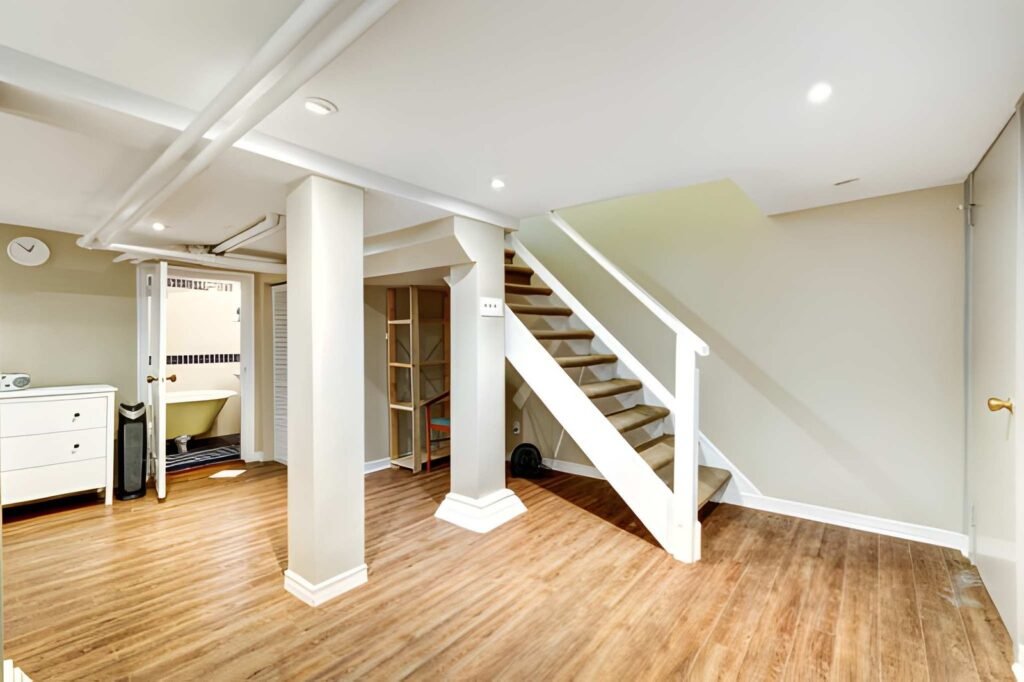
Knowing the finished basement disclosure requirements is crucial if you’re selling a South Jordanian house. According to Utah law, sellers must disclose unapproved construction, safety concerns, and known flaws. Proper disclosure is particularly crucial because finished basements frequently require structural, plumbing, and electrical changes. Neglecting to report a basement issue may result in legal challenges, negotiations for repairs, or postponed closings.
Before advertising your property, make sure your finished basement meets local standards by following this guide.
What Are Finished Basement Disclosure Requirements?
The term “finished basement disclosure requirements” refers to a seller’s legal need to notify buyers of any known risks, safety concerns, or construction-related problems with the basement. Sellers in Utah real estate transactions must disclose any significant flaws that can compromise the safety or value of the property.
The following are typical disclosure areas:
- Mold remediation history
- Past floods or water damage
- Plumbing and electrical installations
- Renovation permit records
- Structural modifications
Transparency benefits both the seller and the buyer. Clear disclosures and basement compliance increase trust during negotiations and lower the likelihood of disagreements after closing.
Do You Need To Disclose Basement Permits?
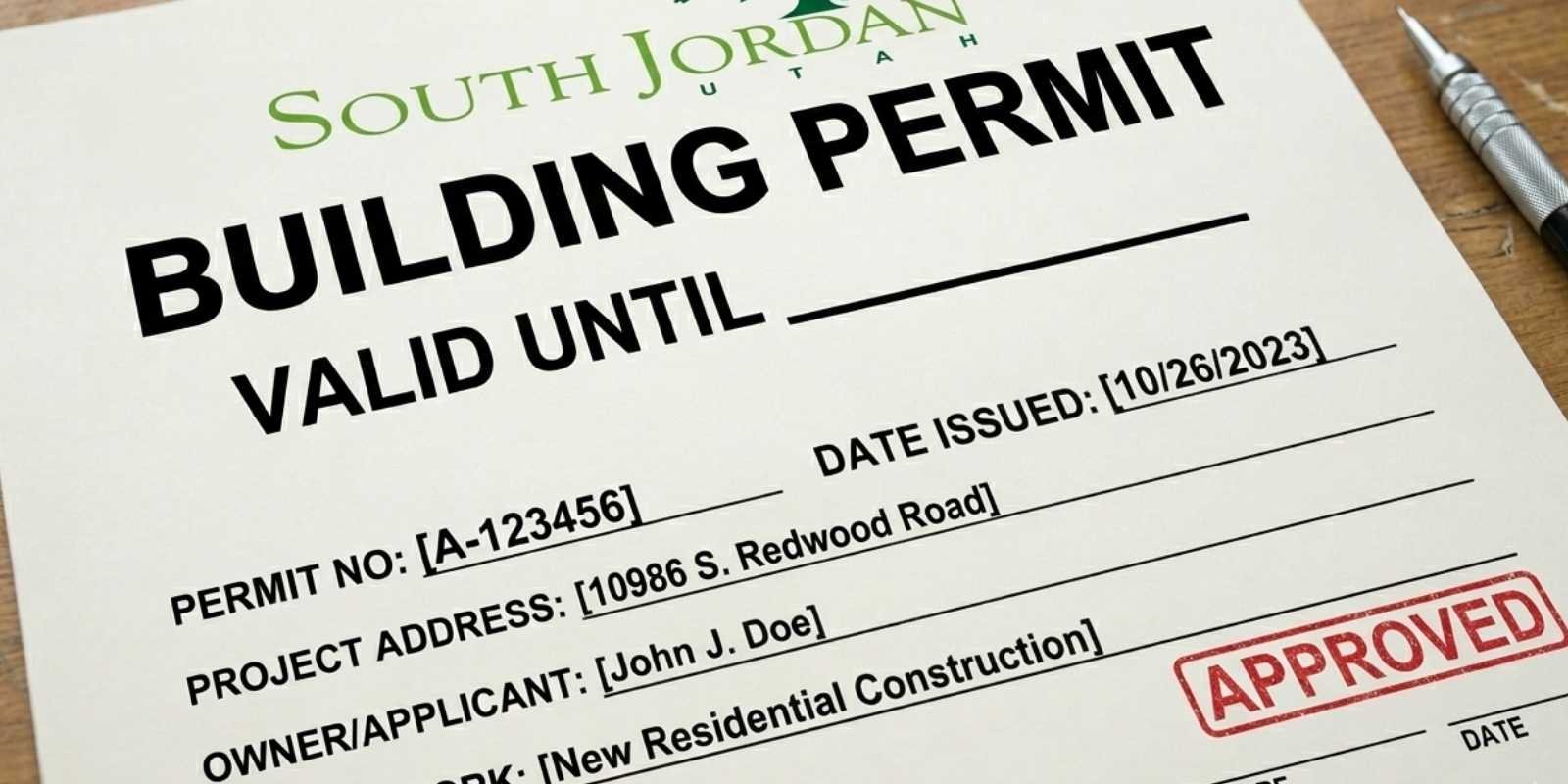
Yes. Sellers should reveal whether inspections were finished and whether permits were granted for basement renovations. Buyers frequently request verification that the finished basement complies with building codes.
Many homeowners finish their basements years after they are built. However, the work can be regarded as unpermitted remodeling if permissions were never acquired.
South Jordan building permit are usually needed for the following types of basement projects:
- Electrical system upgrades
- Plumbing installation
- Structural changes
- Adding more bedrooms
- HVAC system installation
Several problems might arise from unpermitted basement work:
- Safety issues brought on by a lack of inspections
- Difficulty during home appraisal
- Insurance complications
- Buyer hesitation or negotiation requests
Unauthorized work does not automatically block a sale, but if the buyer finds out later, there could be legal penalties if it is not disclosed.
Structural And Safety Issues That Must Be Disclosed
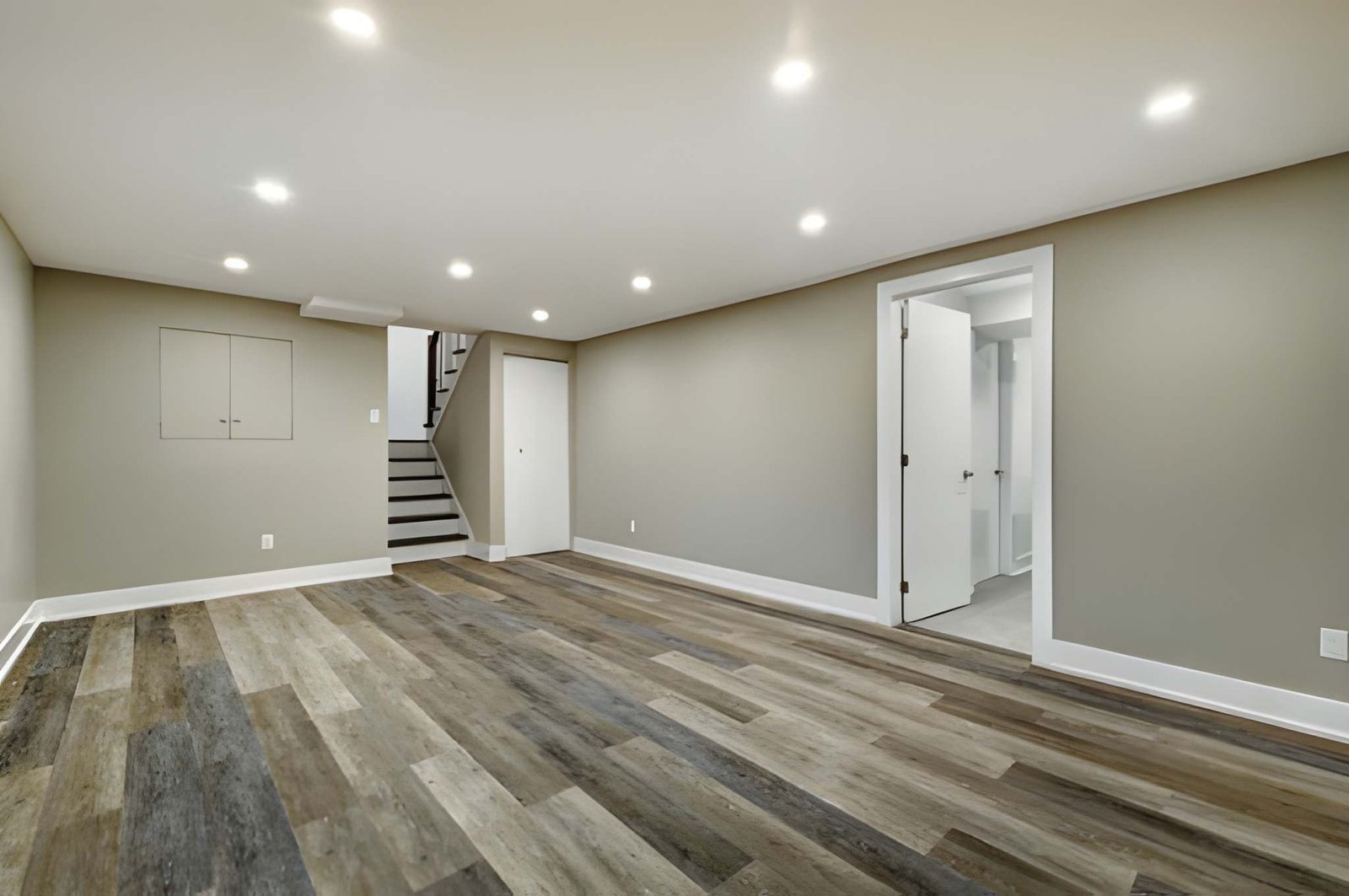
One of the most important matters to disclose when selling a house with a finished basement is structural, safety concerns, and basement code compliance. Buyers must be aware of any issues in the basement that can compromise long-term stability or safety.
Common structural disclosures include:
Foundation Cracks
Larger cracks could be a sign of drainage issues or structural movement, while smaller cracks can happen naturally.
Water Intrusion Or Flooding History
It is necessary to mention any previous sump pump failures, drainage problems, or basement flooding.
Electrical Or Plumbing Modifications
Buyers should be aware of whether any plumbing or wiring that was added during the restoration of the basement was done by professionals.
Egress Window Compliance
Egress windows are usually needed in finished basement bedrooms for emergency escape. There may be a safety risk if these windows are absent or the wrong size.
By disclosing these problems, buyers can better understand the property’s existing condition and prevent unforeseen repair costs once they move in.
Moisture And Mold Disclosure In Finished Basements
One of the most frequent issues with finished basements is moisture. Basements are particularly susceptible to mold growth, moisture, and water incursion since they are below ground level.
Any known basement moisture problems should be disclosed by sellers, including:
- Previous leaks in the basement
- Waterproofing repairs
- Mold treatment or remediation
- Installations of drainage systems
Documentation for mold removal or basement waterproofing helps calm buyers and reduce worries during inspections.
How South Jordan Building Codes Impact Basement Disclosures?
A finished basement’s compliance with safety and Utah construction standards is mostly determined by local building codes. Buyers frequently demand renovations to adhere to modern regulations, even if they were finished years ago.
The following are some building code areas that affect basement disclosures:
Egress Window Requirements
Basement bedrooms typically need windows big enough for an emergency evacuation.
Ceiling Height Standards
For a finished basement to be considered livable, it usually needs to have a minimum ceiling height.
HVAC And Electrical Systems
Heating systems, outlets, and electrical wiring in basements must adhere to safety regulations.
Inspection Approvals
Documentation can verify that the basement complies with local building codes if inspections were carried out during the remodeling.
It’s not always a deal-breaker if your basement doesn’t fit certain requirements. However, disagreements may arise during the closing process if these requirements are not disclosed.
What Happens If You Fail To Disclose Basement Issues?
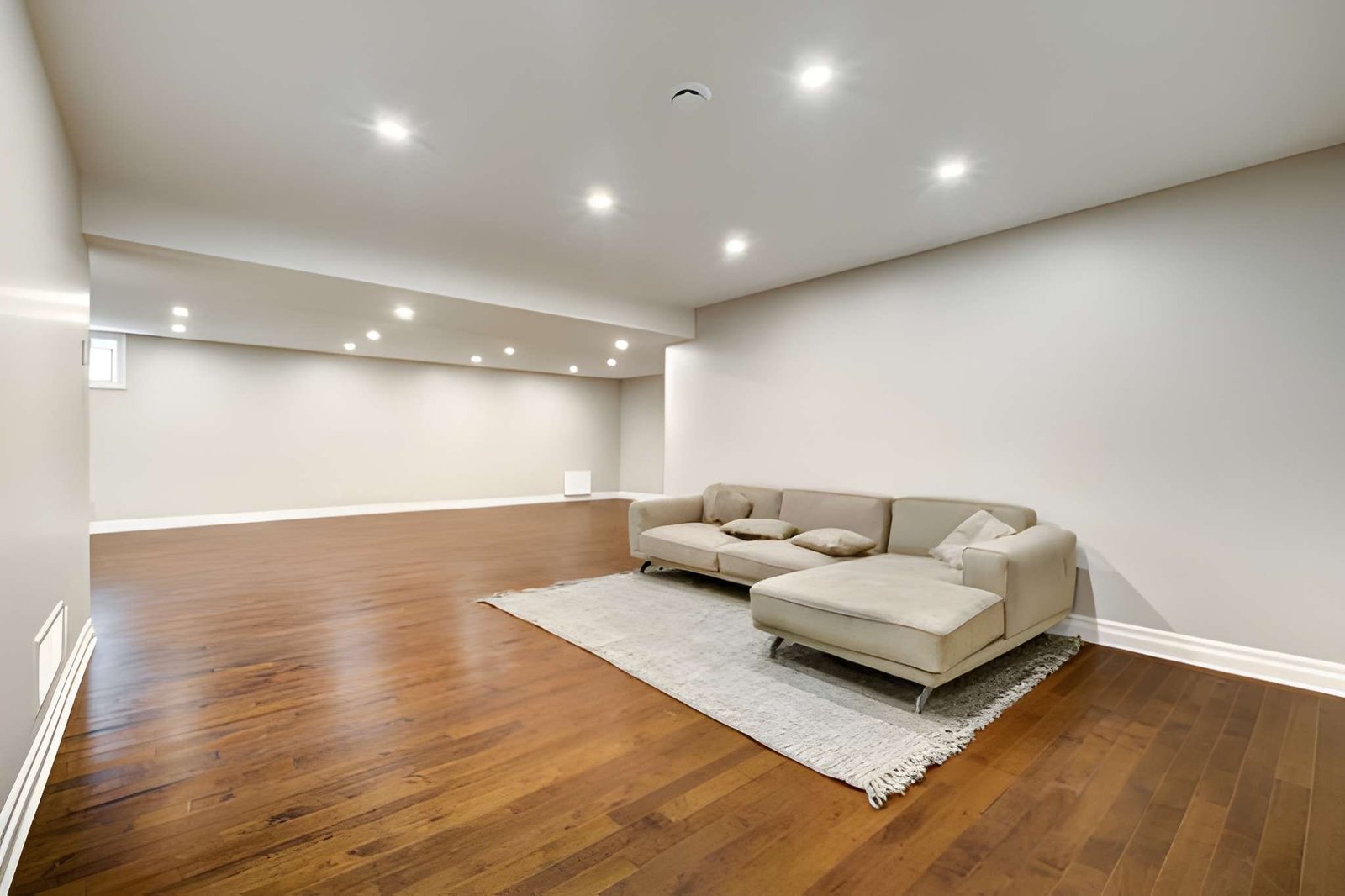
Home sellers may face serious penalties if they fail to disclose known basement issues. The purpose of real estate disclosure laws is to protect buyers from undetected flaws.
Potential outcomes include:
Buyer Disputes After Closing
A buyer may take legal action if they find unreported basement issues.
Financial Liability
Sellers might have to cover any damages or repairs.
Repair Negotiations During Escrow
Inspections may uncover hidden issues that could cause the closure to be delayed and result in price negotiations.
Transaction Delays
The entire house sale process may be slowed down by missing disclosures.
Giving full and truthful disclosures lowers these risks and promotes a more seamless transaction.
How To Prepare Your Finished Basement Before Selling?
It can facilitate the sales process and lessen any disclosure issues if you prepare your finished basement before advertising your house.
1. Arrange For A Basement Inspection
A professional basement contractor South Jordan can find undetected issues before buyers do.
2. Verify Permit Records
Verify whether permits were granted for the renovation of the basement and collect any relevant documentation.
3. Fix Minor Code Violations
Fixing minor concerns, such as outlet location or safety improvements, can boost customer confidence.
4. Improve The Basement Condition
Your basement may look well-maintained with minor repairs, new paint, and better lighting.
You can accurately disclose facts and display the basement in the finest possible condition if you prepare ahead of time.
When To Consult A Basement Remodeling Professional?
If you’re not sure if your finished basement satisfies modern requirements or if you’re getting ready to sell your house, consulting with a professional basement remodeling like CCS of Utah in South Jordan can be beneficial.
You might need professional guidance if:
- The remodeling of the basement was done many years ago
- Permit records cannot be found
- You’re not sure if the basement meets safety requirements
- You wish to make improvements to the basement before actually listing the property
A qualified contractor or expert basement finishing can inspect the area, spot compliance problems, and suggest upgrades that raise the property’s value and lower the risk of disclosure.
FAQs
1. Do I have to disclose if my basement was finished without a permit?
Yes, in order for buyers to fully understand the history of the restoration, unpermitted work should be mentioned throughout Utah real estate transactions.
2. What basement defects are considered material?
Structural deterioration, water penetration, mold growth, and safety concerns that compromise the property’s worth or livability are examples of material flaws.
3. Are egress windows required in finished basements?
Yes, particularly if there are bedrooms in the basement. Egress windows offer a secure way out in an emergency.
4. Can buyers check if my basement has permits?
Yes. During the sale, buyers may ask for permit records, which are frequently accessible through local building departments.
5. Should I fix basement issues before listing my home?
Early problem-solving can minimize disagreements, avoid unexpected inspections, and facilitate a seamless sale.
“Not sure if your finished basement meets current requirements? Schedule a compliance check with South Jordan’s trusted basement remodeling experts before you list your home.”