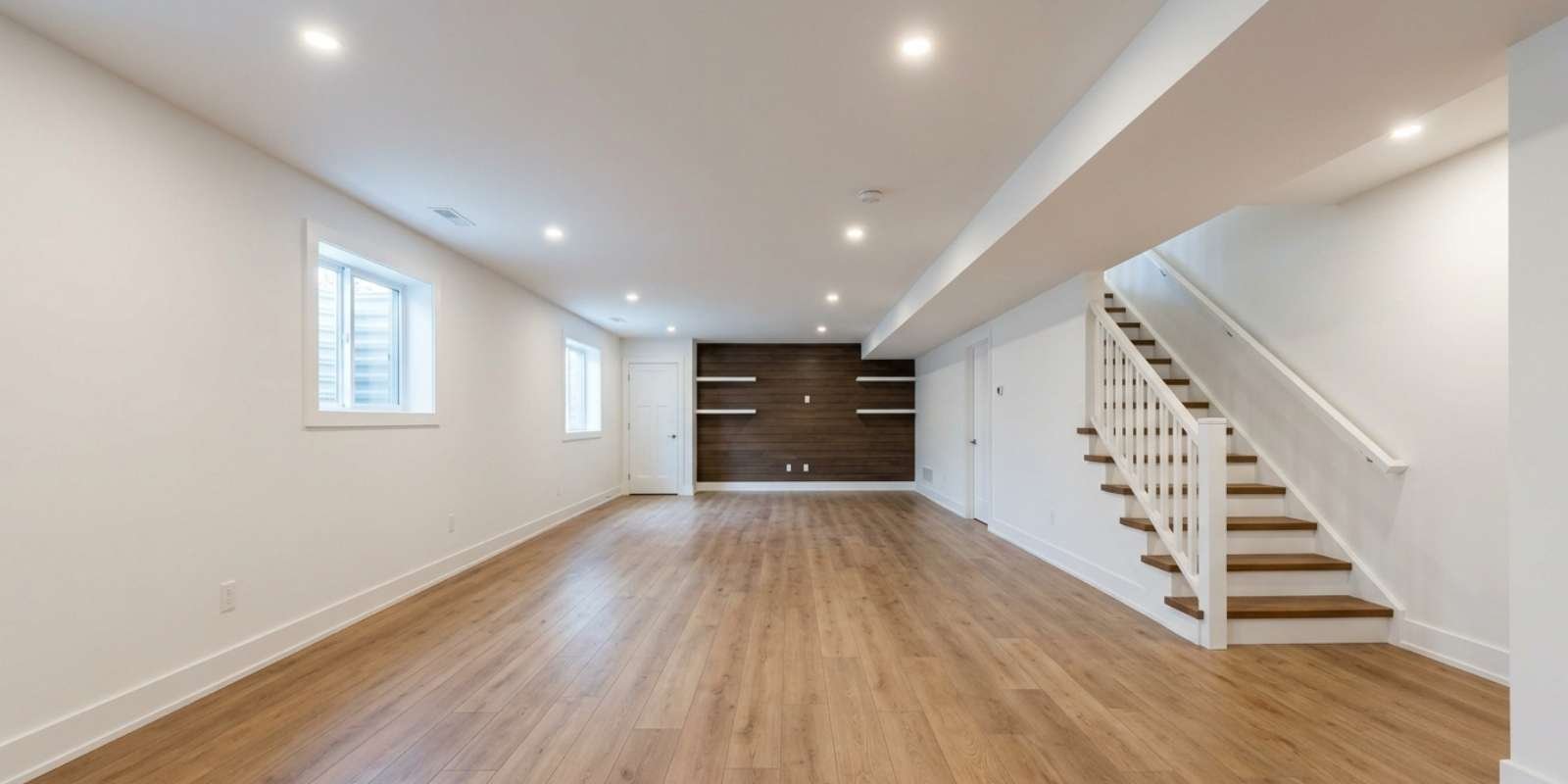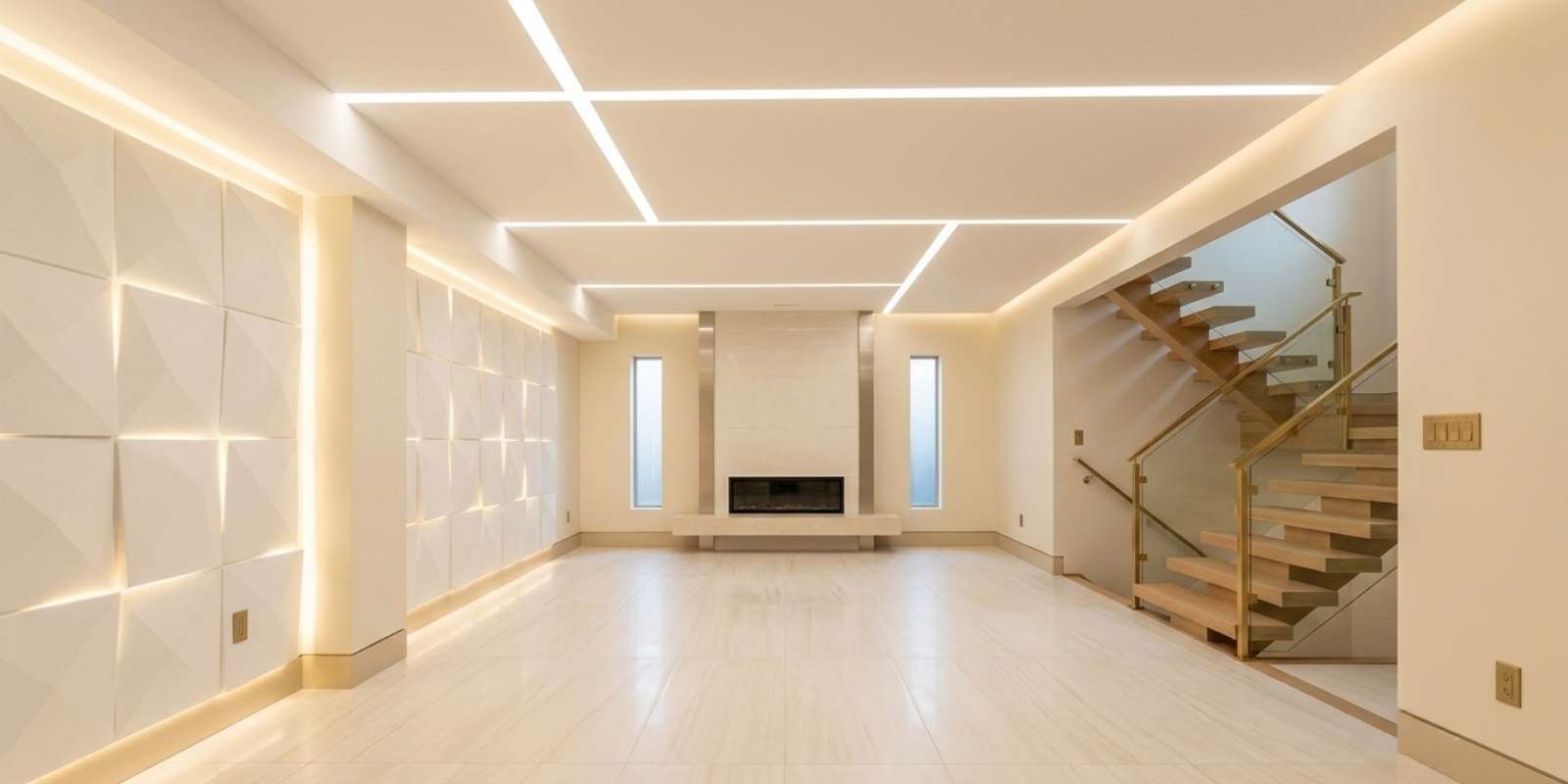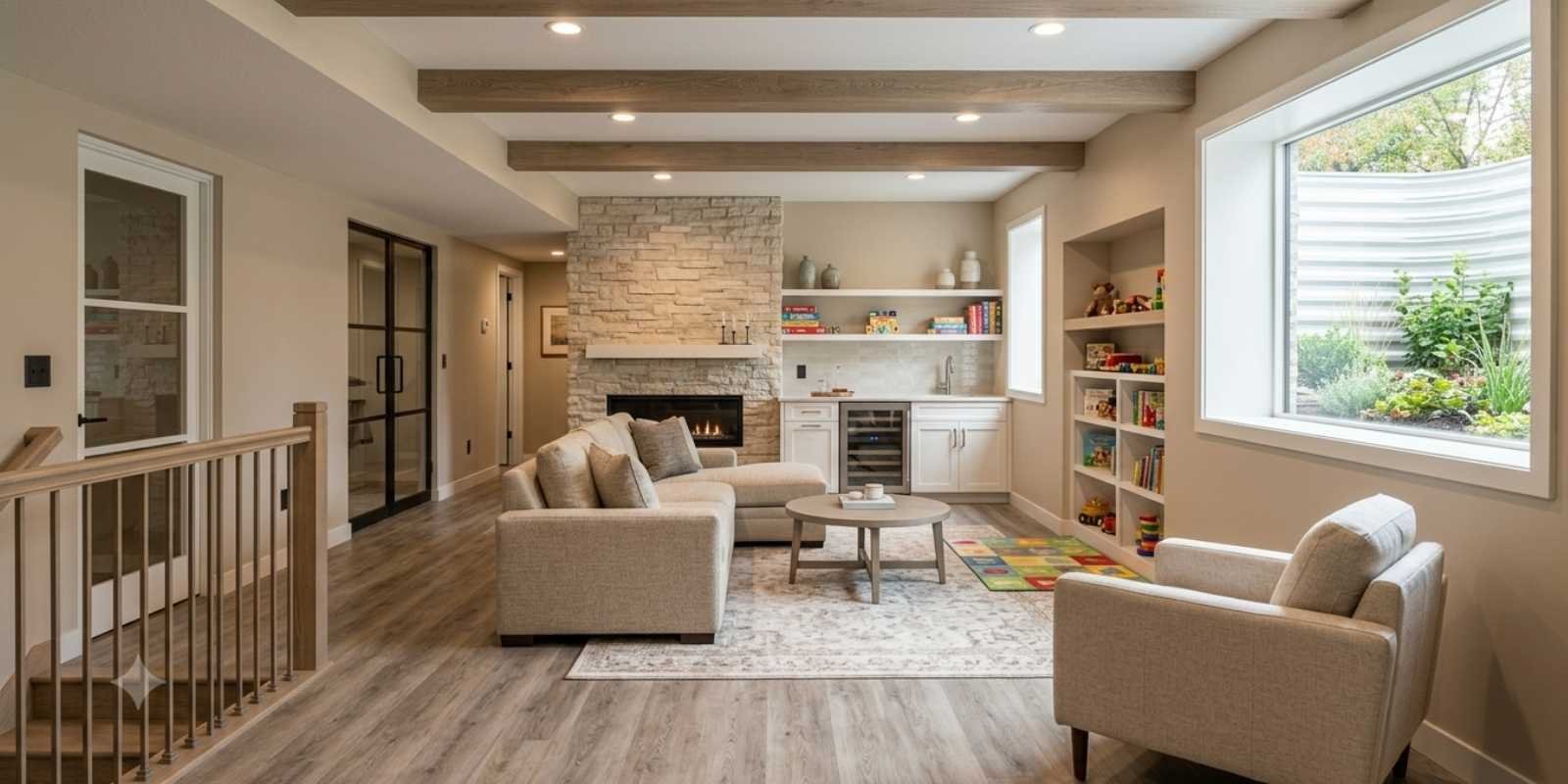
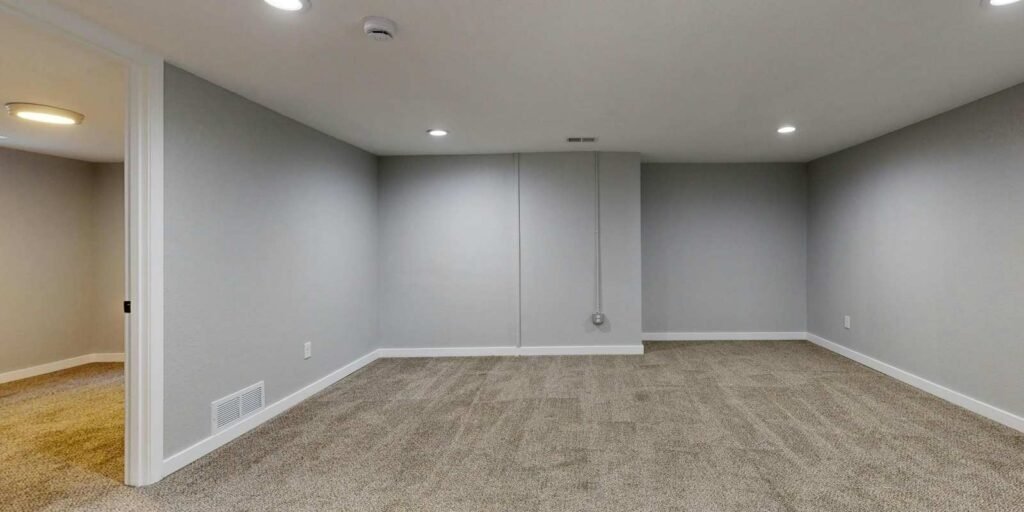
From structural problems to outdated systems that don’t comply with Utah building codes, older basements in South Jordan often have hidden code violations. Costly delays result from the fact that many homeowners only find these issues during inspections or remodeling projects. You can prevent penalties, safety hazards, and rejected permits by being aware of the most common basement code violations. Even if certain problems seem insignificant, they need to be addressed carefully by professionals.
Hiring a certified contractor guarantees that your basement complies with current regulations, enhances safety, and increases your home’s value over time. Partnering with licensed experts ensures your renovation remains compliant, protecting your investment and providing peace of mind for your family.
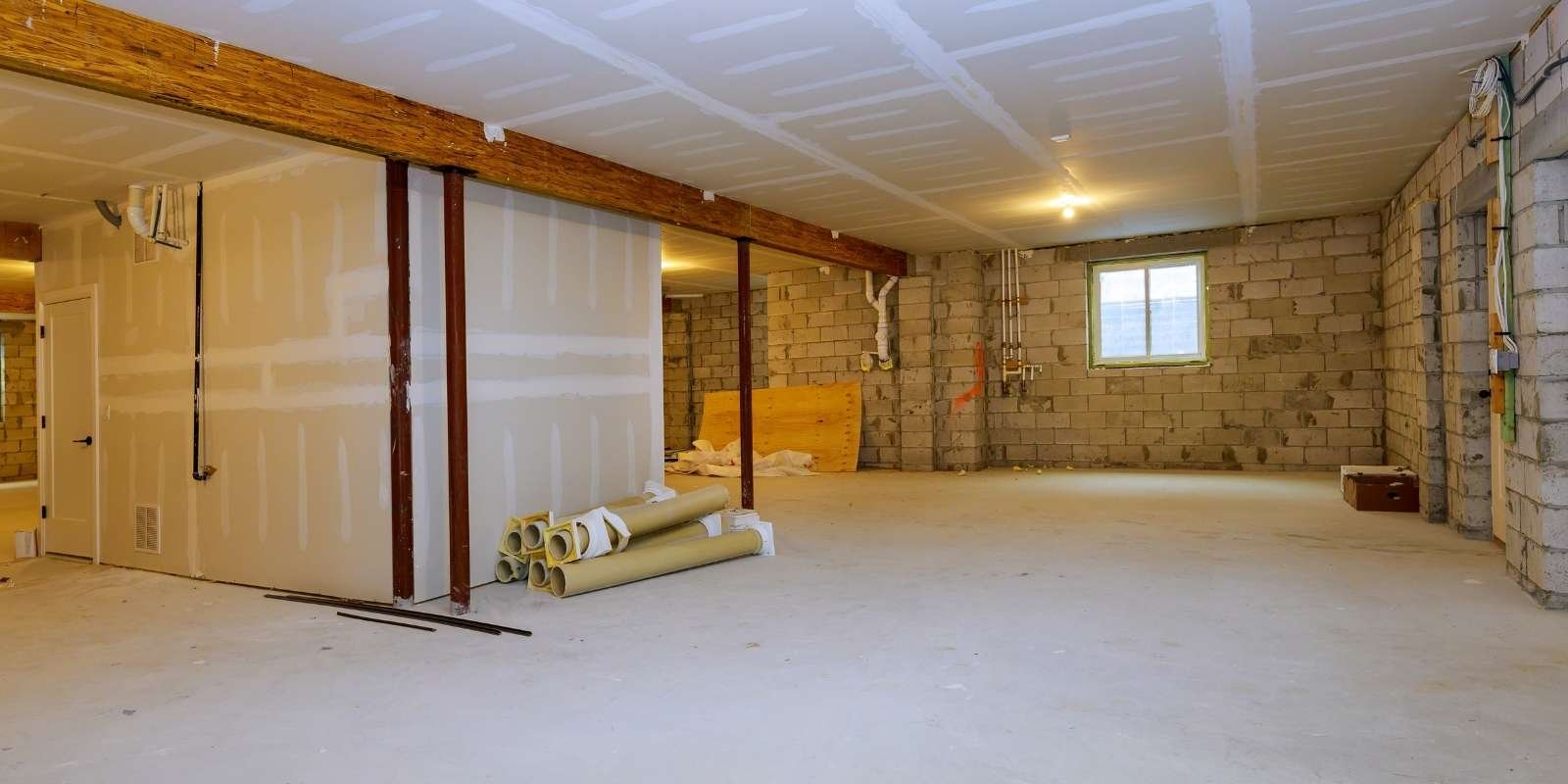
Common Structural Issues in Older South Jordan Basements
Among the most common basement code violations in older homes are structural issues.
Many basements in South Jordan show signs of:
- Cracks in the flooring or walls
- Sinking or uneven foundations
- Weak support beams
Ignoring these foundation issues can make them worse over time. Shifting brought on by nearby soil movement might also result in costly structural repairs.
Outdated Framing
It’s possible that older construction methods don’t comply with modern safety regulations. During old basement remodeling, inspectors often flag:
- Improper stud spacing
- Missing reinforcements
- Weak load-bearing walls
Low Ceiling Height
A minimum ceiling height is mandated by building codes for habitable areas. Your basement might not pass inspection if it feels too small.
Early resolution of these foundation issues can prevent more serious issues down the road.
Moisture, Mold, and Water Intrusion Challenges
One of the main reasons basements don’t pass inspections is moisture.
Modern basement waterproofing methods were not used when older basements were constructed. This results in:
- Damp walls
- Musty odors
- Visible mold growth
These moisture problems can be harmful to your health and uncomfortable.
Water intrusion issues frequently result from:
- Foundation’s cracks
- Poor drainage around the house
- Poor sealing
Without adequate protection, moisture accumulates rapidly. Basement waterproofing is essential for this reason.
Among the solutions are:
- Vapor barrier installation to regulate humidity
- Sealing the walls of the foundation
- Setting up a drainage system
Basements are ideal because mold grows best in dark, moist areas. Resolving moisture problems is essential to passing inspections and safeguarding your house.
Outdated Electrical and Plumbing Systems
Another significant cause is outdated systems.
Electrical Issues
The wiring in many older basements is outdated and potentially dangerous. Typical issues consist of:
- Insufficient outlets
- Outdated electrical panels
- Overloaded circuits
These can raise the risk of fire and are commonly referred to as basement electrical violations.
Modern electrical upgrades usually involve:
- Adding GFCI outlets for safety
- Putting in new circuit breakers
- Replacing outdated wiring
Plumbing Issues
Another issue is aging pipes. Plumbing systems that are older may have:
- Corrosion
- Leaks
- Poor layout
To comply with current code requirements, a complete plumbing replacement might be required.
Your basement will be safe, functional, and ready for modern use if you upgrade your plumbing and electrical systems.
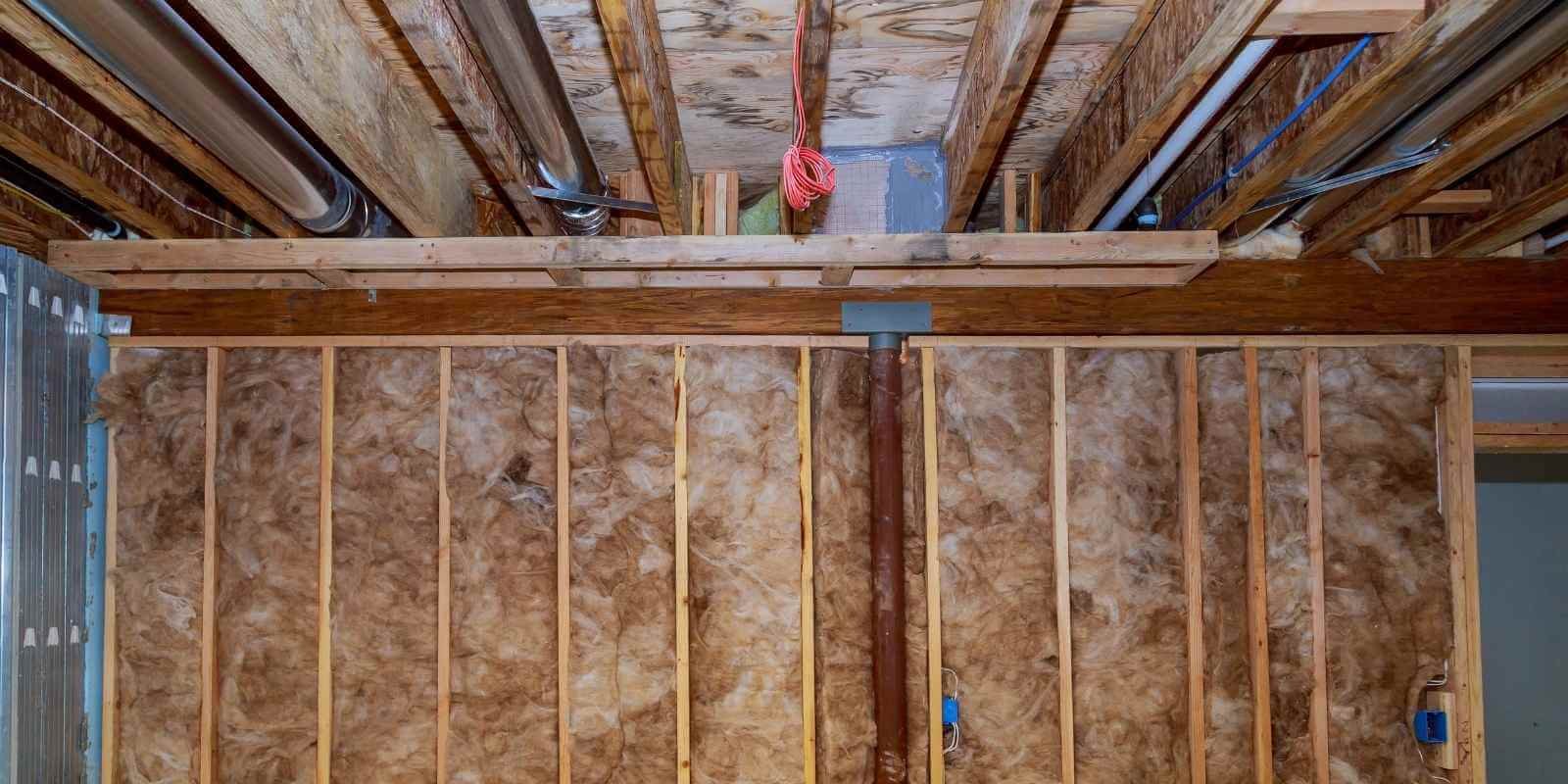
Insulation and Temperature Control Problems
Comfort and energy savings are greatly influenced by insulation.
Usually, older basements have:
- Inadequate air sealing
- Moisture-damaged insulation
- Weak or nonexistent insulation
Low energy efficiency and increased utility costs are the results of these problems.
Inspections frequently reveal insulation code violations, particularly when materials are out-of-date or improperly installed.
Proper energy efficiency helps:
- Enhance the quality of indoor air
- Maintain steady temperatures
- Prevent the accumulation of moisture
It also guarantees HVAC compatibility. Wear and tear result from your system having to work harder without enough insulation.
One of the easiest ways to meet code requirements and increase comfort is to upgrade insulation.
Unique Challenges in South Jordan Homes
Homes in South Jordan face particular challenges due to the local environment.
Soil And Foundation Concerns
The area’s soil may expand or contract, affecting foundations. This results in:
- Cracking
- Shifting
- Structural instability
If these problems are not resolved, they frequently lead to common basement code violations.
Local Building Codes
Strict guidelines are included in the South Jordan building code for:
- Ceiling height
- Egress windows
- Electrical safety
Any renovation project must adhere to Utah construction standards.
Permit Requirements
You have to get a basement remodeling permit before starting any work. Ignoring this step may result in:
- Delays in projects
- Failed inspections
- Penalties
A successful renovation depends on complete code compliance.
Why Hiring a Professional Basement Contractor Matters
It’s not always possible to fix basement problems on your own.
A professional basement contractor South Jordan is able to:
- Ensure all work meets code
- Identify hidden problems
- Provide accurate solutions
They handle everything from system upgrades to structural repairs and are expert basement finishing.
Hiring a professional has several advantages:
- Reliable and safe jobs
- Faster project completion
- Passing inspections on the first try
They also guarantee appropriate insulation, waterproofing, and code-compliant remodeling.
Attempting to resolve problems on your own could result in errors that ultimately cost more.
Cost Considerations for Fixing Basement Code Violations
Fixing common basement code violations can be expensive.
What Affects the Cost?
- Framing and foundation repairs
- Replacement of plumbing
- Upgrades to the electrical system
- Waterproofing systems
Custom solutions are often needed for older basements, which can increase costs.
Why is it Worth the Investment?
Even though repairs could seem costly, they have long-term benefits:
- Better energy efficiency
- Improved safety
- Increased home value
Resolving problems correctly guarantees longevity and prevents recurrent repairs.
FAQs
1. What are the most common basement code violations?
Poor wiring, moisture problems, low ceiling heights, and missing egress windows top the list. Structural cracks and outdated framing are also frequently flagged. These issues often surface during inspections or remodeling projects
2. Why do old basements often have moisture problems?
Older basements were built without modern waterproofing or drainage methods. This allows water to seep in through foundation cracks and poor exterior grading. Over time, that moisture leads to damp walls, musty odors, and mold growth.
3. Is it safe to DIY fixing basement code violations?
DIY fixes are risky and often fail inspection. Most code-related repairs, especially electrical, plumbing, and structural work, require licensed professionals. Hiring an expert ensures the work is safe, compliant, and properly permitted.
4. How do professionals fix outdated electrical systems?
Contractors replace old wiring and install GFCI outlets for added safety. They also upgrade outdated panels and correct overloaded circuits. These updates bring the system up to current code and reduce fire risk.
5. Do South Jordan building codes affect basement remodeling?
Yes, local codes set strict rules for ceiling height, egress windows, and electrical safety. Permits are required before any remodeling work begins. Skipping this step can lead to failed inspections or costly penalties.
“Ready to fix basement code violations? Get a free consultation from South Jordan’s trusted basement contractor.”