
To ensure safety during power outages or crises, basement spaces must comply with strict emergency lighting standards. Building rules in South Jordan mandate adequate lighting for secure exits, particularly in finished basements that are utilized as residential areas. Many homeowners are unaware of these regulations, which may lead to unsafe conditions or failed inspections.
It is crucial to fully understand basement emergency lighting requirements, including installation, backup systems, and code compliance. This guide covers what South Jordan homeowners should know to keep their basements safe, functional, and compliant with Utah rules.
Why Emergency Lighting is Required in Basements?
Not only is emergency lighting recommended, but it is a safety requirement. Basements can become dangerous and dark within seconds when the power goes out.
This is why it’s important to have emergency lighting in basements:
Safety During Power Outages
In a dark basement without lights, it’s simple to trip, fall, or panic.
Visibility for Exits and Pathways
Emergency lighting in basement systems helps quickly and safely direct individuals toward escape.
Required for Habitable Basement Spaces
Basement safety lighting is frequently required if your basement is finished or used as a bedroom, office, or rental unit.
Everyone will be safe in your basement, especially during crises, if you adhere to the proper code requirements.
Utah and South Jordan Emergency Lighting Code Overview
To comply with basement emergency lighting requirements, it is essential to understand local codes.
International Residential Code (IRC) Basics
The IRC establishes general guidelines for residential safety, including emergency exit lights. It needs:
- Safe exit paths
- Good lighting in case of an emergency
- Backup systems in certain situations
South Jordan Code Considerations
Although it may incorporate regional modifications, the South Jordan building code adheres to the IRC.
These may impact:
- Backup power requirements
- Lighting placement
- Minimum brightness levels
Inspection Requirements
When completing inspections, officials look for:
- Adherence to the Utah building code emergency lighting
- Functionality during power loss
- Proper installation of emergency lighting
Your project may be delayed or require expensive repairs if these conditions are not met.
Where Emergency Lighting Must Be Installed?
One of the most important aspects of basement emergency lighting requirements is proper installation in different areas.
Important areas consist of:
Exits and Stairways
Lighting is crucial in these high-risk locations.
Pathways and Hallways
Accidents during an evacuation can be avoided with good visibility.
Near Egress Windows and Doors
Basement egress lighting guarantees that exits are visible in the dark.
Correct placement of exit lighting increases safety and helps your basement comply with regulations.
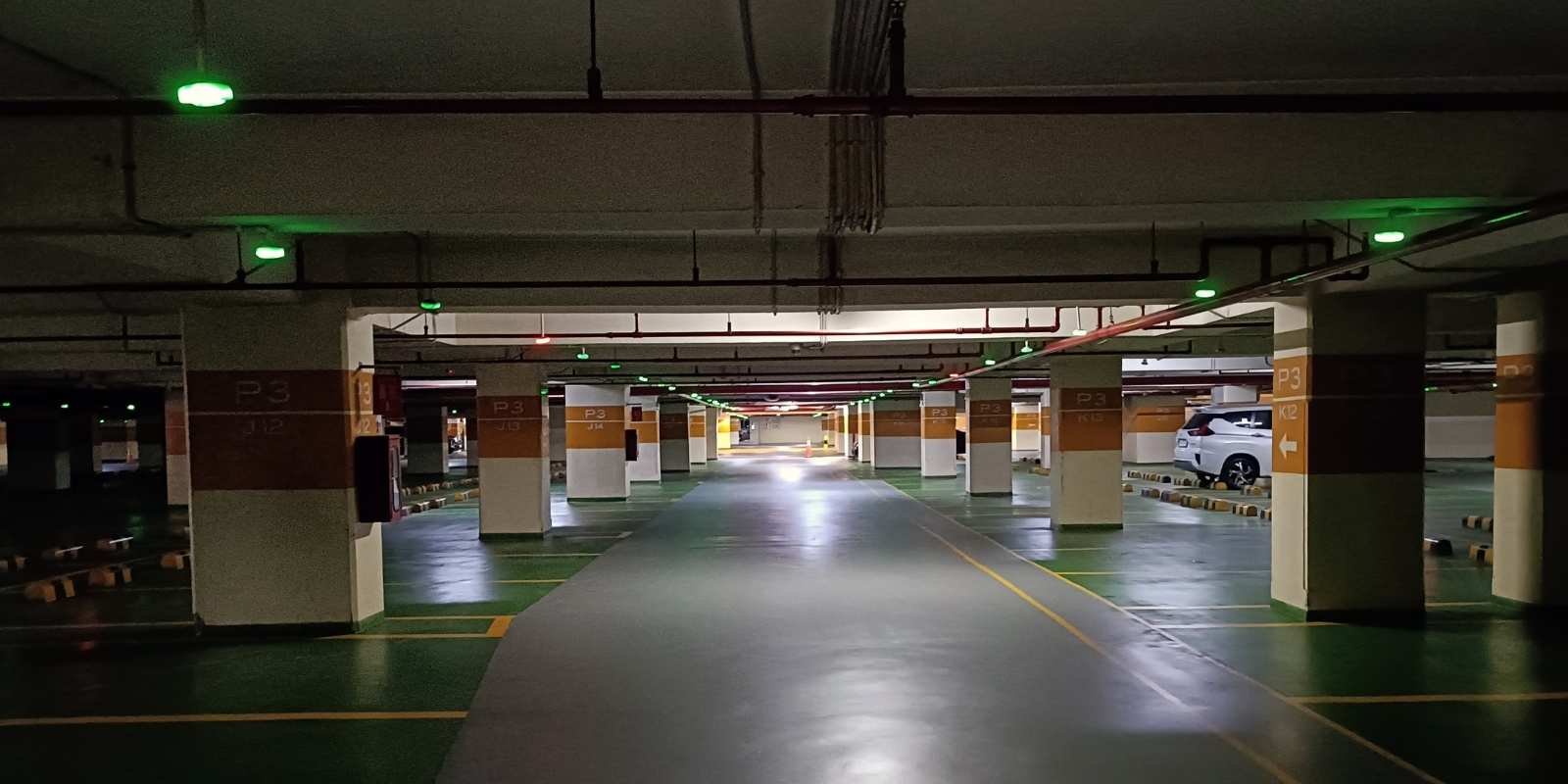
Types Of Emergency Lighting Systems for Basements
Basement emergency lighting requirements can be met by several standard methods. Your setup and budget will determine which one is best for you.
Battery Backup Lighting
- Activates automatically in the event of a power outage.
- Simple to set up
- Common in residential basements
Hardwired Emergency Lights
- Connected to the electrical system in your house
- Has an integrated battery backup
- More reliable for long-term use
Generator-Supported Systems
- Powered by a household generator
- Perfect for finished basements or bigger homes
- Offers prolonged lighting in the event of extended outages
Depending on your demands, you can choose from various types of emergency lighting fixtures that fall under backup lighting systems.
Egress Window and Exit Lighting Requirements
Windows for egress are an essential safety component. Proper lighting is required to meet the basement emergency lighting requirements.
Minimum Lighting Levels
- The lighting needs to be bright enough to make exits visible
- Stay away from dark or dark areas
Accessibility and Visibility Rule
- Furniture shouldn’t obstruct lights
- Switches must be easy to reach
Code-Compliant Exit Pathways
Emergency exit lighting basement must direct residents to an escape from any location inside the basement.
Continuous, Well-Lit Pathways are Essential
Complying with basement egress requirements guarantees that residents can leave the building promptly in an emergency.
Common Code Violations Homeowners Should Avoid
Simple mistakes in basement emergency lighting requirements cause many homeowners to fail inspections.
Keep an eye out for these common problems:
No Backup Lighting Installed
Regular lighting is insufficient on its own.
Poor Placement of Fixtures
Lights are useless if they don’t cover walkways or exits.
Inadequate Brightness Levels
Even dim lights can be dangerous.
These basement inspection issues frequently result in lighting code violations, which can delay approvals or require rework.
Benefits of Upgrading to Code-Compliant Emergency Lighting
There are several benefits to upgrading your system to comply with basement emergency lighting requirements.
Increased Safety for Occupants
During emergencies, adequate lighting lowers the risk of accidents and panic.
Passing Inspections
Systems that adhere to codes help prevent delays and additional expenses.
Improved Property Value
Buyers find a safe, compliant basement more appealing.
Purchasing emergency lighting is an investment in peace of mind, not just regulations.
When to Hire a Professional for Basement Lighting Upgrades?
While some lighting improvements may seem simple, many require professional assistance to meet basement emergency lighting requirements.
Consider hiring a professional if:
Electrical Work Requires Permits
Licensed electricians make sure everything is done legally.
You Need To Meet Strict Code Standards
Professionals are aware of local developments and requirements.
Installing Backup Systems Safely
Hardwired lighting and generators, for example, require the right configuration.
Long-term safety and electrical code compliance are guaranteed when working with a basement lighting contractor South Jordan.
FAQs
1. Are emergency lights required in residential basements?
Yes, emergency lighting is required in most finished basements, especially those with bedrooms or livable space. South Jordan follows the International Residential Code, which mandates illuminated egress paths. This ensures safe evacuation during power outages or emergencies.
2. What type of emergency lighting is required?
Hardwired emergency lighting with battery backup is the standard requirement for basements. These systems activate automatically during power outages, ensuring continuous illumination. Battery backups typically must provide at least 90 minutes of continuous emergency light.
3. Where should emergency lighting be installed in a basement?
Emergency lighting belongs near exits, stairways, hallways, and any walkways leading outside the basement. Fixtures should also cover mechanical rooms and other potential hazard areas within the space. Proper placement guarantees clear visibility and a safe, quick evacuation.
4. Do South Jordan building codes require basement emergency lighting?
Absolutely, South Jordan building codes enforce the International Residential Code for emergency lighting requirements. Local amendments may add stricter rules for specific basement layouts and uses. Always confirm current requirements with the South Jordan building department before installing.
5. Can I install emergency lighting myself?
Simple battery-powered units can often be installed as a DIY project. Hardwired systems, however, typically require a licensed electrician for full code compliance. Professional installation also ensures correct placement and reliable, long-term performance overall.
“Need help making your basement code-compliant? Contact South Jordan’s basement remodeling experts for a safety inspection.”