
Every finished basement in South Jordan needs to adhere to basement heating regulations in order to pass inspection and guarantee constant, safe comfort. It often surprises homeowners to hear that adding a portable heater or vent alone is insufficient. Utah-compliant, long-term, energy-efficient heating systems are mandated by local codes.
You can keep your house safe and completely compliant while saving time, money, and stress by being aware of these regulations before you start your renovation.
Overview Of Basement Heating Regulations In Utah
Utah’s finished basements must adhere to the state’s energy and residential building codes. A basement must adhere to the same heating regulations as the rest of the house once it gets classified as a “conditioned living space.”
How Utah Codes Apply To Basements
Any finished basement must comply with the Utah basement heating code.
- Have a steady source of heat
- Maintain a safe temperature within
- Comply with ventilation and airflow regulations
- Get inspection clearance before occupancy
The Utah energy code also mandates that heating systems adhere to energy-efficiency standards.
Inspection And Compliance
Heating installation is examined when completing or renovating a basement in South Jordan:
- Rough mechanical inspection
- Final building inspection
Project approval may be delayed if basement heating rules are not followed.
Minimum Heating Requirements For Finished Basements
Preventing costly mistakes is made easier by being aware of the basement heating requirements.
Permanent Heat Source Required
A permanently installed, code compliant heating system is required in a finished basement. Acceptable systems include:
- Central HVAC extensions
- Ductless mini-splits
- Radiant heating systems
Temperature Standards
The heating system in livable rooms must be able to keep the temperature at least 68°F at a height of three feet above the ground.
Why Space Heaters Do Not Meet Code
The following reasons make portable space heaters prohibited:
- Are considered temporary
- Potential fire hazards
- Unable to provide a constant temperature
- Don’t adhere to inspection standards
Complying with basement heating regulations is ensured by installing permitted heating from the beginning.
Approved Heating System Options For Basements
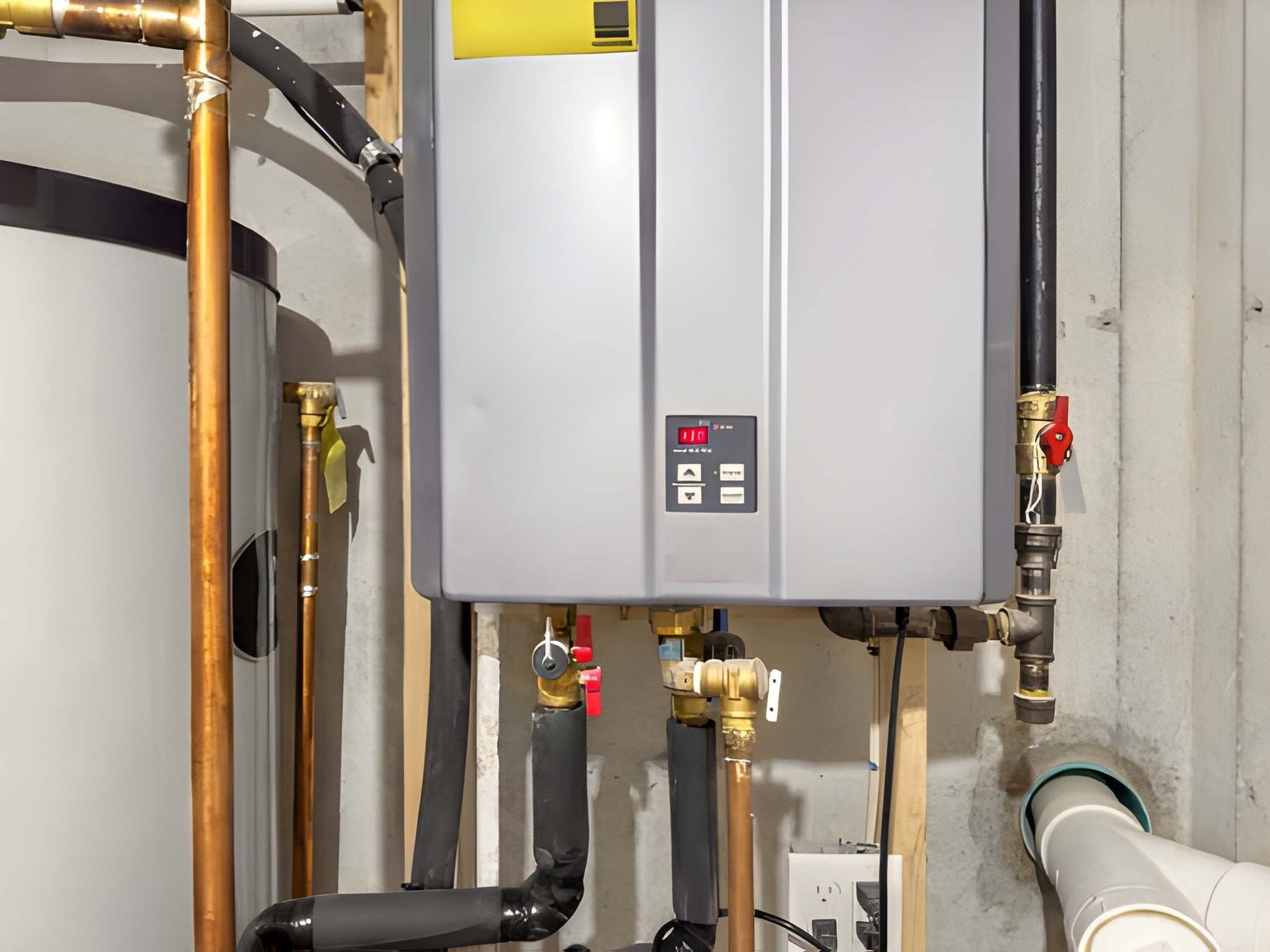
The size of the basement, its layout, and its current basement HVAC system capability all influence the choices.
Extending An Existing HVAC System
Many homeowners expand the HVAC system they currently have in their basement. This includes:
- Adding supply vents
- Setting up appropriate return air ducts
- Making sure the furnace can manage an additional load
To prevent overworking your system, a competent load calculation is necessary.
Ductless Mini-Split Systems
Ductless heating basement systems are a common choice. These units:
- Offer temperature control in zones
- Are energy efficient
- Needs minimal ductwork
- Works well in finished basements
They still need to be professionally installed and adhere to basement heating requirements.
Radiant Floor Heating
Radiant heating systems distribute heat evenly and warm the floor’s surface. They:
- Improve comfort
- Minimize chilly floor problems
- Boost energy effectiveness
This method is particularly effective in completely renovated basements.
Ventilation And Airflow Standards
There is more to heating than just comfort. Airflow must be enough for both efficiency and safety.
Basement Ventilation Requirements
Your system needs to have the items that follow in order meet the ventilation requirements:
- Appropriate supply air outlets
- Return air pathways
- Proper airflow
Rooms may become unpleasant and under pressure if there is no return air.
Combustion Air Safety
Combustion air needs to be delivered appropriately if your basement has fuel-burning machines. Inadequate airflow can result in hazardous backdrafting.
Preventing Moisture Buildup
Natural moisture retention is higher in basements. Ventilation and heating systems have to work together to avoid:
- Condensation
- Mold growth
- Poor indoor air quality
One important aspect of basement heating regulations is airflow compliance.
Energy Efficiency And Insulation Requirements
Insulation and heating go hand in hand.
Utah Energy Code Compliance
The Utah energy code requires that heated basements adhere to efficiency and insulation requirements. This increases comfort and minimizes energy waste.
Basement Insulation Requirements
Proper insulation includes:
- Basement walls that are insulated
- Rim joists that are sealed
- Insulated flooring, if necessary
Your heating system will operate more effectively if you comply with basement insulation regulations.
Preventing Heat Loss Below Grade
Due to their underground location, basements can lose heat through:
- Concrete walls
- Foundation gaps
- Unsealed windows
When it comes to basement heating regulations, energy compliance is crucial.
Carbon Monoxide And Safety Regulations
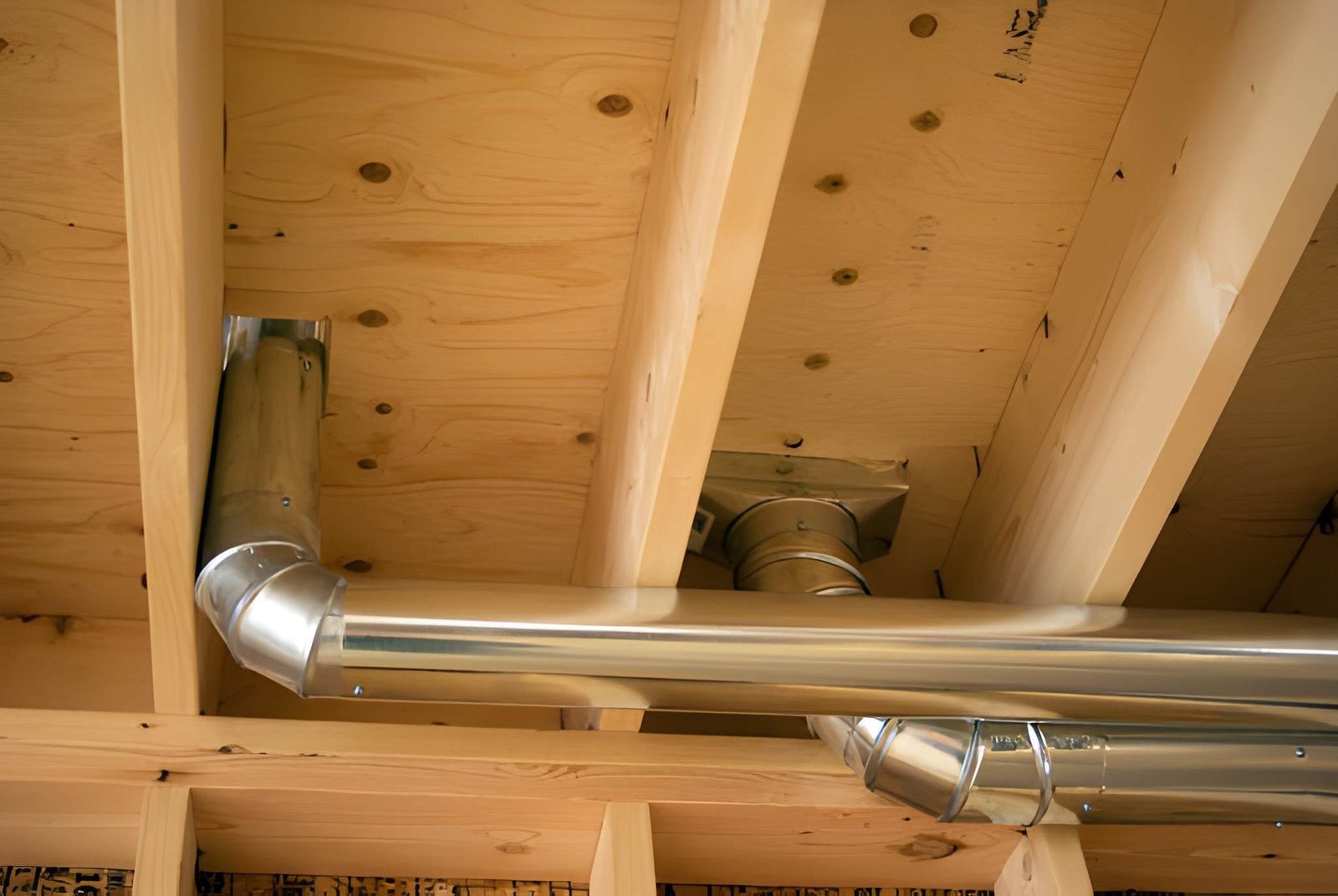
Heating systems need to be safe, not just efficient.
Carbon Monoxide Regulations Utah
CO detectors are mandated under Utah’s carbon monoxide standards when:
- There is a fuel-burning appliance fitted
- The house has a garage attached to it
CO detectors need to be positioned correctly in or close to sleeping quarters.
Furnace Clearance Standards
Mechanical equipment and furnaces must have:
- Proper clearance space
- Service areas that are easily accessible
- Fire-rated separation (if necessary)
These rules are part of the basement heating safety code.
Fire Safety Considerations
Heating systems need to:
- Avoid exposed wiring
- Meet duct insulation requirements
- Make use of authorized venting materials
Every basement heating regulation places a high priority on safety.
Permit And Inspection Requirements In South Jordan
You probably need a permit before you can install or adjust basement heating.
When Permits Are Needed
A permit for remodeling a basement is necessary when:
- Installing new HVAC systems
- Extending ductwork
- Adding more heating zones
- Remodeling unfinished space into a living area
South Jordan Building Code
The South Jordan building code, with some municipal modifications, complies with Utah state requirements. Always get the city’s approval before starting any work.
Final Inspection Process
Your project needs to pass:
- Final approval
- Framing inspection (if walls added)
- Mechanical inspection
Ignoring basement heating regulations often results in failing inspections because of heating problems.
Common Basement Heating Code Violations
Prevent these common mistakes in inspections:
- Improper duct sizing
- No return air vent
- Using heating units that are not authorized
- Absence of carbon monoxide detectors
These violations of the heating regulations frequently result in expensive fixes and postponed approvals.
Time and money can be saved by understanding basement inspection failures.
Choosing The Right Heating Solution For Your Basement
Comfort and adherence are guaranteed when the appropriate system is chosen.
Basement Heating System Selection Tips
Consider:
- The area of the basement
- Height of ceiling
- Existing HVAC capacity
- Budget
- Long-term energy expenses
Choosing the right basement heating system increases both comfort and resale value.
Long-Term Efficiency Vs. Budget
Certain systems may result in higher energy costs even though they are less expensive initially. Purchasing energy-efficient equipment reduces monthly expenses and helps comply with basement heating rules.
Professional Installation Benefits
Hiring a licensed basement contractor like CCS of Utah in South Jordan guarantees:
- Code-compliant installation
- Accurate load calculations
- Permit handling
- Inspection success
Professional preparation lowers risks and secures your investment.
FAQs About Basement Heating Regulations
1. What are the heating requirements for a finished basement in Utah?
A permanent, code-approved heating source that meets basement heating regulations and maintains minimum temperature levels is required in finished basements.
2. Can I use a space heater to heat my basement?
No, portable heaters don’t fit the requirements for permanent heating systems set forth in the Utah building code.
3. Does a basement remodel require a heating permit in South Jordan?
Yes. Most heating additions or changes need an inspection and a basement remodeling permit.
4. Do basement heating systems need return air vents?
Yes. To meet ventilation and heating regulations, proper airflow and return air are required.
5. Are carbon monoxide detectors required in basements?
Yes, in accordance with Utah safety rules, CO detectors are necessary when fuel-burning equipment is installed.
“Need code-compliant basement heating? Speak with South Jordan’s trusted basement remodeling professionals for safe, efficient installation that meets all local standards.”