
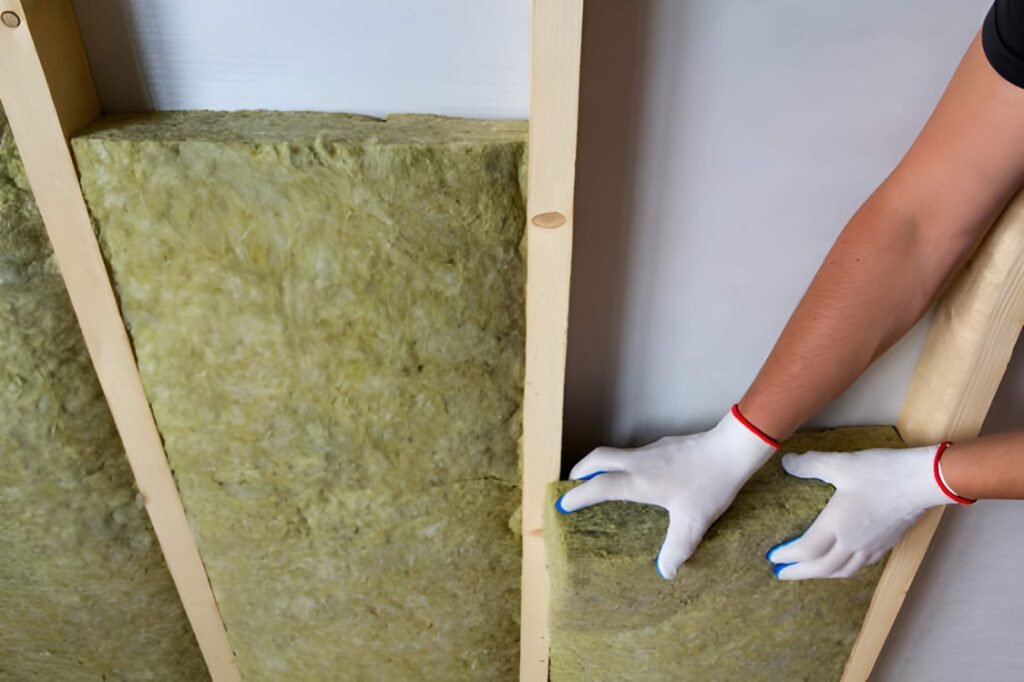
Basement insulation plays a critical role in home energy efficiency, occupant comfort, and meeting code requirements. Before finishing or renovating their home, South Jordanian homeowners frequently ask about the residential code for basement insulation R-value. In order to improve indoor temperature management and minimize heat loss, Utah building rules establish minimum levels for insulation.
Knowing the residential code for basement insulation R-value prevents inspection issues and costly repairs. When building or renovating, following insulation guidelines ensures compliance and long-term performance.
What R-Value Means In Basement Insulation?
The R-value indicates how effectively insulation blocks heat transfer. It shows how the material can reduce heat transfer between indoor and outdoor areas. An insulation’s performance increases with its R-value.
Because walls in basement spaces frequently come into contact with the ground, R-value insulation is particularly crucial. Heat can easily enter during the summer and escape during the winter without enough insulation.
A constant interior temperature is maintained with the use of thermal resistance. This lowers energy costs and increases comfort. Your heating and cooling system operates more effectively when your basement insulation performs well.
Utah Residential Code Requirements For Basement Insulation
The Utah residential building code insulation adheres to energy-efficiency standards specified for the climate of the state. These standards are applicable to both basement finishing and new building projects.
The residential code for basement insulation R-value in Utah typically includes:
- R-10 continuous insulation, rigid foam board
- R-13 cavity insulation made of fiberglass or a comparable material
These minimum levels help in lowering heat loss via foundation walls.
Both interior and exterior insulation vary from one another as well. While exterior insulation is frequently utilized in new construction, interior insulation is more prevalent in finished basements. To pass inspection, both must adhere to the Utah residential building code insulation.
Typical Basement Wall Insulation R-Values
Homeowners can easily comply with basement wall insulation requirements by being aware of common insulation values.
Here are the most typical options:
- R-10 Continuous Insulation: typically applied to basement walls using rigid foam
- R-13 Cavity Insulation: Fiberglass batts are used to install it between wall studs
Insulation levels are crucial for energy savings because Utah is in a cooler climatic zone. These values are well recognized throughout the state and are factored into energy code insulation standards.
The design of your basement, the structure of the walls, and the moisture conditions will all influence your choice.
Types Of Insulation That Meet Code Requirements
As long as they reach the necessary levels, a variety of materials may meet the residential code for basement insulation R-value.
Rigid Foam Insulation
This is a common option for walls in basements. It reduces air leakage and offers continuous coverage. Also, it is more moisture-resistant than other materials.
Spray Foam Insulation
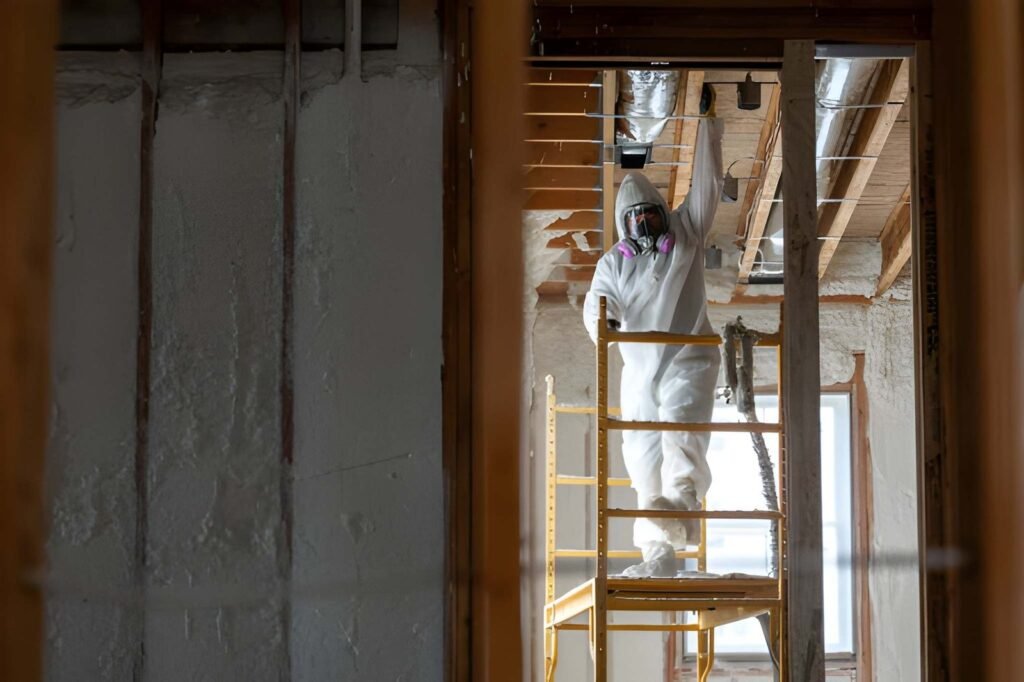
Spray foam expands to seal cracks and spaces. It provides superior air sealing and strong heat resistance. It is therefore among the most types of energy efficient insulation.
Fiberglass Batt Insulation
Installing this in between studs is an affordable solution. It is effective, but to prevent issues, it requires adequate moisture protection.
When properly installed and paired with appropriate sealing methods, all of these basement insulation materials can comply with the code.
Insulation Challenges In Basement Spaces
Basements provide special difficulties that can affect the effectiveness of insulation.
Condensation And Moisture
Moisture is a common problem in basements. Insulation may deteriorate or even become less effective if there is no proper basement moisture control.
Cold Foundation Walls
It is easy for concrete walls to transfer cold temperatures. Because of this, foundation insulation is essential for both comfort and energy conservation.
Thermal Bridging And Air Leaks
Air can enter through spaces around windows, pipes, and framing. This increases energy loss and decreases the effectiveness of insulation.
In order to comply with the code and enhance general basement comfort, these problems must be resolved.
Local Code Considerations In South Jordan
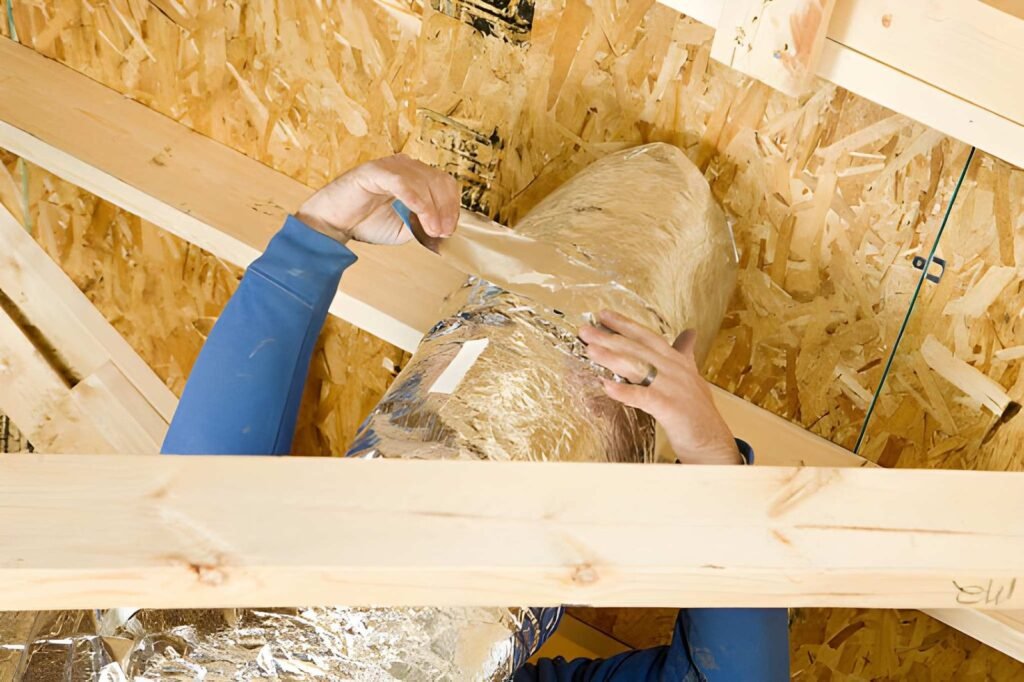
When finishing a basement, homeowners must adhere to the South Jordan building code and Utah construction standards.
Permit Requirements
Permits are needed for most of the basement construction. These guarantee that your work complies with energy and safety regulations.
Inspections
Inspectors verify compliance by checking insulation levels during construction. To prevent delays, compliance with basement permit requirements is crucial.
Local Standards
Although there can be additional local regulations, South Jordan adheres to the more general Utah construction standards. Before starting any project, make sure that you consult the local building department.
Why Professional Basement Insulation Installation Matters?
Proper insulation installation is equally as crucial as material selection.
A professional contractor like CCS of Utah can:
- Choose the correct R-value
- Install appropriate vapor barriers to manage moisture
- Seal air leaks to improve efficiency
You can make sure your project complies with regulations and passes inspections by working with a basement insulation contractor South Jordan.
Professional installation also increases long-term energy efficiency and durability. This is particularly crucial for homeowners who want to renovate their basements completely.
When To Upgrade Basement Insulation?
Upgrading insulation makes sense in lots of scenarios:
Finishing An Unfinished Basement
To comply with regulations and enhance comfort, insulation must be added.
Remodeling Older Homes
Older homes might not be able to meet the residential code for basement insulation R-value under the current residential code. Upgrading helps in keeping them current.
Improving Energy Efficiency
Improved insulation lowers energy costs and increases home comfort all year long.
Improving the insulation in your basement is a wise investment that raises the value of your house.
FAQs
1. What is the required R-value for basement insulation in Utah?
Depending on the type of wall, Utah usually requires either R-10 continuous insulation or R-13 cavity insulation.
2. Do finished basements require insulation by code?
Yes. To pass inspections and meet energy efficiency requirements, insulation is necessary.
3. Is spray foam insulation allowed under residential code?
Yes. When properly installed, spray foam can meet the necessary R-value.
4. Do basement floors need insulation in Utah?
Yes, in certain situations. It is dependent upon the home’s design and heating system.
5. Do South Jordan permits require insulation inspections?
Yes. When finishing a basement, insulation is typically inspected to make sure it complies.
“Planning to finish your basement? Our South Jordan basement remodeling experts ensure insulation meets Utah building code and energy efficiency standards.”