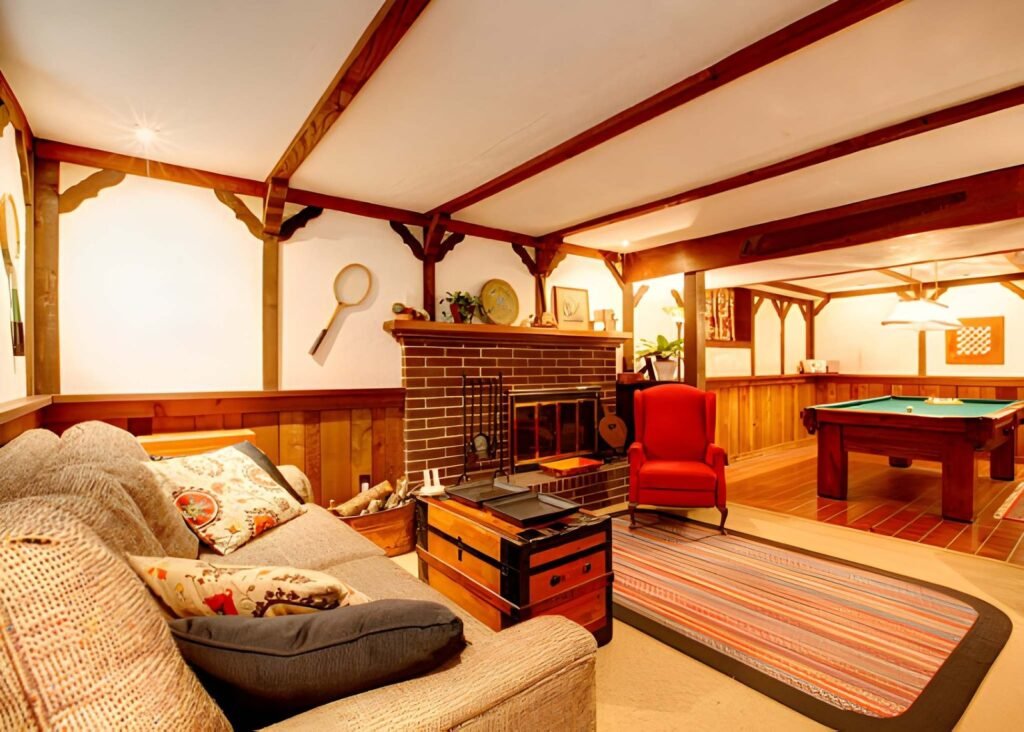
It takes more than just staging and pricing to sell a house in South Jordan. Your finished basement must adhere to local safety regulations and building rules before it can be sold. Many homeowners are not sure of egress regulations, permit requirements, or disclosure requirements that could cause a delay in closing.
A basement compliance checklist before resale will help you discover issues early on, avoid failed inspections, and preserve the value of your house. A seamless transaction and fewer surprises during the buyer’s inspection process are guaranteed when one is aware of Utah construction regulations.
Verify Basement Permits And Documentation
Missing documentation can result in delays, reduce buyer confidence, and potentially need expensive adjustments before the sale closing.
Confirm Basement Finishing Permits
Permits from the local building department are needed for most finished basements. The basement permit verification attest to the structural, plumbing, and electrical work’s compliance with the South Jordan building code.
Check For Approved Inspections
It takes more than just permits. Inspections also need to be finished and authorized.
Typical inspections include:
- Electrical inspection
- Framing inspection
- Plumbing inspection
- Final building inspection
Authorized inspections attest to the remodel’s adherence to Utah construction standards and the area’s safety for potential tenants.
Ensure Remodel Records Are Complete
Real estate brokers and buyers frequently ask for documentation of remodeling projects.
Important documents consist of:
- Contractor invoices
- Inspection reports
- Permit approvals
- Remodel plans
Having complete information enhances the validity of your basement permit and facilitates a smooth sales transaction.
Check Egress And Safety Requirements
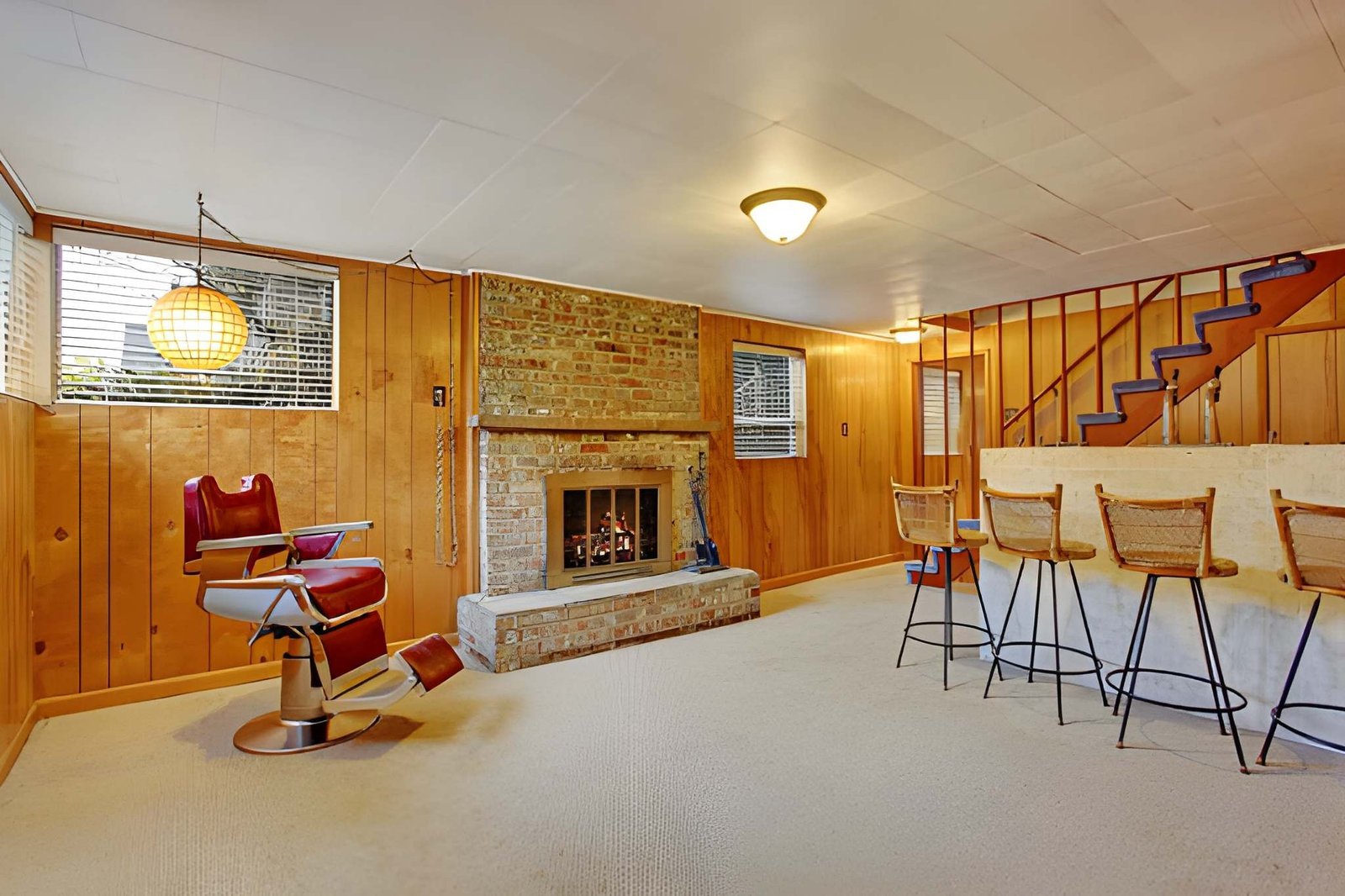
For finished basements, egress and safety features are essential, particularly when bedrooms are involved.
Proper Egress Windows In Bedrooms
Every bedroom in your basement needs to have an egress window.
Typical basement egress requirements include:
- Easy opening without tools
- Minimum window opening size
- Proper window well depth
One of the most important items on a basement compliance checklist before resale is fulfilling basement egress standards.
Emergency Escape Access
Emergency exits need to be easily accessible and visible.
Inspectors will confirm that:
- There are no obstructions in the window wells
- Ladders are installed as needed
- Easy access to escape routes
Buyers and homeowners are both protected by this kind of safety compliance.
Stairway Safety Compliance
Basement stairs need to adhere to building regulations for accessibility and safety.
Check for:
- Suitable handrails
- Steady step height
- Adequate lighting
Before advertising the house, these features should be taken care of since they are frequently assessed during a resale inspection checklist.
Inspect Electrical And Plumbing Compliance
Buyers may have safety concerns, including inspection failures due to outdated wiring or poorly built plumbing.
Code-Compliant Outlets And GFCI Protection
Electrical outlets must adhere to the most recent electrical code requirements.
Check your basement for:
- Adequate outlet spacing
- GFCI outlets close to sources of water
- Properly grounded outlets
These modifications help in guaranteeing the basement’s safe electricity consumption.
Updated Wiring Systems
A professional electrician can verify if your system consists of:
- Proper wiring insulation
- Safe circuit capacity
- Updated electrical panels
Addressing these problems ensures that your basement utilities meet current standards.
Properly Installed Plumbing Fixtures
A plumbing inspection should confirm:
- Appropriate drainage
- Safe connections for water supplies
- Leak-free fixtures
Plumbing compliance guarantees the basement compliance checklist before resale and lowers the possibility of water damage.
Review Ceiling Height And Structural Standards
Another crucial item on a basement compliance checklist before resale is structural safety.
Minimum Ceiling Height Requirements
Ceilings typically need to be at least seven feet high, though beams and ducting may be an exception. Low ceilings may affect the basement’s appraisal value and decrease its usable square footage.
Load-Bearing Beams And Walls
A load-bearing wall needs to be appropriately supported by beams or posts.
Structural professionals can verify that:
- Correct installation of support beams
- Posts are firmly anchored
- Structural loads are balanced
These inspections guarantee long-term safety and structural compliance.
Structural Integrity Concerns
Look for obvious structural problems in the basement, such as:
- Cracked walls
- Sagging beams
- Uneven floors
Before advertising the house, these issues need to be resolved in order to comply with basement code requirements Utah.
Evaluate Moisture And Waterproofing Conditions
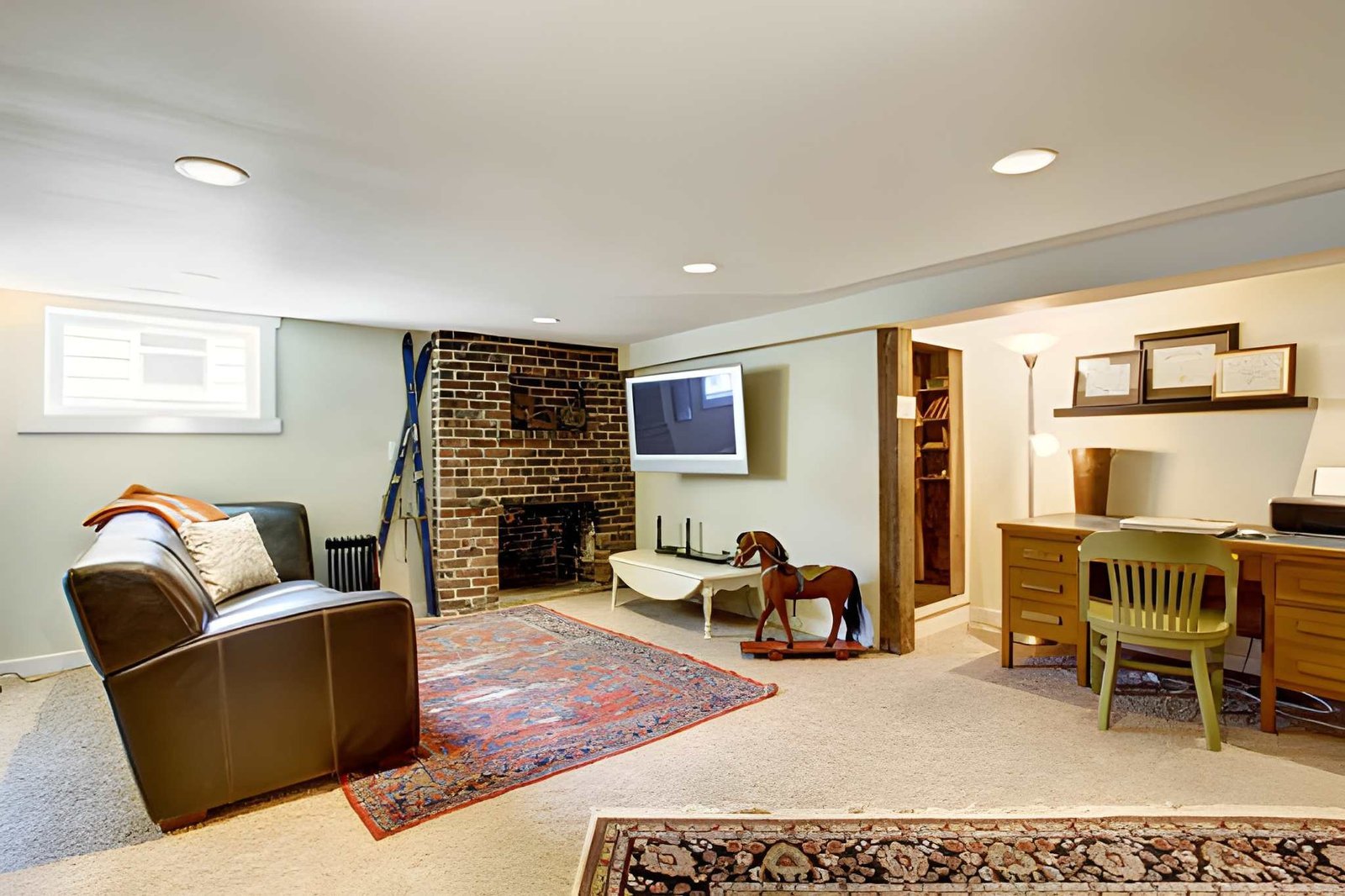
During buyer inspections, moisture issues can create suspicions and lower the value of the home.
Signs Of Water Intrusion
Keep an eye out for typical signs of water issues:
- Watermarks on the walls
- Damp smells
- Paint or drywall peeling
These signs point to potential drainage or foundation problems.
Mold Concerns
Moisture in the basement can cause mold to grow, which can result in health issues and costly repairs.
If mold is suspected:
- Address the moisture source
- Conduct professional testing
- Replace or clean damaged materials
Keeping a home safe requires early detection.
Drainage And Sump Pump Systems
Efficient drainage systems help in preventing flooding in the basement.
Key features to inspect include:
- Functional sump pumps
- Proper exterior grading
- Working drainage systems
One of the most important steps in any basement compliance checklist before resale is proper basement waterproofing.
Confirm Proper Heating And Ventilation
Finished basements are safe and comfortable all year round thanks to heating and ventilation.
HVAC Compliance
Basements should have approved alternatives or be connected to the home’s heating system.
Check for:
- Functional vents
- Proper HVAC duct connections
- The space’s heating is balanced
Complying with HVAC regulations enhances efficiency and comfort.
Proper Airflow
Good ventilation helps to minimize humidity buildup and stale air.
Improvements to ventilation could include:
- Air return vents
- Dehumidifiers
- Proper air circulation systems
These features promote good indoor air quality.
Smoke And Carbon Monoxide Detectors
Most homes must have safety devices.
Set up detectors:
- Close to places where people sleep
- On every level of the basement
- Close to the mechanical rooms
These devices improve future occupant safety and help meet basement ventilation standards.
Why A Pre-Listing Basement Inspection Is Smart?
Homeowners can find basement problems before purchasers do by doing a pre-listing inspection.
Identify Issues Before Buyers Do
Professional inspectors can assess:
- Code compliance
- Electrical systems
- Moisture concerns
- Structural safety
A comprehensive basement compliance checklist before resale is supported by this initial inspection.
Prevent Price Reductions
When problems are found during inspections, buyers frequently bargain for lower prices. The market value of the house can be preserved by taking care of issues in advance.
Ensure Smooth Closing
Homes that adhere to safety and code requirements usually go through the closing process more quickly.
A professional basement inspection South Jordan like CCS of Utah lowers the possibility of last-minute surprises and helps verify compliance.
FAQs
1. What is included in a basement compliance checklist before resale?
Permit verification, egress checks, structural safety, electrical compliance, and moisture inspection.
2. Do I need permits for a finished basement in South Jordan?
Yes, most finished basements require permits and approved inspections.
3. What happens if my basement was finished without a permit?
It may need inspection, retroactive permits, or corrections before closing.
4. Are basement bedrooms required to have egress windows?
Yes. Bedrooms must meet emergency escape requirements under Utah code.
5. Can basement compliance issues delay a home sale?
Yes. Inspection failures can lead to renegotiation or delays.
“Preparing to sell your home? Schedule a basement compliance review with South Jordan’s trusted remodeling experts.”