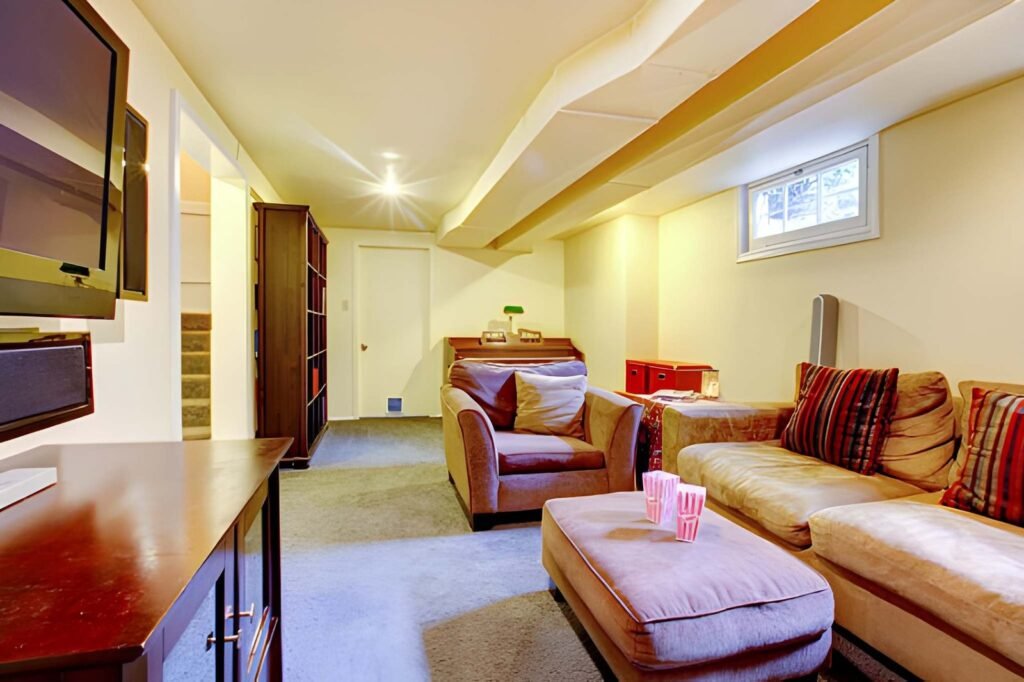
Your home will gain more living space and value if you finish your basement, but it must adhere to building and environmental regulations. Environmental compliance in Utah includes moisture management, ventilation, insulation, and responsible construction techniques.
Because basements are below ground, they are susceptible to humidity, inadequate ventilation, and energy loss. Homeowners may experience mold development, unsuccessful inspections, or increased utility costs if these problems are unaddressed.
Understanding the basement finishing environmental compliance ensures that your renovation project complies with safety requirements, safeguards indoor air quality, and passes local building inspections in South Jordan.
What Environmental Compliance Means For Basement Finishing?
Adhering to building, health, and energy laws that safeguard air quality, regulate moisture, and enhance energy efficiency is known as basement finishing environmental compliance. These basement finishing regulations guarantee that finished basements satisfy municipal building requirements needed for permits and inspections, and are safe places to live.
Environmental constraints affect your basement project in several specific ways, which include:
- Airflow and ventilation
- Appropriate disposal of waste
- Energy efficiency requirements
- Moisture and mold prevention
- Safe construction materials
These rules are enforced during the permit and inspection procedure by local building authorities. In addition to safety, compliance is crucial for preserving property value and preventing future expensive adjustments.
If environmental regulations are neglected, homeowners may face:
- Failed building inspections
- Mold or issues with the quality of the air
- Rising expenses for heating and cooling
- Reduced resale value
Moisture Control And Indoor Air Quality Standards
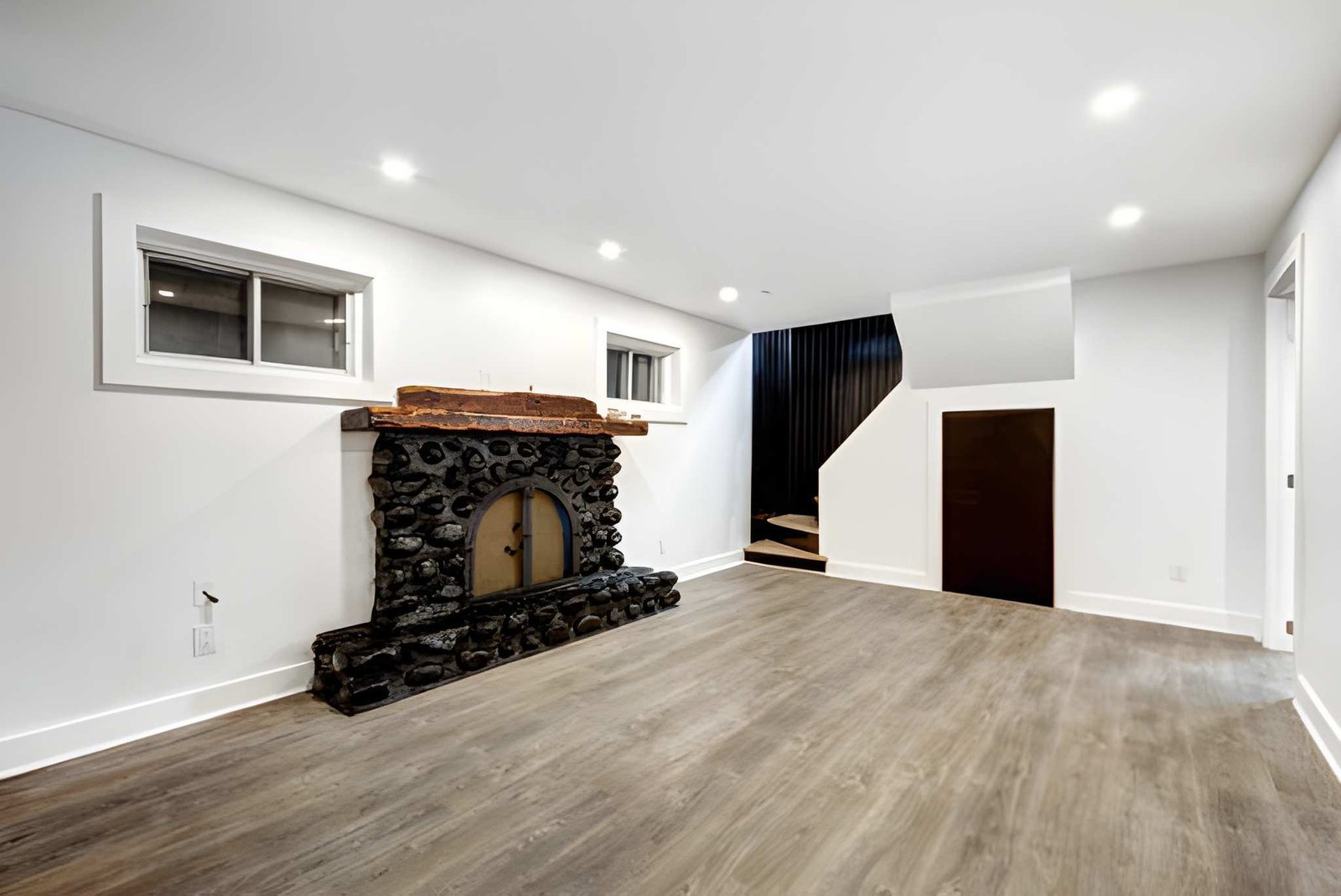
Basement moisture control is important to prevent the formation of mold, and maintain adequate airflow to comply with indoor air quality basement regulations. This is achieved by utilizing vapor barriers, ventilation systems, waterproofing technologies, and humidity management to maintain a dry and healthy environment.
Moisture incursion is common in basements since they are surrounded by soil. The goal of environmental compliance is to keep moisture out of completed living spaces.
The following are essential moisture control requirements:
Vapor Barrier Installation
Concrete floors and walls can be shielded from moisture by a vapor barrier. Usually, it is placed under flooring or under drywall.
Basement Ventilation
Appropriate ventilation lowers humidity and enhances indoor air quality. Among the ventilation systems are:
- Dehumidifiers
- HVAC extensions
- Mechanical ventilation systems
Mold Prevention Measures
Mold-resistant materials and designs are mandated by building codes. This includes:
- Mold-resistant drywall
- Treated framing materials
- Waterproof flooring systems
Energy Efficiency And Insulation Compliance
According to Utah energy code basement, basement flooring, walls, and ceilings must adhere to strict insulation requirements. These rules cut energy consumption while enhancing thermal performance, minimizing heat loss, and assisting in the maintenance of pleasant temperatures.
An important factor in basement insulation compliance is energy efficiency.
Basement Wall Insulation
To stop heat transfer, basement walls usually need insulation with specific R-value ratings.
Typical types of insulation include:
- Fiberglass batts
- Rigid foam boards
- Spray foam insulation
Air Sealing Requirements
Humidity problems and heat loss can result from tiny air leaks. Gaps must be sealed by contractors around:
- Electrical intrusions
- Framing joints
- Pipes
- Windows
Thermal Performance
To maintain constant temperatures throughout the house, finished basements must be integrated with the HVAC system.
By adhering to these guidelines, homeowners can reduce their utility expenses and keep their homes pleasant all year long.
Sustainable And Low-Emission Material Requirements

Environmental safety is enhanced by sustainable and low-emission products that lower harmful substances in indoor air. Low VOC materials basement are advised or mandated by many conventional building codes in order to reduce harmful emissions and safeguard indoor air quality over time.
Volatile Organic Compounds, or VOCs, are compounds present in a variety of building materials.
Among the low-VOC materials are:
- Low-VOC primers and paints
- Eco friendly sealants and adhesives
- Formaldehyde-free insulation products
- Eco friendly flooring materials
These products contribute to the maintenance of better indoor air quality in finished basements by releasing fewer airborne chemicals.
Additionally, eco friendly basement materials support:
- Better ventilation
- Long-term home sustainability
- Reduced environmental impact
Waste Disposal And Construction Debris Regulations
Drywall, insulation, demolition materials, and other debris created during basement renovations must be properly disposed of in accordance with construction waste compliance Utah. In addition to preventing environmental pollution, responsible waste management guarantees adherence to regional building codes.
There are various waste types that can be produced during basement finishing:
- Concrete debris
- Insulation removal
- Outdated framing or drywall
- Packaging from new materials
Contractors are required to adhere to approved basement renovation regulations, such as:
Construction Waste Separation
When possible, recyclable items like cardboard, metal, and wood should be kept apart.
Safe Handling Of Hazardous Materials
Hazardous items like lead-based paint particles or mold-contaminated insulation can be found in older homes.
Approved Disposal Facilities
Waste needs to be sent to recycling facilities or approved landfills.
While maintaining the safety and order of the construction site, proper waste management also preserves the environment.
South Jordan And Utah Environmental Code Requirements
South Jordan complies with both local and state building codes in Utah. Permits, inspections, and documentation attesting to adherence to safety and environmental regulations are typically necessary for basement finishing projects.
Common South Jordan building code include:
1. Approval of basement remodeling permit
2. Verification of insulation and energy compliance
3. Plumbing and electrical inspections
4. Final building inspection
During the inspection procedure, inspectors assess if the basement satisfies the following requirements:
- Air quality
- Energy efficiency
- Moisture control
- Structural safety
Fines or the forcible removal of non-compliant construction are possible outcomes of skipping the permission process.
Why Hiring A Professional Basement Contractor Matters
Given the complexity of regulations, hiring a professional basement contractor South Jordan can make a significant difference in ensuring compliance and project success.
Your basement renovation will adhere to building laws, safety requirements, and environmental regulations if you choose a professional contractor. Professional contractors like CCS of Utah make use of certified materials that pass inspections and offer long-term performance, and they are aware of permit requirements.
Expert basement finishing contractor offer a number of benefits:
- Precise assessments of code compliance
- Installing vapor barriers and insulation correctly
- Knowledge of local permit processes
- Effective project administration
Plus, they help homeowners avoid basement finishing environmental compliance errors, such as inadequate moisture protection or ventilation.
Above all, professional service guarantees that the finished basement will be secure, cozy, and long-lasting for many years.
Cost Considerations For Environmentally Compliant Basement Finishing
Additional up-front expenses for permits, inspections, insulation upgrades, and moisture management systems may be associated with basement finishing environmental compliance. However, by increasing energy efficiency and avoiding expensive repairs, such expenses frequently lower long-term costs.
Typical cost factors are as follows:
- Inspection costs and building permits
- Energy-efficient insulation upgrades
- Moisture protection systems
- Eco-friendly building materials
FAQs
1. What is basement finishing environmental compliance?
Basement finishing environmental compliance involves adhering to rules on waste management, building materials, ventilation, insulation, and moisture control during renovation projects.
2. Do I need a permit to finish a basement in South Jordan?
Yes. To ensure the work complies with building rules and environmental safety standards, most basement finishing projects require permits and inspections.
3. How does environmental compliance improve indoor air quality?
To avoid mold growth and reduce airborne pollutants, compliance ensures adequate ventilation, moisture control, and low-VOC building materials.
4. Are energy codes required for basement finishing in Utah?
Yes. To enhance thermal performance and reduce energy consumption, Utah energy codes require basements to meet insulation and air-sealing requirements.
5. Can I finish my basement without meeting environmental codes?
No, failing to comply with building and environmental rules may result in penalties, unsuccessful inspections, or the need for renovations to bring the area into compliance.
“Planning a basement finishing project? Speak with South Jordan’s trusted basement remodeling experts to ensure full environmental compliance and lasting results.”