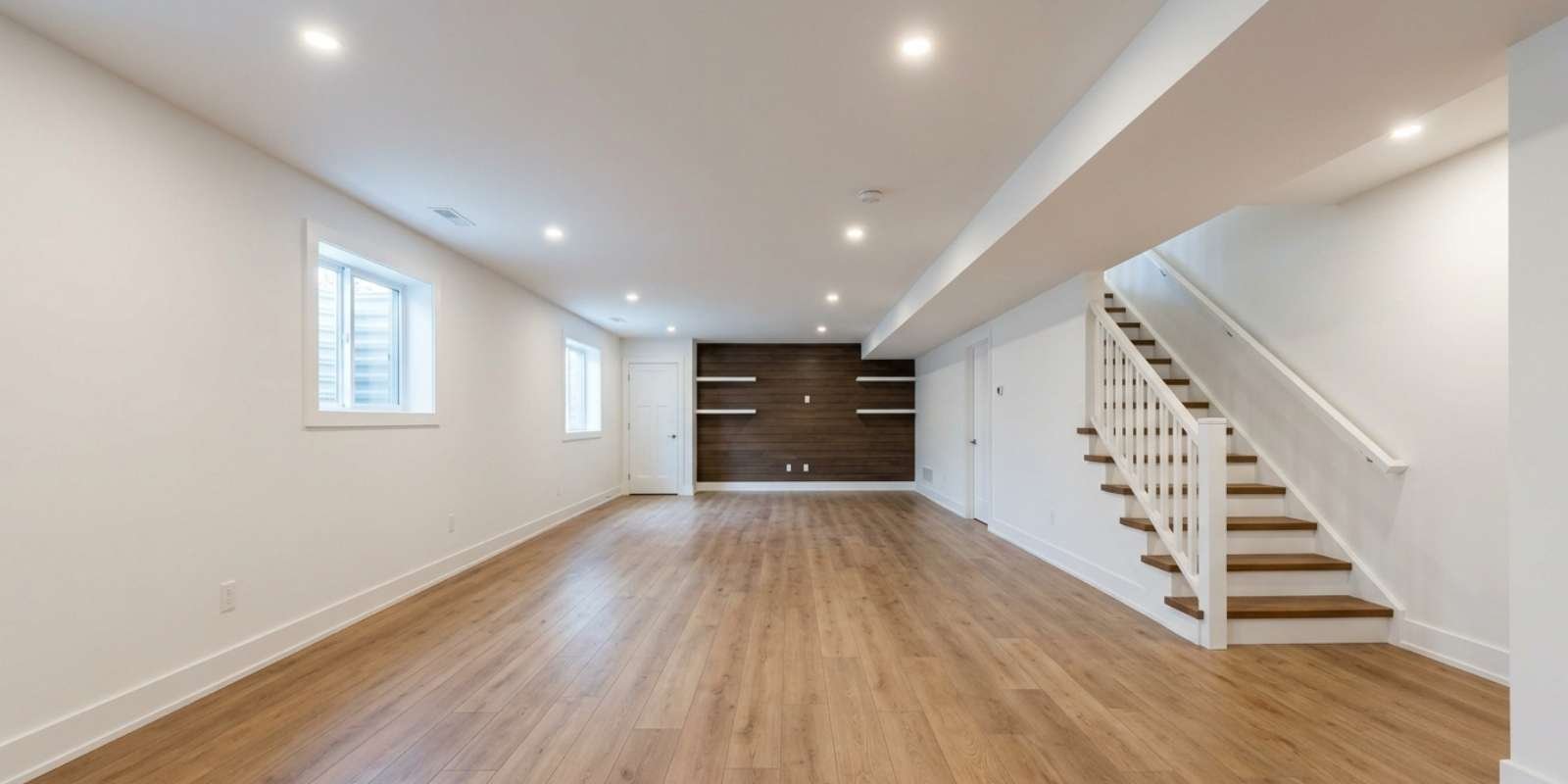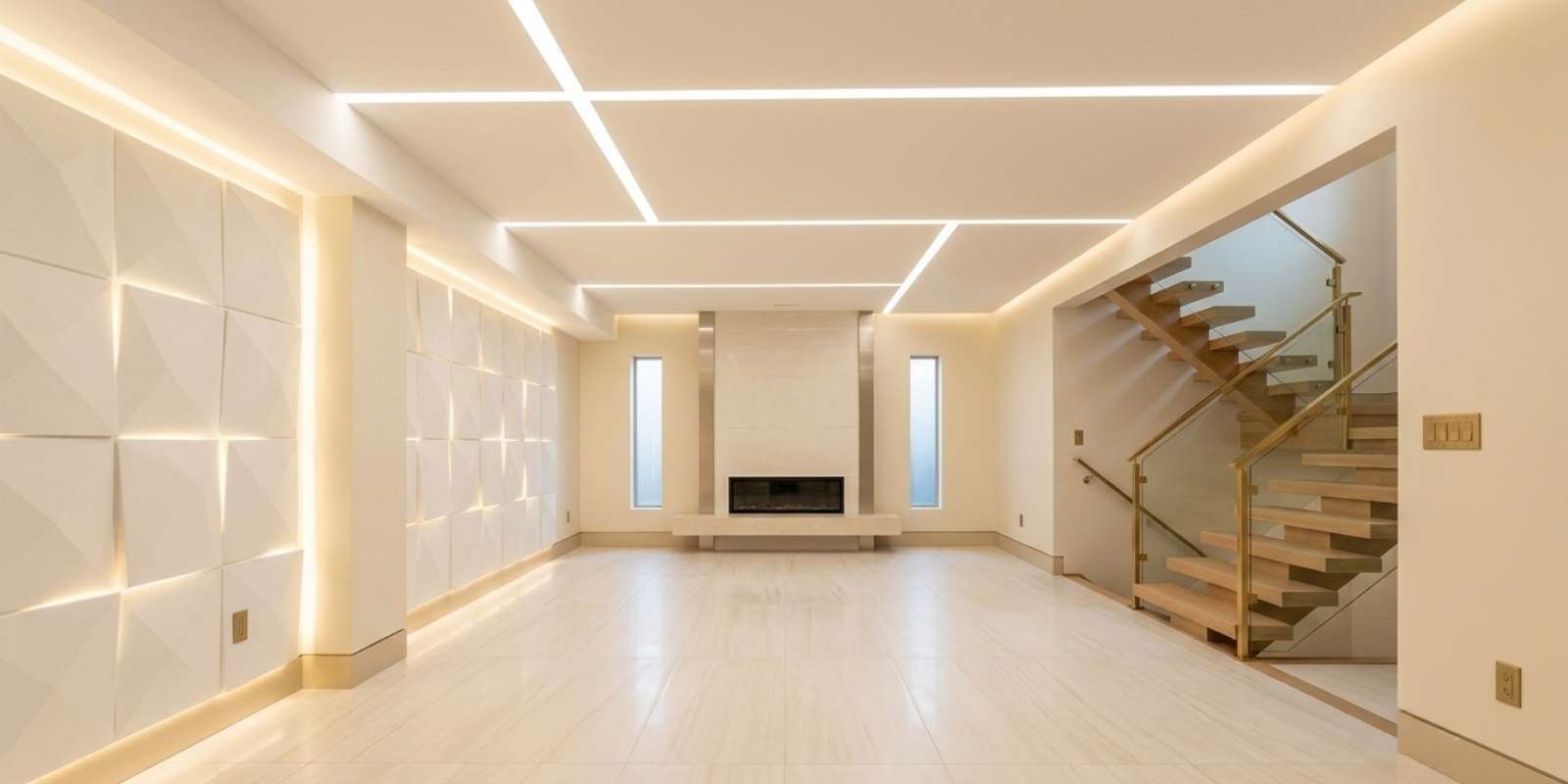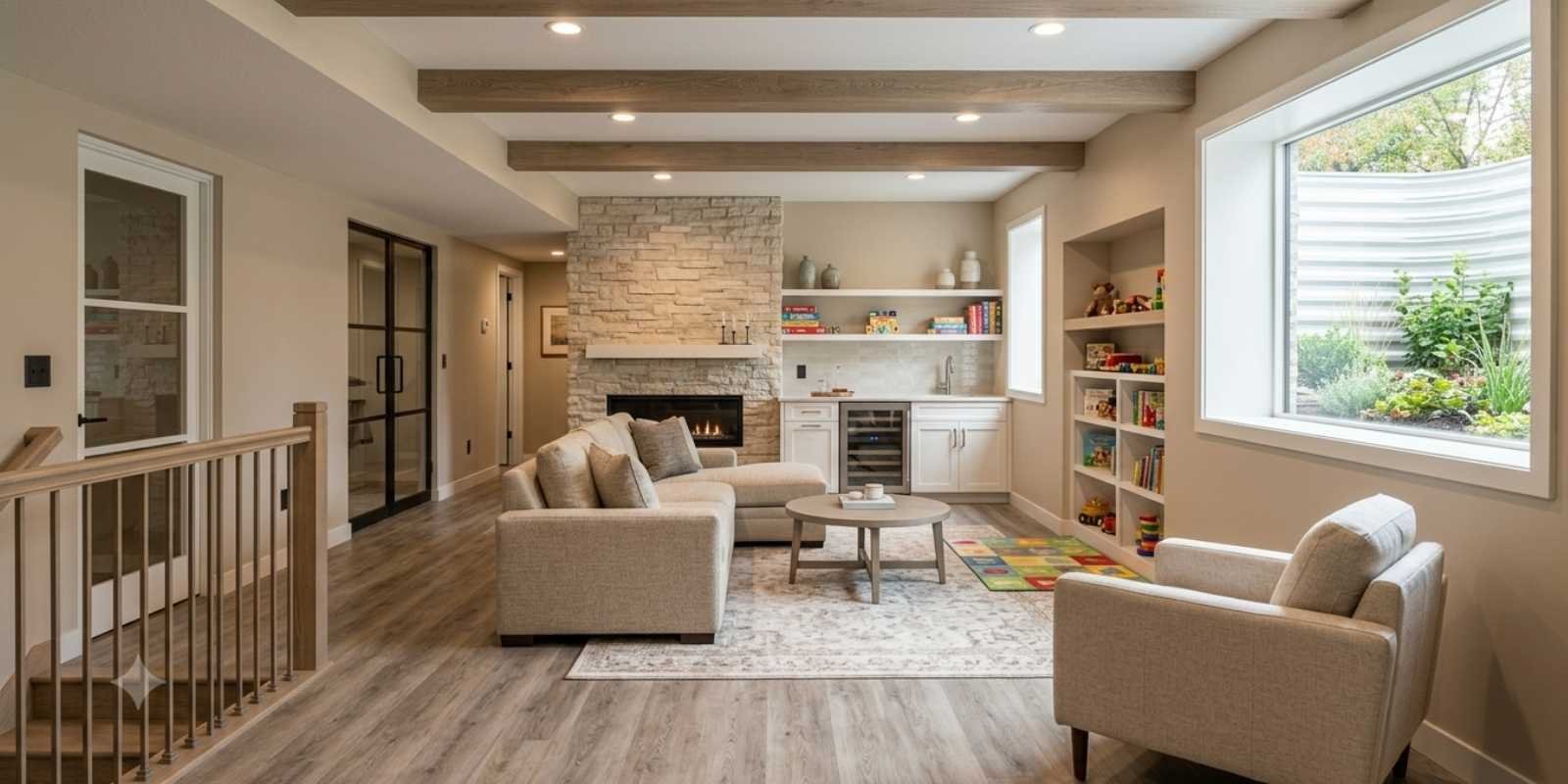

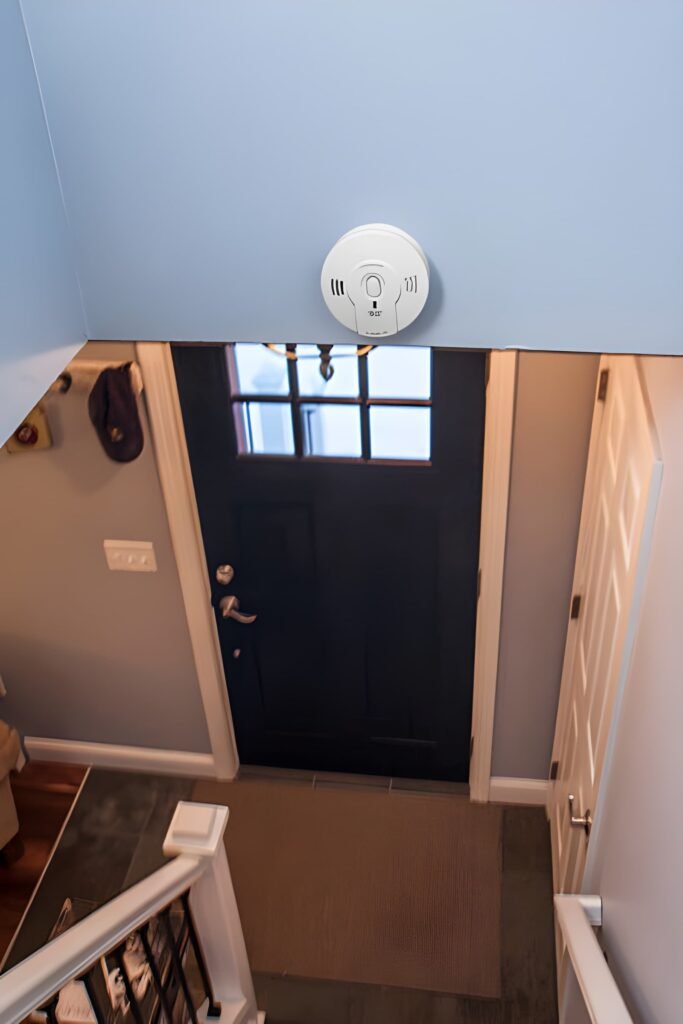
Fire safety must be the top priority whether converting your basement into a family room, guest suite, or rental space. To ensure this, you must first understand South Jordan’s smoke detector requirements for finished basements before kicking off your renovation.
Upgrades to fire safety are sometimes overlooked by homeowners who concentrate on painting, drywall, and flooring. If alarms are missing or incorrectly installed, there may be significant safety issues, fines, or even failed inspections. What you need to know about local codes, basement smoke alarms, and how to pass your first inspection is broken down in this guide.
Smoke Detector Requirements For Finished Basements
Smoke alarms are required while remodeling a basement. According to building codes, they must be installed in certain areas to protect residents and provide early fire detection.
When Do Smoke Alarms Need To Be Installed?
Installing smoke alarms is required when:
- Adding a bedroom
- Creating a rental unit
- Finishing previously unfinished space
- Making significant electrical upgrades
Most of the time, when a basement is remodeled, the entire house—not just the basement—must have updated basement smoke alarm code standards.
Interconnection Is Frequently Required
Interconnected smoke alarms are required under modern codes. This implies that all of the house’s alarms sound when one does.
This guarantees that anyone sleeping upstairs will hear the alarm as soon as a fire breaks out in the basement.
Complying with finished basement smoke detector regulations usually entails:
- Battery backup
- Hardwired installation
The entire house is connected to the system
Utah Smoke Alarm Code Overview
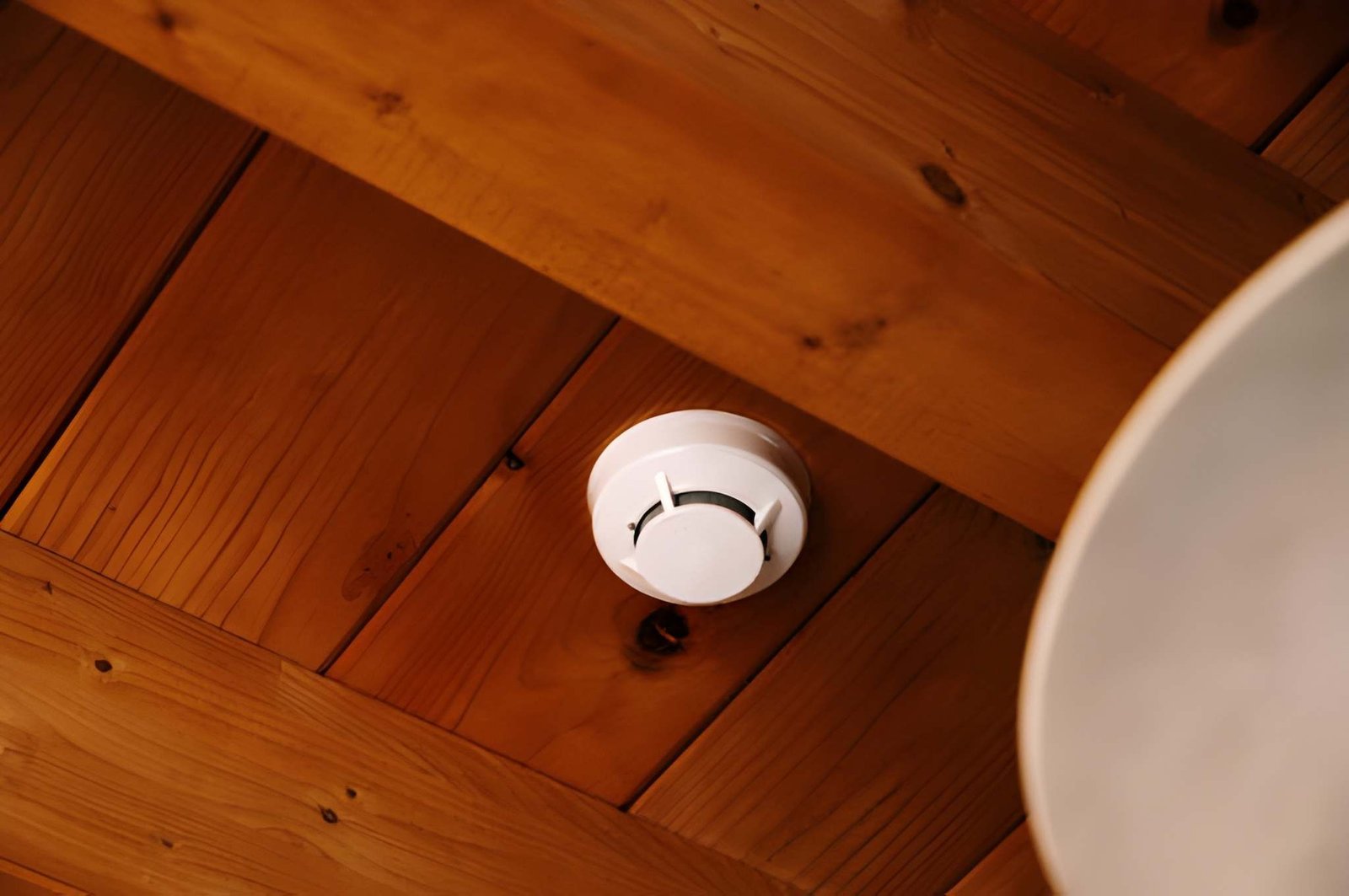
The International Residential Code (IRC) and state amendments serve as the foundation for Utah’s residential fire safety regulations.
Residential Utah Smoke Detector Code Basics
The Utah residential fire code requires smoke alarm installation:
- In every bedroom
- Outside every sleeping space
- On all floors of the house, including the basements
You should have at least one smoke alarm installed in the finished area of your basement, even if it does not have a bedroom.
When Remodeling Triggers Upgrades
It may surprise many homeowners to learn that replacing the smoke alarms upstairs may be necessary to build a basement.
You might have to replace any outdated, battery-operated, unconnected alarms in your house to comply with the most recent smoke detector requirements for finished basements.
South Jordan Building And Permit Requirements
State code is important, but so is local compliance.
Permits are required by the South Jordan building department for projects, including basement finishing. This covers life-safety systems and electrical work.
South Jordan Basement Remodeling Permit
Before any work is done, homeowners must obtain a basement remodeling permit South Jordan Building Department requires.
During the inspection, officials look for:
- Proper positioning of smoke alarms
- Interconnection functionality
- Electrical wiring compliance
- Carbon monoxide protection
Violating the South Jordan building code could result in failed inspections and costly repairs.
Where Smoke Detectors Must Be Installed In Finished Basements
Basement smoke detector placement is essential.
Here are the recommended smoke alarm installation basement locations:
1. Inside Basement Bedrooms
A smoke alarm must be installed inside any additional bedrooms.
2. Outside Sleeping Areas
It is also necessary to place an alarm outside the bedroom doors in the corridor.
3. In Main Living Areas
At least one smoke alarm must be installed in the common area of every finished basement that has family rooms, theaters, or play spaces.
4. Near Stairways
Installing alarms next to stairs connecting floors enhances early detection, since smoke rises.
Guidelines for mounting and spacing must be strictly adhered to, and smoke detector requirements for finished basements must be met to ensure the projects are completed effectively. Alarms ought to be placed high on walls or on ceilings, away from drafts and vents.
Hardwired Vs Battery-Operated Smoke Detectors
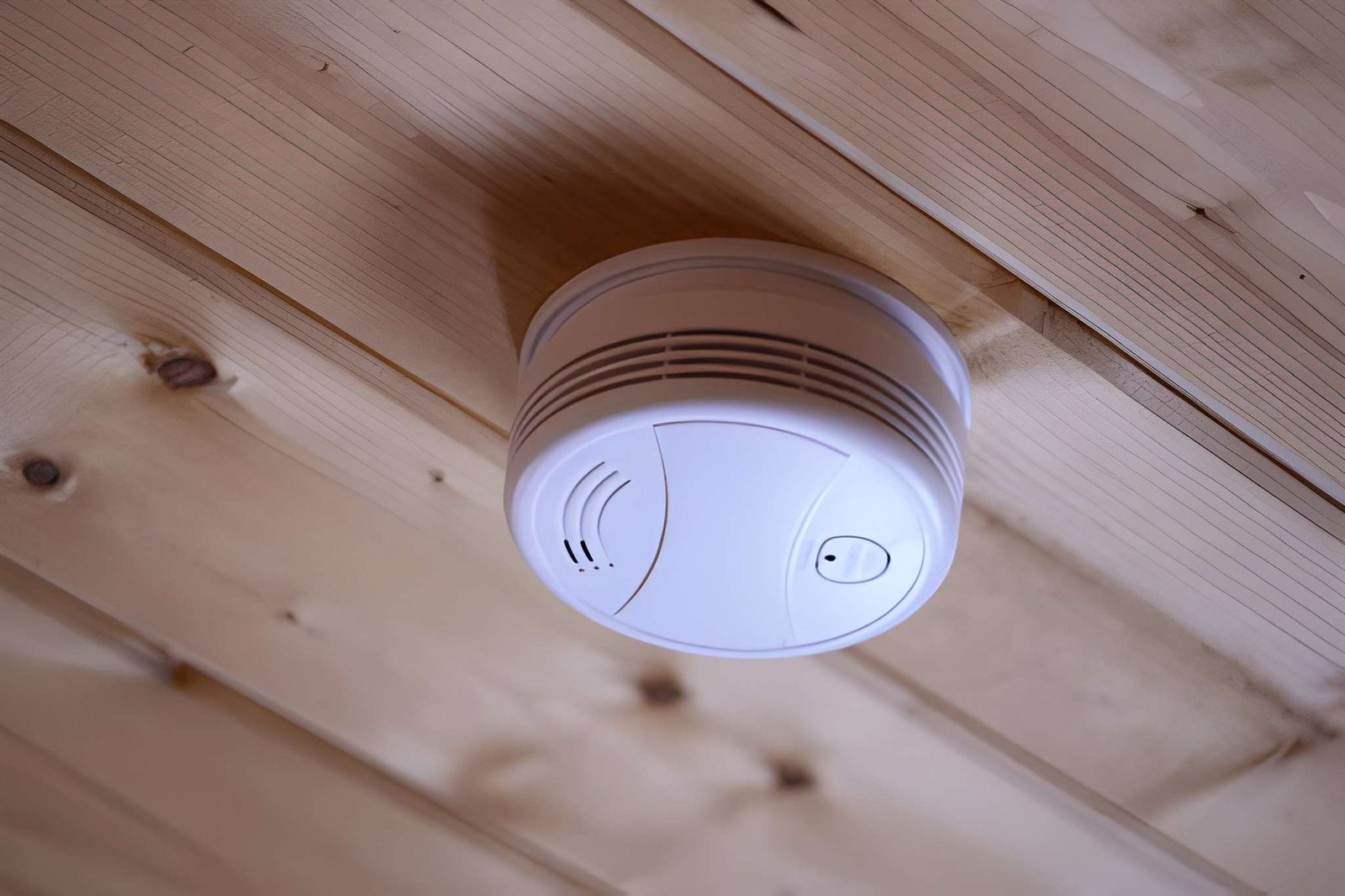
Under the existing code, not all alarms are created equal.
Hardwired Smoke Detectors
Hardwired smoke detectors that are connected to your home’s electrical system are necessary for the majority of remodels.
They must include:
- Battery backup
- Interconnection capability
Most approved basement remodels require hardwired systems because they are more dependable.
Are Battery-Only Units Allowed?
Although battery-operated units are uncommon in complete basement finishing projects, they may be permitted in some restricted retrofit circumstances.
Plan for a completely integrated system to satisfy current smoke detector requirements for finished basements.
Carbon Monoxide Detector Requirements
Smoke is only one aspect of fire safety. It could carry carbon monoxide (CO) which can be very toxic when inhaled.
When Do We Need CO Detectors?
Carbon monoxide detectors are necessary in accordance with CO alarm requirements Utah must adhere to when:
- Some appliances burn fuel
- There are now more bedrooms
- There is an attached garage at the house
The majority of Utah homes fulfill at least one of these requirements.
Proper CO Detector Placement
Installing a carbon monoxide detector basement is recommended:
- Outside of the sleeping quarters
- On every floor of the house
- In compliance with the manufacturer’s guidelines
As long as they adhere to code requirements, combination smoke/CO units are permitted.
Common Code Violations In Basement Remodels
Many basement inspection failures stem from minor alarm errors.
The most common smoke alarm code violations are as follows:
- Not noticing connected alarms
- Inadequate alarm spacing
- Alarms placed too near air conditioning vents
- Not updating the outdated alarms upstairs
- Using detectors that have expired
The average lifespan of a smoke alarm is 8 to 10 years. You’ll need to replace them if they’re older.
By avoiding these problems, you may be confident that your project satisfies all smoke detector requirements for finished basements.
Why Hiring A Professional Contractor Matters
Safety, structural, and electrical systems are all part of basement finishing. It can make a big difference to hire a trustworthy and professional basement contractor South Jordan.
A qualified contractor like CCS of Utah will:
- Make sure the wiring and location are correct
- Install devices that comply with the code
- Schedule inspections
- Help you in passing the initial inspection
- Code-compliant basement finishing
- Protect the resale value of your house
DIY mistakes can raise expenses and cause delays in your project. It is worthwhile to have a professional install life safety systems.
FAQs About Basement Smoke Alarm Requirements
1. Are smoke detectors required in a finished basement?
Yes. Smoke alarms are necessary in almost every finished basement. Additional alarms must be installed both within and outside sleeping spaces if bedrooms are added.
2. Do smoke detectors need to be interconnected?
Yes. To ensure all alarms ring simultaneously, remodeling projects often call for interconnected alarms throughout the house.
3. Are battery-operated smoke detectors allowed?
Hardwired alarms with battery backup are required for many approved remodels.
4. Do I need a permit to install smoke detectors in a finished basement?
Yes. According to local building codes, basement finishing projects usually need permits and inspections.
5. Are carbon monoxide detectors required?
Yes. CO detectors are mandated by state law if your house has bedrooms, an attached garage, or fuel-burning appliances.
“Finishing your basement? Make sure your smoke detectors meet local code requirements. Schedule a consultation with a trusted basement remodeling professional today and build with safety in mind.”