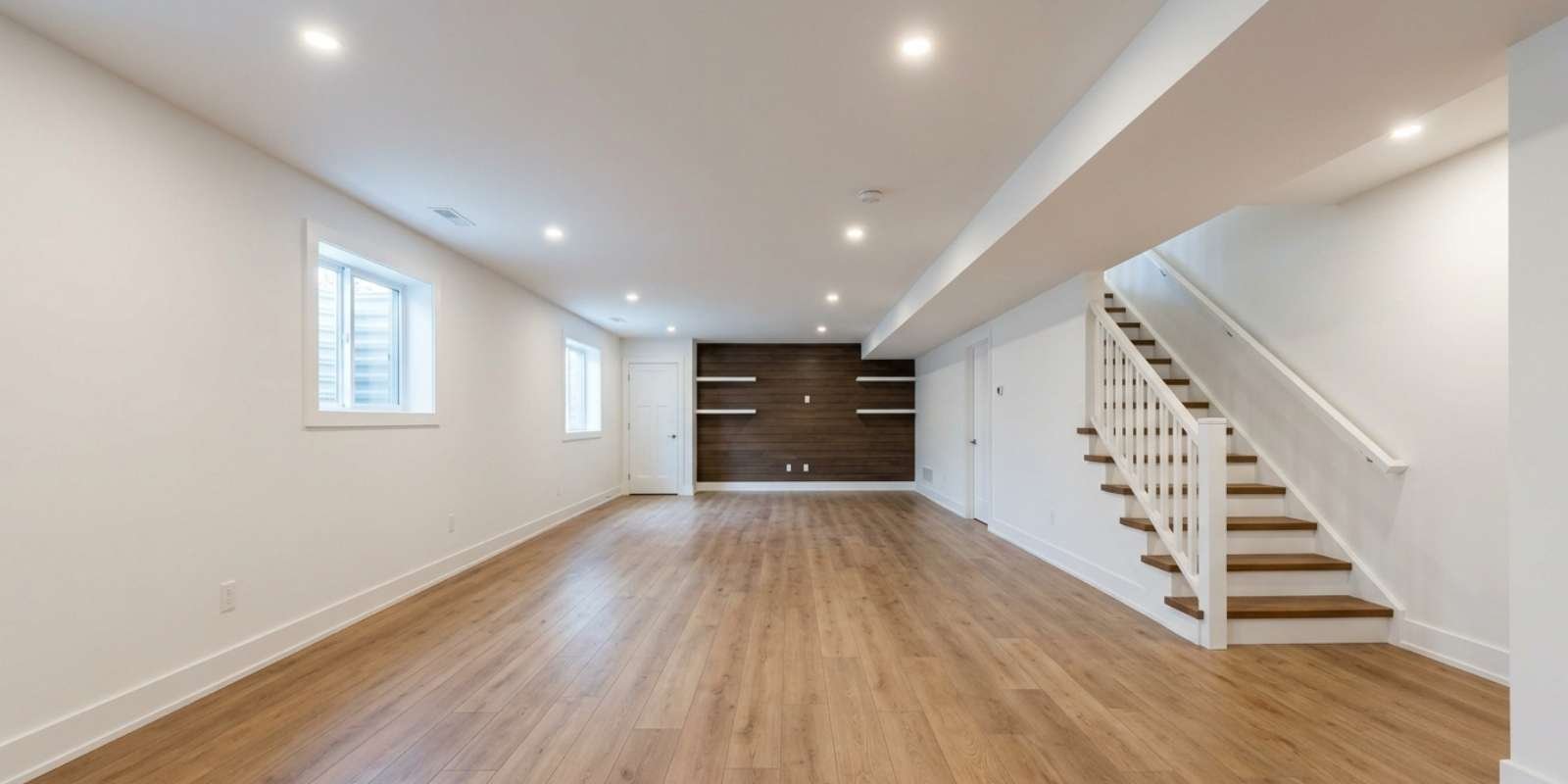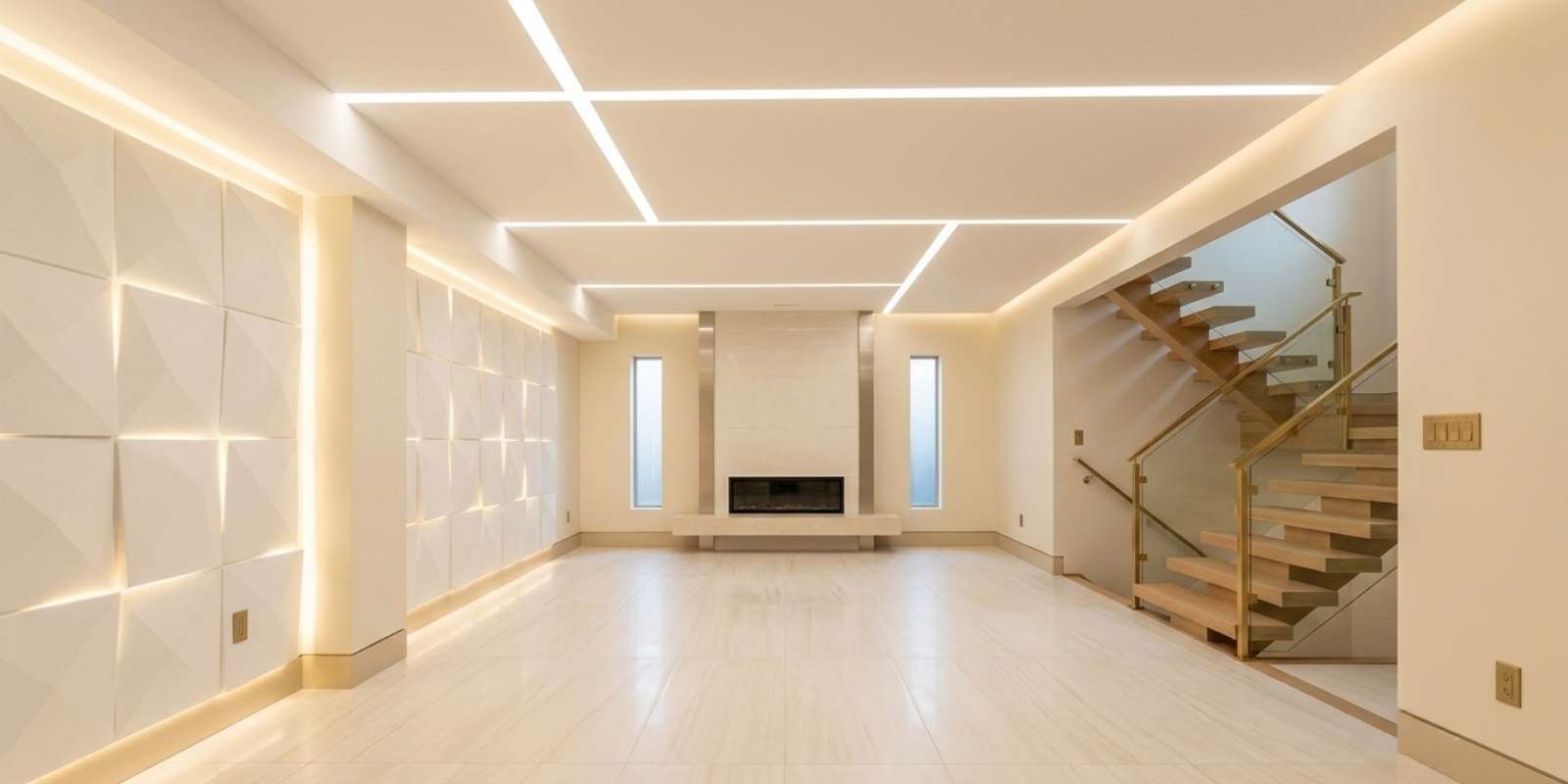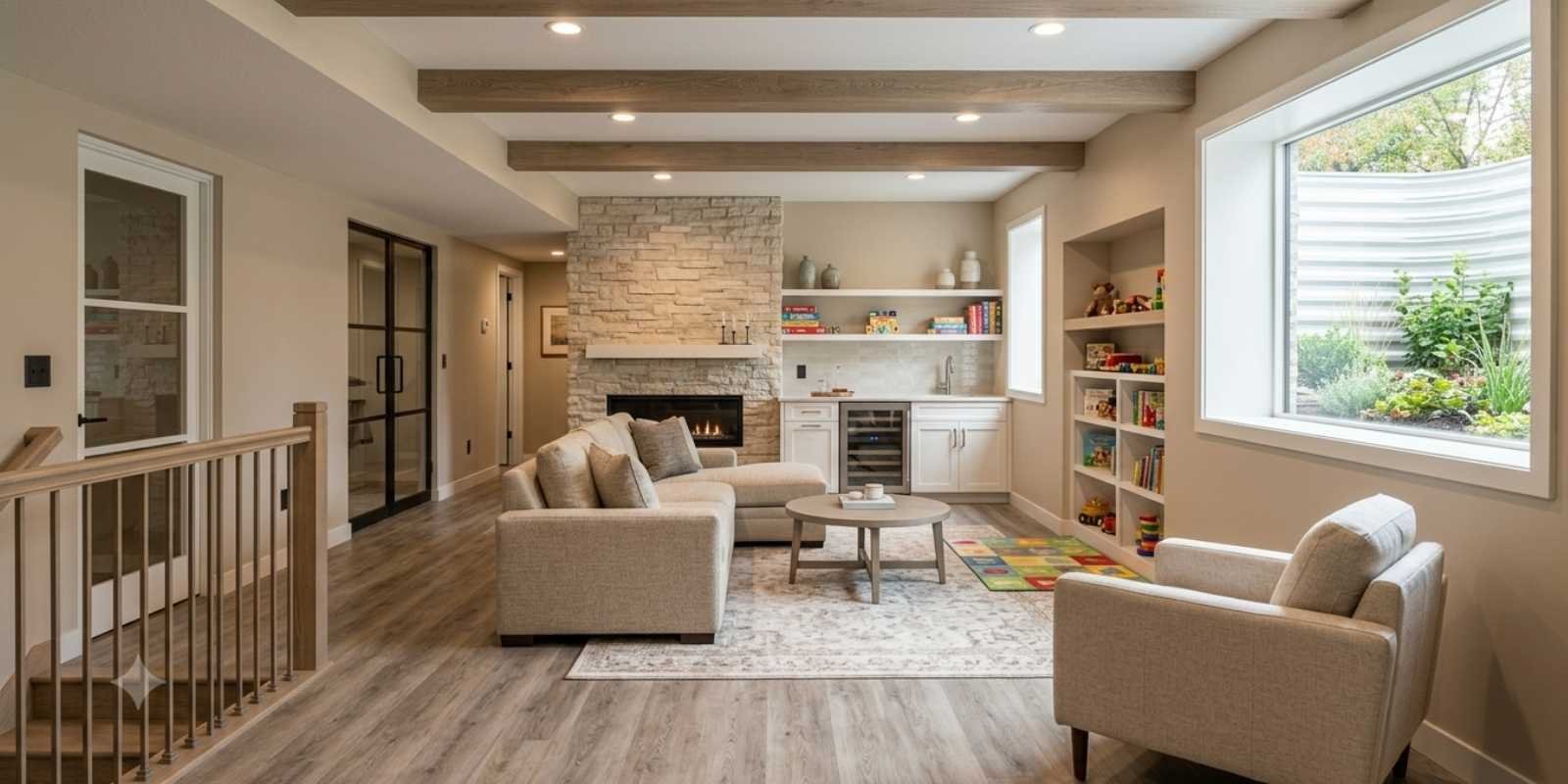

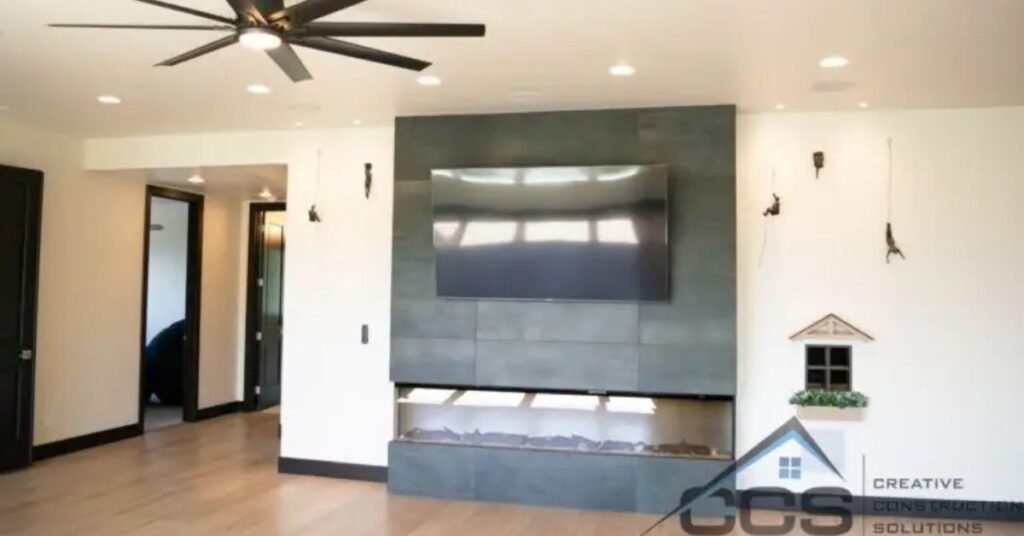
Adding a bedroom to your basement is an increasingly popular choice among homeowners seeking to expand their living space. This trend balances the pros and cons of a basement bedroom addition, and capitalizes on underused areas of the home. The new room caters to a variety of needs — from accommodating growing families to hosting long-term guests or generating rental income.
The allure of converting a basement into a bedroom stems from its potential to significantly boost a home’s functionality and increase its market value. As more people look for adaptable and cost-effective living solutions, basement bedrooms offer a smart, strategic way to enhance your property.
Does Adding a Bedroom in the Basement Add Value?
Yes. A basement bedroom is one of the higher-return basement upgrades. It recovers about 70% of its cost at resale on average, according to Angi. A legal bedroom also raises your home’s official bedroom count. That change can lift both appraised value and buyer demand.
The return depends on one key factor: the room must be a legal bedroom. It needs a compliant egress window, correct ceiling height, and a closet. Without egress, an appraiser cannot count it as a bedroom. That difference alone can change your resale value.
Pros and Cons of a Basement Bedroom
In this blog, we will delve into the pros and cons of a basement bedroom and other basement renovations, equipping you with the information you need to decide whether this improvement is the right fit for your home and lifestyle.
Benefits of adding a basement bedroom
Adding a bedroom to your basement offers a range of benefits that enhance your home’s value, functionality, and appeal.
Increased home value
Buyers often find added living spaces both attractive and functional, which makes your property stand out in a crowded real estate market. This additional bedroom not only meets the growing demand for more flexible living arrangements but also positions your home as a more versatile and appealing option for potential buyers.
Extra living space
Converting your basement into a bedroom unlocks previously underutilized square footage within your home. This is particularly beneficial for expanding families or those who frequently host guests, as it adds a critical layer of comfort and functionality. The added room serves various needs, from a private sleeping area to an extra lounge or playroom, enhancing the overall livability of your home.
Potential rental income
A basement bedroom serves as a lucrative source of rental income. Whether you’re looking into long-term rentals or exploring short-term rental opportunities through platforms like Airbnb, this space becomes a financial asset. It offers a way to help offset your mortgage payments or fund additional renovations, making it a financially strategic addition to your home.
Privacy
Offering enhanced privacy, a basement bedroom is ideal for teenagers desiring their own space or for accommodating guests who appreciate a quiet retreat. Located away from the home’s main living areas, it provides a peaceful haven that’s perfect for relaxation and independence, contributing to a better quality of life for its occupants.
Challenges of adding a basement bedroom
Exploring the challenges of adding a basement bedroom is key to understanding the complexities and potential obstacles you might face during the renovation process.
High renovation costs
Renovating a basement into a bedroom can be costly, driven by the need for significant structural modifications, extensive waterproofing, and updated electrical systems.
Homeowners embarking on such projects must carefully prepare a comprehensive budget. This budget should cover everything from basic construction to final touches like flooring and paint. Accurately forecasting these costs prevents financial overruns and ensures the project remains financially manageable.
Moisture and ventilation issues
One of the primary concerns when converting a basement into a bedroom is managing moisture and ensuring adequate ventilation. Basements are prone to dampness, which leads to mold growth and poor air quality, potentially causing health issues.
To combat this, installing robust dehumidifying systems and ensuring the space is well-insulated and ventilated are essential steps. These measures not only protect the structural integrity of the home but also promote a healthier living environment.
Building codes and legal considerations
Navigating local building codes is a crucial challenge in basement renovation. These regulations often mandate specific requirements for egress windows, minimum ceiling heights, and designated fire escape routes.
Each of these aspects ensures the safety of the space’s occupants. Homeowners usually need to hire professionals, such as architects and contractors, who provide the necessary guidance and expertise to navigate these legal complexities and ensure the renovation complies with all applicable laws.
Limited natural light
A common drawback of basement bedrooms is their lack of natural light, which makes the space feel cramped and unwelcoming. Addressing this issue typically involves installing egress windows that not only bring in more light but also serve as safety exits.
Additionally, creative lighting solutions, such as the strategic placement of artificial lights, enhance the ambiance and make the space feel brighter and more spacious. However, these improvements add significantly to both the cost and complexity of the project, requiring careful planning and design.
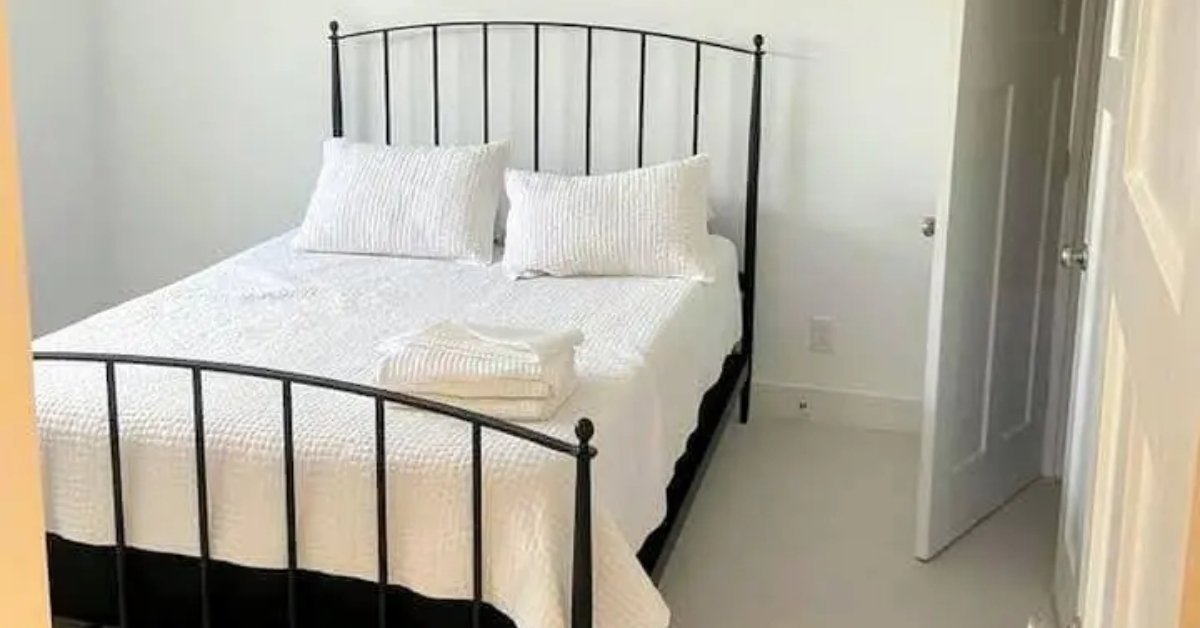
Design considerations
When adding a bedroom to your basement, thoughtful design considerations are key to creating a space that is both functional and inviting.
Choosing the right layout
Start by thinking about how the space will be used. Identify the natural focal points of the room — there might be architectural features like alcoves or existing windows. Arrange key furniture pieces such as the bed and seating area to take advantage of these features.
Consider the flow of movement within the space. Ensure there’s ample room to walk around the bed and easy access to the closet and bathroom, if included. Smart layout planning makes a compact space feel spacious and functional.
Selecting materials
The choice of materials in a basement bedroom significantly impacts both the aesthetics and the longevity of the renovation.
For flooring, consider vinyl planks or tiles, which are moisture-resistant and available in a variety of finishes that mimic more expensive materials like hardwood or stone.
For the walls, use mold-resistant paint or wall coverings designed for basements to prevent moisture-related problems. When selecting insulation, opt for high-quality options that will help regulate the temperature in the basement throughout the year while also providing necessary sound dampening.
Decorating for comfort
Decorating a basement bedroom offers an opportunity to create a cozy retreat that feels separate from the rest of the house. Start with a color palette that evokes warmth and tranquility — soft neutrals, pastels, or rich jewel tones work well in basement settings to counteract the lack of natural light.
Layering different textures adds depth and warmth to the room; think soft throws, cushy pillows, and thick carpets. Consider the lighting scheme carefully; a combination of overhead lights, task lighting by the bed, and soft ambient lamps transform the space into a welcoming haven.
Additionally, include personal touches such as framed photographs, a selection of books, or decorative items that reflect the occupant’s tastes, making the space feel personalized and homely.
Best basement renovations from CCS of Utah
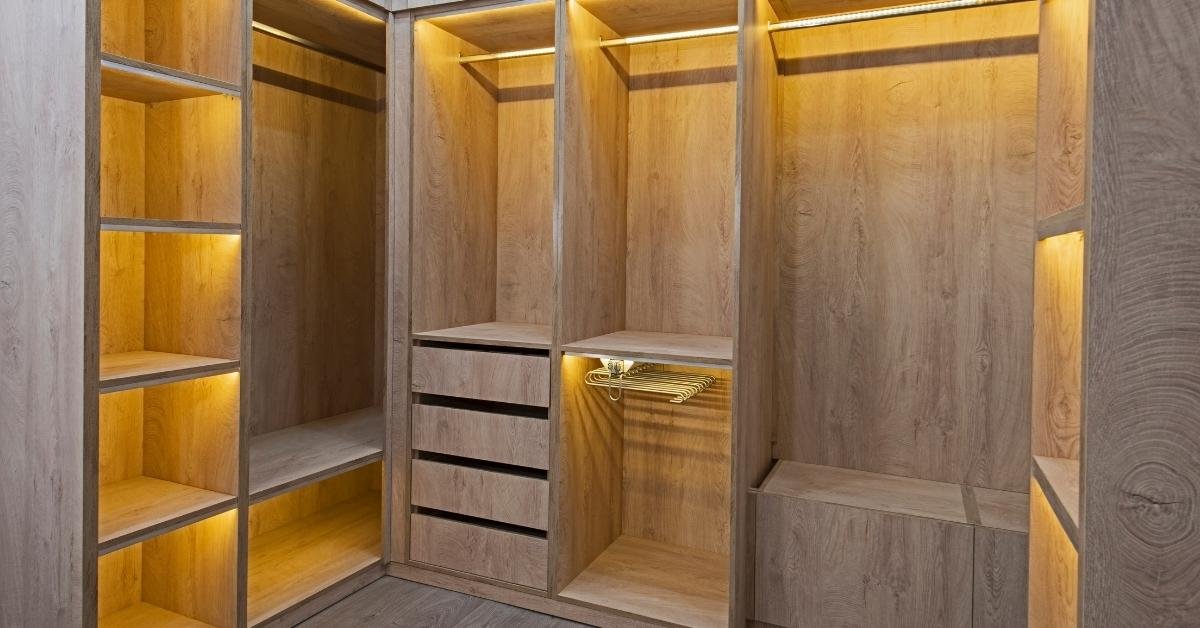
If you’re considering transforming your basement into a functional bedroom, partnering with a reliable contractor is essential. CCS of Utah stands ready to assist you.
Our team, highly experienced in basement renovations, meticulously manages every detail of your project to ensure top-tier results. At CCS of Utah, we dedicate ourselves to providing exceptional craftsmanship and thoughtful service, ensuring that each renovation is completed efficiently and to the highest standards of quality.
Trust us to transform your space with precision and care, exceeding your expectations every step of the way. Contact CCS of Utah today, and let us help you transform your basement into a valuable and inviting space that perfectly aligns with your family’s needs and enhances your home’s functionality and appeal.