
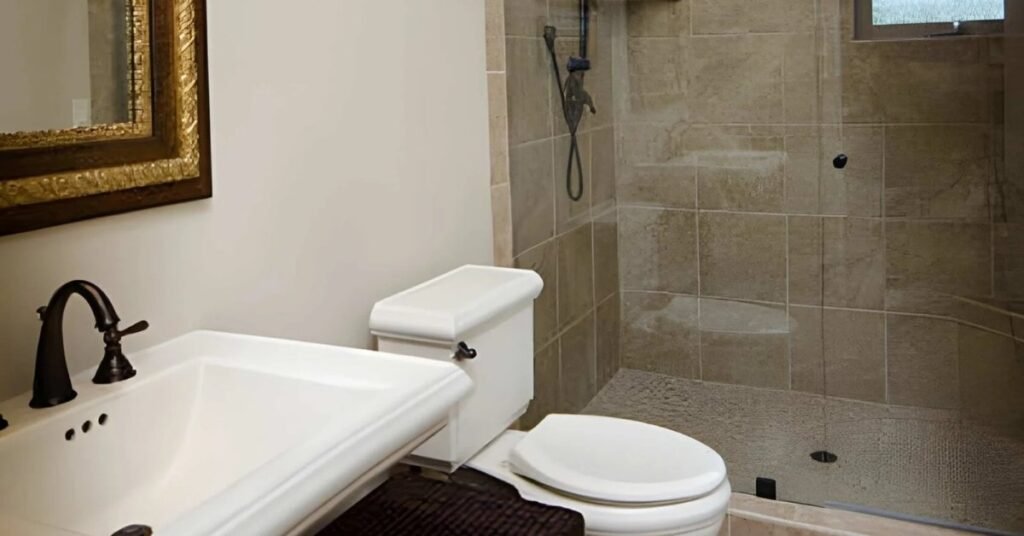
For South Jordan homeowners, a basement bathroom is a fantastic addition to their home, but building one presents special challenges. The wrong kinds of materials can be rapidly damaged by moisture, lower temperatures, and limited airflow. Homeowners need to choose only the most durable materials for basement bathrooms, or they risk mold growth, warped floors, or peeling walls.
High-quality materials improve your bathroom’s long-term performance. These can withstand daily use, resist moisture, and comply with Utah building standards. For many years, your basement bathroom may remain hygienic, secure, and attractive with careful design and installation.
Why Material Choice Matters In Basement Bathrooms
Basement bathrooms are located below ground level, which affects how materials perform over time.
Important factors that make material selection crucial:
- Less ventilation and airflow than on upper floors
- Greater exposure to moisture from groundwater and humidity
- Year-round changes in temperature
- Increased sensitivity to the growth of mold and mildew
Standard bathroom materials can cause:
- Mold growth behind the wall
- Swollen flooring
- Cracked tiles
- Expensive repairs and replacements
Choosing appropriate basement bathroom materials and moisture-resistant materials early on in the basement remodeling South Jordan helps save your investment and guarantees code compliance.
Most Durable Materials For Basement Bathrooms
An underground bathroom’s flooring is exposed to the most wear and tear. Waterproof flooring solutions are necessary because of water spills, humidity, and cold concrete slabs.
1. Ceramic And Porcelain Tile
Among all of the most durable materials for basement bathrooms, porcelain and ceramic tile are excellent choices.
The following are some of its advantages:
- Easily cleaned and maintained
- Exceptionally durable under heavy use
- Mold and stain-resistant
- Completely waterproof when placed correctly
Because porcelain tile is denser than ceramic tile, it works particularly well in moist basement conditions.
2. Luxury Vinyl Tile (LVT)
One of the most common flooring options for basement bathrooms is luxury vinyl tile (LVT).
Here are the reasons why LVT is so popular with homeowners:
- Completely waterproof
- Comfortable underfoot
- Resistant to cracking
- Materials come in stone and wood-look patterns
High-quality LVT works perfectly over concrete slabs and manages moisture well.
3. Sealed Concrete Flooring
Modern or industrial-style bathrooms look great with sealed concrete.
Its advantages include:
- Exceptionally long-lasting
- Easy to maintain
- No leaky seams
- Economical for expansive areas
For basement bathroom flooring options, concrete is one of the most durable bathroom floors, especially in South Jordan homes, when properly sealed.
Best Wall Materials For Basement Bathroom Environments
Basement bathroom walls need to support finishes like paint or tile while preventing moisture intrusion.
Cement Board Vs. Drywall
The best option for tile and moist areas is cement board, mainly for the following reasons:
- Strong and long-lasting
- Does not absorb moisture
- Prevents the growth of mold
Basement bathrooms should never use regular drywall, which readily absorbs moisture and can lose structural integrity from swelling. As drywall can retain moisture, it can also potentially harbor molds and mildew.
Mold-Resistant Drywall
Mold-resistant drywall ranks on top of the most durable materials for basement bathrooms. They are especially effective for non-wet wall areas.
It offers the following benefits:
- Moisture-repelling core
- Lower chance of mildew
- Code compliance when placed properly
Tile And Waterproof Wall Panels
Excellent protection is provided by tile and waterproof panels.
- Tile offers a timeless, elegant finish.
- Panels cut down on seams and installation time.
- Both provide excellent moisture protection.
With little maintenance, these materials contribute to creating durable basement bathroom walls.
Long-Lasting Shower And Tub Surround Materials
Showers are the most moisture-prone areas in a basement bathroom.
1. Porcelain Tile Surrounds
A popular waterproof shower systems option and one of the most durable materials for basement bathrooms is still porcelain tile.
- Completely waterproof
- Customizable options for design
- Exceptionally resilient
Waterproof membranes behind the tile must be installed correctly. Any gaps will create a moisture trap, which could enclose water leaking through the wall finish or from the wall cavity. Moisture traps can lead to substrate decay, mold growth, and efflorescence.
2. Solid Surface Panels
Solid surface panels are both seamless and modern.
Among their benefits are:
- No grout lines
- High resistance to moisture
- Easy cleaning
3. Acrylic And Fiberglass Systems
These pre-made systems are long-lasting and cost-effective.
- Lightweight
- Mold-resistant
- Easy installation
They are effective for remodeling bathrooms in basements, mainly due to their excellent moisture resistance, heat retention, and simplified installation.
Moisture-Resistant Vanity And Cabinet Materials
Moisture-resistant cabinetry is essential in the humid environment of a basement bathroom. You don’t want cabinetry that readily absorbs moisture from the damp air and harbor unwanted molds and mildew.
1. PVC And Thermofoil Cabinets
The performance of these materials is excellent, especially when installed far below grade.
- Do not swell or warp
- Easy to clean
- Budget-friendly
2. Treated Wood And Sealed Plywood
On their own, these materials won’t hold well in the basement bathroom’s dampness. However, provide longevity and a natural appearance when properly sealed.
- Finishes that withstand moisture
- Extended life expectancy
- Suitable for floating designs
3. Floating Vanities
Floating vanities allow for some ventilation and help reduce moisture accumulation.
- Less chance of water damage
- Modern style
- Easier floor cleaning
Durability and attractiveness are enhanced by choosing the appropriate bathroom vanity materials.
Plumbing And Fixture Materials Built For Basements
Basement bathroom plumbing must adhere to stringent performance and safety requirements.
Corrosion-Resistant Piping
Typical choices of corrosion-resistant piping include the following:
- PVC
- PEX
- ABS
These materials are more durable than past metal pipes and can withstand moisture. They are made of special plastics and do not corrode in an underground setting.
Backflow-Safe Drain Systems
Backflow prevention is necessary in basement bathrooms to prevent sewage problems.
- Protects your home
- Required by Utah codes
- Lowers flood risk
Durable Fixture Finishes
Look for corrosion-resistant finishes:
- Brushed nickel
- Chrome
- Matte black (high-quality coatings)
Humid basement conditions do not have any adverse effects for these code-compliant fixtures.
Unique Basement Bathroom Challenges In South Jordan Homes
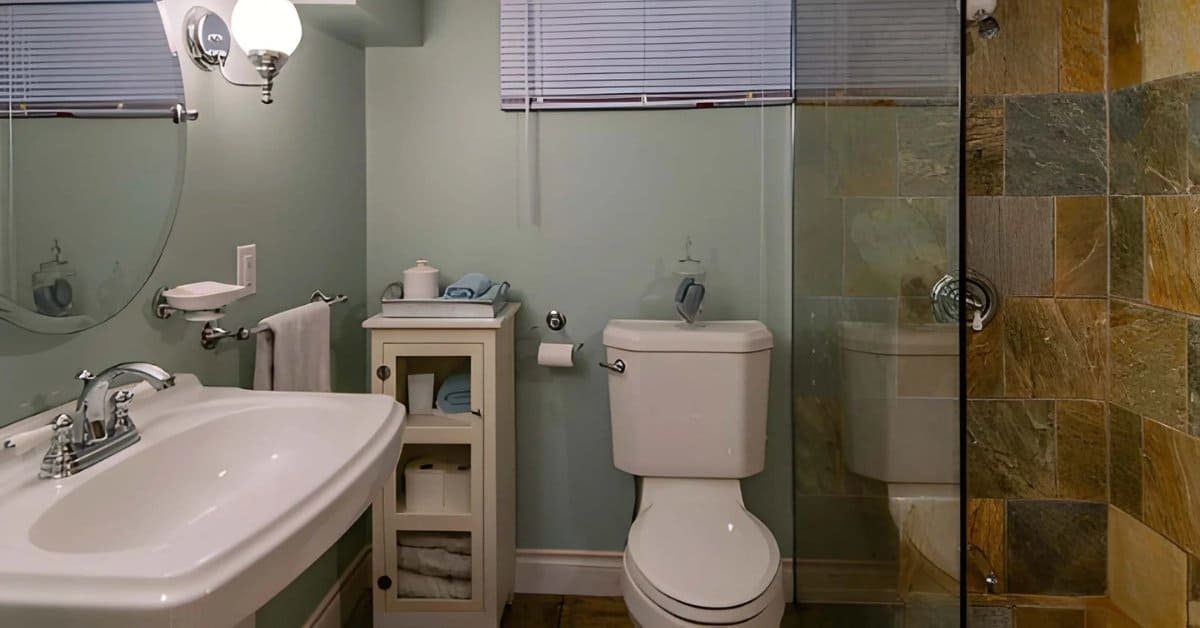
Homeowners in South Jordan must deal with particular environmental and regulatory issues.
1. Local Soil And Groundwater Conditions
- Soils with a lot of clay hold onto moisture
- Seasonal changes in groundwater increase humidity
2. Utah Building Codes And Inspections
Basement bathrooms must comply with Utah construction standards:
- Plumbing codes
- Electrical safety requirements
- Ventilation standards
3. Permit Requirements
Basement bathroom permit are needed for most types of basement bathroom projects, including:
- Plumbing
- Electrical
- Structural modifications
Understanding the South Jordan building code will help prevent delays and penalties.
Why Hiring A Professional Basement Bathroom Contractor Matters
Choosing the most durable materials for basement bathrooms is just half the story. Installing it correctly is equally crucial.
Professional contractors provide:
- Expert basement remodeling
- Expert material selection
- Waterproofing systems
- Proper ventilation planning
- Code-compliant construction
Professional basement remodeling helps prevent:
- Moisture failures
- Mold development
- Expensive upcoming repairs
Long-term success is guaranteed when you work with a professional basement bathroom contractor South Jordan like CCS of Utah.
Cost Considerations When Choosing Durable Materials
Although they sometimes cost more up front, durable materials save money over time.
Important things to think about include:
- Installation complexity
- Maintenance requirements
- Upfront cost vs long-term savings
- Increased home value
Purchasing high-quality materials increases your home’s long-term value and lowers repair expenses.
Frequently Asked Questions
1. What are the most durable materials for basement bathrooms?
The best-performing materials are corrosion-resistant plumbing, cement board, porcelain tile, luxury vinyl tile, and waterproof wall panels.
2. Is tile better than vinyl for basement bathroom floors?
Both are great choices. When installed properly, vinyl offers comfort and affordability, while tile gives durability.
3. Can regular drywall be used in a basement bathroom?
No. To avoid moisture damage, you need cement board or drywall that is resistant to mold.
4. Do basement bathrooms need special plumbing materials?
Yes. Plumbing systems must be moisture-safe and code-compliant.
5. Do South Jordan building codes affect basement bathroom materials?
Yes. The choice of materials and installation techniques is directly affected by local regulations and permit requirements.
“Planning a basement bathroom remodel? Get a free consultation from South Jordan’s trusted basement bathroom contractors.”