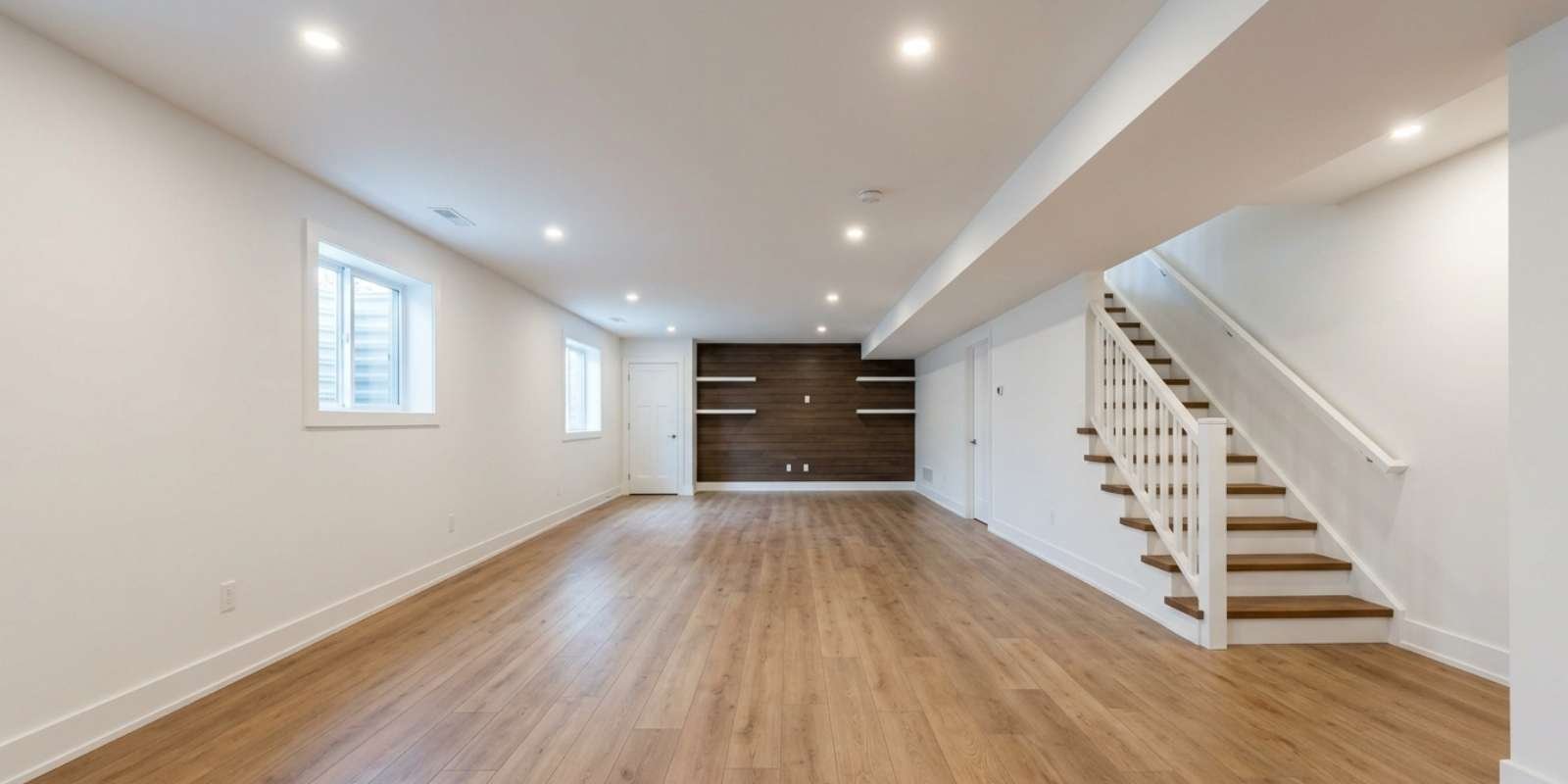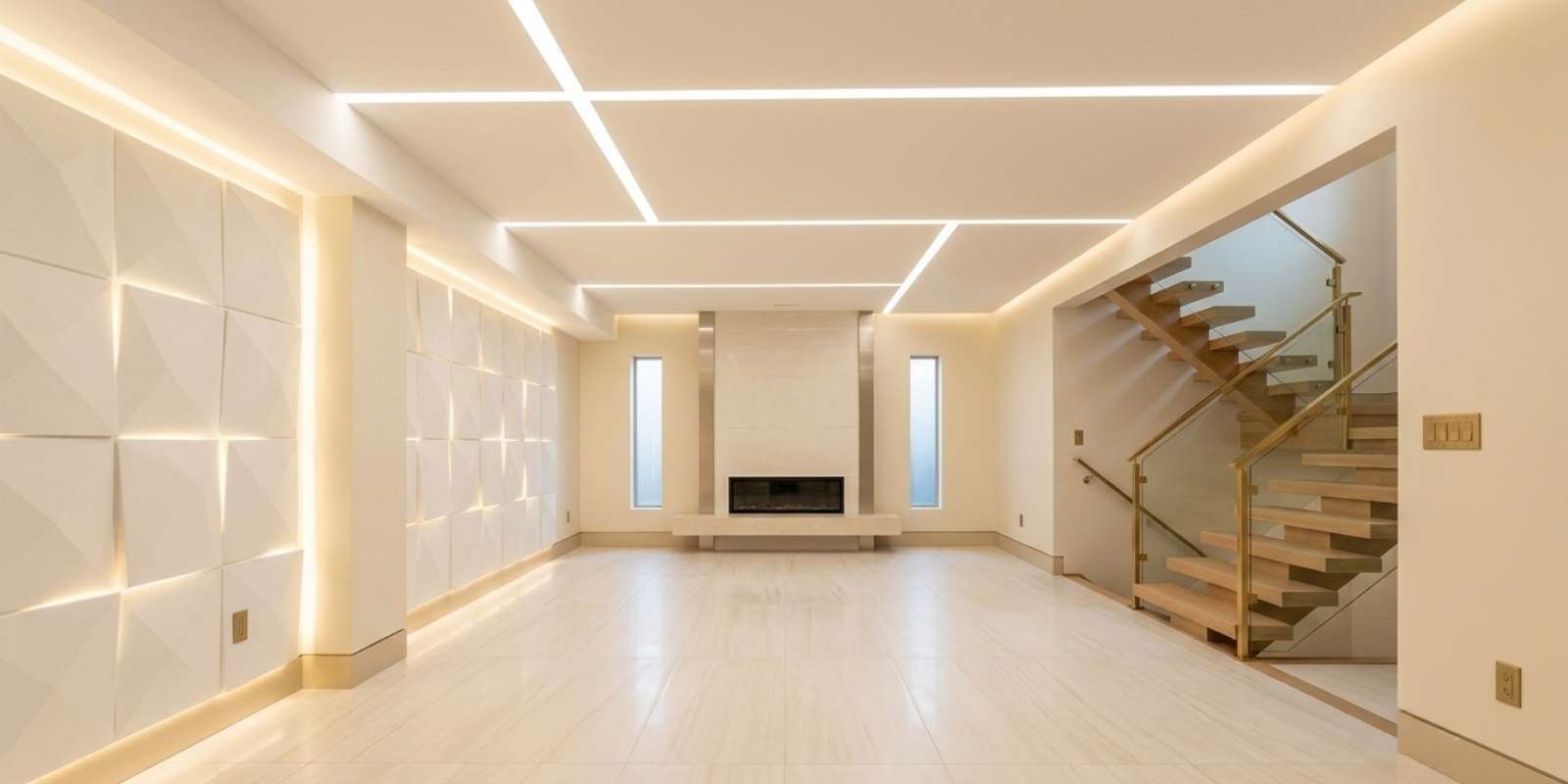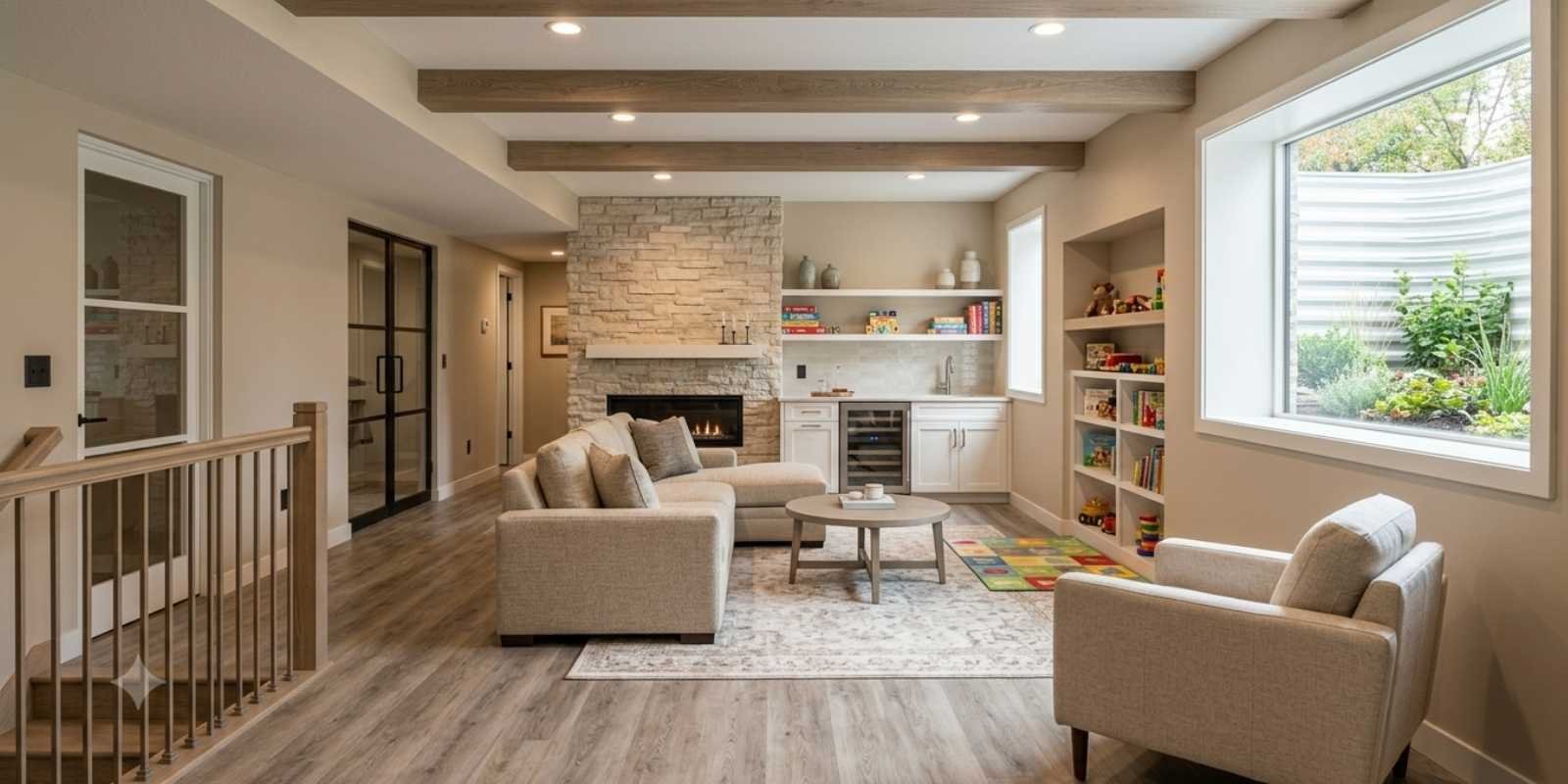

Designing a multi functional basement living room maximizes your home’s space and adapt to your family’s diverse needs. A versatile basement serves multiple functions — from entertainment and relaxation to work and study — providing a dedicated area for each activity.
This blog will explore how you can transform your basement into a multi-functional living room for entertainment, relaxation, and work, ensuring it becomes a dynamic, comfortable, and productive space for the whole family.
How to Design a Multi Functional Basement Living Room
Designing a multi functional basement living room starts with planning how the space will be used every day. Instead of focusing only on furniture or décor, create a layout that supports your family’s lifestyle while making the most of your available square footage.
Identify Your Basement’s Purpose
Decide which activities your basement should accommodate. Many homeowners combine multiple uses into one space, such as:
- Family living room
- Home office
- Home theater
- Kids’ play area
- Guest bedroom
- Home gym
Prioritizing your needs helps determine the best layout and furniture for your basement.
Create Functional Zones
Separate the room into dedicated areas without making the basement feel closed off. Use area rugs, furniture placement, lighting, or shelving to define each zone while maintaining an open and comfortable flow.
Choose Flexible Furniture
Multi-purpose furniture makes it easier to maximize your basement space. Consider adding:
- Sleeper sofas for overnight guests
- Storage ottomans
- Modular sectionals
- Fold-away desks
- Built-in storage benches
These pieces improve functionality without overcrowding the room.
Plan Lighting and Storage
Since basements typically receive less natural light, combine recessed lighting, floor lamps, and task lighting to brighten the space. Built-in cabinets, floating shelves, and under-stair storage help keep the basement organized while reducing clutter.
A well-planned basement living room provides comfortable spaces for relaxing, entertaining, working, and spending time with family, making it one of the most valuable upgrades for any Utah home.
Assessing your space
Before transforming your basement, comprehensively evaluate its current layout to understand its potential and limitations. Analyze how the space flows and is segmented to determine areas that can best support your functional needs.
Measure the dimensions — length, width, and height — and note the positions of doors, windows, and staircases to facilitate effective space planning and furniture arrangement.
Identify any structural barriers, such as load-bearing walls or fixed utilities, that could affect your redesign plans. Consider consulting a structural engineer to address these issues proactively, ensuring safety and preventing future complications.
Basements often suffer from poor light and airflow; assess the natural light available and consider enhancing it by enlarging windows. Also, ensure adequate ventilation to improve air quality and prevent moisture buildup, making the space more comfortable and inviting.
Defining zones
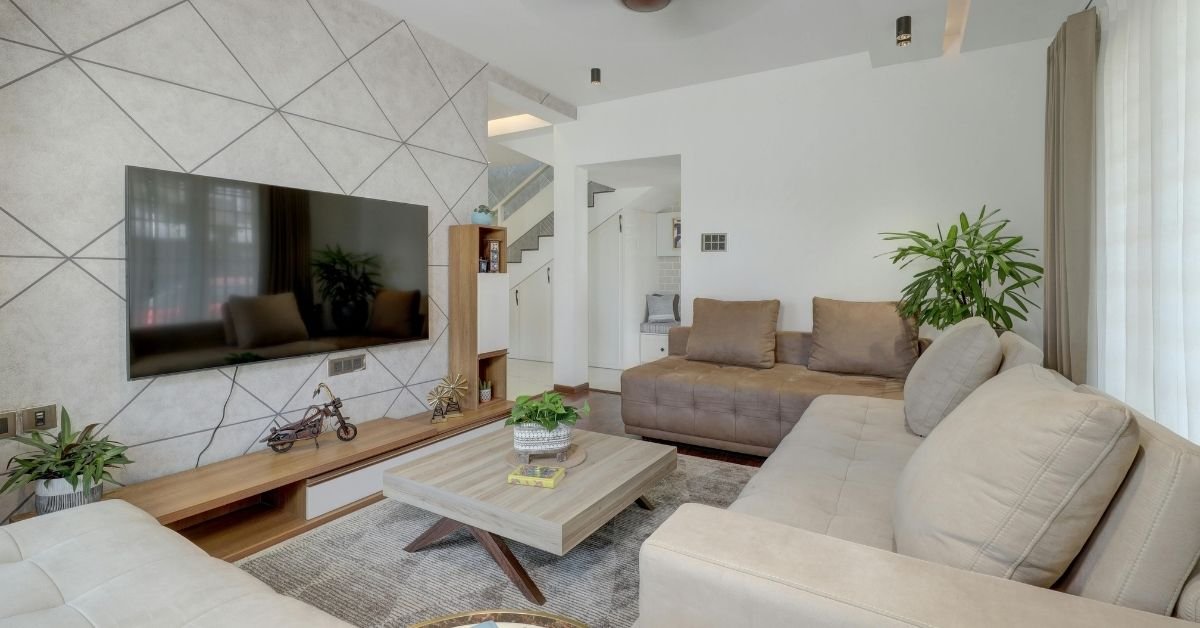
Maximize your basement’s functionality by strategically dividing it into zones tailored to your family’s favorite activities — movie watching, playing, working, and exercising. Arrange these zones to balance active and quiet spaces, enhancing the basement’s overall utility and flow.
Use bookshelves, couches, and console tables as subtle dividers to define different areas without compromising the openness of the space. For increased privacy or sound control, consider curtains, sliding panels, or partial walls, which are perfect for isolating workspaces or creating quiet study nooks while also adding a decorative touch.
Differentiate these areas visually with varied paint colors, wall art, or flooring choices. This allows you to theme each zone according to its use while maintaining a unified look throughout the basement.
Designing for flexibility
To create a versatile basement living room, prioritize adaptable furniture and movable partitions to meet your family’s changing needs. Choose multi-purpose pieces like guest sleeper sofas and extendable tables to accommodate different group sizes.
Incorporate storage ottomans for seating, footrests, or tables to maximize utility without taking up extra space.
Invest in fold-down desks and Murphy beds to easily transition the space from everyday living to specific functions, such as a temporary office or extra sleeping area. Utilize sliding panels or rolling dividers to swiftly alter the layout, allowing you to tailor the space for various activities, whether creating quiet zones or open social areas.
Opt for modular storage systems that you can reconfigure or relocate to adapt to evolving storage needs and help delineate different areas. These adaptable solutions ensure your basement remains functional and responsive, effectively accommodating your family’s lifestyle changes.
Entertainment features
Transform your basement into the ultimate entertainment hub by setting up a dedicated home theater or gaming zone enhanced with thorough soundproofing. Select an area with optimal visibility and acoustics, and install a high-quality projector or screen alongside a surround sound system.
Arrange tiered seating, such as recliners or sectional sofas, for maximum comfort and viewing enjoyment.
Equip the space with multiple monitors or a large TV, ergonomic gaming chairs, and media storage for organizing consoles and accessories. Adjust the ambiance with LED lighting suitable for various games.
Install acoustic panels, sound-absorbing foam, and specialized insulation to contain noise. To further minimize sound transmission, enhance this with acoustic tiles in a dropped ceiling and thick carpets or soundproof underlays on the floors.
Ensure the area has ample power outlets and strong Wi-Fi connectivity. Use cable management systems to maintain a tidy and safe environment.
These enhancements will transform your basement into a high-end entertainment zone perfect for immersive movie nights and gaming sessions without disrupting your household’s peace.
Creating a cozy retreat
Transform a section of your basement into a peaceful retreat, perfect for relaxation and quiet time. Choose a corner away from high-traffic areas, preferably near a natural light source. Use soft LED lighting or lamps to create a warm, welcoming atmosphere if light is scarce.
Place comfortable, plush furniture like an armchair, chaise lounge, or small sofa at the heart of your nook. Enhance the coziness with soft throw blankets, pillows, and area rugs in soothing textures.
Install dimmable warm lights, such as table lamps, floor lamps, or string lights, to adjust the ambiance to suit your mood or time of day.
Personalize the space with serene wall art, family photos in calm tones, and shelves filled with favorite books or personal treasures. Add indoor plants or a tabletop fountain to bring elements of nature indoors.
Storage solutions
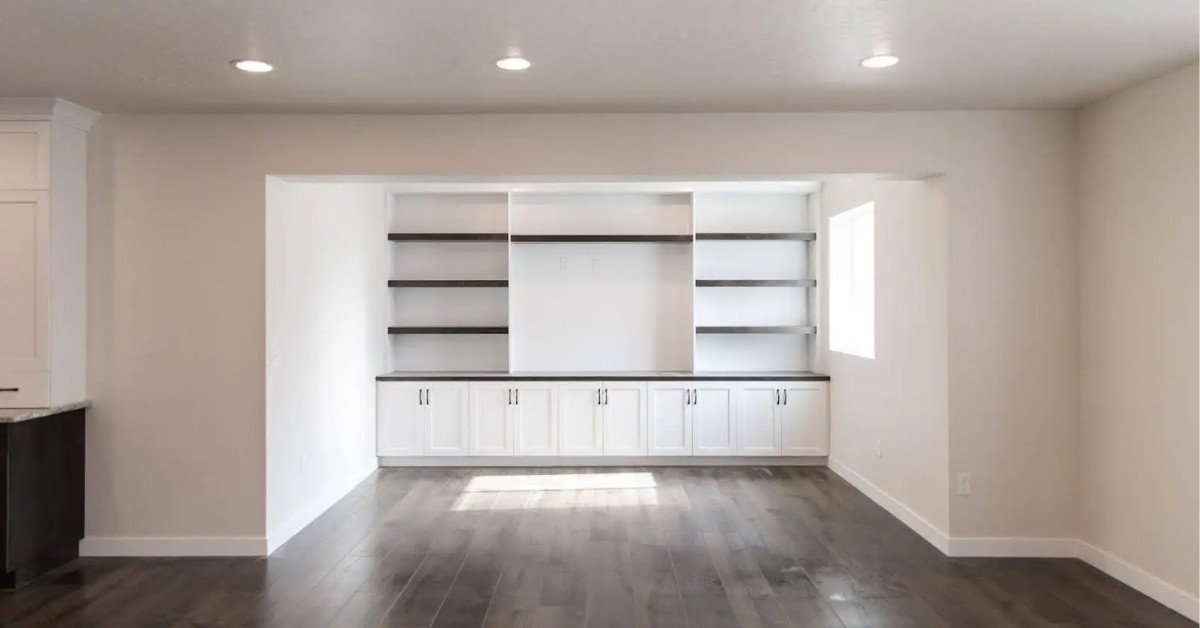
Maximize storage in your multi-functional basement without compromising style or usability through strategic solutions. Install custom shelving or cabinetry in underutilized areas like under staircases or along walls. Ensure these units match your basement’s decor for a seamless integration, maximizing every inch of space.
Opt for multi-functional furniture that doubles as storage — such as beds with drawers or coffee tables with additional shelving — to keep essentials accessible yet out of sight. Use hideaway storage options like wall-mounted fold-up units or storage benches that also serve as seating to maintain a clutter-free area.
Leverage vertical space by adding tall shelving units or hanging systems, ideal for keeping items off the floor and out of the way, particularly in craft or utility spaces. These storage solutions keep your basement functional, tidy, and well-organized, enhancing both the utility and enjoyment of the space.
Lighting and color schemes
Effectively use lighting and color to boost both functionality and ambiance in your multi-functional basement. Customize lighting for each zone; employ bright, focused lights for workspaces, soft, dimmable options for relaxation areas, and adaptable ambient lighting for entertainment spaces that can change color and intensity.
Add task lighting where you need precision, such as desk lamps in study areas or pendant lights over game tables, to enhance functionality and comfort. Use neutral tones as a base across the basement, and incorporate bold colors to highlight active areas. Choose calming blues and greens for tranquil zones and warm, vibrant colors for social spaces.
Create smooth transitions between areas with subtle shifts in lighting and color to maintain cohesion while clearly defining each zone. Incorporate mirrors or reflective elements to amplify light in darker or smaller areas, increasing overall brightness and the sense of space.
Go beyond designing a multi functional basement living room with CCS of Utah
Transform your basement into a functional and inviting space with CCS of Utah. Our team excels in custom renovations, blending creativity, precision, and practicality to deliver high-quality results. We prioritize craftsmanship and personalized service to enhance both the comfort and value of your home.
Trust CCS of Utah to manage your renovation with care and professionalism. Contact CCS of Utah today to start creating a basement living room your family will cherish.