
Renovating basement stairs enhances your home’s aesthetics, safety, and functionality. Stairs are essential for managing daily traffic, especially in high-use areas like basements, and require careful consideration of materials, building codes, costs, and design compatibility—so how are basement stairs renovated?
This blog demystifies the renovation process, covering everything from initial assessment and design options to the construction details. By understanding each step, you will make informed decisions that ensure your renovated stairs are safe and stylish, perfectly complementing your home.
Assessing your current stairs
Before tackling a renovation, it’s crucial to thoroughly assess the current condition of your basement stairs. This initial evaluation will help determine the extent of the renovation needed and ensure that the new stairs will be safe and compliant with local building codes.
The first step in this process is checking structural integrity. Examine the stairs for any signs of damage, such as cracks, creaks, or wobbly parts. Pay special attention to the stringers — the structural supports running along both sides of the stairs. Issues like this compromise the entire staircase, making it unsafe.
Assessing material wear is also essential. Look for any decay in wooden stairs, which is common in older installations, especially in damp basement environments. For metal stairs, check for rust or any bending in the material that could weaken the structure.
Do not overlook compliance with building codes. Verify that your current staircase meets local regulations, which may dictate specifics about tread depth, riser height, stair width, and handrail placement and height. These standards ensure that stairs are as safe as possible for everyone who uses them.
Design considerations
When renovating basement stairs, considering various design options is crucial to align the outcome with both your functional needs and aesthetic preferences. The material and style of your stairs not only define their look and feel but also their durability and maintenance requirements.
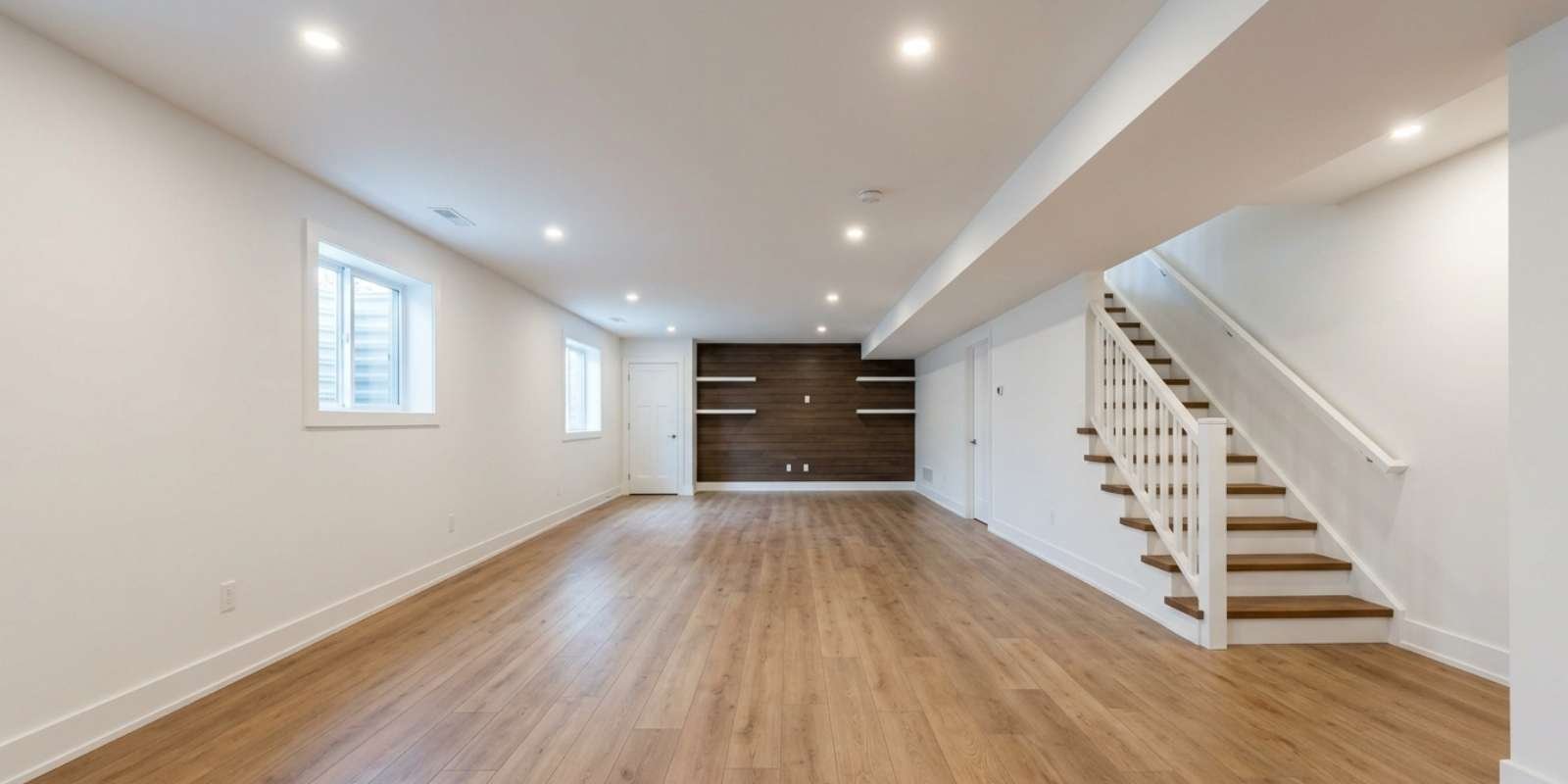
Choosing the right materials is the first step in designing your staircase. Wood is popular for its warmth and traditional appeal, and it offers a range of finishes and stains to match any home decor.
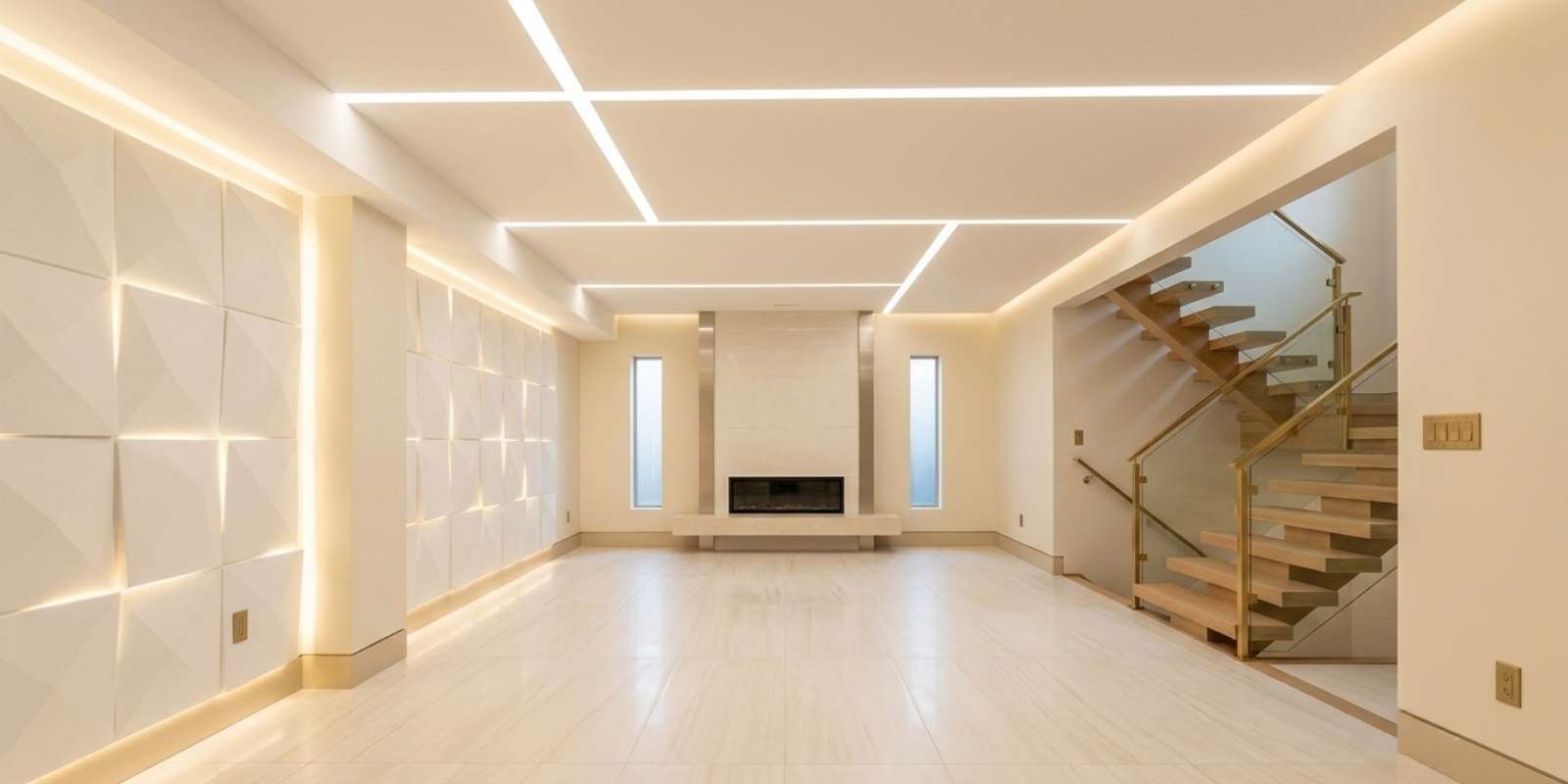
On the other hand, metal provides a more modern look and is known for its strength and durability, making it ideal for a sleek, industrial design. Consider combining materials, such as wood treads with metal railings, to create a unique blend of styles.
Selecting the stair style is equally important. A straight-run staircase is a common choice because it is simple to construct.
However, if space is a premium, a spiral staircase is an attractive, space-saving solution that adds a dramatic element to your basement. Another option for tight spaces is a switchback or L-shaped staircase, which may fit more easily into your home’s existing layout.
Incorporating space-saving designs is especially beneficial in basements where space may be limited. Consider designs like floating stairs, with treads attached directly to the wall without visible supports, to create a sense of openness.
Additionally, built-in storage under the stairs is a practical use of otherwise wasted space, providing a place to store seasonal decorations, sporting equipment, or even a tiny workstation.
Choosing the right materials
Selecting the appropriate materials for your basement stairs is a pivotal decision that impacts not only the aesthetics of your space but also its durability and cost-effectiveness. Here’s a closer look at the pros and cons of commonly used materials like wood, concrete, and metal to help you make an informed choice.
Wood
Wood is one of the most popular materials for staircases due to its versatility and warm aesthetic appeal. You can paint it, stain it, or carve it to match any home style.
Wood may require more maintenance, including refinishing to prevent wear and protect against moisture, especially in a basement environment. It is moderately priced but may vary depending on the type of wood chosen.
Concrete
Known for its incredible durability and minimal maintenance, concrete is an excellent choice for modern homes seeking a sleek, industrial look. It resists wear and tear and is ideal for heavy use.
On the downside, concrete is often expensive to install due to the labor-intensive process, and its hard surface may not be the best choice for homes with children or elderly residents due to the risk of injuries in falls.
Metal
Metal stairs are durable and contemporary, ideal for modern or industrial designs. They are strong, resistant to pests, and relatively low maintenance. Metal can also be combined with wood or glass for a more sophisticated look.
The main cons are that metal may be slippery, noisy, and cold underfoot, which might require additional coverings or treatments to make it more comfortable and safe.
Steps in the renovation process
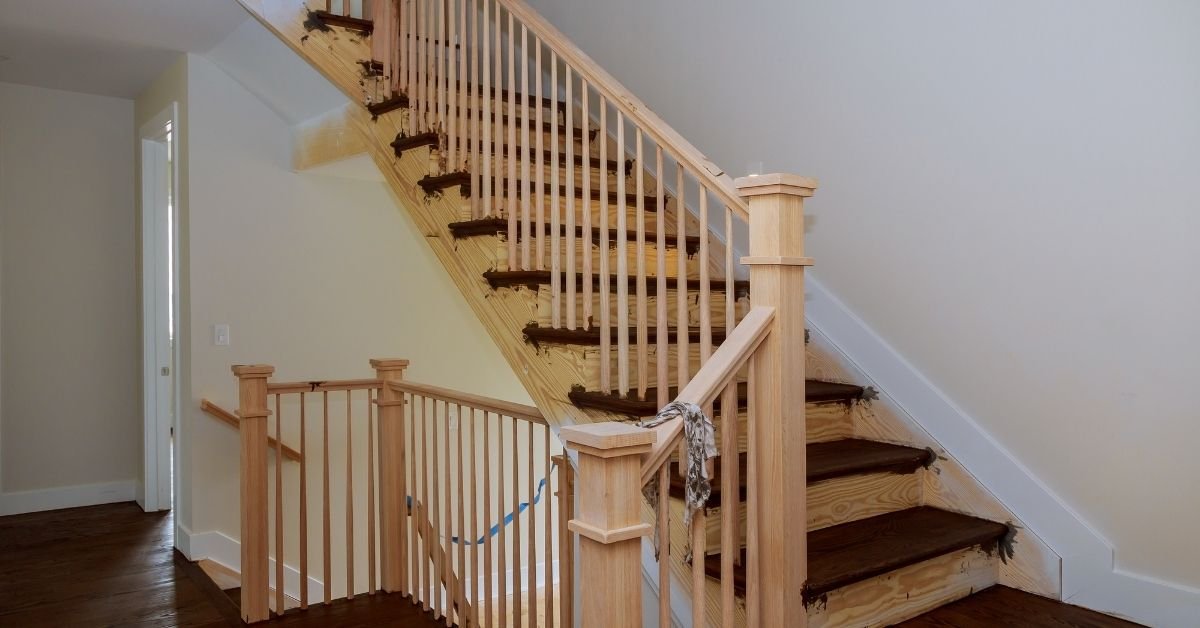
Renovating basement stairs involves several key steps, from the initial demolition to the final finishing touches. Understanding each phase helps homeowners manage the project more effectively and set realistic expectations.
Demolition
The first step in any renovation is removing the old staircase. This phase is messy and noisy, involving the cutting, prying, and sometimes breaking of old materials. Homeowners should ensure the area is well-ventilated and safety measures are in place to handle debris and sharp objects.
Structural repairs
Once the old stairs are out, examining and repairing any structural issues with the underlying framework is crucial. This might involve reinforcing joists, repairing or replacing stringers, and ensuring everything is level and secure. These repairs are vital for the longevity and safety of your new stairs.
Installation of new stairs
With the structure secure, the next step is to install the new stair treads and risers. Depending on the materials and design, this could be a straightforward renovation process or require custom fittings, especially for materials like concrete or intricately designed wood stairs.
Adding safety features
Safety is paramount in stair design. This phase involves installing handrails, balusters, and additional safety features like non-slip treads or extra lighting. Ensure all elements comply with local building codes to provide safe and accessible passage.
Finishing touches
The final phase of the renovation includes painting, staining, or sealing the stairs, depending on the chosen materials. This enhances the aesthetic appeal and protects the materials from wear and moisture, which is particularly important in a basement setting.
Cleanup
After the construction and finishing work are completed, a thorough cleanup will make the space ready for use. Removing all construction debris and cleaning the stairs will ensure they look their best and are safe to use.
Safety features and compliance
Integrating essential safety features and ensuring compliance with local building codes are critical to creating a safe and legal home improvement when renovating basement stairs. This section will guide you through the critical safety components and regulatory standards to consider.
Handrails and balusters
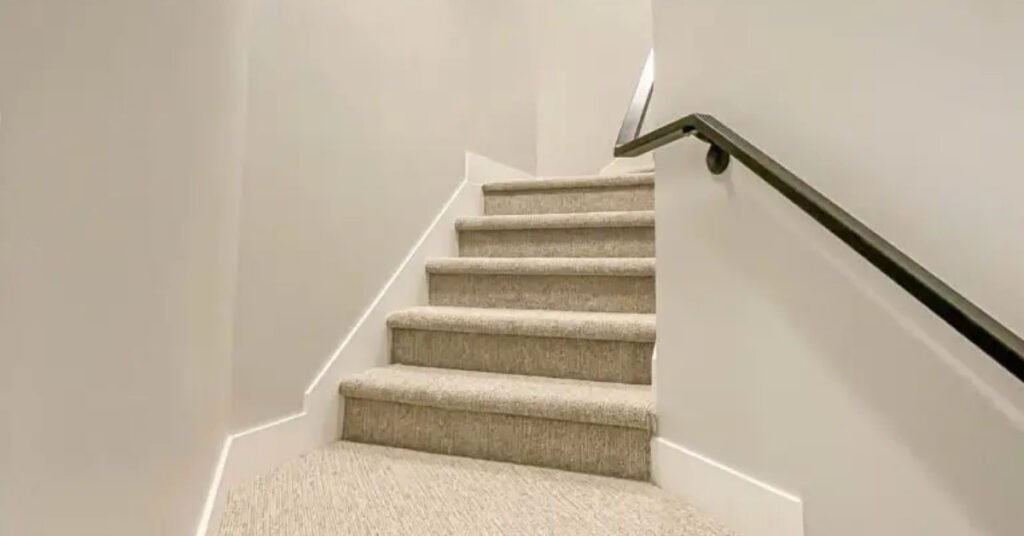
Handrails provide stability and support for navigating stairs, making them indispensable, especially in a basement setting with limited lighting.
Install them at a consistent height that matches local code requirements, typically between 34 and 38 inches above the stair treads. Balusters supporting the handrail must be spaced closely enough (usually no more than four inches apart) to prevent small children from slipping through.
Tread depth and riser height
The tread depth and riser height of your stairs must meet specific dimensions to ensure ease of use and safety. Standard practice dictates a minimum tread depth of 10 inches and a maximum riser height of 7.75 inches. These measurements vary, so it’s essential to consult your local building codes to confirm the exact requirements in your area.
Adherence to building codes
Local building codes are designed to ensure safety and accessibility in home construction, including stair design. These codes address various aspects of stair construction such as width, slope, and load capacity. Compliance not only ensures safety but also facilitates smooth inspections and boosts the overall integrity and value of your home improvement projects.
Implementing safety in design
When planning your staircase, consider the needs of all users, including children, the elderly, and individuals with limited mobility. Features like additional lighting, tactile surfaces on stair treads, and visually contrasting materials greatly enhance safety and usability.
How are basement stairs renovated? Let CCS of Utah show you
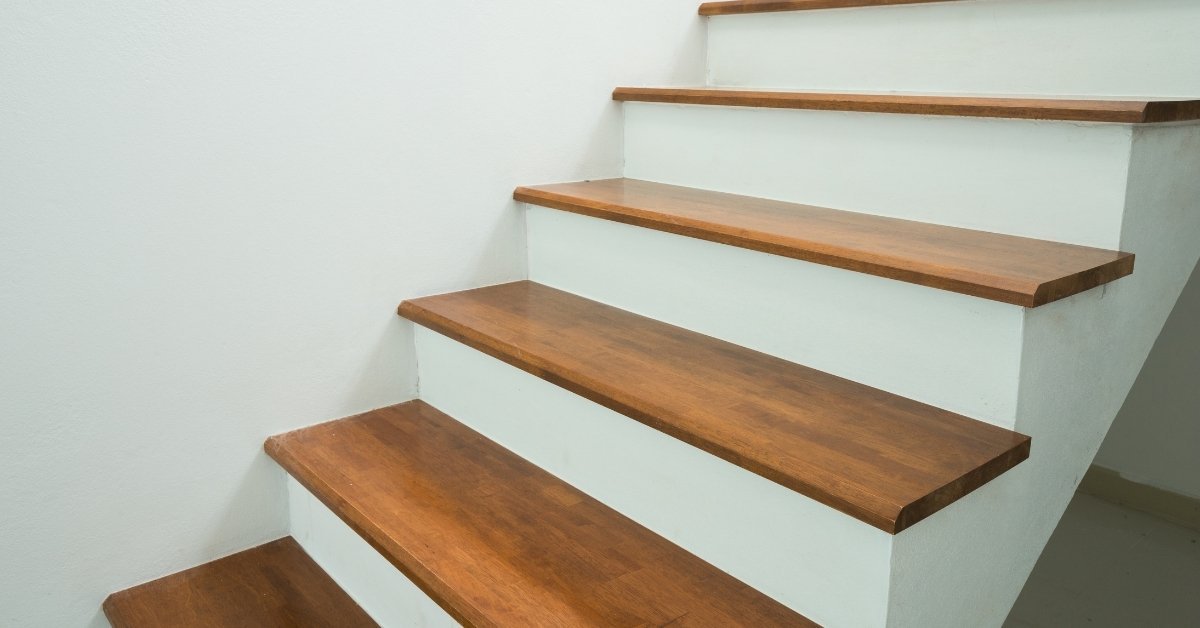
Renovating your basement stairs significantly enhances your home’s safety, functionality, and style. At CCS of Utah, our team excels in transforming basic staircases into remarkable features, ensuring each step of the process, from design to installation, meets your specific needs while adhering to safety standards.
Choose CCS of Utah for expert guidance, superior craftsmanship, and innovative design. Let us help you create a staircase that is not only safe and stylish but also a standout element of your home’s interior. Contact CCS of Utah today to begin your basement stair renovation and take the first step towards a safer, more elegant home.