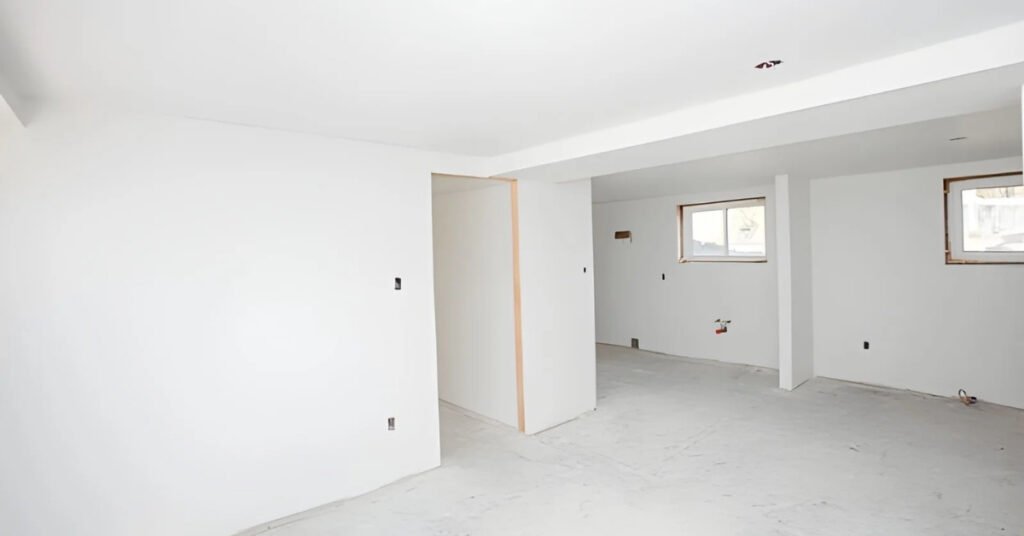
There are plenty of challenges to converting an old basement in South Jordan, Utah. These areas were not intended for contemporary living. They often have ineffective design, antiquated systems, moisture concerns, and structural challenges.
Although it’s not always easy, homeowners may see the possibility of turning an outdated basement into a functional living area. Basement conversions can become costly as well as hazardous without careful planning and professional assistance. The first step to making wise choices, maintaining code compliance, and obtaining long-term value with professional help involves understanding the challenges of converting an old basement.
Common Structural Issues In Older South Jordan Basements
Over time, structural repairs and foundation issues arise, making them one of the most challenging aspects of converting an old basement. Older South Jordanian homes sometimes include basements that were constructed with antiquated materials and techniques.
Common structural issues include:
- Sloping or uneven floors
- Foundation cracks brought on by sinking soil
- Low ceiling heights that limit design options
- Aging or insufficient framing
A structural repair is not a cosmetic one. It is necessary to thoroughly assess foundation issues prior to starting any old basement remodeling. Ignoring these issues might result in costly repairs down the road, failed inspections, and safety risks.
Moisture, Mold, And Water Intrusion Challenges
One of the most prevalent and hazardous issues with older basements is moisture. Many older basements are vulnerable to water incursion because they were not constructed with adequate waterproofing methods.
Old basements can trap moisture due to:
- Poor external drainage
- Cracked foundation walls
- Lack of vapor barriers
- Moisture-absorbing older concrete
- Poor basement waterproofing,
- Poor vapor barrier installation
Moisture problems can result in mold growth, musty smells, and hazardous indoor air in Utah’s environment. Any old basement conversion must include proper waterproofing, sealing, and vapor barrier installation. Neglecting these solutions can easily damage restoration efforts.
Outdated Electrical And Plumbing Systems
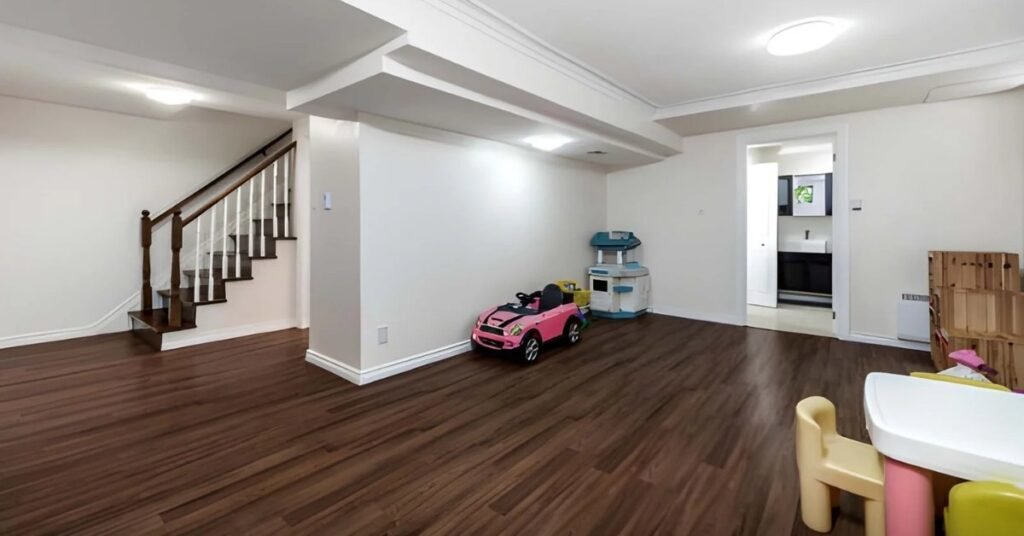
Modernizing old plumbing and electrical systems is one of the challenges of converting an old basement. Older basements were frequently not built to accommodate contemporary living areas, lighting, or appliances.
Typical problems include:
- Old wiring that does not adhere to modern safety regulations
- Inadequate electrical outlets
- Poor drainage or water pressure
- Aging copper or galvanized pipes
- Poor plumbing replacement
It is frequently necessary to rebuild plumbing and modernize electrical upgrades in order to comply with current code requirements. These modifications reduce the risk of fire or water damage, enhance safety, and accommodate contemporary usage. Reusing outdated equipment can lead to major risks and inspection problems.
Insulation And Temperature Control Problems
Older basements are known for being uncomfortable all year round and for being frigid in the winter. One of the main reasons it can be difficult to convert is the basement insulation.
Typical problems include:
- Inadequate insulation
- Heat loss through concrete surfaces
- Incompatible or outdated HVAC systems.
Enhancing the insulation in the basement increases interior comfort and energy efficiency. When a space is properly insulated, it becomes suitable for daily usage and lowers heating and cooling expenses. HVAC compatibility systems is particularly crucial when adding living spaces or bedrooms that need constant temperature management.
Low Ceiling Heights And Layout Limitations
A lot of older basements were constructed with low ceilings that are incompatible with contemporary living standards. This makes conversion difficult from a design and compliance standpoint.
Low ceiling heights may:
- Restrict the amount of lighting available
- Make areas seem claustrophobic
- Need floor lowering or excavation
- Affect permit acceptance
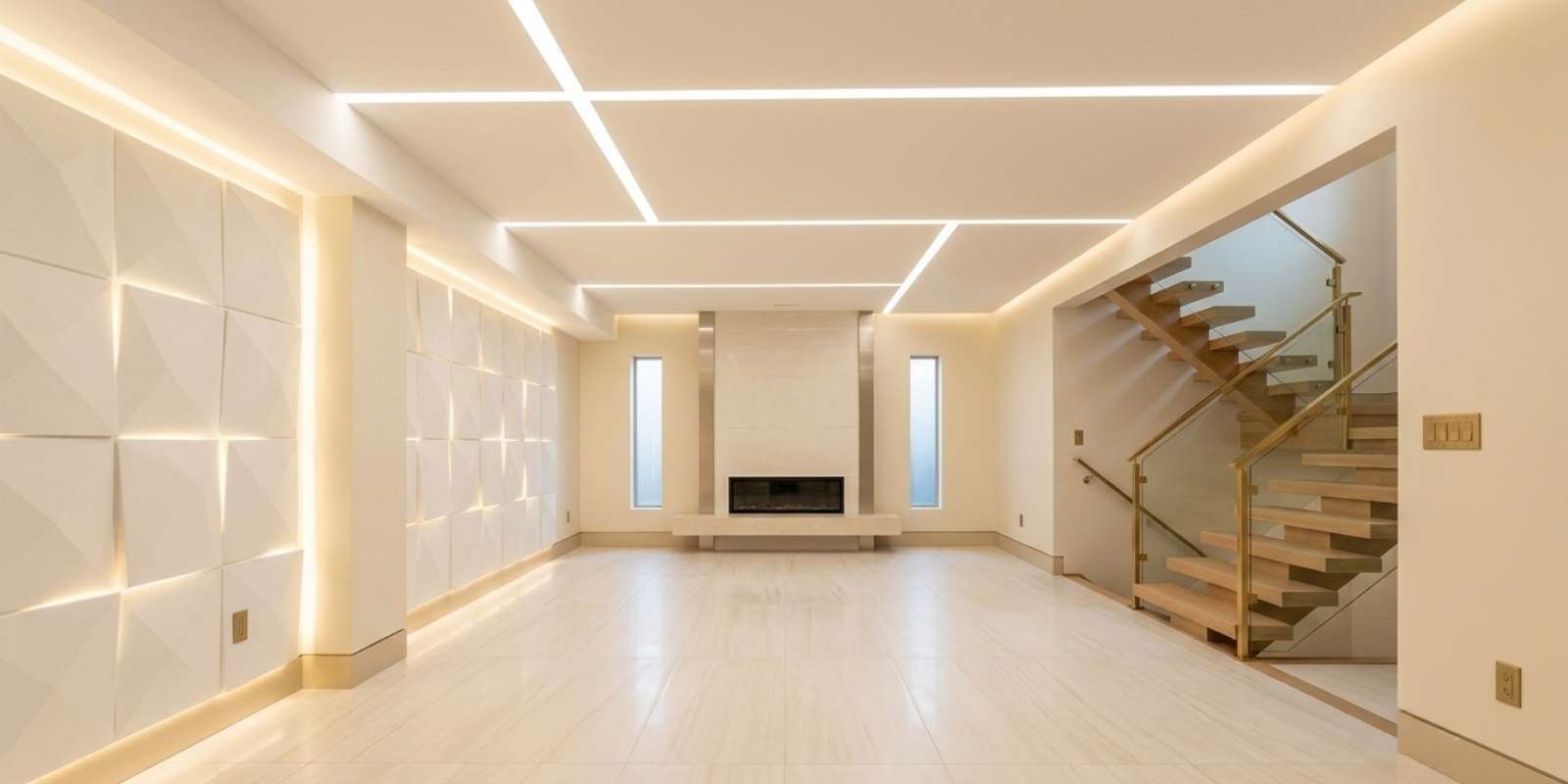
Innovative design elements like open floor plans and recessed lighting can be beneficial. However, in order to comply with local construction requirements, structural modifications might be necessary. To guarantee safety and compliance, these solutions should only ever be handled by experienced professionals.
Unique Challenges In South Jordan Homes
Due to municipal laws and regulations, remodeling an existing basement in a South Jordan home presents unique challenges.
Key local factors include:
- Soil conditions that affect foundation stability
- Moisture and freeze-thaw cycles are unique to Utah
- Strict building and safety rules
- Permit requirements for structural, plumbing, and electrical work
It is important to adhere to Utah construction standards and South Jordan building codes. If the right basement remodeling permit are not obtained, there may be fines, delays in the project, or the forced dismantling of finished work.
Why Hiring A Professional Basement Contractor Matters
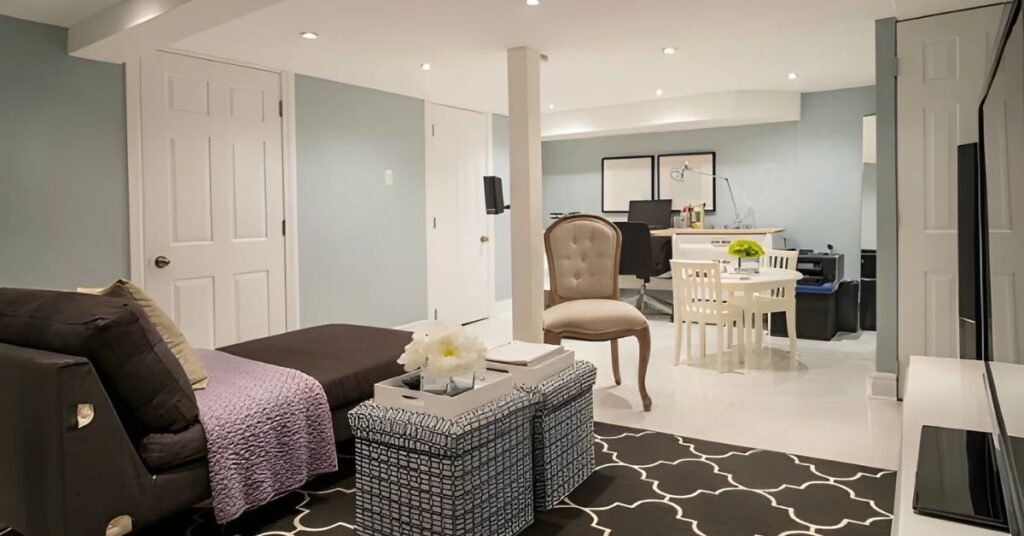
One of the best choices a homeowner can make, considering the numerous challenges involved, is to hire a professional basement contractor South Jordan.
Professional contractors provide:
- Safe and code-compliant repairs
- Accurate structural and moisture assessments
- Appropriate insulation and waterproofing methods
- Effective project administration
- Expert basement remodeling
DIY basement conversions frequently result in costly mistakes, particularly when it comes to moisture control, outdated utilities, and aging foundations. Professional South Jordanian basement contractors are aware of the local environment and know how to provide long-lasting, excellent outcomes.
Cost Considerations For Old Basement Conversions
It is frequently more expensive to convert an old basement than to finish a new one. This is because older basements call for unique solutions as opposed to conventional improvements.
Cost-raising factors include:
- Plumbing and electrical upgrades
- Waterproofing and mold removal
- Insulation and HVAC adjustments
- Structural repairs and reinforcement
Effectively resolving such issues increases long-term value and prevents repeated repairs, even though initial expenses may be higher. You can make sure your basement conversion lasts for decades by investing in high-quality materials and professional labor.
Planning Ahead To Avoid Costly Mistakes
Underestimating the challenges of converting an old basement is one of the most common mistakes made by homeowners. Safety concerns, budget overruns, and delays can all be avoided with careful planning.
Smart planning includes:
- Professional inspections
- Realistic budgeting
- Permit approvals before construction
- Clear design goals
Better outcomes and less stress are achieved with a well-planned project, particularly in older South Jordan homes.
FAQs About Converting An Old Basement
1. What are the most common challenges in converting an old basement?
The most common challenges are structural, moisture, old systems, and low ceiling heights.
2. Why do old basements often have moisture problems?
Modern vapor barriers, drainage systems, and waterproofing are absent from older basements.
3. Is it safe to DIY an old basement remodel?
Professional assistance, especially from CCS of Utah is safer and more economical because do-it-yourself projects frequently overlook structural and code standards.
4. How do professionals fix outdated electrical systems?
They improve panels, install outlets, repair outdated wiring, and make sure that the most recent safety regulations are followed.
5. Do South Jordan building codes affect basement remodeling?
Yes. Most basement conversions in South Jordan need permits and inspections.
Ready to remodel your old basement? Get a free consultation from South Jordan’s trusted basement finishing experts.