
Basement renovations are a hot topic among homeowners. They are often seen as a promising way to transform underused square footage into vibrant, functional living spaces. Many choose to renovate their basements to meet growing family needs, add value to their homes, or simply make better use of what is frequently wasted space.
The possibilities are as varied as they are enticing, from creating cozy family rooms to stylish home offices or even self-contained rental units.
In today’s blog, we’ll explore the pros and cons of basement renovations. Our goal is to arm you with important insights that will help you determine whether this significant home improvement aligns with your lifestyle needs and financial goals.
Pros and cons of basement renovations
By weighing the advantages against the drawbacks, you’ll be better equipped to make an informed decision about transforming your basement into a cherished part of your home. See what it takes to turn that dark, underused space below your feet into a bright and valuable asset.
The Pros
Increased living space
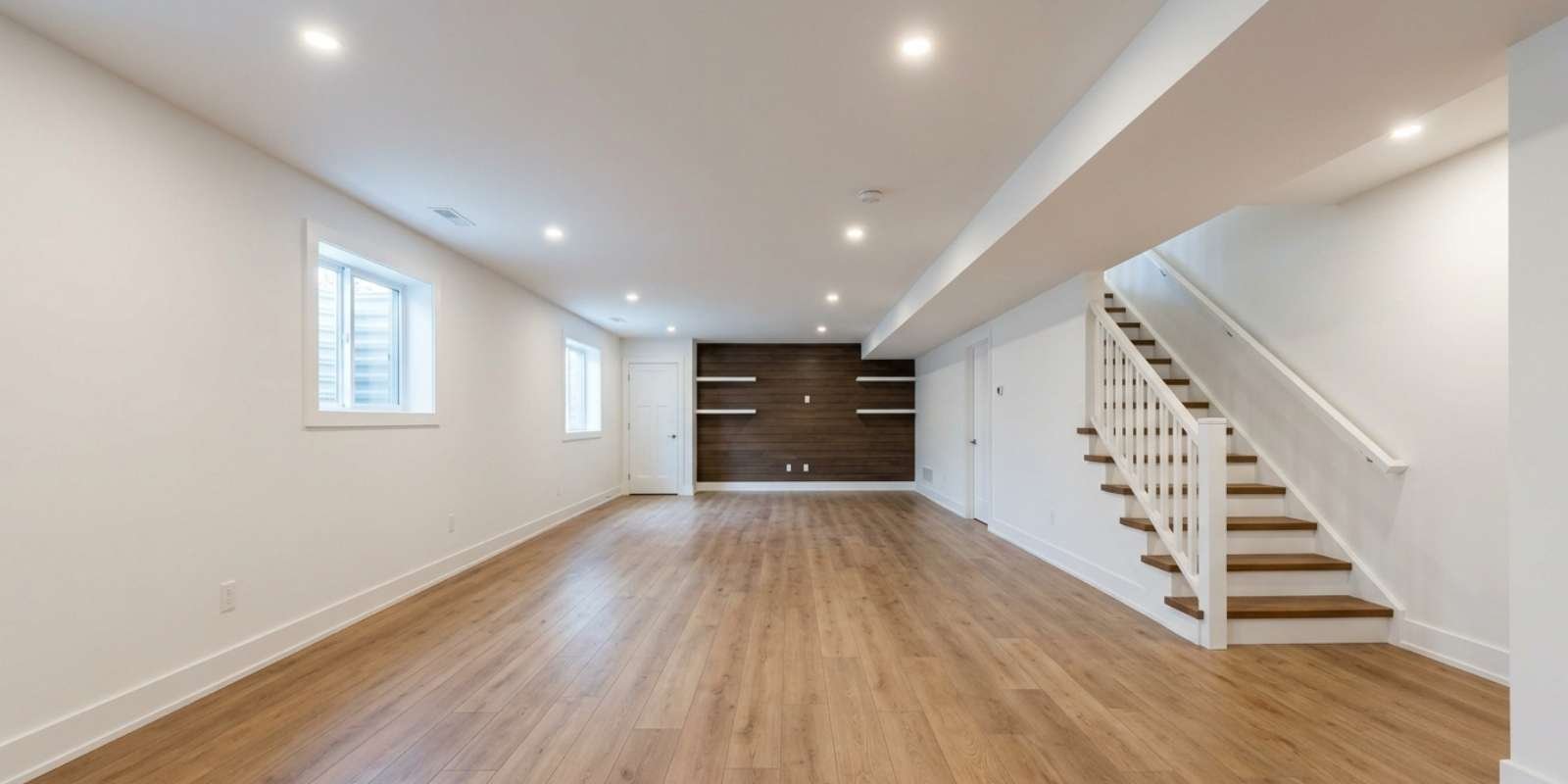
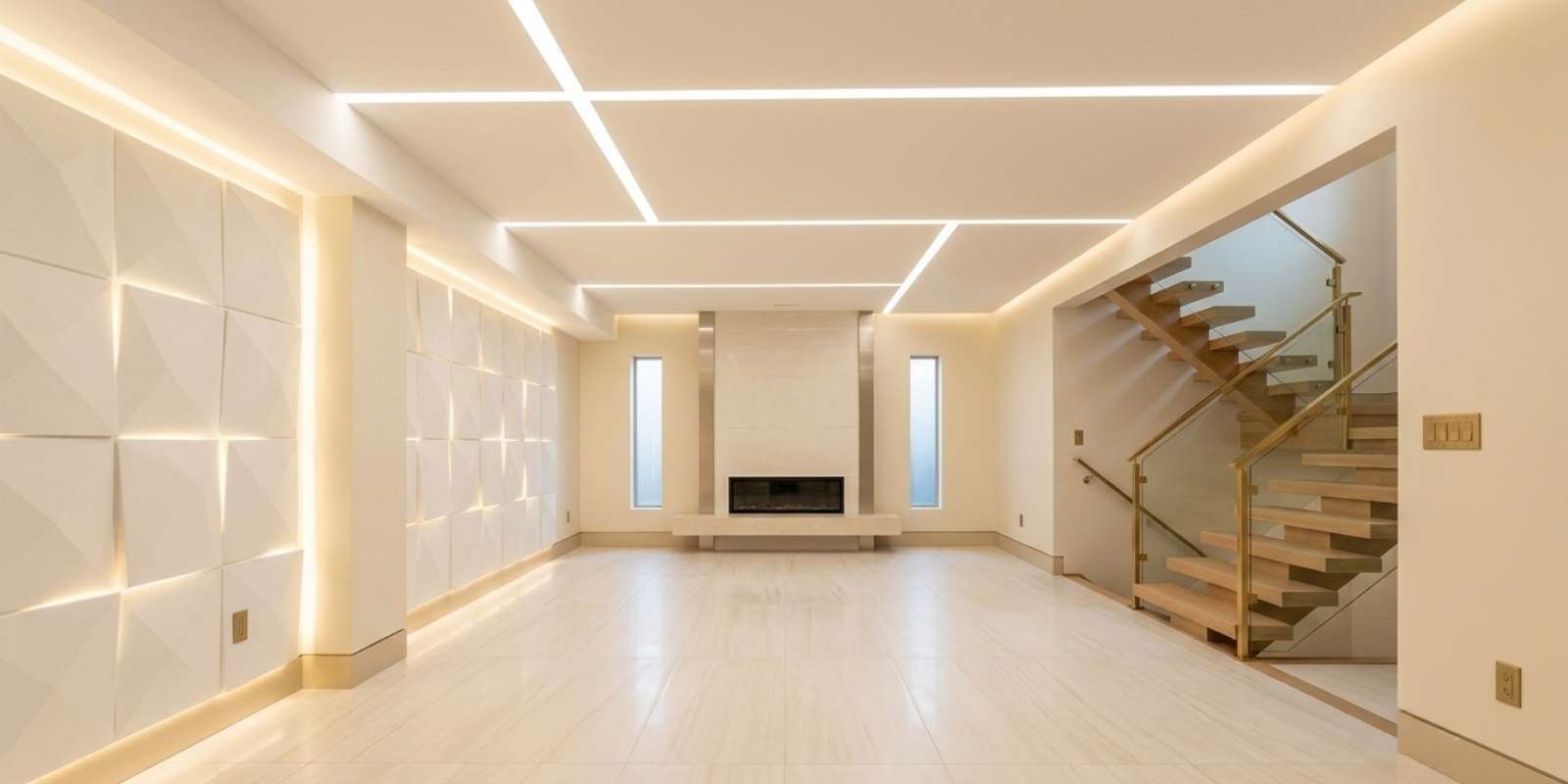
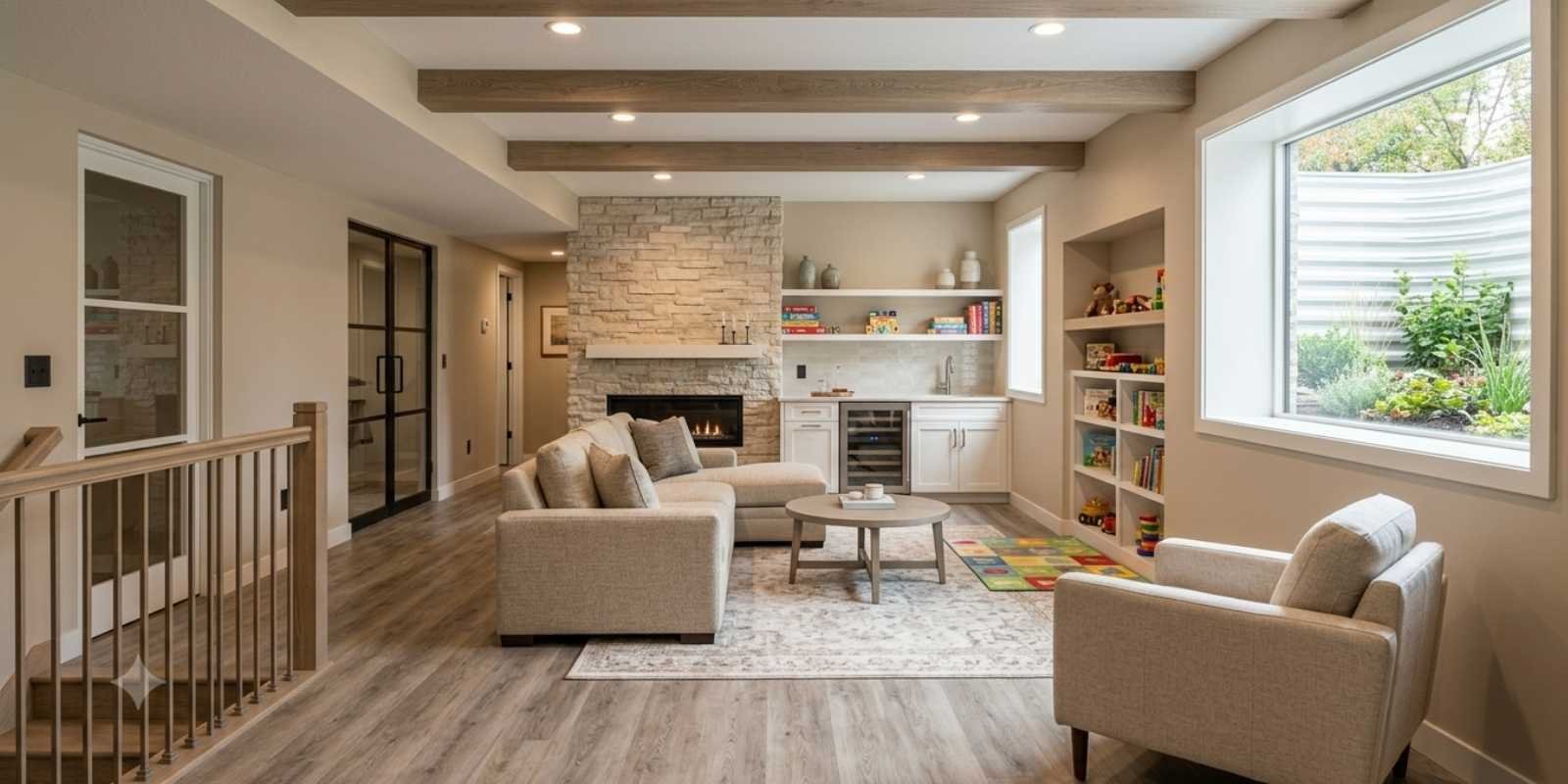
One of the most compelling reasons to renovate a basement is its substantial increase in usable living space. Renovated basements offer many options for growing families or those seeking to declutter their main living areas.
Transform this often-underutilized space into anything from a vibrant home office where focus and productivity flourish, to a dynamic gym where you sweat out the day’s stress. Entertainment areas, such as home theaters or game rooms, also make excellent additions, turning the basement into a hub of enjoyment for family and friends.
Enhanced home value
A well-planned basement remodel boosts your home’s market value. When potential buyers see a finished basement that’s both functional and attractive, it often increases the property’s appeal, making it stand out in the competitive real estate market.
This expanded space isn’t simply another room; it’s viewed as an extension of the usable living area, which is a strong selling point that commands a higher price.
Potential rental income
If your local zoning regulations allow, converting your basement into a rental unit provides a steady source of additional income.
This setup works particularly well in homes with separate entrances for the basement, allowing tenants privacy without disrupting the homeowner’s daily activities. Such arrangements become incredibly lucrative in areas with high rental demand, offering financial benefits that help offset mortgage payments or fund other home improvements.
Customizable space
Basements are versatile; you can customize them to suit various needs and preferences. Whether you envision a quiet wine cellar, a lively craft room, or a comfortable in-law suite, the possibilities are virtually limitless. This flexibility allows homeowners to tailor the space to their specific lifestyle requirements, making basements a truly unique and valuable component of the home.
Through these various advantages, basement renovations stand out as a wise investment for those looking to enhance their living space, increase property value, generate income, or simply create a more functional and personalized home environment.
The Cons
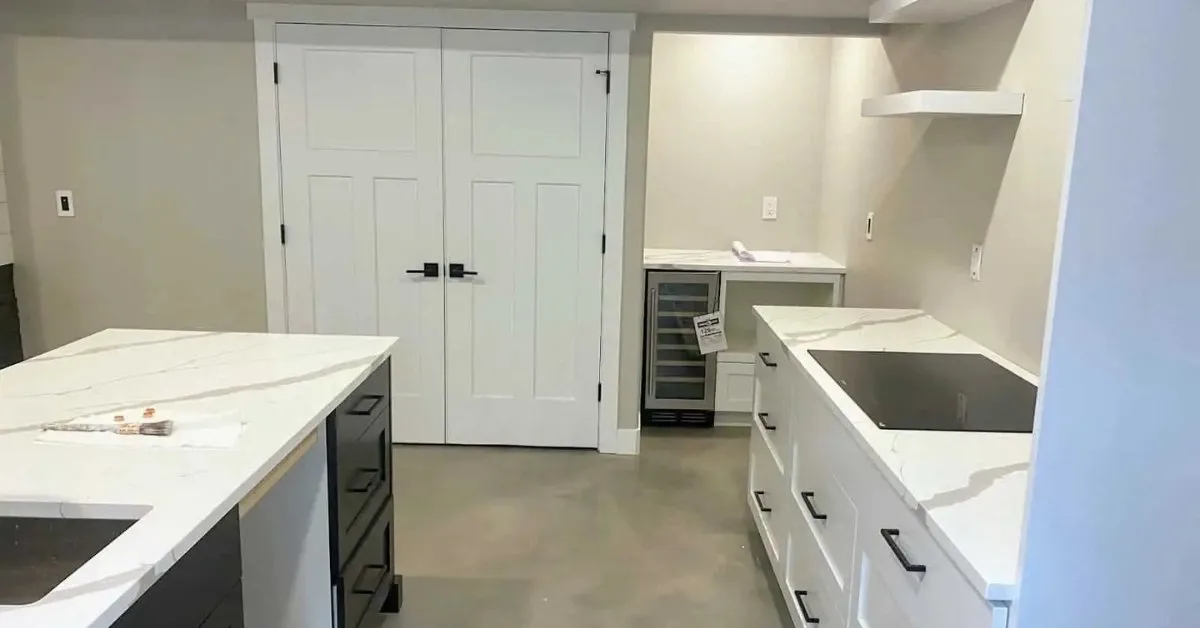
Renovating a basement elevates an underused area of your home into a vibrant, functional space. However, it’s not without its challenges and costs. Homeowners need to understand the drawbacks before considering this substantial home improvement.
One significant hurdle is the high initial costs. Basement renovations are expensive due to the extensive work often required to make the space livable. This includes basic cosmetic changes and major structural, electrical, and plumbing updates necessary to meet current living standards.
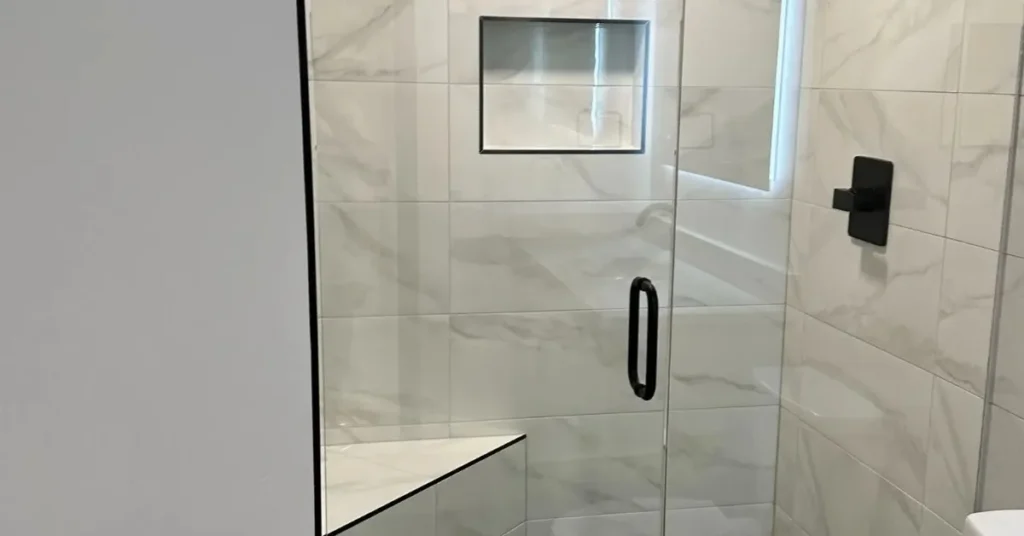
For example, older homes might need significant modifications to their foundational structure or new plumbing lines to accommodate an additional bathroom.
Moisture and ventilation are other critical issues that need careful consideration. Basements are prone to dampness due to their below-ground location. Without proper waterproofing measures, such as installing sump pumps or French drains, moisture seeps in, leading to mold and mildew problems that compromise air quality and can be costly to remediate.
Adequate ventilation systems are essential to ensure that the air remains fresh and healthy, and this requires additional planning and expense.
The complexity of construction is also a factor that deters homeowners. Many basements have inherent challenges, such as low ceilings, limited access, and complex foundational structures that may require creative solutions to optimize the space. These obstacles often necessitate innovative design and construction techniques, which increase the project’s cost and duration.
Finally, the need for permits and strict adherence to local building codes further complicate basement renovations. Depending on where you live, securing the necessary permits is a time-consuming process that involves detailed inspections and potential revisions to your plans to ensure compliance with local regulations.
This extends the timeline of your renovation project but also adds to the overall cost, as you might need professional assistance to navigate these legal complexities.
While basement renovations enhance your home and lifestyle, they require careful planning and consideration of potential issues. Awareness of these challenges helps you set realistic expectations and prepare adequately for transforming your basement into a cherished part of your home.
Evaluating the return on investment (ROI)
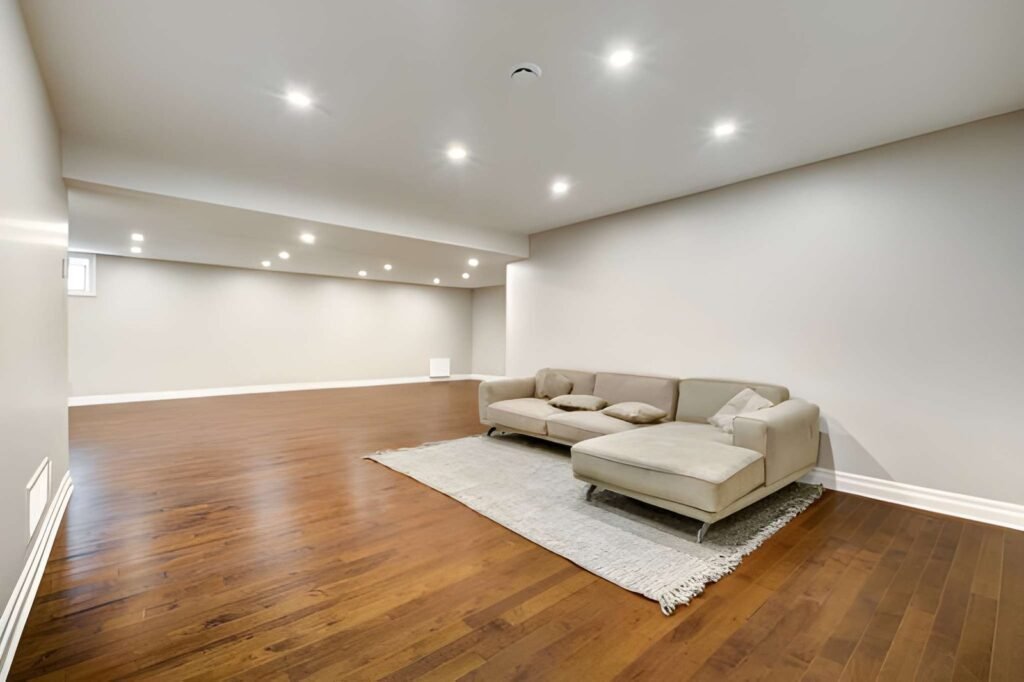
When considering a basement renovation, evaluating its return on investment (ROI) explains how this upgrade compares financially to other home improvements. Several factors contribute to the ROI of a basement remodel, and understanding these helps you make a more informed decision about proceeding with your project.
The quality of work significantly affects the ROI of any basement renovation. High-quality craftsmanship and materials ensure the durability and aesthetic appeal of the finished space but also appeal more to potential buyers, should you choose to sell your home.
A professionally finished basement that complements the overall style and functionality of the house offers a substantial return. In contrast, a poorly executed project might not recoup its costs and could even detract from the home’s value.
The location of your home also plays a pivotal role in determining the ROI of a basement renovation. Homes in high-value or rapidly appreciating real estate markets tend to gain more from basement remodels because additional livable space is at a premium. Conversely, in areas where market values are stagnant or falling, the return on investment might not justify the initial expense.
The current real estate market conditions greatly influence the ROI. In a seller’s market, where demand outstrips supply, a well-renovated basement boosts a home’s appeal and selling price. In a buyer’s market, however, potential buyers might have more options and could be less willing to pay a premium for a renovated basement, affecting the overall ROI.
Comparing the potential ROI of basement renovations to other home improvements also offers valuable insights. For instance, kitchen and bathroom remodels are traditionally seen as some of the best ways to add value to a home, often providing a higher average return on investment than basement renovations.
However, the added square footage of a finished basement may be a bigger draw in areas where families are looking for more living space. This makes basement renovations particularly competitive in terms of ROI, mainly if they include additional bathrooms or specialized areas like home theaters or gyms that attract a broader audience.
Bring your vision to life with CCS of Utah
Deciding to renovate your basement is a major undertaking that requires careful thought and planning. As you weigh the pros and cons, consider the impact on your living space, evaluate the potential return on investment, and reflect on how well the renovation aligns with your personal needs and future plans. With all factors considered, the next step is choosing the right project partner.
At CCS of Utah, we understand that a basement renovation is more than a construction project — it’s an opportunity to enhance your home life and increase your property’s value. Our team is committed to providing high-quality craftsmanship tailored to meet your specific desires and needs.
We stand ready to guide you through every step of the process, ensuring that your basement transformation is smooth, stress-free, and perfectly aligned with your vision. Our expertise in managing both the complexities of construction and the nuances of design makes us the ideal choice for your renovation project.
Reach out to CCS of Utah today, and take the first step toward transforming your basement into a beautiful and functional space that you and your family will enjoy for years. Together, we will create a space that meets your current needs and adapts to your future aspirations.