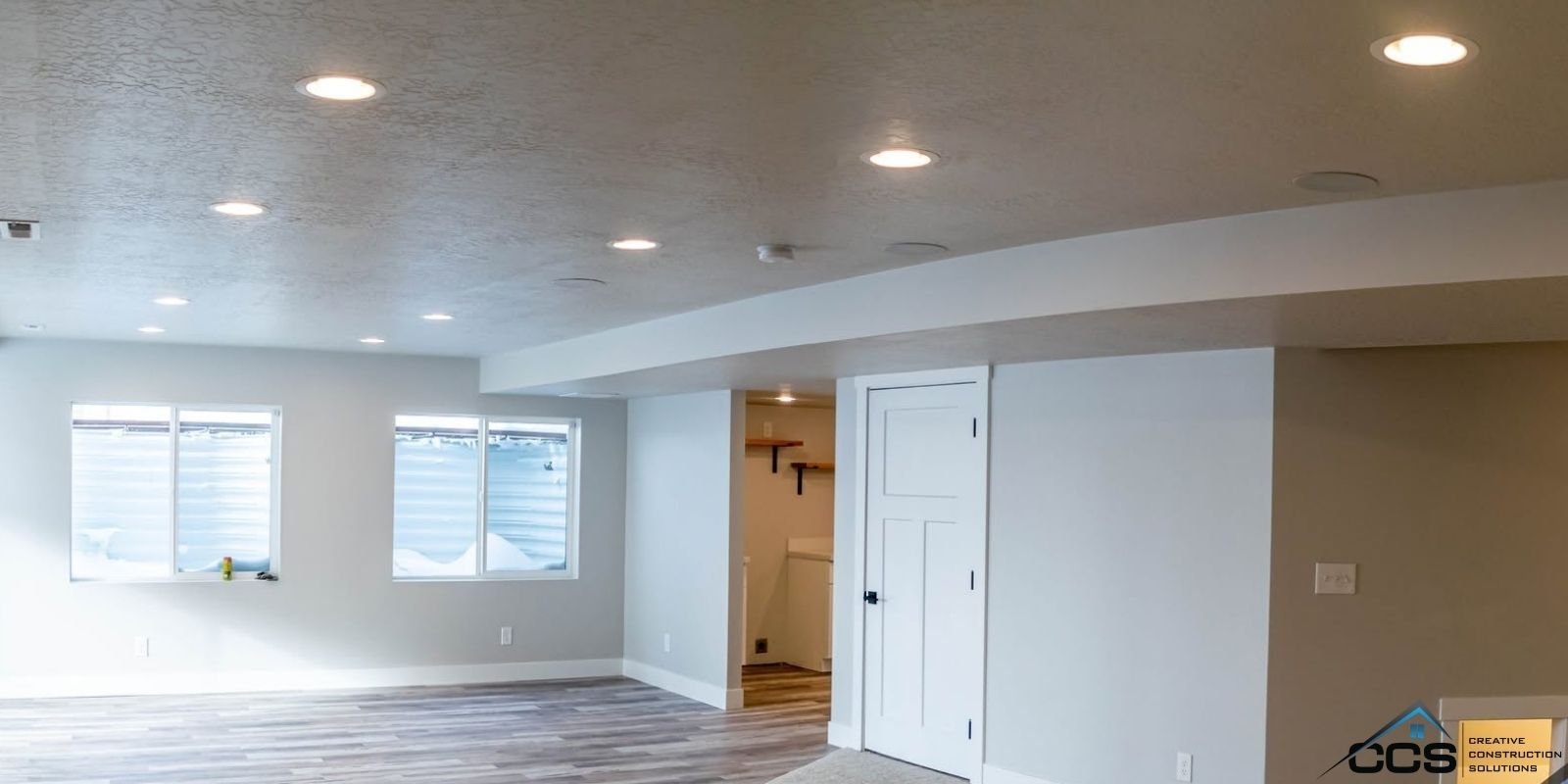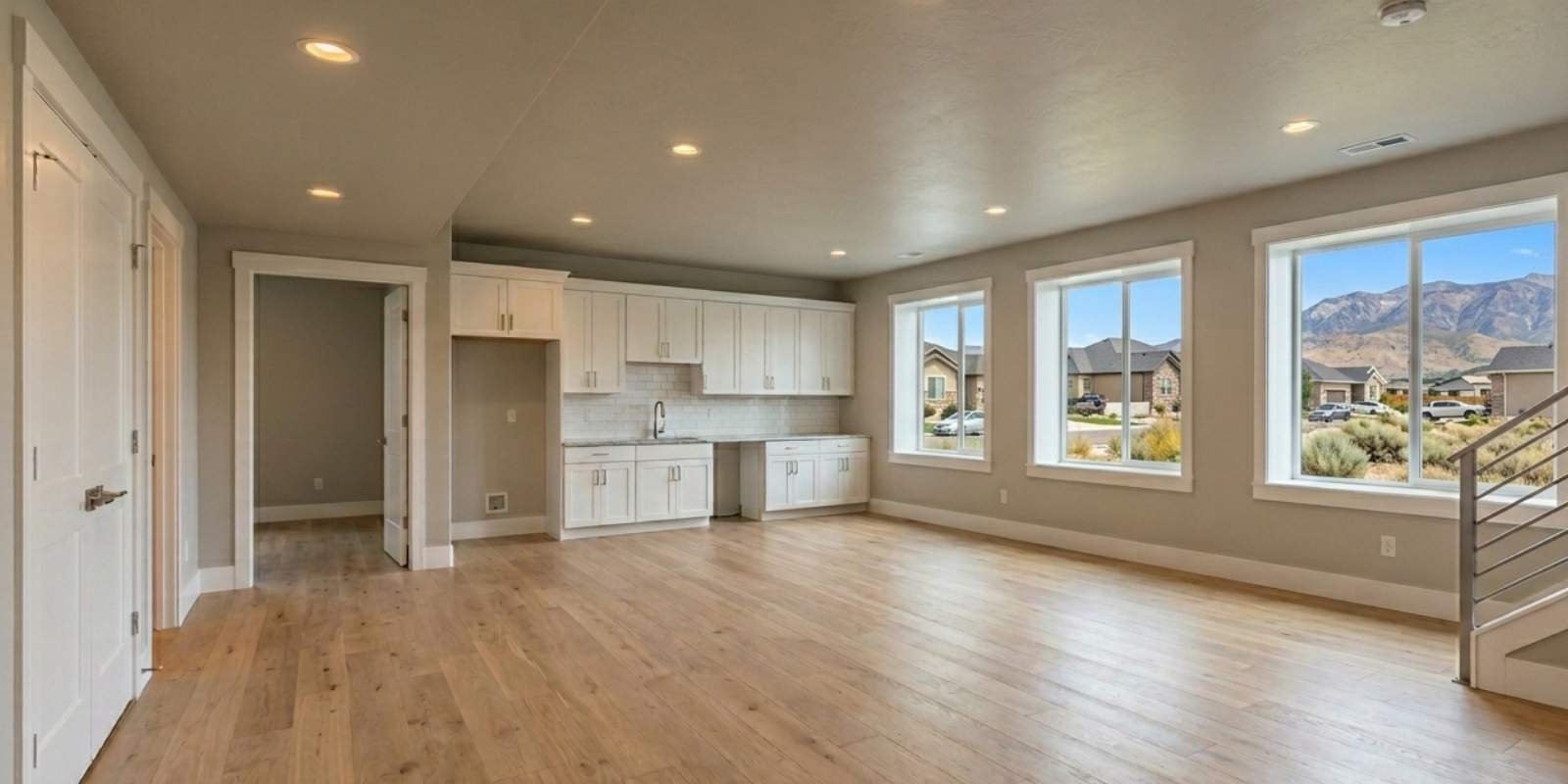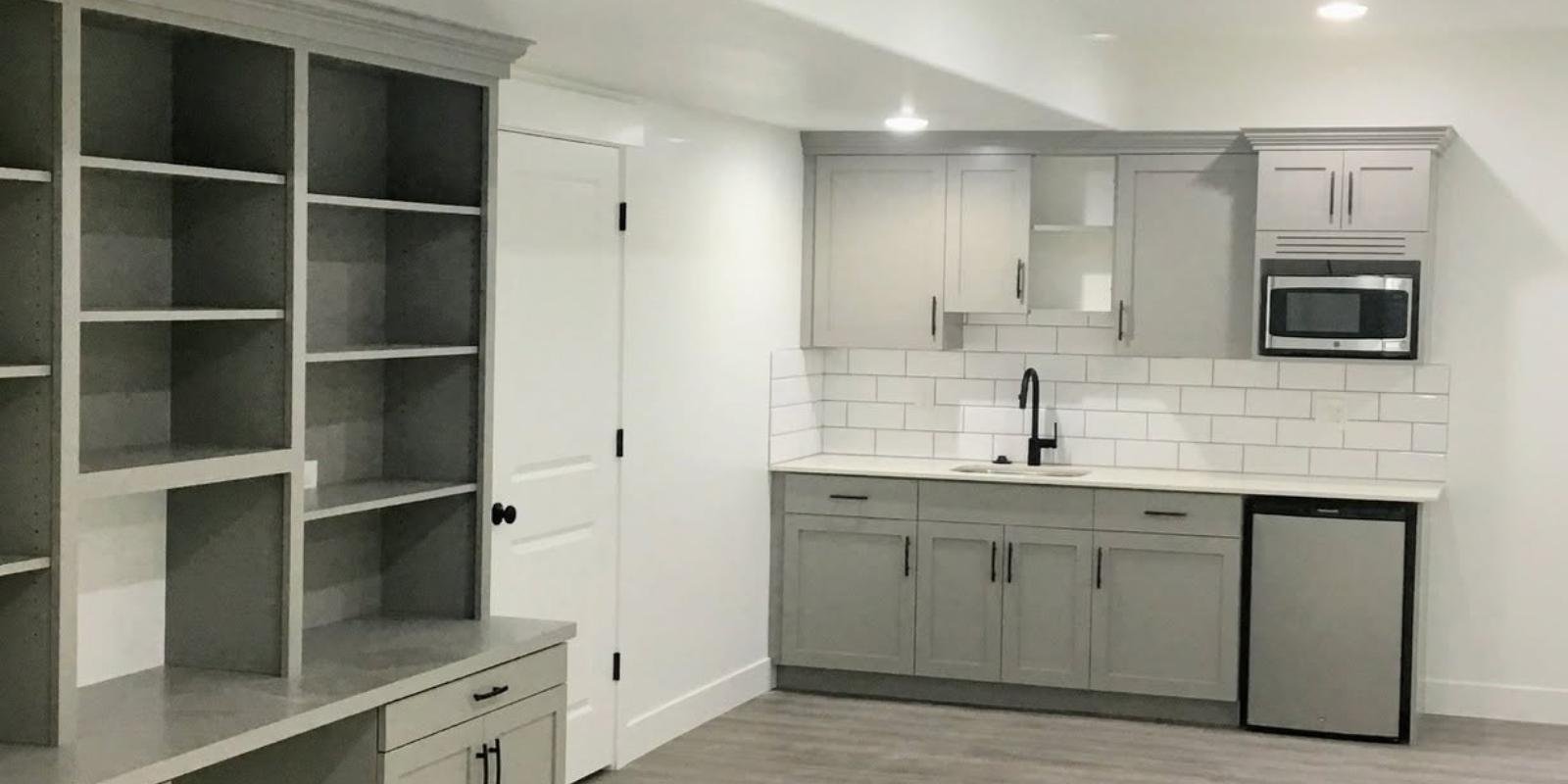

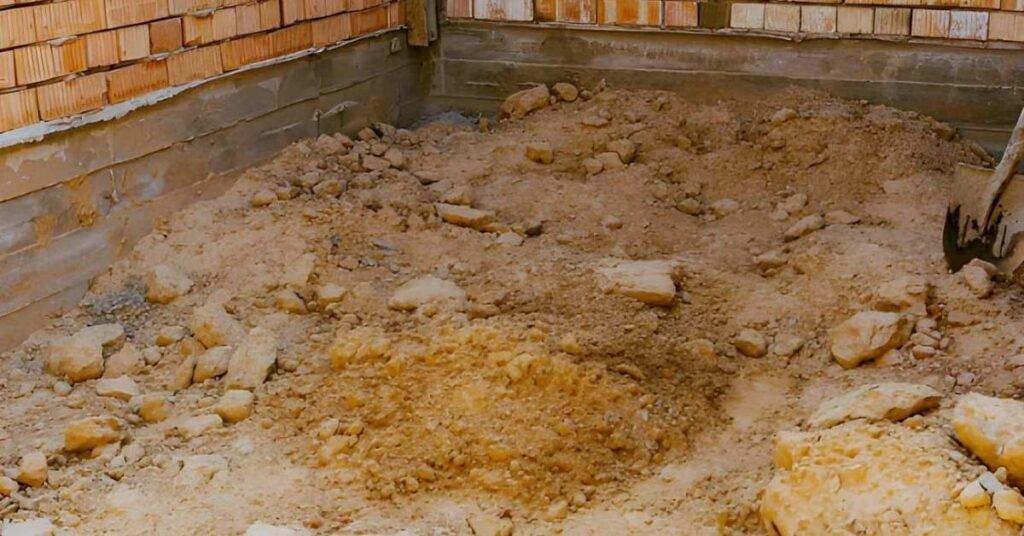
One of the greatest ways to increase the size and value of your South Jordan home is to finish your basement. The way you utilize your house can be totally changed by adding a new family room, guest bedroom, or rental space. However, many homeowners overlook a crucial consideration before choosing flooring and paint colors: how soil conditions affecting basement finishing.
The soil beneath and surrounding your home greatly influences its foundation’s performance in South Jordan. Ignoring soil conditions could result in structural damage, leaks, or cracks after your makeover is finished.
How Soil Conditions Impact Basement Finishing?
Soil supports your house. Changes in pressure, temperature, and moisture cause the soil to react continuously.
It’s important to understand the following while talking about how soil conditions affecting basement finishing:
- The soil contracts and expands
- Water drains or is retained differently in soil
- Over time, soil may move or settle
These vibrations have an immediate effect on the basement floor and foundation walls. Expanding dirt presses up on the foundation walls. It may leave spaces that lead to settling if it shrinks.
Eventually, this results in:
- Long-term basement foundation issues
- Uneven flooring
- Wall cracks
- Water intrusion
Assessing the state of the soil before renovating might help save future expensive repairs.
Expansive Clay Soils In South Jordan
Expansive soil Utah is widely recognized, particularly its clay-heavy soil, which is one of the main issues in the area.
Clay soil readily absorbs water. Moisture causes it to grow. It shrinks when it dries. Under your house, this ongoing cycle causes movement.
This type of soil contributes to:
- Cracked basement walls
- Doors and windows are sticking
- Foundation movement basement problems
- Shifting slabs
Knowing how soil conditions affects basement finishing in clay-rich areas is essential if you’re considering a remodel. Your new flooring and drywall could crack in a matter of months if you don’t prepare them properly.
Drainage And Groundwater Challenges
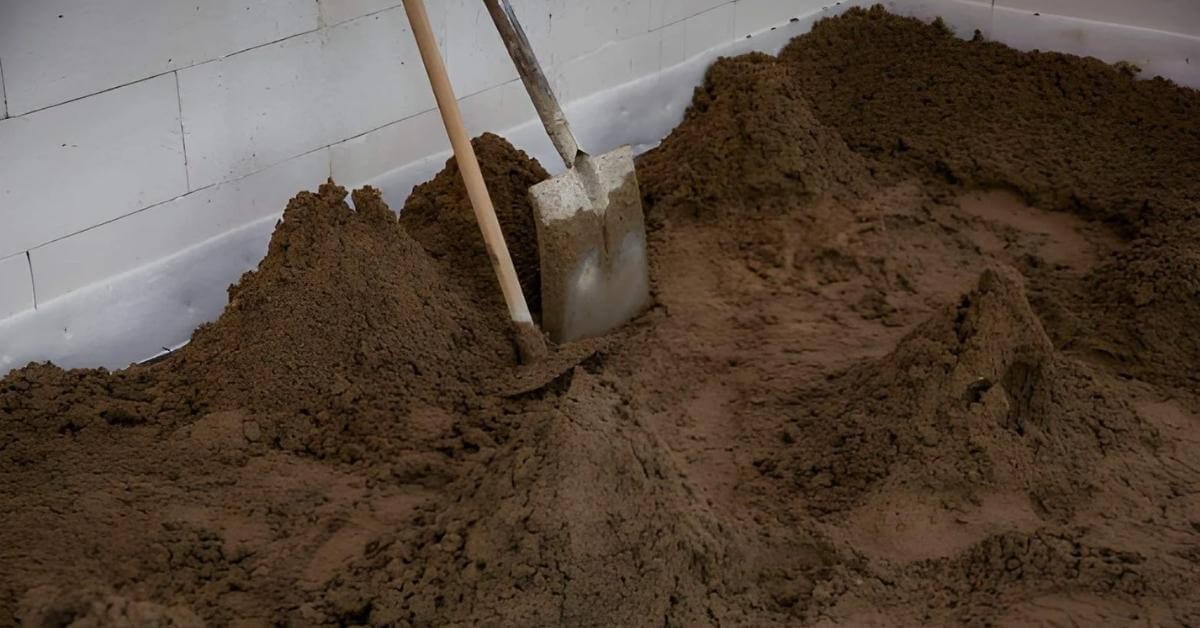
One of the main risks to a finished basement is water. Water might accumulate close to your home’s foundation due to poor grading. The basement walls experience an increase in hydrostatic pressure as a result.
Hydrostatic pressure basement problems occur when:
- Soil soaked with water presses up against the walls
- Widening foundation cracks
- When water seeps through concrete
This can cause moisture damage and major basement drainage problems.
Poor drainage might be indicated by:
- A pool of water close to the foundation
- Efflorescence (white powder on concrete)
- Musty odors
- Wet patches on walls
Any plan that addresses soil conditions affecting basement finishing should include drainage improvements.
Soil Compaction And Settlement Issues
Soil settlement basement issues are another significant concern.
Soil is refilled around the foundation of a house during construction. This soil will eventually settle if it is not well compacted.
Settlement may result in:
Cracked basement floors
- Structural stress
- Uneven framing
- Wall separation
Homeowners may require structural foundation repair in serious situations.
It’s advisable to look for signs of settlement before finishing your basement:
- Foundation wall cracks in stair-steps
- Spaces between floors and walls
- Basement floors that slope
Being well-prepared reduces the risks associated with soil conditions affecting basement finishing.
Moisture Risks Linked To Soil Conditions
Water is retained in dense clay soil. Long-term water sitting against your foundation might lead to basement moisture problems.
In a finished basement, moisture can cause:
- Damaged drywall
- Health concerns
- Mildew odors
- Mold growth
- Warped flooring
One of the best things you can do is to install basement waterproofing solutions before the reconstruction.
A few examples of effective waterproofing are:
- Exterior drainage improvements
- Interior drain tile systems
- Sump pump systems
- Vapor barriers
Your ideal space could become an expensive repair project if you ignore how soil conditions affecting basement finishing.
Building Code And Soil Considerations In Utah
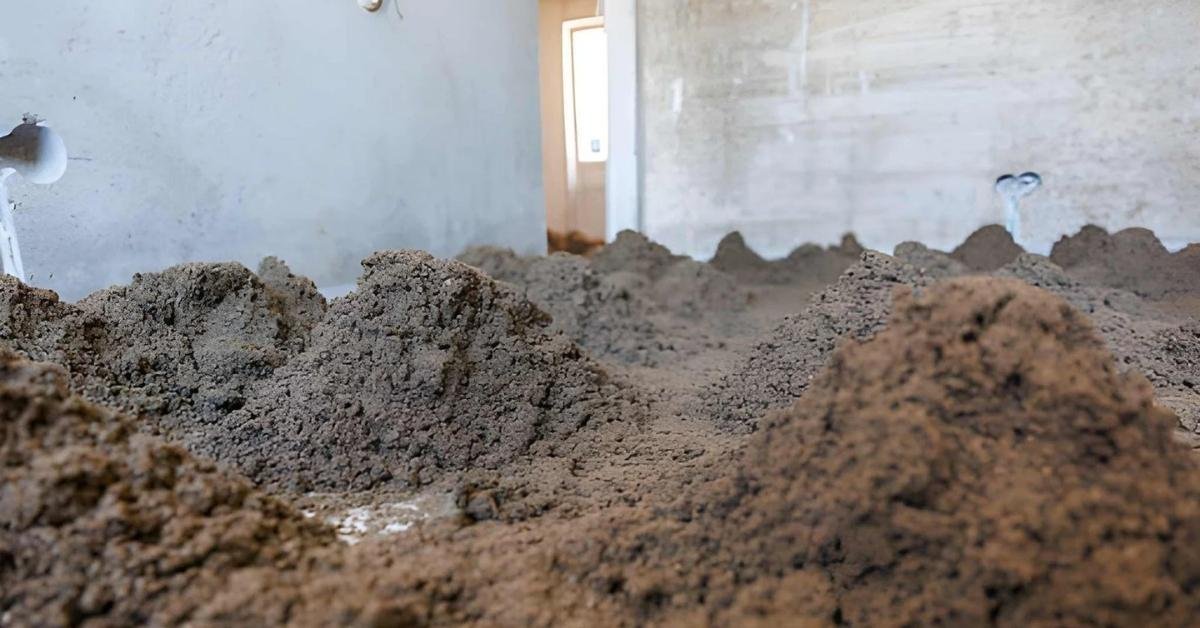
The purpose of the Utah construction standards and the South Jordan building code is to help protect residents against structural problems.
Depending on the project, you might need:
- Basement remodeling permit
- Drainage compliance review
- Soil evaluation
- Structural inspection
Local inspections can guarantee that your foundation is capable of supporting further finishing work.
Before starting your remodel:
- Confirm permit requirements
- Schedule inspections if needed
- Review structural conditions
Understanding local rules guarantees that your basement renovation remains safe and lawful.
Preparing Your Basement For Finishing Based On Soil Conditions
Preparing the basement properly lowers long-term risks.
Start by having a foundation inspection South Jordan done by professional. They can check for:
- Changes in structure
- Foundation cracks
- Moisture issues
- Soil settlement signs
Next, make exterior grading better. To avoid water pooling, make sure the land slopes away from your house.
Some further basement preparation measures could be:
- Putting up vapor barriers
- Installing sump pump systems
- Fixing cracks in the foundation
- Optimizing drainage systems
Your finished space will be protected for many years to come if the soil conditions affecting basement finishing are addressed before construction starts.
Why Hiring A Professional Basement Contractor Matters?
It can make a big difference to work with a reputable basement contractor like CCS of Utah South Jordan that locals trust.
Professionals understand:
- Drainage challenges
- Local soil types
- Structural reinforcement needs
- Waterproofing requirements
Before putting in flooring, drywall, and structure, an experienced expert basement finishing will assess the soil concerns.
This helps to prevent:
- Damage to the foundation
- Expensive post-remodel maintenance
- Issues with water infiltration
- Violating the code
Avoiding inspections or soil assessments in an attempt to save money frequently results in higher costs down the road.
Experience is important when it comes to how soil conditions affecting basement finishing.
FAQs
1. How do soil conditions affect basement finishing?
Cracks, leaks, and structural instability can be brought on by moisture and soil movement. Ignoring how soil conditions affecting basement finishing raises the possibility of moisture and foundation problems.
2. What type of soil is common in South Jordan?
Expansive clay soils are common. Foundation movement may result from these soils’ tendency to expand when wet and compress when dry.
3. Can poor drainage damage a finished basement?
Yes. Inadequate drainage causes moisture intrusion and hydrostatic pressure foundation problems.
4. Is soil testing required before finishing a basement?
Local regulations or inspections may occasionally need to be assessed, particularly if there are problems with the structure.
5. Should I waterproof my basement before finishing it?
Yes. Mold development and long-term moisture damage can be avoided by installing waterproofing solutions for basements.
“Concerned about soil conditions affecting your basement project? Schedule a free consultation with South Jordan’s trusted basement finishing experts to protect your investment.”