
Many homeowners ask, “Do I need permit for basement finishing in Bluffdale Utah?” For the most part, the answer is yes. Permits are usually required for basement finishing projects because the work may impact your home’s plumbing, electrical, structural, or safety factors. Local permits help ensure that the project passes inspections and complies with building codes.
It might save time and money to know what permits are needed before construction begins, whether you are adding bathrooms, bedrooms, or recreational areas. Homeowners can also avoid delays, unsuccessful inspections, and potential issues when selling their property by working with a professional contractor.
Do You Need a Permit for Basement Finishing in Bluffdale, Utah?
If you’re asking, “Do I need permit for basement finishing in Bluffdale Utah?” most of basement projects normally need a permit from the city. Homeowners can verify that the work meets building and safety regulations by acquiring a basement finishing permit Bluffdale Utah.
Permits are frequently needed for the following projects:
- Adding plumbing fixtures
- Building walls or bedrooms
- Creating egress windows
- Constructing bedrooms or walls
- Installing electrical wiring
- Installing insulation and drywall
- Modifying HVAC systems
A permit for basement finishing Bluffdale is crucial because it protects the homeowner and potential buyers. Furthermore, permits help city inspectors to confirm that the finished basement is safe to occupy.
What Basement Work Requires a Permit?
A number of basement projects need the local building department’s clearance. Every time a home’s layout or systems are modified during development, a basement construction permit is frequently required.
Electrical Upgrades and Rewiring
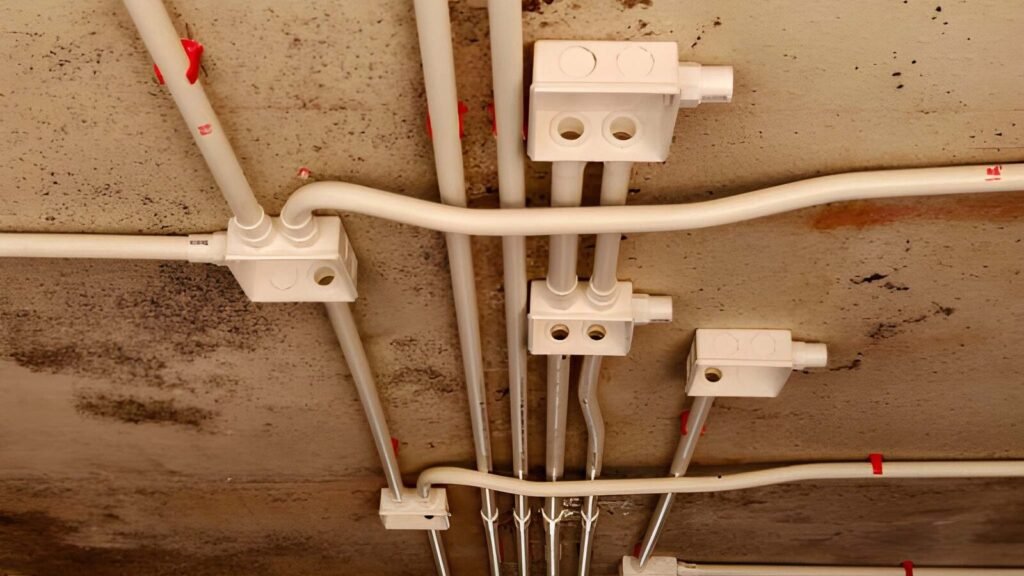
One of the most regulated parts of rebuilding a basement is the electrical installation. Inspections are usually necessary for new outlets, recessed lights, upgraded breaker panels, and wire projects.
Plumbing Additions
Plumbing permits are typically needed to add a bathroom, wet bar, or laundry room. Inspectors check that water, venting, and drainage pipes are built correctly.
Framing and Drywall
Because these changes affect fire safety and structural compliance, building internal walls, adding insulation, and hanging drywall frequently require a permit.
Bedrooms and Egress Windows
Appropriate emergency exits are required by Utah building regulations if you want to create a basement bedroom. Egress windows have to adhere to certain accessibility and size requirements.
In addition to guaranteeing that the basement is secure for family usage, finishing basement legally protects homeowners from potential financial and legal problems.
Basement Permit Requirements in Bluffdale
Understanding Utah basement permit requirements will help homeowners prepare properly, even though the procedure may appear complicated.
Here’s a quick overview of the standard process:
| STEP | DESCRIPTION |
| Application Submission | Homeowners or contractors submit permit forms |
| Construction Plans | Drawings and layouts are reviewed |
| Permit Approval | The city approves the project before work begins |
| Inspections | Inspectors visit during various construction stages |
| Final Approval | Project receives final sign-off after completion |
Bluffdale building permits are often needed:
- Egress window specifications
- Electrical layouts
- Floor plans
- Plumbing details
The size of the project and the city’s workload determine the permit timeline.
Why Basement Permits are Important
In an effort to save time or money, some homeowners try to avoid obtaining permits. Permits, however, offer numerous significant advantages.
Safety and Code Compliance
A code compliant basement finishing project lowers the chance of electrical fires, inadequate ventilation, and hazardous construction methods.
Better Property Value
A legal basement finish can increase resale value, as buyers often ask whether the renovations were officially approved.
Avoiding Penalties
Unauthorized buildings could lead to:
- Penalties
- Failed inspections
- Required demolition
- Stop-work orders
Unauthorized job claims may be rejected by insurance providers. Having the right permits helps protect homeowners from liability issues.
Common Utah Building Codes for Finished Basements
Every finished basement must adhere to the Utah basement code. The Bluffdale basement building code places a strong emphasis on livability and safety.
Egress Windows
Emergency escape windows in bedrooms must be at least the minimum size.
Ceiling Heights
Most finished basements require that living areas have ceilings at least 7 feet high.
Electrical and Smoke Detectors
Typically, basements need:
- Carbon monoxide detectors
- GFCI outlets in certain areas
- Proper circuit protection
- Smoke detectors
HVAC and Ventilation
To preserve comfort and indoor air quality, finished basements need adequate heating, ventilation, and circulation systems.
Common code areas are outlined in the table below:
| BUILDING FEATURE | TYPICAL REQUIREMENT |
| Bedroom Egress | Emergency escape window |
| Ceiling Height | Minimum 7 feet |
| Smoke Detectors | Required near bedrooms |
| Electrical Outlets | Code-spaced placement |
| HVAC | Proper heating and ventilation |
What Happens If You Finish a Basement Without a Permit?
Unpermitted basement finishing can lead to major issues in the road.
Fines and Penalties
If local officials find that the building was finished without permits, they may impose fines.
Problems During Home Sales
Permits are a common question from buyers and home inspectors. A house sale may be delayed or lose value due to missing permits.
Insurance Risks
Insurance companies may decline to pay for damages caused by improper finishing.
Rework or Demolition
To allow inspectors to check for hidden wiring, plumbing, or framing, homeowners may occasionally need to remove completed projects.
Basement permit violations can quickly become costly and stressful.
How Much Does a Basement Permit Cost in Bluffdale?
The basement permit cost Utah varies based on the size and complexity of the project.
Common factors influencing permit costs are as follows:
- Electrical work
- HVAC upgrades
- Plumbing additions
- Square footage
- Structural changes
Here is a general estimate:
| PROJECT TYPE | ESTIMATED PERMIT COST |
| Small Basement Finish | $500 to $1,000 |
| Mid-Size Finish | $1,000 to $2,000 |
| Large Basement Project | $2,000+ |
Specialized inspections or specialty systems may require additional Bluffdale permit fees.
Permits can prevent much greater expenses later, even though they slightly raise project costs.
The total basement finishing cost varies depending on square footage, room additions, custom features, and the complexity of the project.
DIY Basement Finishing Vs Hiring a Licensed Contractor
Some homeowners try their own basement finishing projects. Even though do-it-yourself projects can save money up front, managing permits and inspections on your own can be challenging.
DIY Project Challenges
DIY basement finishing frequently involves:
- Correcting code violations
- Preparing permit documents
- Scheduling inspections
- Understanding building codes
Benefits of Licensed Contractors
A licensed basement contractor Bluffdale homeowners hire can simplify the process by:
- Managing permit applications
- Scheduling inspections
- Following code requirements
- Preventing costly mistakes
Professional basement finishing companies like CCS of Utah also facilitate quicker and more seamless project completion.
FAQs
1. Do I need a permit to finish my basement in Bluffdale, Utah?
Yes, most basement finishing projects in Bluffdale require a building permit. This applies to structural changes, electrical work, plumbing, and HVAC installations. Skipping the permit process can create serious legal and financial problems later.
2. What happens if I finish my basement without a permit in Utah?
Unpermitted basement work can result in costly fines from local authorities. It may also cause complications during home inspections when selling your property. Some insurance companies may deny claims related to unpermitted renovations.
3. How much does a basement finishing permit cost in Bluffdale?
Permit fees in Utah vary depending on your project’s size and scope. Most homeowners budget a few hundred dollars for the permit alone. Your licensed contractor can provide a more accurate estimate during the planning phase.
4. Are inspections required during a basement finishing project in Utah?
Yes, permitted basement projects typically require inspections at multiple construction stages. Inspectors check framing, electrical, plumbing, and insulation before drywall goes up. Passing each inspection ensures your finished basement meets Utah building codes.
5. Can a homeowner pull their own basement finishing permit in Bluffdale?
Yes, homeowners can apply for their own permits in most Utah cities. However, hiring a licensed contractor often speeds up the approval process. Professionals are familiar with Bluffdale’s specific code requirements and inspection standards. all documentation and code requirements are properly submitted.
“Planning to finish your basement in Bluffdale? Contact CCS of Utah, a licensed basement finishing contractor to help with permits, inspections, and code-compliant construction.”