
Learn the basement remodeling building code Alpine requirements before starting your project to avoid failed inspections, costly delays, or resale issues. Basement remodels in Alpine must comply with Utah’s adopted IRC standards and local regulations covering egress windows, ceiling height, ventilation, electrical systems, and structural work.
With stricter 2026 code enforcement across Utah County, including nearby Draper, planning for compliance has become more important than ever. This guide explains the current building code requirements, why they matter, and how to keep your basement remodel safe, compliant, and built to last.
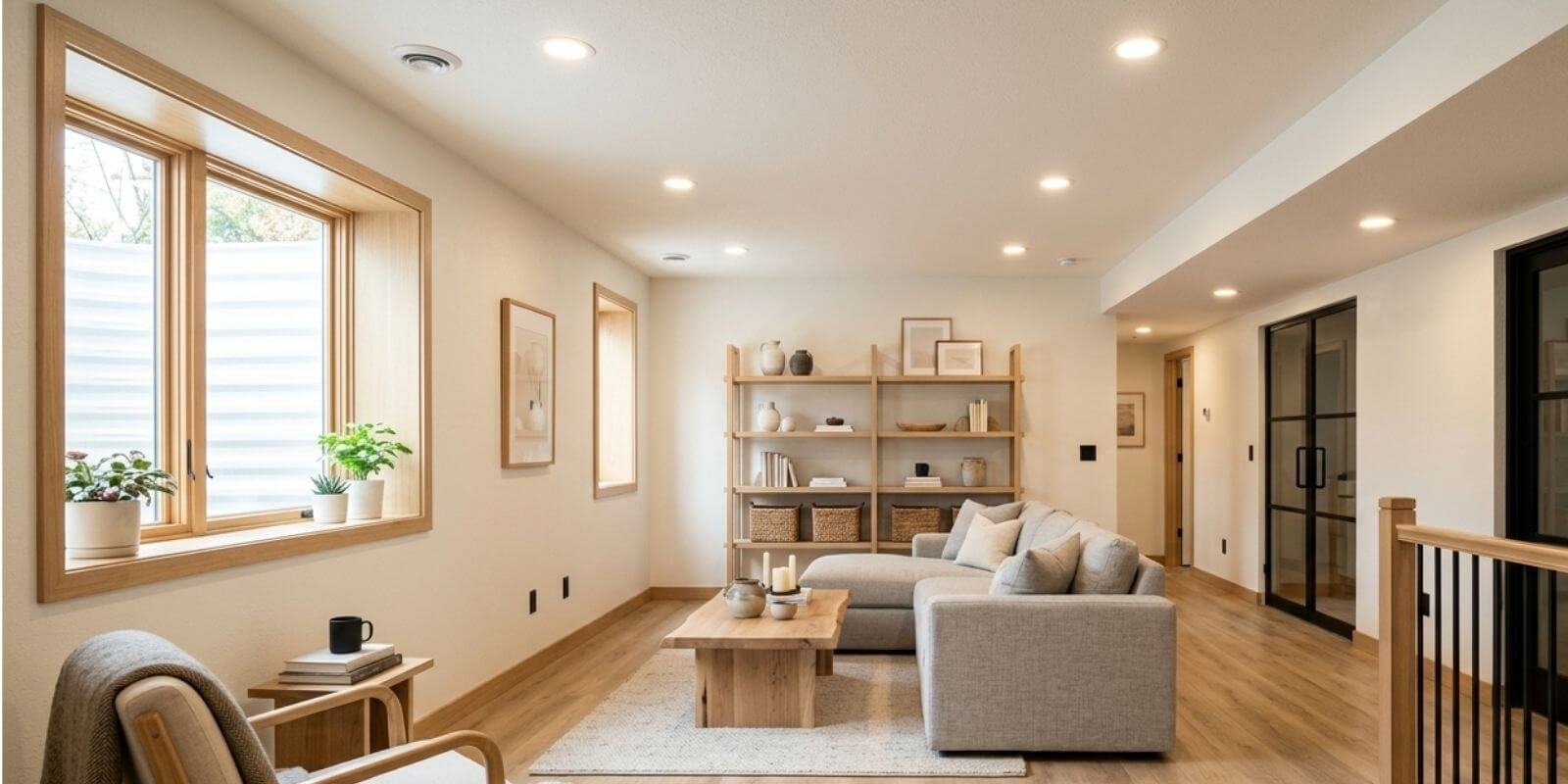
What Is Covered By Basement Remodeling Building Code Alpine?
Basement remodeling building code Alpine addresses egress safety, plumbing, electrical systems, and structural work. The Alpine Building Department takes responsibility for enforcing the Utah Residential Code. Before a basement project can pass final inspection, it must adhere to these rules.
Egress, Electrical, And Structural Rules
Code review starts with these three core areas:
- Egress: doors or windows that provide a secure way out in an emergency
- Electrical: panel capacity, outlets, and circuits
- Structural: load-bearing walls, support posts, and framing
Utah’s Adopted Irc Standards
Alpine complies with the state-adopted International Residential Code (IRC). Alpine applies local changes on top of the Utah residential code, which establishes the foundation. This ensures that basement work complies with state safety regulations.
Why Draper And Alpine Enforce Updated 2026 Revisions
In 2026, Draper, which is close by, and Alpine both increased enforcements. More than in previous years, inspectors are closely reviewing ventilation, ceiling height, and egress. Part of the cause is Utah County’s growing demand for basement remodels.
Does Alpine Have Its Own Separate Building Code?
No, Alpine’s core rules are the same as those of the rest of Utah County because it uses Utah’s adopted IRC with local modifications.
How Can You Get An Alpine Basement Remodeling Permit?
Before any work is done, most of basement remodeling in Alpine requires a permit. After submitting an application to the city for an Alpine building permit, you can plan inspections for every step of construction. Fines or mandatory rework may result from starting work without one.
Planning for permits early also helps homeowners estimate basement remodeling costs more accurately, since permit fees, inspections, and required code upgrades can all affect the overall project budget.
When A Permit Is Needed
Most structural, electrical, and plumbing changes require a basement remodel permit Utah. Usually, one is not necessary for simple cosmetic tasks like painting or flooring.
Alpine City Application Process
1. Submit the city the scope of work and basic project plans
2. Make the necessary permit payments
3. Receive a permit before starting construction or demolition
Stages Of Inspection Homeowners Should Expect
- Framing inspection, before drywall is installed
- Electrical and plumbing rough-in inspection
- Insulation inspection
- Final inspection, after all work is complete
What Are The Requirements For Ceiling Height And Egress Windows?
For a safe emergency exit, basement egress requirements include a minimum window size, opening area, and sill height. The ceiling height code establishes a minimum amount of open space above the ground. Compared to non-bedroom areas, bedroom code compliance imposes more stringent rules.
Minimum Egress Window Size And Placement
A sill height that is low enough for someone to safely climb out and a minimum opening size are usually required by code. The window needs to be positioned in an exterior wall with an open path to the outside. Size regulations may also apply to an external window well.
Ceiling Height Clearance Rules
The ceiling height code establishes a minimum amount of space needed for a livable basement. In small areas, obstructions such as pipes and beams are typically given a little space. Your layout’s precise clearance can be verified by a certified contractor such as Creative Construction Solutions (CCS of Utah).
Bedroom Vs. Non-Bedroom Code Differences
| FEATURE | BEDROOM | NON-BEDROOM |
| Egress window | Required | Usually not required |
| Ceiling height | Full clearance required | Slightly reduced clearance allowed in spots |
| Smoke detector | Required inside room | Required nearby, not inside |
| Best for | Guest room, home office used as sleeping space | Rec room, home gym, storage |
Which Standards Apply To Plumbing, Electrical, And Ventilation?
The basement electrical code establishes guidelines for circuit capacity and GFCI protection. Any new bathroom’s rough-in placement is covered by the plumbing code basement work. Moisture control is addressed by ventilation requirements in order to prevent mold growth.
GFCI And Circuit Requirements
- GFCI protection close to bathrooms, wet bars, and sinks
- Circuits specifically designed for large appliances
- Adequate panel capacity for additional basement loads
Bathroom Plumbing Rough-In Code
Before installing any fixtures, plumbing code basement bathrooms must have the right drain slope, ventilation, and rough-in placement. This stage is inspected by inspectors prior to the walls closing.
Rules For Ventilation And Moisture Control
Bathrooms and any other enclosed place must have adequate airflow. In Utah’s climate, moisture buildup is a common basement issue that can be avoided with the use of vapor barriers and drainage.
What 2026 Code Updates Affect Alpine And Draper Homeowners?
Alpine and Draper will have more stringent IRC adoption requirements as a result of 2026 building code updates. Utah County code changes have increased inspection monitoring throughout the area. Compared to previous years, homeowners should anticipate more comprehensive reviews.
Recent IRC Adoption Changes
Egress, ventilation, and energy regulations are most quickly affected by these modifications.
Utah County’s Increasing Inspection Scrutiny
Issues that were previously overlooked are being flagged by inspectors.
How Alpine Enforcement Is Affected By Draper-Area Trends?
Utah County’s increasing basement remodeling volume is driving both cities toward stricter regulation.
Will These Rules Be Changed Once More In The Future?
Most likely, yes. Before starting a project, homeowners should confirm the most recent rules because building codes are updated on a regular basis.
What Are The Most Common Code Violations In Basement Remodeling?
Unpermitted work, missing egress windows, and inadequate insulation are the most common code violations basement projects encounter. These problems increase the risk of an unpermitted remodel, which may come up in a later sale or inspection.
Unpermitted Plumbing Or Electrical Work
Failing to get permits for plumbing or electrical repairs can conceal hazardous pipes or wiring under completed walls.
Missing Egress Windows
- Additional bedrooms without a suitable egress window
- Too-small or obstructed egress windows outside
- Window wells that don’t adhere to drainage or size rules
Inadequate Vapor Barriers Or Insulation
Until a later upgrade or inspection, mold, wetness, and increased energy costs frequently remain undetected.
FAQs
What building codes apply to basement remodeling in Alpine, Utah?
Alpine follows Utah’s adopted International Residential Code for basement remodeling. This code covers egress, electrical, plumbing, and structural work. Local amendments through the Alpine building department add extra detail. Homeowners should confirm current rules before starting design.
Do I need a permit to remodel my basement in Alpine?
Yes, most basement remodels need an Alpine building permit. Structural, electrical, and plumbing changes almost always require one. Cosmetic updates like paint or flooring usually do not. Check with the city before starting demolition.
What is the minimum egress window size required by code?
Basement egress requirements set a minimum opening size and sill height. This size allows safe emergency exit and rescue access. Exact numbers can vary by room use and window type. A licensed contractor can confirm the right size for your space.
Has the basement remodeling building code changed for 2026?
Yes, 2026 building code updates bring stricter IRC revisions to the area. Alpine and nearby Draper are both enforcing closer inspections. Utah County code changes are affecting timelines for many projects. Homeowners should plan for extra review time.
What happens if I remodel without following code?
Unpermitted remodel risks include fines and failed inspections. Skipped permits can also stall or lower offers during a home sale. Insurance claims tied to unpermitted work are sometimes denied. Following code from the start avoids these problems.
“Not sure if your basement remodel meets current code? Contact a licensed Alpine remodeling contractor for a compliance review and project estimate.”