
Most Utah basements are underused—often turning into storage instead of livable space. Adding a basement kitchenette is a smart upgrade that transforms your lower level into a functional area for entertaining guests, supporting multi-generational living, or even creating a rental-ready basement apartment.
Whether finishing a new space or planning some basement kitchenette ideas Utah homeowners need to prioritize convenience and value. Just keep in mind local Utah building codes, permit requirements, and plumbing access, especially if you’re installing a sink, drainage, or additional electrical for appliances.
1. Why Add a Basement Kitchenette in Utah?
Adding a basement kitchenette is a strategic upgrade for Utah homeowners looking to maximize usable square footage and improve overall home functionality. Whether you’re planning a basement remodel, finishing an unfinished space, or creating a flexible living area, a kitchenette supports modern living needs while aligning with Utah housing trends.
Increase Home Value
A well-designed basement kitchenette can boost your property value by turning an underutilized basement into a functional living space. In Utah’s competitive housing market, finished basements with kitchen features are highly attractive to buyers looking for added convenience and livable square footage.
Rental Potential (ADU-Style Setups)
Installing a basement kitchenette opens the door to creating an ADU-style basement apartment, which can generate passive rental income. Many Utah homeowners are leveraging basement conversions to offset mortgage costs, especially in areas where rental demand continues to grow.
Entertaining Space
A basement kitchenette makes it easier to host gatherings without constantly going upstairs, creating a self-contained entertainment zone. Features like a wet bar, beverage fridge, and snack prep area are popular in Utah basement designs focused on comfort and social use.
Multi-Family Living (Common in Utah)
Multi-generational living is common in Utah, and a basement kitchenette provides added independence for extended family members. It allows for a semi-private living arrangement while still keeping everyone under one roof, which is ideal for long-term flexibility.
2. Best Basement Kitchenette Layout Ideas
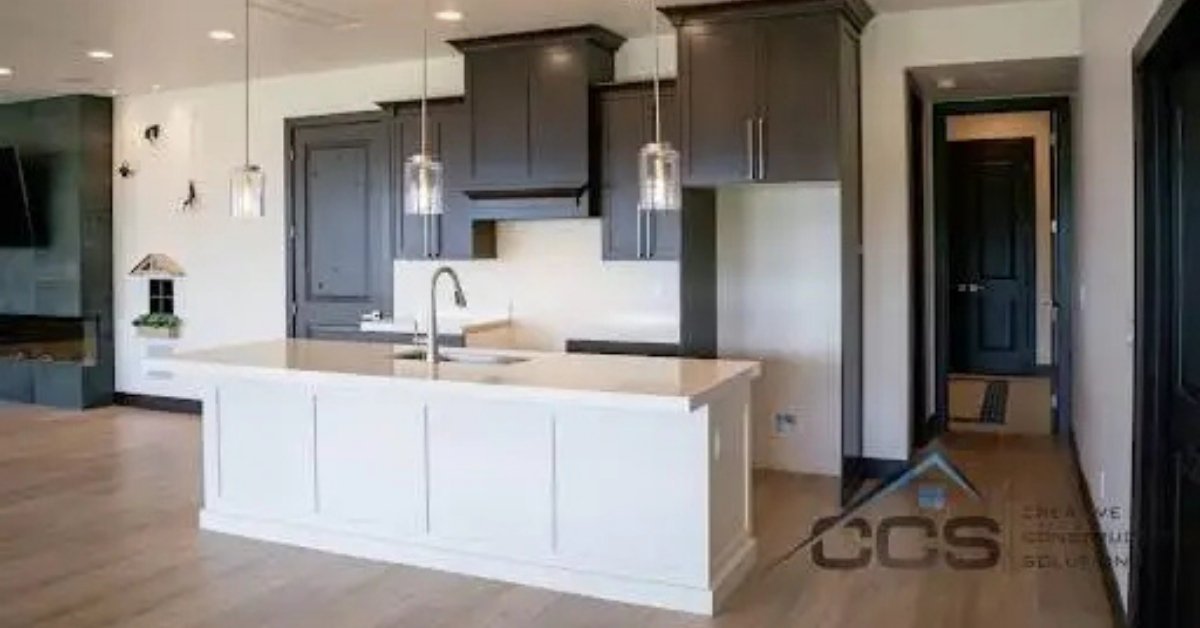
Choosing the right basement kitchenette layout depends on your available space, plumbing access, and how you plan to use the area—whether for entertaining, a basement apartment, or a multi-generational living setup.
Utah homeowners often deal with limited ceiling height, natural light constraints, and existing utility placements, so selecting a smart layout is key. Below are practical basement kitchen design ideas that balance functionality, efficiency, and style while aligning with common Utah basement finishing trends.
Compact Wall Kitchenette (One-Wall Layout)
Maximize a small footprint by utilizing a “work triangle” to create an intuitive flow between your sink, refrigeration, and prep areas. Incorporating vertical storage and multipurpose furniture, like a mobile island, keeps the space uncluttered while providing flexibility for daily use and guest hosting.
L-Shaped Basement Kitchenette
The L-shaped layout maximizes adjoining walls to provide superior counter space and a more efficient workflow for medium-sized Utah basements. This configuration creates a distinct, functional zone for prep and storage without sacrificing the open-concept feel of your renovation.
Basement Bar + Kitchenette Combo
A bar and kitchenette hybrid maximizes entertainment value by blending wet bar seating with essential prep features like beverage fridges and open shelving. This cost-effective layout is a favorite for Utah game rooms, offering high lifestyle impact without the construction overhead of a full kitchen.
Open Concept Kitchenette for Basement Apartments
Custom cabinetry and floating shelves maximize every inch of wall space, transforming awkward corners into organized storage for pantry items. Integrating built-in niches and pull-out organizers ensures even the smallest kitchenette remains visually open and highly functional without feeling cramped.
3. Basement Kitchenette Ideas Utah Residents Should Consider
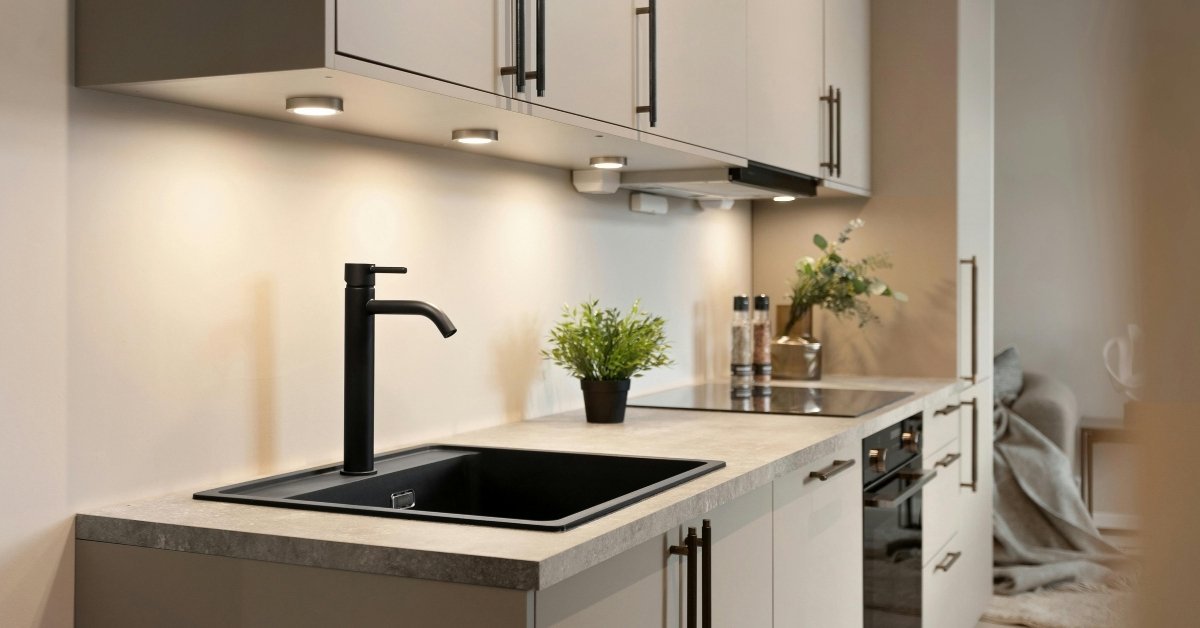
Choosing the right basement kitchenette design style can make a big difference in how your space feels and functions, especially in Utah basements where natural light is often limited. Whether you’re planning a basement remodel or finishing project, the goal is to create a space that feels open, cohesive, and aligned with your home’s overall aesthetic.
Popular basement kitchen design ideas in Utah focus on blending style with practicality—using light-enhancing finishes, smart storage solutions, and materials that work well in below-grade environments. From clean modern looks to warm rustic finishes, your design choices should complement both the layout and intended use, whether it’s for entertaining, extra income from basement rental, or multi-generational living.
Modern minimalist
A modern minimalist basement kitchenette uses clean lines, flat-panel cabinets, and neutral colors to create a clutter-free, space-saving design that works well in small basements.
Rustic (popular in Utah homes)
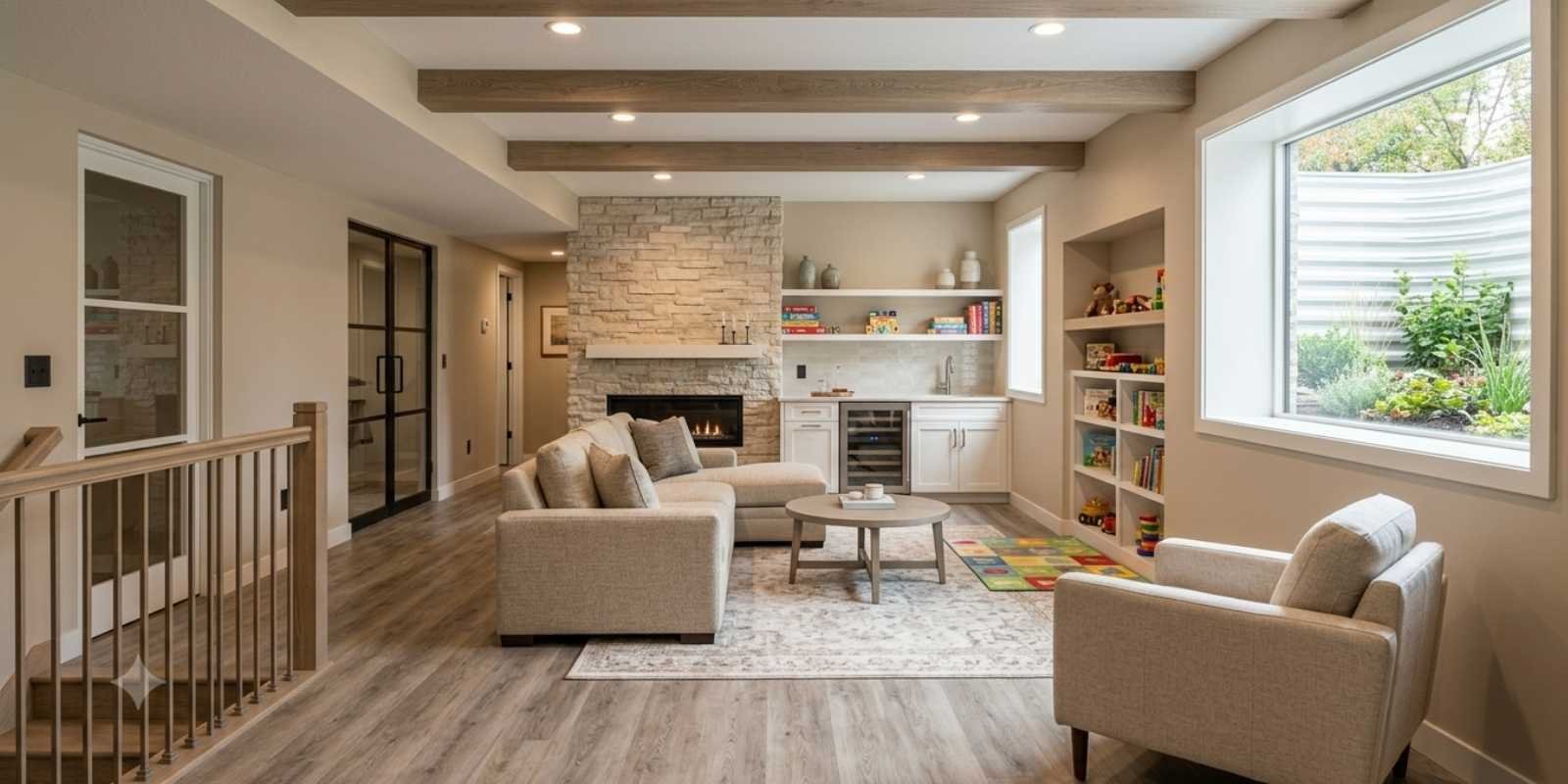
Rustic basement kitchenettes are popular in Utah homes, featuring natural wood finishes, stone accents, and warm tones that add character and coziness to below-grade spaces.
Farmhouse style
A farmhouse-style kitchenette combines shaker cabinets, open shelving, and classic fixtures to create a timeless and inviting basement kitchen design.
Dark vs light cabinets (pros/cons in basements)
Light cabinets help reflect limited natural light and make small basements feel bigger, while dark cabinets add contrast and depth but can make the space feel more enclosed if not balanced with proper lighting.
4. Smart Space-Saving Features That Work in Utah Basements
Maximizing space is essential in a basement kitchenette, especially in Utah homes with limited ceiling height and natural light. An under-counter fridge helps save space while keeping appliances functional and accessible. Floating shelves create an open, airy feel, while upper cabinets offer better hidden storage. Pocket doors are a smart solution to separate spaces without taking up extra room. Using light color palettes helps reflect light and makes the basement feel brighter and more spacious.
5. Conclusion
Adding a basement kitchenette requires careful planning and attention to detail, from selecting the right layout to choosing durable materials. Every element plays a vital role in creating a space that is both functional and inviting for your family or guests.
If you are ready to start your renovation, the experts at Creative Construction Solutions are here to guide you through every technical challenge. Contact CCS of Utah today for a personalized consultation to bring your basement vision to life.
Frequently Asked Questions
1. What are the best appliance options for a space-limited basement kitchenette?
Compact appliances like mini-fridges, 18-inch dishwashers, and convection microwaves provide full kitchen functionality while maximizing available square footage.
2. Which materials should I choose for kitchenette surfaces to ensure long-term durability?
Non-porous quartz countertops and water-resistant luxury vinyl plank (LVP) flooring are ideal for withstanding the moisture and heavy use common in basement environments.
3. Why is a layered lighting approach important for a below-grade kitchenette?
Combining recessed ambient lights with under-cabinet task lighting ensures the workspace is safe for food prep while making the windowless area feel bright and inviting.