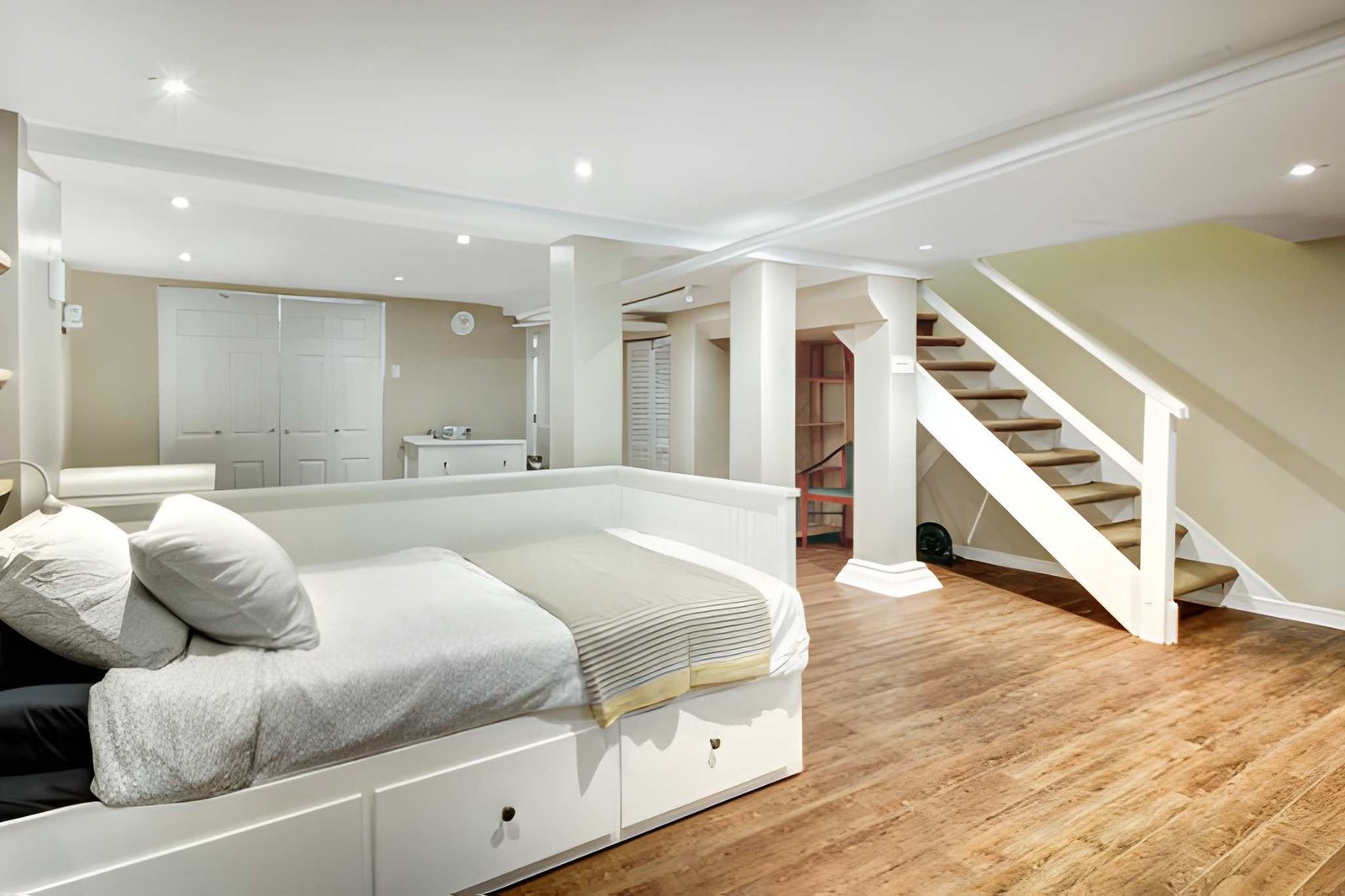

One of the best methods to increase living space and raise the value of your house is to finish your basement. Many Draper homeowners opt to utilize their basements as a family area, home office, bedroom, or rental space. However, it’s crucial to fully understand local – do I need permit for basement finishing in Draper Utah?”
Most of the basement projects need city approval for electrical, plumbing, framework, insulation, and ventilation upgrades. You may prevent delays, unsuccessful inspections, and costly repairs by being aware of the permit procedure early on. It also guarantees that your renovation complies with Utah building and safety regulations.
Do I Need Permit for Basement Finishing in Draper Utah?
Yes, before constructing a basement in Draper, most homeowners require a permit. Every time a home’s structural, electrical, plumbing, or HVAC systems are modified during construction, a basement finishing permit Draper Utah is typically needed.
What Qualifies as Basement Finishing?
Typical basement finishing includes:
- Adding rooms and walls
- Installing insulation and drywall
- Lighting and electrical outlets
- Plumbing for wet bars or restrooms
- Installing flooring
- HVAC vents or ductwork
- Additions to bedrooms
Due to their impact on building compliance and safety, these adjustments typically call for a basement remodel permit.
Minor Projects That May Not Need Permits
Approval may not be necessary for some cosmetic upgrades, such as:
| MINOR UPDATES | USUALLY PERMIT REQUIRED? |
| Painting walls | No |
| Replacing flooring | No |
| Installing cabinets | Sometimes |
| Replacing trim | No |
| Hanging shelves | No |
Before starting construction, homeowners should still verify local laws about hanging shelves.
Why Basement Finishing Permits Matter?
Permits are more than simply documents. They help with protecting homes and guarantee that construction complies with the basement permit requirements Utah.
Safety and Code Compliance
Permits guarantee that your basement has:
- Correct emergency exits
- Fire protection
- Proper ventilation
- Safe electrical wiring
- Structural stability
Inspections are necessary to find hidden safety issues.
Protecting Home Value
Resale value can be increased with legal basement finishing. Buyers frequently inquire about the approval and inspection of renovations. A house sale may be delayed, or buyer interest could decline due to unapproved repairs.
Avoiding Penalties
Unauthorized projects may result in:
- Penalties
- Mandatory repairs
- Removal of completed work
- Stop-work orders
In order to inspect hidden systems, homeowners may be required by city inspectors to reopen completed walls.
Insurance Protection
Insurance companies have the right to reject claims for damage resulting from unapproved basement work. Permits help in proving that the renovation complied with safety regulations.
What Basement Work Requires a Permit?
Utah requires approval for most of structural and system upgrades.
Electrical Work
A basement electrical permit is typically needed for:
- Bedroom wiring
- Breaker panel upgrades
- Lighting fixtures
- New outlets
- Smoke detectors
Plumbing Additions
The following require a basement plumbing permit:
- Bathrooms
- Drain line installations
- Laundry rooms
- Sinks
- Wet bars
HVAC Changes
Permits may also be needed when:
- Adding vents
- Changing the ventilation system
- Extending the ductwork
- Installing heating systems
Framing And Drywall
During construction, inspection is frequently necessary for structural framing, insulation, and drywall installation.
Egress Window Requirements
Basement bedrooms must have emergency exits according to Utah safety regulations. In an emergency, the egress code Utah limitations help guarantee that people can flee.
| BASEMENT FEATURE | PERMIT TYPICALLY NEEDED? |
| Basement bedroom | Yes |
| Bathroom installation | Yes |
| Electrical rewiring | Yes |
| New windows | Usually |
| Drywall installation | Yes |
Basement Finishing Permit Process in Draper
The Draper building permit process usually involves a number of important steps.
1. Submit Plans and Applications
Contractors or homeowners must submit:
- Construction drawings
- Electrical plans
- Permit applications
- Plumbing layouts
To make sure that plans adhere to the code, the city reviews them.
2. Permit Approval
Construction can start after approval. The size of the project and the workload of the city determine the approval timeline.
3. Required Inspections
While work is underway, inspectors verify:
- Electrical systems
- Framing
- HVAC systems
- Insulation
- Plumbing
Basement inspection Utah regulations help in ensuring that every stage complies with the code.
4. Final Inspection
A final inspection certifies that the basement is safe and operational when the work is finished.

Basement Building Codes Homeowners Should Know
Delays can be avoided by being aware of Utah basement code requirements.
Ceiling Height
For a safe and comfortable living area, most finished basements need a minimum ceiling height.
Emergency Egress
Emergency escape windows or doors that are big enough for both residents and emergency personnel are typically required in bedrooms.
Smoke and Carbon Monoxide Detectors
Finished basements frequently need:
- Appropriate placement near bedrooms
- Carbon monoxide detectors
- Smoke alarms
Electrical and Fire Safety
Basement safety requirements could include:
- Fire-blocking materials
- GFCI outlets
- Proper circuit spacing
- Safe stairway construction
What Happens If You Finish a Basement Without a Permit?
To save money, some homeowners attempt to avoid getting permits, but this can lead to major issues.
Fines and Penalties
An unpermitted basement Utah project could result in fines from the city and mandatory post-construction inspections.
Resale Issues
Buyers may ask for proof of permits when buying a house. Missing records can prevent transactions or reduce the value of real estate.
Insurance Problems
If the work was never approved, insurance companies may deny claims related to basement remodel violations.
Expensive Repairs
Homeowners might have to:
- Correct the plumbing
- Take down the drywall
- Rework the wiring
- Change any unsafe framing
Frequently, the cost of these repairs exceeds the initial permit payments.
How Much Does a Basement Finishing Permit Cost in Draper?
The size and complexity of the project determine the basement permit cost Draper Utah.
Common Cost Factors
Remodeling permit fees can change depending on:
| COST FACTOR | IMPACT ON PRICE |
| Basement size | Larger projects cost more |
| Electrical work | Additional inspection fees |
| Plumbing additions | Higher permit costs |
| Structural changes | Increased review requirements |
| HVAC modifications | Additional approvals |
FAQs
1. Do I need permit to finish my basement in Draper Utah?
Yes. Most basement finishing projects require permits for electrical, plumbing, framing, and safety inspections.
2. Can I finish a basement without a permit in Utah?
Unpermitted basement work can lead to fines, failed inspections, and problems when selling your home.
3. How long does a basement permit take in Draper?
Approval timelines vary depending on project scope and plan review requirements.
4. What inspections are required for basement finishing?
Inspections may include framing, electrical, plumbing, HVAC, insulation, and final safety inspections.
5. Does adding a basement bathroom require a permit?
Yes. Plumbing additions and bathroom installations usually require permits and inspections.
6. Are egress windows required in finished basements?
Bedrooms and living spaces often require egress windows to meet Utah safety codes.
“Planning to finish your basement in Draper Utah? Talk with a licensed basement contractor to understand permit requirements, inspections, and local building codes before starting your remodel.”