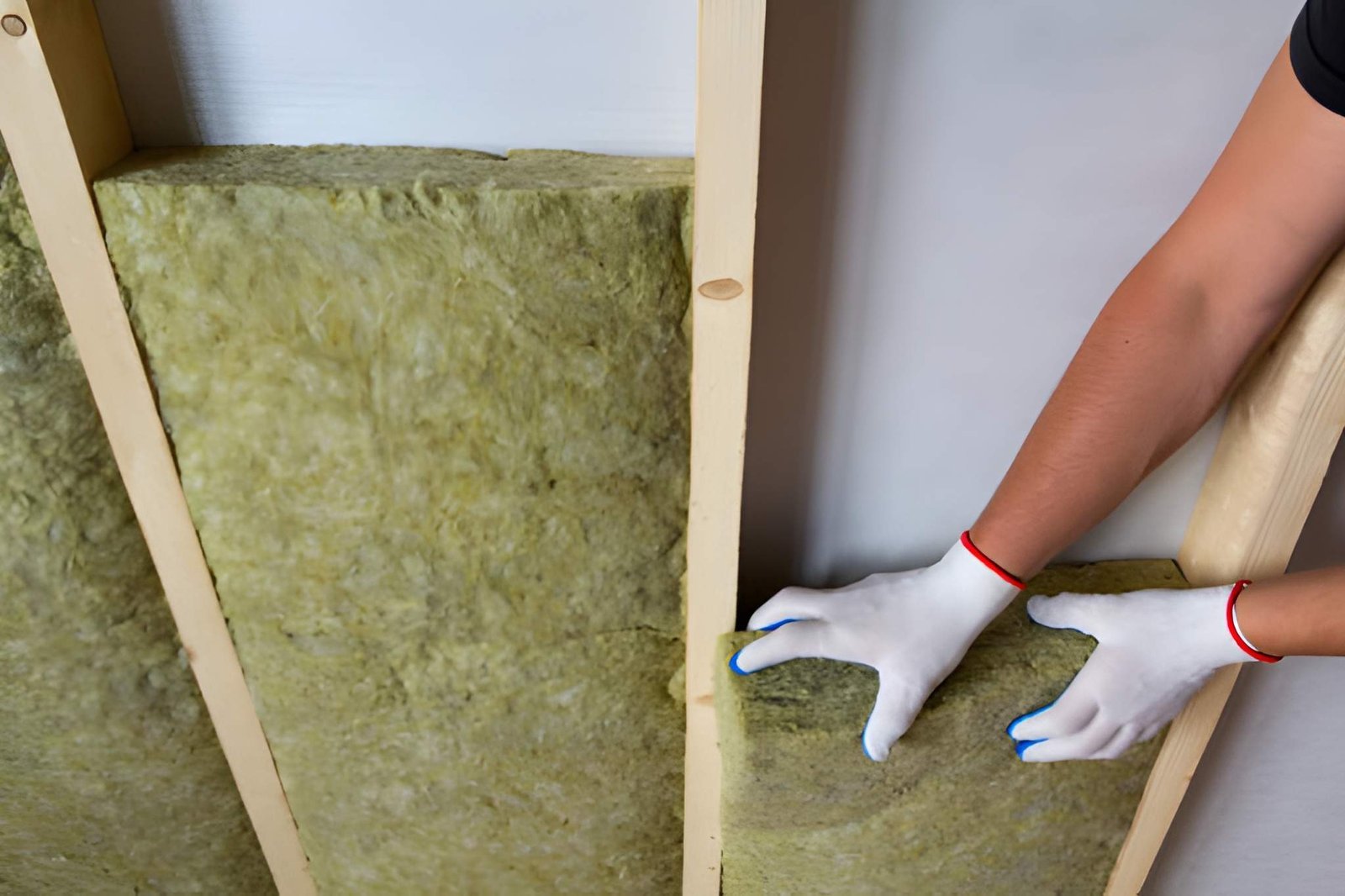
Finishing a basement is a fantastic way to increase living space and raise the value of your house. But it also affects the insurance coverage for your house. Although it’s not always the case, many homeowners believe their policy will automatically cover the upgrades. Insurance companies frequently have stringent regulations regarding documentation, safety features, and permits.
You can prevent rejected claims and unforeseen expenses by being aware of the insurance requirements for finished basements. You may also safely enjoy your newly renovated area and preserve your investment when you know what insurers anticipate.
How Home Insurance Covers Finished Basements?
The total value of your house increases with the addition of a finished basement. As a result, it may be necessary to upgrade your basement insurance coverage to account for the additional materials, square footage, and features, such as walls, flooring, and fixtures.
Finished and unfinished basements are handled differently by insurance providers. Because an unfinished basement often consists of simple structures like utility systems and concrete walls, it typically has limited coverage. A finished basement policy, on the other hand, needs to consider:
- Drywall
- Electrical systems
- Furniture
- Personal belongings
But there are restrictions. Because basements are seen as below-grade areas, insurance companies may restrict coverage for specific risks, including water damage. Because of this, it is crucial to fully understand the insurance requirements for finished basements before starting any renovation job.
Why Permits And Code Compliance Matter For Insurance?
An important factor in the approval of insurance is permits. The compliance of your basement remodeling with local building codes is frequently checked by insurance providers. Your claim may be rejected if your project lacks the necessary basement permits.
Unpermitted work can lead to major issues. Insurance companies may decline to pay damages if the basement was not examined or approved, even if it appears to be well-built. This is due to the possibility that unapproved work would not adhere to safety regulations.
When making a claim, you might have to provide proof of:
- Valid South Jordan building permit
- Inspection records
- Code compliant remodeling
Your renovation will be acknowledged and covered by your policy if you comply with these insurance requirements for finished basements.
Safety Requirements Insurance Companies Look For
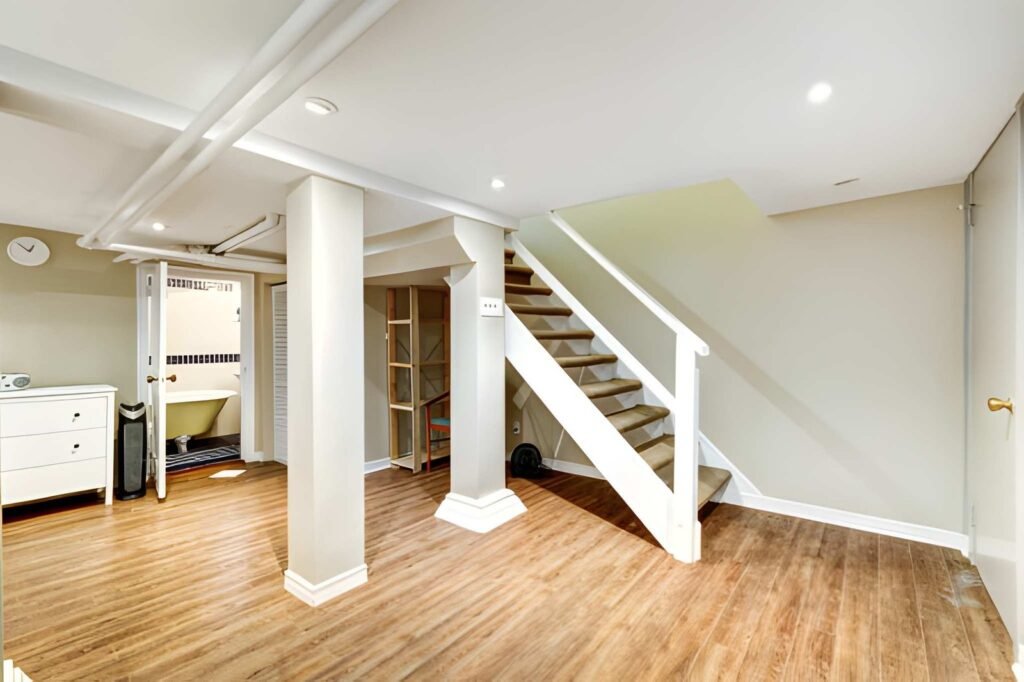
For insurance companies, safety is one of their top priorities. They want to ensure that your finished basement is secure for both regular use and emergency situations.
The following are important basement safety requirements:
Egress Windows
In the event of a fire, these offer an emergency exit. It is frequently needed to adhere to the egress window code.
Carbon Monoxide Alarms And Smoke Detectors
These must be properly installed and functional.
Plumbing And Electrical Systems
All work must pass inspections and adhere to local codes.
Poor wiring and fire risks are frequent causes of claim rejections. For finished basements, ensuring fire safety compliance is one of the most crucial insurance requirements.
Water Damage And Flood Coverage Considerations
Compared to other areas of the house, basements are more likely to sustain water damage. They are prone to flooding, leaks, and moisture because they are below ground.
Natural disaster-related flooding is typically not covered by standard homeowners’ insurance, though it may offer limited basement water damage coverage. You might need separate flood insurance basement protection for this.
Insurance companies might anticipate preventative actions such as:
- Drainage systems
- Proper basement waterproofing
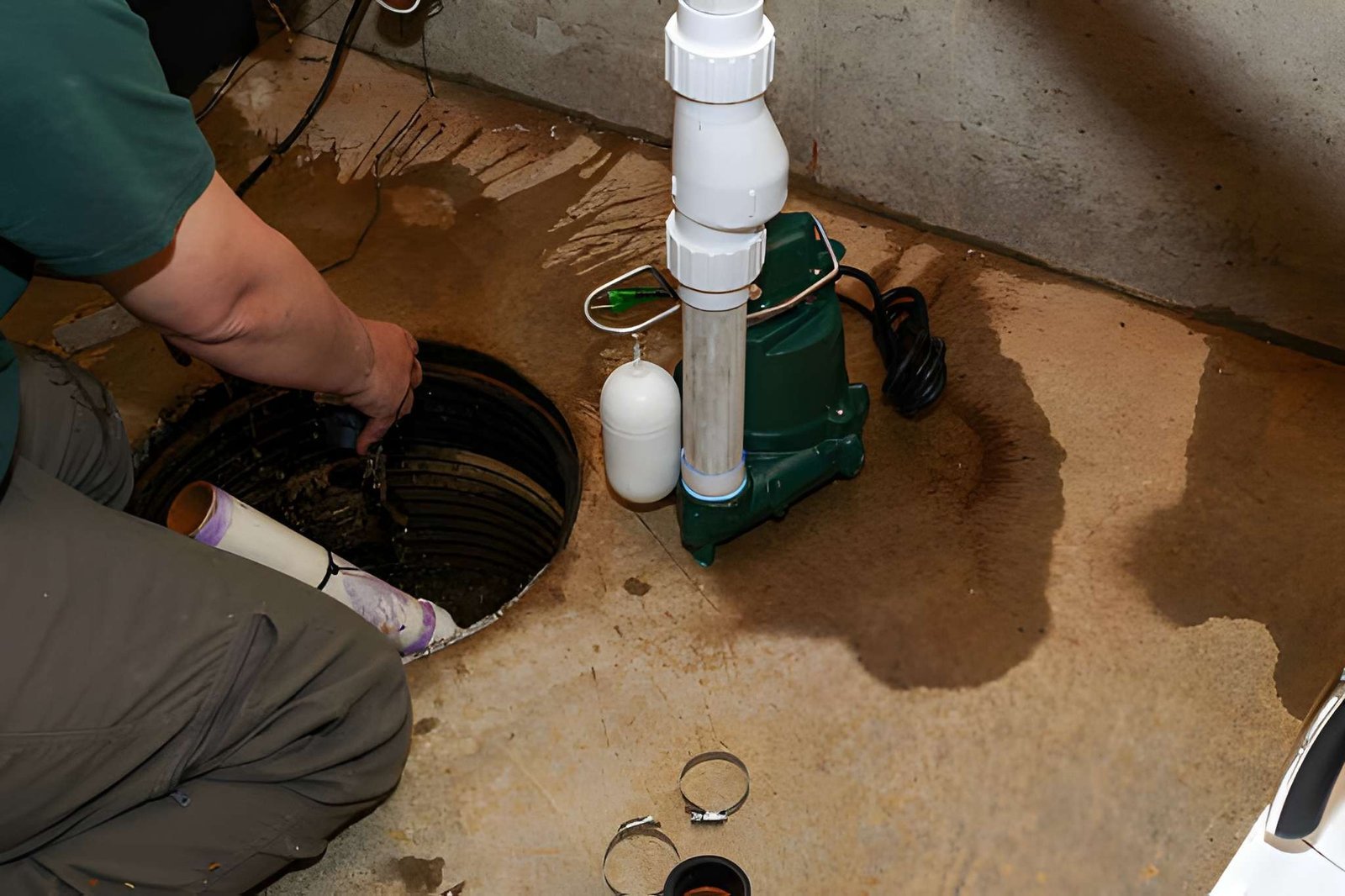
- Sump pumps
If you don’t have these, your claim can be rejected. Recognizing risks related to water is essential to fulfilling insurance requirements for finished basements.
Documentation Needed For Insuring A Finished Basement
When submitting an insurance claim, proper documentation can have a significant impact. Insurance companies require documentation proving your basement was finished correctly and in accordance with the law.
Important documents consist of:
- Approvals and permits
- Before-and-after photos
- Contractor invoices
- Inspection reports
A finished basement appraisal can also be necessary to update the value of your house. Maintaining well-organized remodeling documentation helps fulfill all insurance requirements for finished basements and guarantees a more seamless claims procedure.
Unique Insurance Considerations For South Jordan Homes
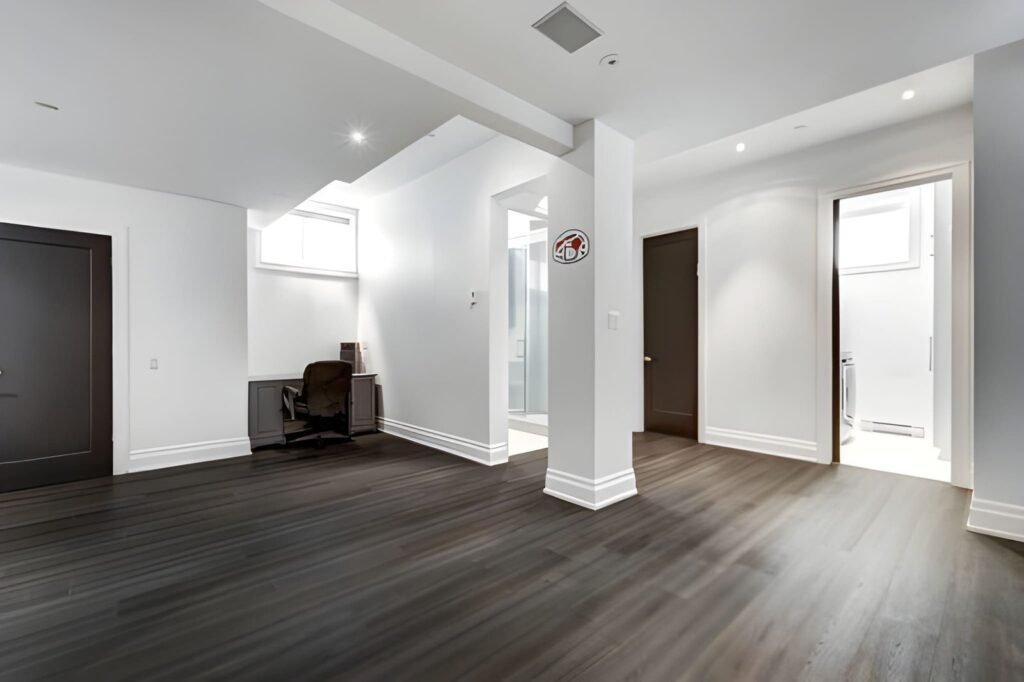
Homes in South Jordan have unique difficulties that can affect basement insurance.
Basements may be adversely affected by Utah’s seasonal temperature and moisture changes. Water risks are also influenced by drainage systems and soil conditions.
Homeowners need to adhere to:
- Local inspection requirements
- South Jordan building code
- Utah construction standards
These factors have a direct impact on the local insurance requirements for finished basements. Maintaining compliance with local laws contributes to the full insurance coverage of your basement.
How Professional Basement Remodeling Helps Meet Insurance Requirements?
Hiring professionals like CCS of Utah can simplify the process while securing it. Skilled contractors are aware of insurance requirements and local regulations.
Benefits of working with experts include:
- Code compliant electrical and plumbing systems
- Complete documentation for insurance purposes
- Proper permits and inspections
A professional basement contractor South Jordan guarantees that your project meets all insurance requirements for finished basements. Choosing professional basement finishing services boosts quality while protecting your investment over time.
FAQs
1. Does finishing a basement increase home insurance costs?
Yes. Your home’s worth increases with a finished basement, which may result in a higher insurance premium.
2. Do insurance companies require permits for finished basements?
Most insurers require documentation proving the renovations were approved and inspected.
3. Are finished basements covered for flooding?
No, flooding is typically not covered by standard policies. You must have separate flood insurance.
4. What safety features are required for basement insurance coverage?
Smoke detectors, egress windows, and code-compliant systems are frequently needed.
5. Can insurance deny claims for an unpermitted basement?
Yes, if the work was not properly authorized or inspected, claims may be rejected.
“Planning to finish your basement? Work with South Jordan contractors who build code-compliant basements that meet insurance requirements.”