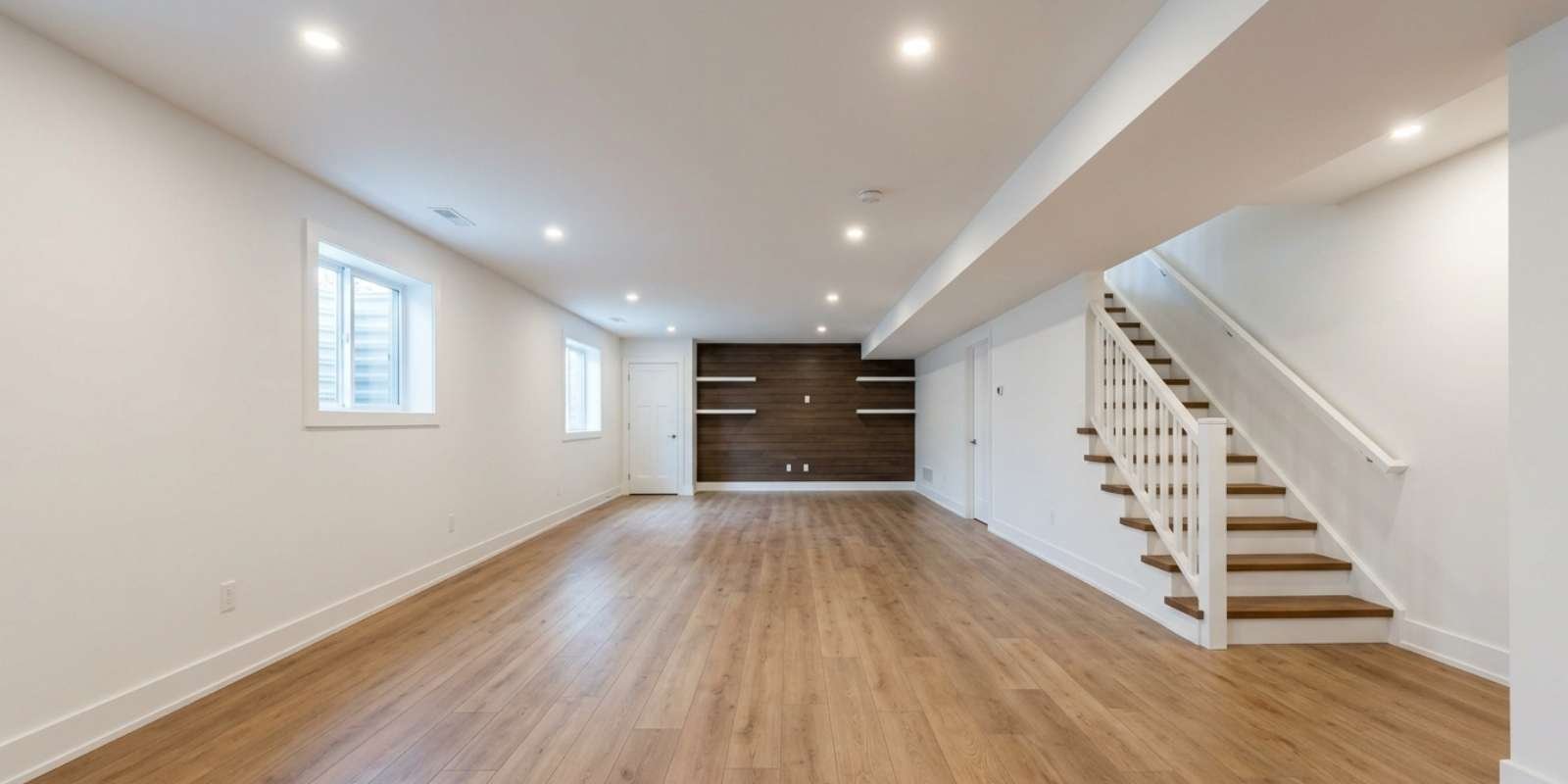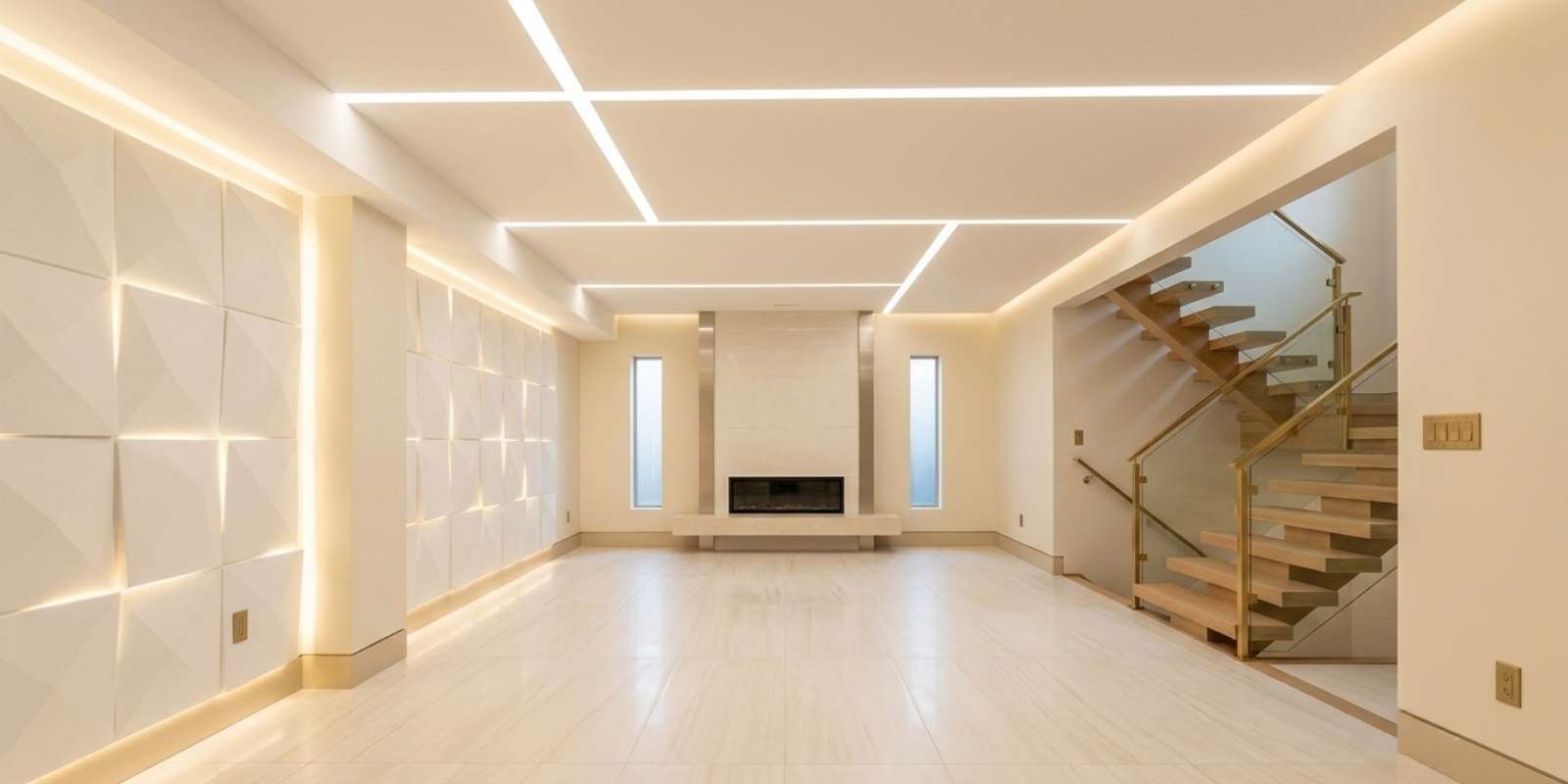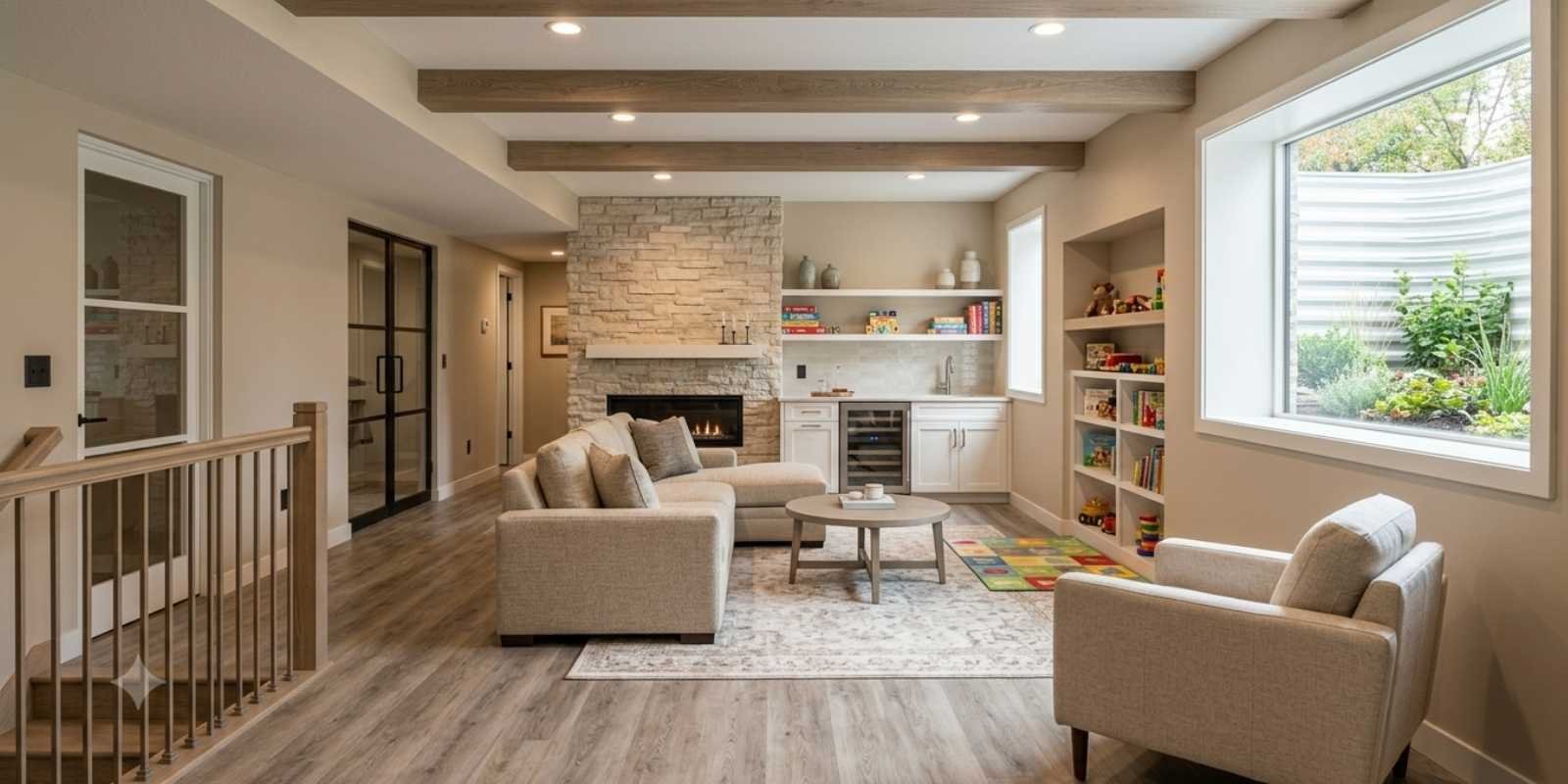

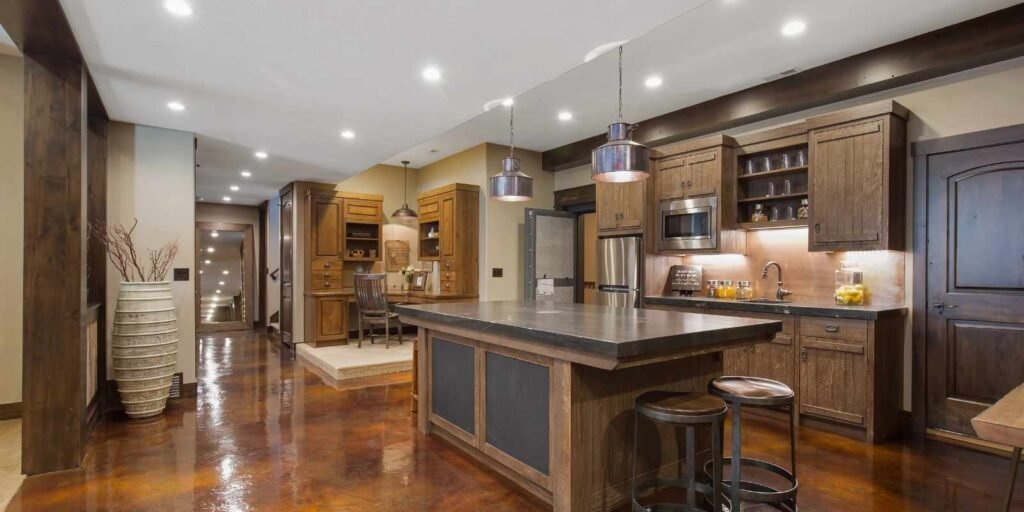
Finishing a basement in Draper requires adhering to strict requirements established by the local building department. Homeowners must adhere to the 2026 basement finishing building code Draper Utah, which covers ceiling height, egress windows, electrical, plumbing, insulation, and structural, particularly for any area used as a bedroom.
Delays may result when homeowners do not research code requirements until after designs are completed. Early understanding of these standards helps avoid expensive rework, unsuccessful inspections, and permit setbacks. Your basement projects will be safe, compliant, and long-lasting if you work with a contractor who understands Draper’s process.
What Is Basement Finishing Building Code Draper Utah?
For every residential development, building codes establish minimum safety standards. What you should know about the local framework is as follows:
- Minimum safety standards are established by Draper building code for residential construction
- Basement finishing building code Draper is based on Utah’s statewide adoption of the 2021 International Residential Code (IRC) with state modifications
- To verify compliance, Draper’s Building Division reviews plans and conducts inspections
Effective July 1, 2026, Utah is implementing new code rules under House Bill (HB) 65 that may affect energy and window performance standards for projects submitted after that date.
Ceiling Height Requirements For Finished Basements
One of the first things Draper’s building inspectors look for is ceiling height. Key basement ceiling height code points include:
- A minimum ceiling height required by the IRC must be met by habitable basement rooms
- Ducts, beams, and other obstructions that are below the primary ceiling plane are subject to limited allowances
- To meet current standards, older Draper homes with lower floor-to-floor heights might call for advanced framing solutions
- Lower standards are applied to non-habitable places, such as storage areas or mechanical rooms
Egress Window Rules Under Basement Finishing Building Code Draper
A compliant basement egress window Draper is mandatory by code if you want to use any basement space as a bedroom. Here’s an overview of the emergency exit basement code:
- Every bedroom in a basement needs to have a compliant egress window so that anyone can get out in an emergency
- The IRC establishes minimum window well dimensions, maximum sill height, and minimum opening size
- During the framing and final inspections, Draper’s building inspectors will confirm egress compliance
- Egress windows are not necessary in non-bedroom areas like offices or gyms
Electrical, Plumbing, And Mechanical Code Requirements
There are specific plumbing, ventilation, and electrical requirements for below-grade spaces. Inspection failures are often caused by failing basement electrical code Utah and basement plumbing code Draper.
- Wet bars, bathrooms, and areas close to water sources must have GFCI protection
- Most of the bedroom circuits are protected by AFCI
- IRC rules require that outlets be spaced no more than 12 feet apart along any wall
- Before walls are closed or concrete is poured, the plumbing rough-in for wet bars or basement bathrooms must be inspected
- Bedrooms and bathrooms below grade that don’t have movable windows must have mechanical ventilation
- Water heater venting and gas lines must adhere to enclosed space-specific material and clearance standards
Insulation And Energy Code Standards For Draper Basements
Utah energy code basement sets out specific requirements for basement wall insulation. You can avoid tearing down walls later if you get this right early.
- According to Utah energy code basement, below-grade walls must have a minimum R-value
- Basement walls and slab floors in livable spaces must have a vapor barrier or moisture control membrane installed
- For below-grade construction in some climatic zones, Utah’s basement insulation code amendments add requirements beyond the standard IRC
- The HB 65 amendments, which go into effect on July 1, 2026, may increase the window and envelope performance requirements for new permits
Framing Standards Under Basement Finishing Building Code Draper
Framing forms the structural and fire-safety foundation of your finished basement. Draper inspectors thoroughly inspect the basement framing code and structural requirements Draper:
- Interior partition walls must be framed in accordance with IRC standards, which include appropriate top and bottom plates and stud spacing
- A fire-rated assembly may be necessary for any wall that is shared with a garage or furnace room
- Handrails must be continuous and graspable, and stairways must adhere to minimum standards for width, riser height, and tread depth
- The way basement walls connect to the foundation in Draper homes on the hillside and bench areas may be affected by structural factors
- If you are opening or upgrading the current structure, headers, beam pockets, and blocking must all be the proper size
Permits And Inspections In Draper
It is never worth the risk to skip the permit process. Here’s how Draper building permit process works:
- Before any work is done, a building permit is typically needed for basement projects
- Common basement inspection Utah steps include a final walk-through, insulation, drywall nailing, and framing rough-in
- Homeowners and contractors can submit applications and monitor the status of their approval through Draper’s online permitting portal
- Unpermitted work may result in fines, demand demolition for inspection access, and cause issues when selling the house
Understanding your basement finishing cost early helps you budget not only for materials and labor but also for permits, inspections, and any code-related upgrades required to complete your project successfully.
Working With A Licensed Contractor For Code Compliance
Having a contractor that is familiar with Draper’s requirements and has a relationship with the Building Division makes achieving code-compliant basement easier.
Whether you’re planning basement finishing in Draper for a family room, home office, guest suite, or additional living space, following local building codes from the beginning helps prevent costly delays and inspection issues.
- Licensed basement contractor Draper, like CCS of Utah, is in charge of arranging inspections and obtaining permits on your behalf
- Services that handle all trades in-house instead of depending on subcontractors are better able to organize inspections and identify problems before they become serious
- An in-house team prevents the back-and-forth that slows down schedules by providing a single point of contact from framing to final inspection
- A code-compliant basement protects your house from the financial and legal risks related to unpermitted work while also adding actual value
Frequently Asked Questions
What is the basement finishing building code in Draper, Utah?
The basement finishing building code in Draper follows Utah’s adopted 2021 International Residential Code with state amendments. It covers framing, electrical, plumbing, insulation, egress, and ceiling height requirements. Draper’s Building Division reviews plans and inspections before approving your project.
Do I need a permit to finish my basement in Draper?
Yes, most basement finishing projects in Draper require a building permit before construction begins. Permits apply to structural, electrical, plumbing, and mechanical work. Skipping permits may lead to fines, failed inspections, or resale complications.
Does my basement need an egress window?
Yes, every basement bedroom requires a code-compliant egress window. The window must meet IRC size, sill height, and window well requirements. Offices, gyms, and storage rooms typically do not require egress windows.
What ceiling height is required for a finished basement?
Finished basement living areas must meet the IRC minimum ceiling height requirement. Limited exceptions apply for beams, ducts, and other structural obstructions. Mechanical rooms and storage areas may have different height requirements.
Will code requirements change in 2026?
Yes, Utah will implement updated building code requirements beginning July 1, 2026. The changes may affect energy efficiency, windows, and building envelope standards. Confirm current requirements before submitting plans or applying for permits.
“Want to make sure your basement project meets the basement finishing building code Draper requires? Contact a licensed local contractor for a code review and free estimate.”