One of the most crucial aspects of finishing or rebuilding a basement is proper drainage. Water seeping into the foundation without an efficient drainage system can lead to the development of mold, structural damage, and expensive repairs. Effective water management is crucial in areas like South Jordan, Utah, due to the soil’s characteristics and seasonal moisture fluctuations.
Many homeowners don’t think about drainage planning until they have water issues. However, knowing the basement drainage requirements before starting a renovation allows you to protect your house, preserve structural integrity, and guarantee adherence to regional building regulations.
Why Basement Drainage Requirements Matter?
The purpose of basement drainage regulations is to keep finished basements safe for living conditions, prevent water incursion, and safeguard the foundation. Poor basement water management can result in long-term structural issues, mold development, and foundation fissures.
Drainage systems are necessary for several reasons.
1. Keep The Foundation Safe
Concrete can become weaker and develop fractures if water builds up around the foundation. A well-designed foundation drainage system keeps water from collecting close to the house.
2. Prevent Mildew And Mold
Mold thrives in basements where moisture is trapped. Maintaining healthy indoor air requires proper drainage and moisture control.
3. Prevent Structural Damage
Water pressure from waterlogged soil can push on the basement walls. This may eventually result in bowing or structural failure.
4. Pass Inspections
To pass inspection and receive final approval, homes undergoing basement finishing or remodeling must adhere to local drainage standards.
Exterior Drainage System Requirements
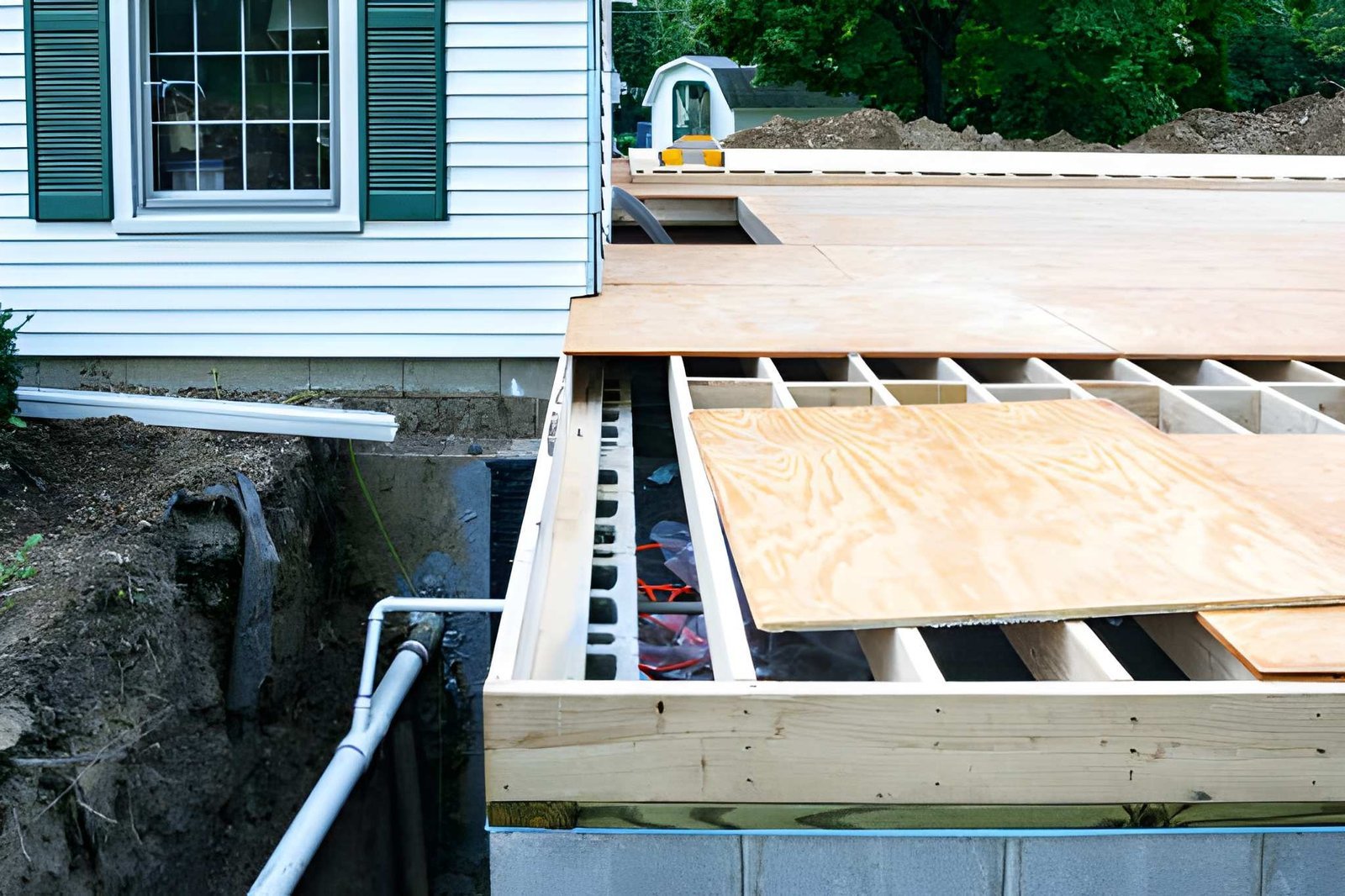
Nearly all homes need an exterior foundation drainage system, which includes appropriate ground grading, drain tiles, and footing drains. These systems lessen the pressure on basement walls by gathering water around the foundation and safely directing it away from the house.
Common exterior drainage components:
1. Footing Drain System
At the footing’s base, a footing drain system is set up along the foundation’s perimeter. Groundwater is collected by these perforated pipes and diverted away from the structure.
2. Basement Drain Tile System
Gravel-encased pipes called drain tiles are used to direct water away from the foundation. Water accumulation around the basement walls is decreased by this method.
3. Proper Slope And Grading
The house’s surroundings have to slope away from the foundation. It is generally advised that the first ten feet have a minimum slope of six inches.
Rainwater cannot flow in the direction of the house when proper grading is used.
Interior Drainage And Sump Pump Requirements
An interior drainage system basement that extends around the inside perimeter of the foundation is a common feature in homes.
Basement sump pump requirements:
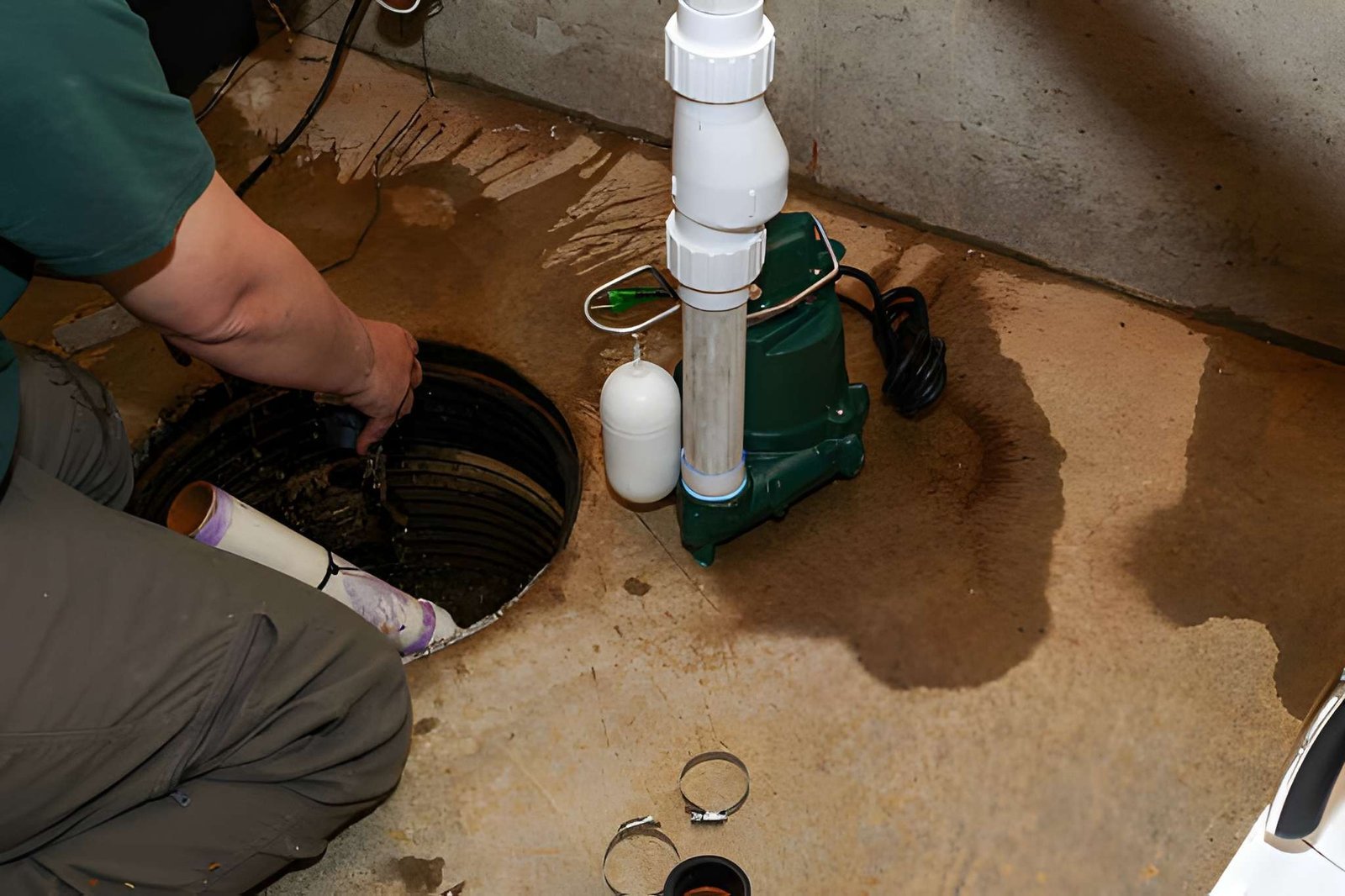
1. Sump Pit Installation
Water from the drainage system is gathered in the sump pit and then pumped externally.
2. Automatic Sump Pump
Water is automatically removed by a pump using a float switch when levels rise.
3. Backup Systems
During blackouts, backup sump pumps that run on batteries or generators help in preventing flooding.
It is frequently advised to install a sump pump when groundwater levels are high or when external drainage is insufficient.
Waterproofing And Moisture Control Standards
Basement waterproofing requirements is frequently required by local building standards, including foundation coverings, moisture barriers, and sealed cracks. These steps help in preventing water incursion and preserving the basement’s dry environment.
Important waterproofing techniques:
1. Waterproof Coatings For Foundation Walls
Exterior foundation walls are commonly coated with waterproof materials that block moisture.
2. Installing A Vapor Barrier In The Basement
A vapor barrier basement layer keeps moisture vapor from penetrating walls or floors.
3. Filling Up Cracks In The Foundation
To prevent water leaks, cracks in the concrete foundation must be filled.
When combined, these techniques provide a comprehensive moisture control basement plan that protects completed living areas.
Plumbing And Floor Drain Code Requirements
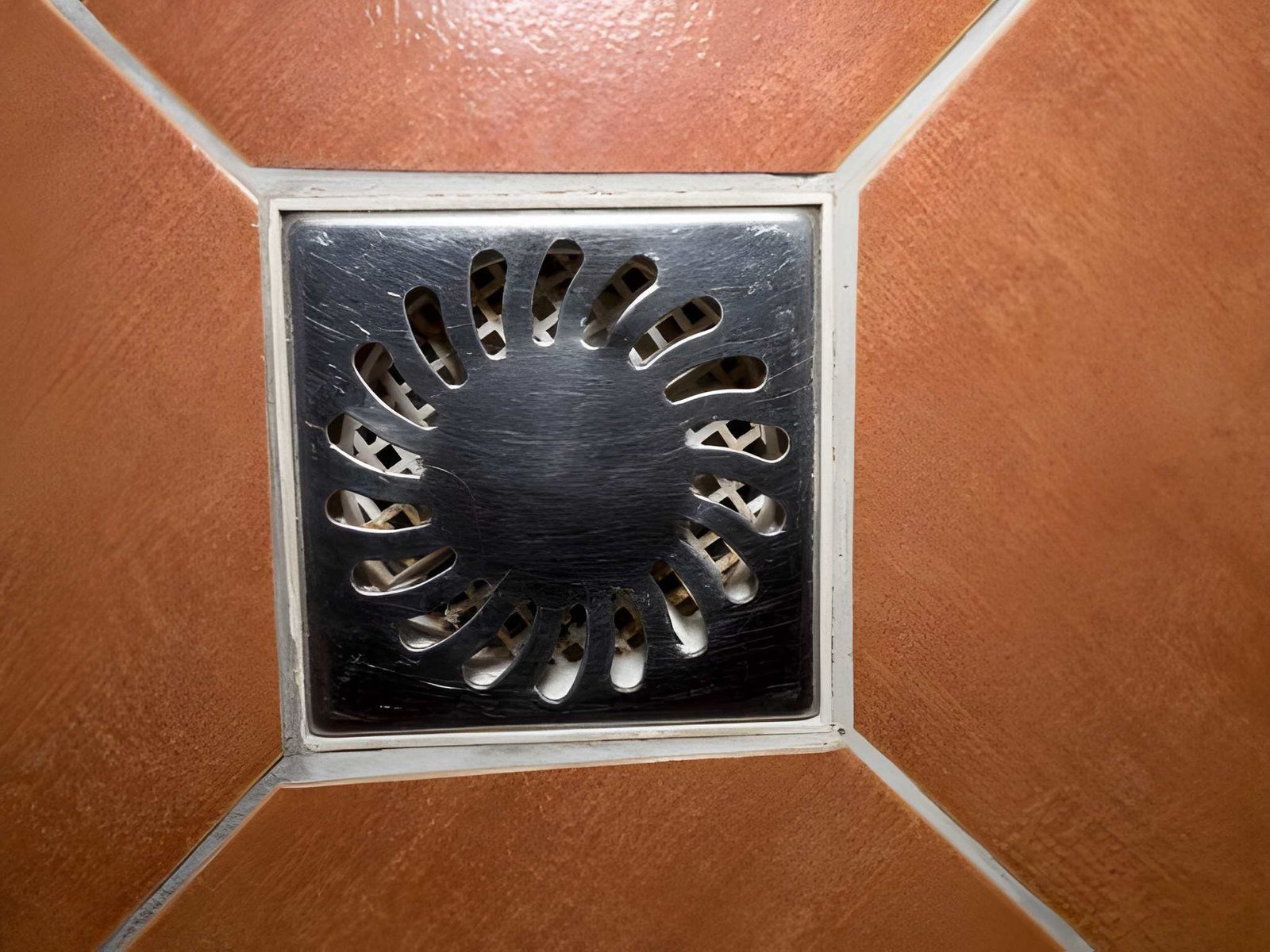
According to the basement floor drain code, drains must normally be installed in places where water could collect, like next to laundry rooms or mechanical rooms.
Key plumbing drainage requirements:
1. Basement Floor Drain Placement
To collect water from leaks or flooding, floor drains are frequently placed in the basement’s low spots.
2. Backwater Valve Requirements
During strong storms, a backwater valve stops stormwater or sewage from returning to the basement.
3. Municipal Drainage Connections
In order to comply with municipal plumbing standards, drain systems must be correctly connected to stormwater or sewer systems.
These plumbing code South Jordan lessen the possibility of basement flooding.
South Jordan And Utah Building Code Requirements
The South Jordan building code adds local restrictions depending on soil and environmental factors while adhering to statewide standards.
Typical code requirements
1. Permit And Inspection Process
Permits and inspections are necessary for a lot of drainage work to ensure that Utah drainage requirements are being followed.
2. Soil And Erosion Considerations
Stronger drainage solutions are needed because some soil types hold more water.
3. Construction Standards
For the installation, grading, and waterproofing of drain tiles, builders must adhere to specified procedures.
Getting a basement permit South Jordan guarantees that your project satisfies these performance and safety requirements.
Common Drainage Code Violations In Basement Remodels
The absence or improper installation of essential drainage components is typically the cause of a basement drainage inspection failure.
Frequent drainage code violations:
Improper Grading
Water will gather around the foundation if the land slopes in the direction of the house.
Missing Drain Tile
There may not be a drain tile basement system in older homes.
Non-Compliant Sump Pump Systems
Flooding or system failure may result from improper sump pump installation.
Unsealed Foundation Penetrations
It is necessary to adequately seal any pipes or cables that go through the foundation.
You can keep your basement dry and safe by avoiding these drainage code violations.
Choosing A Professional For Code-Compliant Drainage
A basement drainage contractor South Jordan will assess soil conditions, groundwater hazards, and foundation design before offering the best drainage solution.
Benefits of hiring a professional installer like CCS of Utah:
Site-Specific Drainage Assessment
Professionals assess the soil type, water movement, and slope of the site.
Proper System Design
Drainage systems are designed by contractors according to the layout of the house.
Inspection-Ready Installation
Professional installers are aware of regional regulations and basement drainage requirements.
Water damage and expensive repairs are less likely when it is done by professional basement waterproofing.
Frequently Asked Questions
1. What are the basement drainage requirements in South Jordan?
Appropriate footing drains, foundation waterproofing, grading away from the structure, and, if needed, internal drainage systems are all required for homes.
2. Is a sump pump required in a finished basement?
If groundwater levels are high, a sump pump is frequently advised and occasionally necessary. It keeps basements from flooding during periods of heavy rain or snowmelt by removing accumulated water from drainage systems.
3. Do I need a permit for basement drainage work?
Yes, Permits and inspections are necessary for the majority of drainage system installations and changes.
4. What happens if the basement drainage does not meet code?
Homeowners might have to fix the issue before finishing the basement renovation if the system fails inspection.
5. Are drainage requirements different in Utah compared to other states?
Yes. Local drainage laws are influenced by Utah’s soil features, snowmelt patterns, and seasonal moisture variations.
“Concerned about basement drainage requirements? Schedule a consultation with South Jordan’s trusted basement waterproofing and drainage experts today.”