

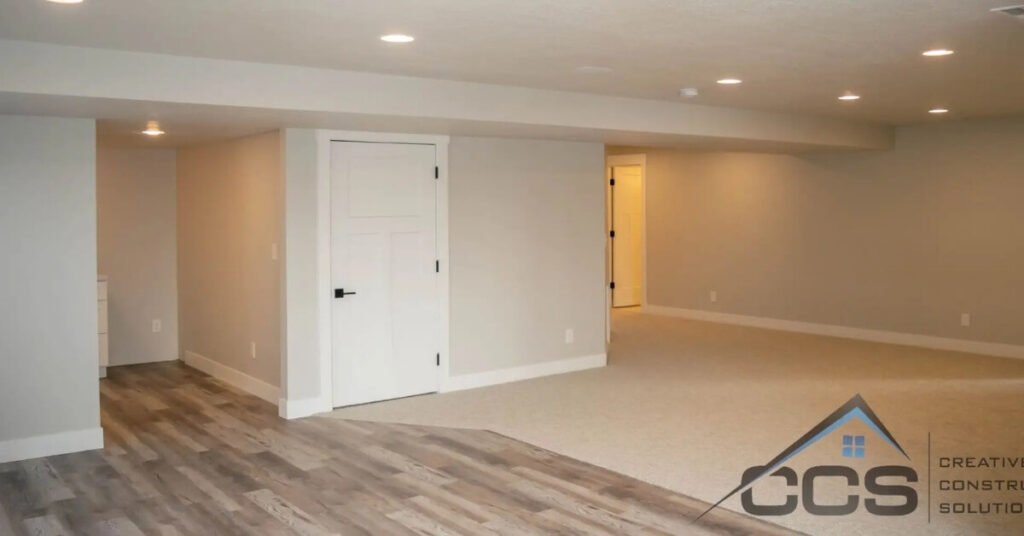
To ensure a successful remodel, you must look for a basement finishing contractor who offers specialized basement expertise, verifiable local references, comprehensive licensing and insurance, detailed bidding, and a robust moisture-mitigation strategy. While transforming an underused basement into a vibrant family room or home office is an exciting prospect, the success of that vision depends entirely on the reliability of your chosen professional.
Beyond just aesthetic preferences, a qualified contractor must navigate the technical complexities unique to below-grade spaces, including advanced lighting, ventilation, and structural integrity. Selecting the right partner ensures your project stays on schedule and meets all safety standards.
In this blog, we’ll guide you through the key factors to consider when selecting a basement finishing contractor. From verifying credentials to understanding their communication style, we’ll cover what you need to know to make an informed decision and ensure a successful renovation project.
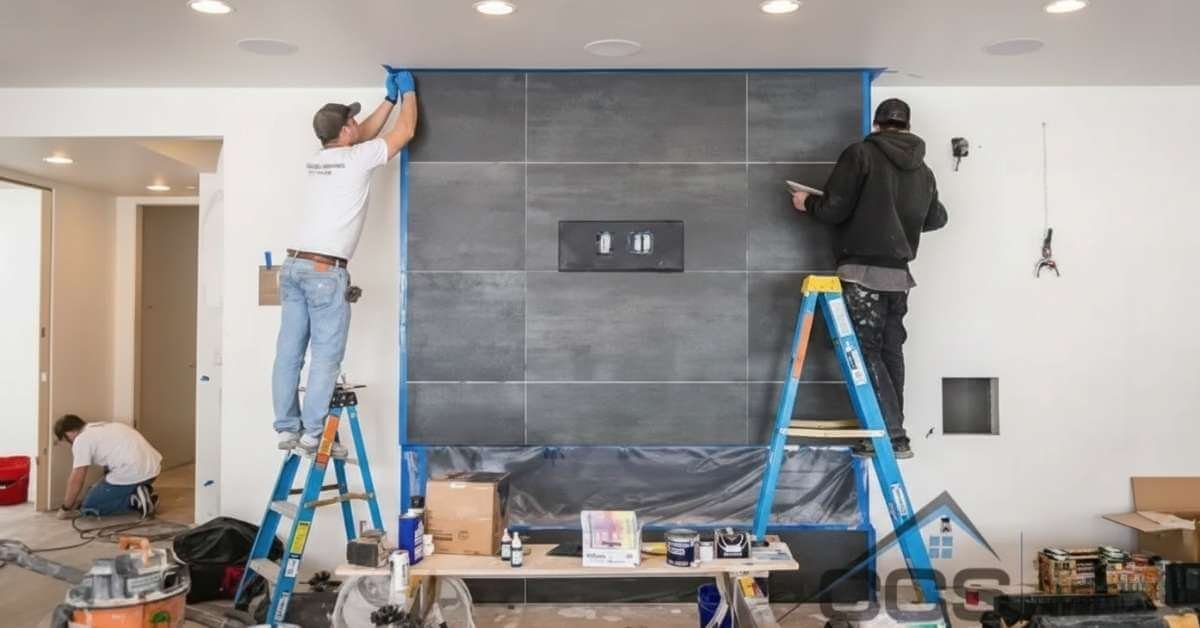
What to Look for in a Basement Finishing Contractor in Salt Lake County
1. Experience and specialization
Selecting a contractor with a specific focus on basement renovations is paramount due to the unique technical challenges of below-grade spaces. An expert specialist brings essential knowledge regarding moisture control, specialized insulation, and strategic lighting layouts that general remodelers might overlook. This niche expertise ensures the use of durable materials specifically designed to withstand basement environments, ultimately protecting your home’s structural integrity. By prioritizing a dedicated basement professional, you guarantee a finished space that is as functional and safe as it is aesthetically pleasing.
To verify a candidate’s proficiency, carefully review their portfolio specifically for completed basement projects rather than general home additions. Ask detailed questions about how they have managed past drainage or ventilation issues to gauge their problem-solving abilities and technical depth. It is also vital to contact recent references to confirm the contractor’s reliability and their success in navigating local building codes and permit requirements. Securing a professional with a proven track record in your specific region provides the peace of mind that your investment is in capable hands.
2. Licensing and insurance
Choose a licensed and insured contractor for your basement finishing project. Licensing ensures that the contractor has met certain industry standards and qualifications, while insurance protects against potential accidents or damage during the renovation process. Working with a contractor who lacks these credentials exposes you to certain risks and liabilities.
Licensed contractors have demonstrated their knowledge and adherence to building codes and regulations. This is particularly important in basement renovations, where you may encounter issues with proper egress, electrical wiring, and plumbing. An unlicensed contractor may not be aware of these regulations, leading to subpar and potentially hazardous work. Furthermore, if the work does not meet local building codes, you may face difficulties when selling your home or even be required to redo the work at additional cost.
Insurance coverage is equally important. It protects you from liability for accidents or injuries on your property during the renovation. Without this protection, you could be responsible for medical bills or legal fees. Insurance also covers damage to your property caused by the contractor, so you are not left to bear the cost of repairs alone if something goes wrong.
To verify a contractor’s licensing and insurance, ask for their license number and insurance details. You can then check the validity of their license with your local licensing board and confirm their insurance coverage by contacting the insurance provider. This verification process will tell you whether your contractor is qualified, reputable, and compliant with the legal requirements of your area.
3. A detailed project plan and estimate
Getting a successfully finished basement hinges on a detailed project plan and a clear estimate. These documents serve as the blueprint and financial guide for your renovation, outlining every aspect of the project from start to finish.
A well-defined plan sets clear expectations and helps prevent misunderstandings and disputes, contributing to your project’s smooth and successful completion. The importance of a detailed project plan cannot be overstated.
This plan should comprehensively cover all project phases, including design, construction, materials, and timelines. It serves as a roadmap, guiding you and the contractor through each step of the renovation. It helps track progress, manage resources, and align every detail with your vision. A clear and thorough plan also enables better communication by providing a reference point for discussions and decisions throughout the project.
Similarly, a clear estimate is crucial for understanding the financial aspects of your basement renovation. It should provide an itemized breakdown of all costs, including materials, labor, and additional expenses. This cost transparency helps you budget effectively and avoid unexpected expenses. It also allows you to compare estimates from different contractors and make informed decisions.
When reviewing a project plan and estimate, look for specificity and detail. The plan should include a timeline with milestones and completion dates for different project stages. It should also specify the types and quality of materials and any subcontractors. The estimate should be detailed enough to give you a clear understanding of what the price includes and what counts as extra cost.
4. References and reviews

In the quest to find the ideal basement finishing contractor, look into references and reviews. These firsthand accounts from past clients are invaluable in painting a realistic picture of what to expect from a contractor. They offer insights into the contractor’s reliability, quality of work, and ability to deliver on promises.
Contractors will typically provide references. These are a direct line to previous clients willing to share their experiences. Engaging with these references allows you to ask specific questions about the contractor’s work ethic, adherence to timelines, communication style, and response to any challenges during their project. This conversation can reveal a lot about the contractor’s professionalism and the satisfaction level of their clients.
Reading online reviews is another way to assess a contractor. These reviews often provide a broader range of perspectives, covering various aspects of the contractor’s work across multiple projects. Look for patterns in the reviews — consistent comments about excellent craftsmanship or strong communication skills indicate a contractor’s strengths. Conversely, repeated mentions of the same issues, such as delays or budget overruns, are red flags.
When assessing references and reviews, approach them with a critical eye. Consider the context of each review and the specific details provided. A single negative review amidst a sea of positive ones may not be a cause for concern, but multiple negative reviews highlighting the same issues should warrant further investigation.
Additionally, pay attention to how the contractor responds to reviews, particularly negative ones. A professional and constructive response to criticism is a sign of a contractor’s commitment to customer satisfaction and continuous improvement.
5. Communication and customer service
Good communication and exceptional customer service are important for any renovation. These elements are the lifeblood of a successful project, influencing the result and your overall experience during the renovation process. A contractor who excels in communication and customer service brings clarity, trust, and ease to what can otherwise be a complex and stressful endeavor.
Effective communication ensures that your vision for your finished basement comes to fruition. It involves more than exchanging information; it’s about establishing a clear understanding between you and the contractor. This mutual understanding helps you and your contractor align expectations, make informed decisions, and address any concerns or changes.
To assess a contractor’s communication style and responsiveness, pay attention to your interactions from the very first contact. Notice how quickly they respond to your inquiries and how thoroughly they answer your questions. During initial meetings, observe if they listen attentively to your ideas and provide clear, jargon-free explanations. A contractor who takes the time to understand your needs and preferences and communicates in a way that makes you feel informed and comfortable will likely maintain this level of engagement throughout the project.
Additionally, consider the contractor’s approach to customer service. Do they show a genuine interest in your project? Are they accommodating and flexible in addressing your concerns? A contractor who prioritizes customer satisfaction and goes the extra mile is invaluable in a basement finishing project.
Find your basement finishing contractor with Creative Construction Solutions
Selecting the right basement finishing contractor is a decision that requires careful consideration. If you’re looking for expert guidance and quality craftsmanship, consider Creative Construction Solutions for your basement renovation. Our team of experienced professionals is here to bring your vision to life with the utmost attention to detail and customer satisfaction.
Contact CCS of Utah to learn more about our services and to schedule a consultation. Let us help you create the basement of your dreams.
Frequently Asked Questions
Why should I hire a contractor who specifically specializes in basements?
Specialized contractors understand the unique technical demands of below-grade spaces, such as moisture mitigation, egress safety, and sub-floor ventilation.
What are the risks of using an unlicensed or uninsured basement contractor?
Hiring unverified contractors leaves you liable for on-site accidents and risks, expensive code violations that can complicate future home resales.
What should be included in a professional basement project plan and estimate?
A professional plan must provide a detailed timeline and an itemized cost breakdown of all materials and labor to prevent unexpected budget creep.