

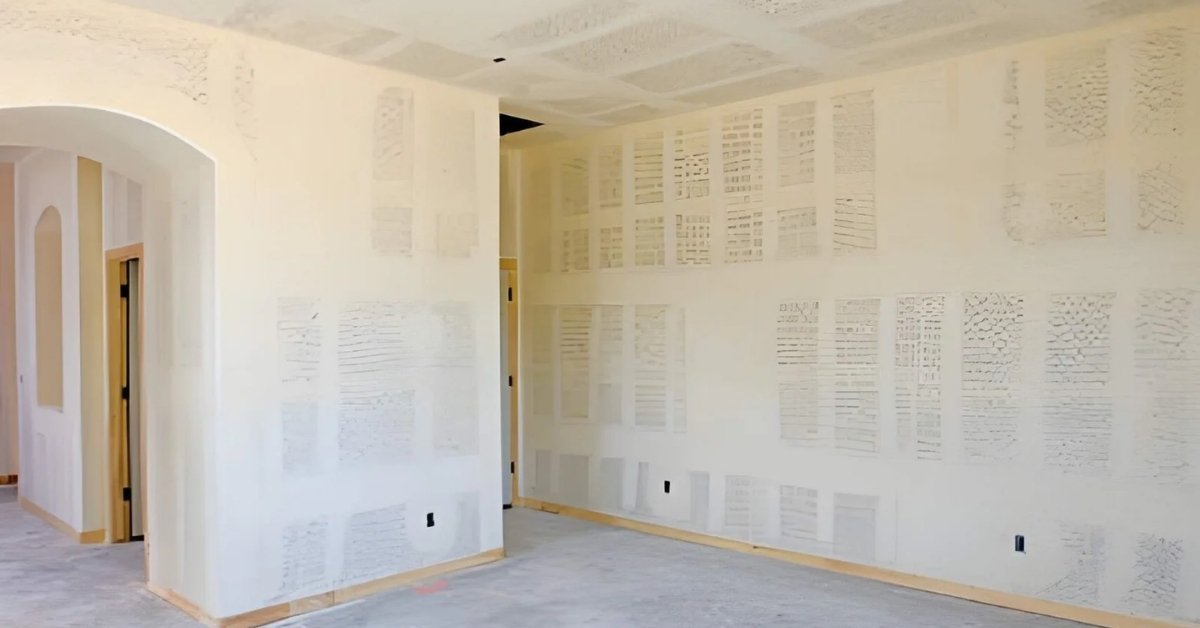
Completing your basement can be like discovering undiscovered space beneath your house. DIY basement finishing is a popular option for Utah homeowners looking to increase their living area without having to pay for a complete home addition.
However, completing a basement involves more than just painting and putting up drywall. Cold winters, varying moisture levels, and stringent building requirements are some of the particular difficulties that Utah homes frequently encounter. A DIY basement remodeling project may rapidly become a costly and frustrating disaster if it is not properly planned. Therefore, you must understand the entire basement finishing process before picking up a hammer. You may effectively finish your basement project while adhering to your budget and passing inspections if you have the proper planning, equipment, and approach.
Is DIY Basement Finishing Right For Your Home?
Make sure finish basement yourself is the right choice for you before you start.
Why Is It Often Chosen By Homeowners?
Many decide to complete their basements themselves for the following reasons:
- Tens of thousands of dollars can be saved
- It permits complete creative control
- You are free to work at your own speed
- You pick up useful skills for house renovation
- Time commitment and skill level
Be truthful about your skills. DIY basement finishing requires:
- Basic carpentry abilities
- Comfort using power tools
- Patience with long projects
- A readiness to acquire knowledge on building codes
Depending on their size, complexity, and frequency of labor, most DIY basement projects take three to nine months to complete.
What Should Be DIY Vs Professional?
You can safely DIY:
- Basic carpentry
- Drywall
- Flooring
- Framing
- Painting
You should probably hire professionals for:
- Electrical wiring
- Major plumbing repairs
- Structural changes
- HVAC modifications
Planning A DIY Basement Finishing Project
An effective DIY basement planning is based on careful planning.
Start By Measuring Your Area
- Calculating the overall square footage
- Taking note of the ceiling height
- Recognizing barriers and support beams
- Marking the locations of existing electrical and plumbing lines
- Choose how you want to use the area
Typical uses for basements include:
- Bedroom suite
- Family room
- Home gym
- Home theater
- Playroom
- Rental apartment
Your layout should be appropriate for your way of living.
Make A Realistic Spending Plan
In Utah, a DIY basement might cost anywhere from $15,000 to $40,000, depending on the materials and size.
Add costs for:
- Drywall
- Flooring
- Framing materials
- Insulation
- Lighting
- Permits
- Tools
Staying organized is made easier with a good basement finishing checklist.
Utah Basement Permits And Code Requirements
Basement finishing is subject to strict rules in Utah.
At What Point Do Permits Become Necessary?
Utah basement permits are probably required if you intend to:
- Add more bedrooms
- Put in new outlets for electricity
- Install plumbing
- Change the structural walls
- Create a distinct living area
Ignoring permits may lead to penalties, unsuccessful inspections, or issues when you try to sell your house.
Ceiling Height And Egress Windows
These are essential if your basement has a bedroom:
- An authorized exit window for emergencies
- Most places require a minimum ceiling height of 7 feet
These are included in basement code requirements Utah to ensure safety.
Electrical And Plumbing Rules
Local building codes must be followed for all plumbing and wiring. Many homeowners decide to hire licensed professionals like CCS of Utah to handle the electrical work while they frame and plaster.
Moisture Control And Insulation Basics
Any basement’s worst enemy is moisture.
Check For Water Issues First
Before starting, look for:
- Damp walls
- Foundation cracks
- Musty smells
- Water stains
Install Vapor Barriers
By stopping water from leaking into the insulation and walls, a vapor barrier aids in the basement moisture control.
Choose Proper Insulation
Proper basement insulation Utah is crucial given the state’s climate. Among the options are:
- Fiberglass batts
- Rigid foam insulation
- Spray foam
Your basement stays cool in the summer and warm in the winter thanks to proper insulation.
Framing, Drywall, And Ceiling Installation
At this point, your basement starts to look like a true living area.
Framing Walls Correctly
The following are important pointers for DIY basement framing:
- Maintain a modest distance between walls and concrete
- Pressure-treated wood should be used for the base
- Enclose ducting and pipes
- Make sure the walls are level and straight
Drywall Installation Tips
A few tips for basement drywall installation:
- Use drywall that can withstand moisture
- Properly seal seams
- Before painting, sand the surface smoothly
Ceiling Options
You have a choice between:
- Drop Ceiling (pipes are easily accessible)
- Drywall Ceiling (more refined appearance)
For convenience, drop ceilings are preferred by many DIYers.
Electrical, Lighting, And HVAC For DIY Basements
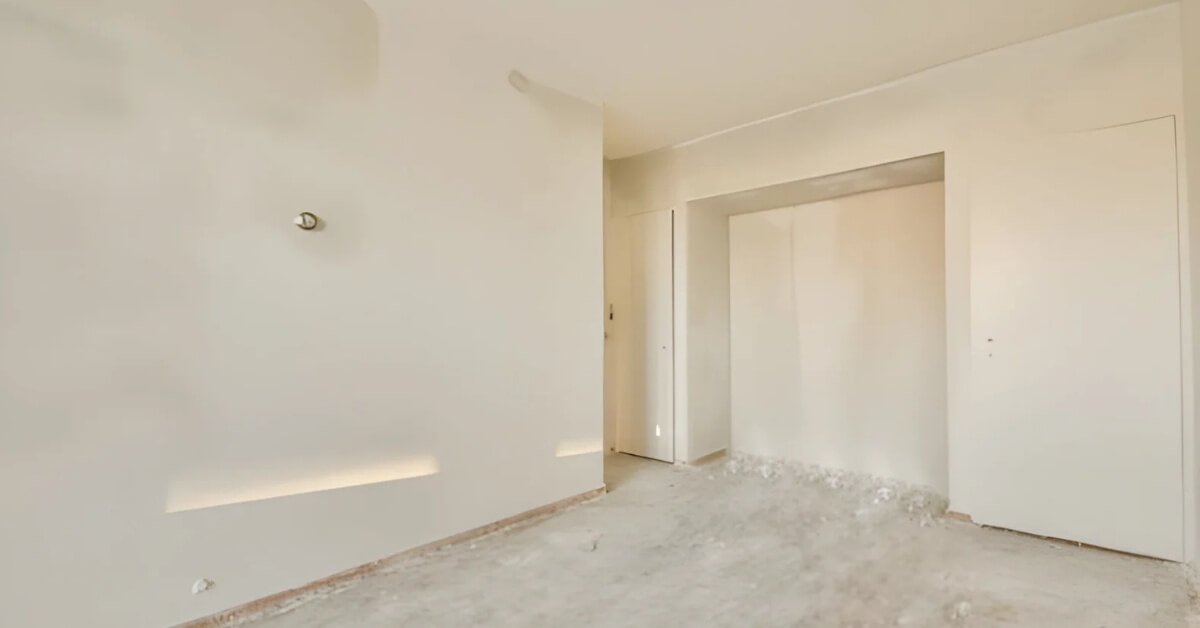
Climate control and lighting may make or ruin the comfort of your basement.
Running Outlets And Lighting
For DIY basement electrical, think about:
- Floor lamps
- LED strip lights
- Plenty of outlets
- Recessed lighting
Hire an electrician if you’re not sure.
Heating And Cooling
Among the options are:
- Extending HVAC ducts
- Setting up baseboard electric heaters
- Using space heaters
To prevent stuffiness, proper ventilation is essential.
Best Basement Lighting Ideas
Try:
- Recessed lights that are warm
- Lighting behind shelves with accents
- Workplaces with bright overhead lighting
Flooring And Interior Finishing Options
Comfort and durability can be affected by the flooring you choose.
Top Choices For Basement Flooring DIY
- Carpet with a moisture barrier
- Laminate
- Luxury vinyl plank
- Tile
Solid hardwood might warp, so stay away from it.
Paint, Trim, And Finishes
To make the room appear bigger and lighter, choose light colors. For a refined appearance, add baseboards, crown molding, and decorative trim.
Built-In Storage Ideas
Consider:
- Personalized shelves
- Storage behind the stairs
- Cabinets on the wall
- Desks that are built in
These give your interior basement finishes more purpose and elegance.
Common DIY Basement Finishing Mistakes To Avoid
Even experienced DIYers make mistakes as well.
Skipping Permits
This is among the most DIY basement mistakes. Always start by reviewing the local laws.
Ignoring Moisture Problems
Ignoring proper waterproofing can lead to structural problems, mold, and mildew later on.
Underestimating Time And Cost
Cost and time underestimating DIY projects nearly invariably result in longer completion times than anticipated. Include a 20% contingency in your budget.
These are crucial basement finishing tips for successful basement finishing.
FAQs
1. Can I legally finish my basement myself in Utah?
Yes, however, inspections and permits are typically needed.
2. What parts of basement finishing should not be DIY?
Professionals are frequently needed for structural, plumbing, and electrical work.
3. How much money can DIY basement finishing save?
Depending on the scale of the renovation, you can save anywhere from $20,000 to $60,000.
4. Do I need an egress window in a finished basement?
Yes, if there is a sleeping area or bedroom.
5. How long does DIY basement finishing take?
Most projects, particularly those that are completed part-time, require many months.
“Thinking about DIY basement finishing? Get expert guidance, permit support, or professional help for complex steps from trusted Utah basement specialists.”