

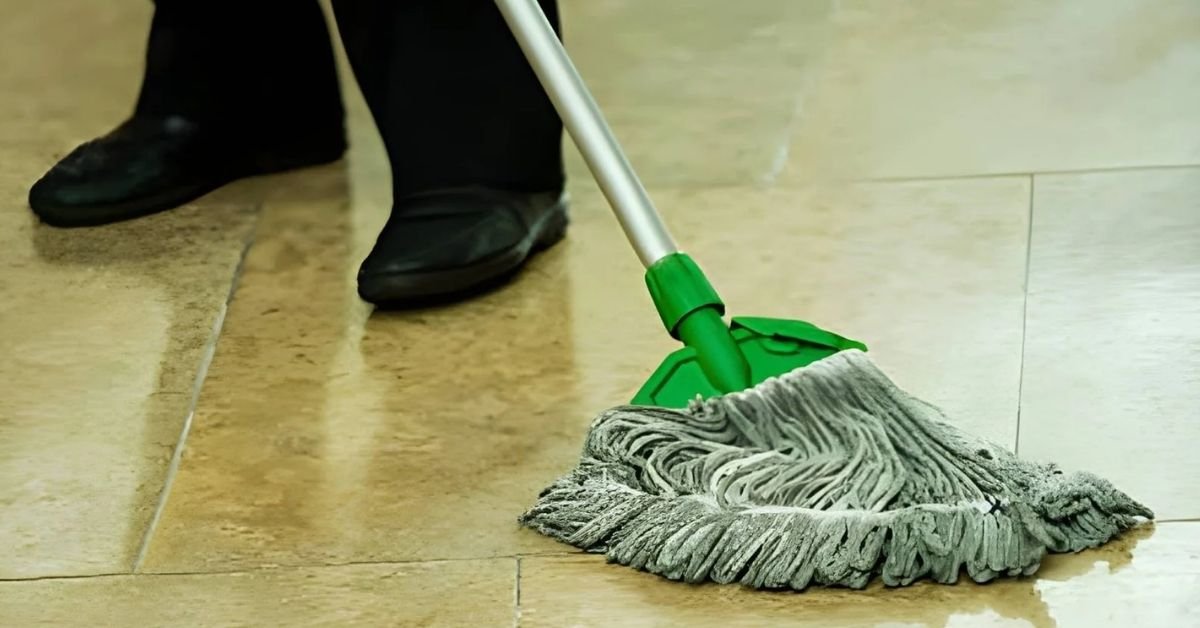
A key feature of many South Jordan, Utah homes is the basement. They increase storage, living space, and even the possibility of renting. However, basements are also particularly vulnerable to moisture and humidity because they are located below ground level. This can eventually result in common basement moisture issues that impact the structure of your house, your comfort level, and even the quality of the air.
It’s normal to see water stains, tiny wall cracks, or smell musty odors. The changing seasons in Utah, poor drainage, or poor soil conditions all contribute to the basement moisture issues that many homeowners face. The good news? When detected early, most issues may be resolved.
Most Common Basement Moisture Problems
Many homeowners are unaware of their moisture problem until it gets out of hand. Early detection of common basement moisture issues can prevent thousands of dollars in repairs.
Keep an eye out for these warning signs:
- Musty or damp odors
- Water stains on floors or walls
- Efflorescence, or white chalky residue
- Peeling paint or drywall that bubbles
- Spots of visible mold
- Foundation wall cracks
Ignoring these typical basement moisture problems can result in foundation damage, wood decay, and the spread of mold.
Early detection is important.
Water Seepage Through Foundation Walls
Water seeping through foundation walls is one of the most common basement moisture issues.
Why does it happen:
- Water can seep through concrete wall cracks
- When soil gets saturated, hydrostatic pressure rises
- Poor drainage on the outside forces water toward the house
When snowmelt or rainwater fills the soil surrounding your house, pressure builds up against the foundation. This frequently results in basement water intrusion or foundation leaks problems.
Over time, even tiny gaps may let in consistent moisture intrusion.
Condensation And Humidity Buildup
Moisture does not always originate from the environment. The issue can occasionally be found in your basement.
Causes of basement condensation:
- The temperature difference between the heated air and the cool walls
- Inadequate ventilation
- Insufficient dehumidification
- Not enough insulation
Even in the absence of visible leaks, a high humidity basement can feel moist. Condensation frequently accumulates on walls, windows, and pipes in basements. This may eventually damage stored items, insulation, and drywall.
Condensation, unlike floods, is frequently overlooked as a common basement moisture issues.
Mold And Mildew Growth In Basements
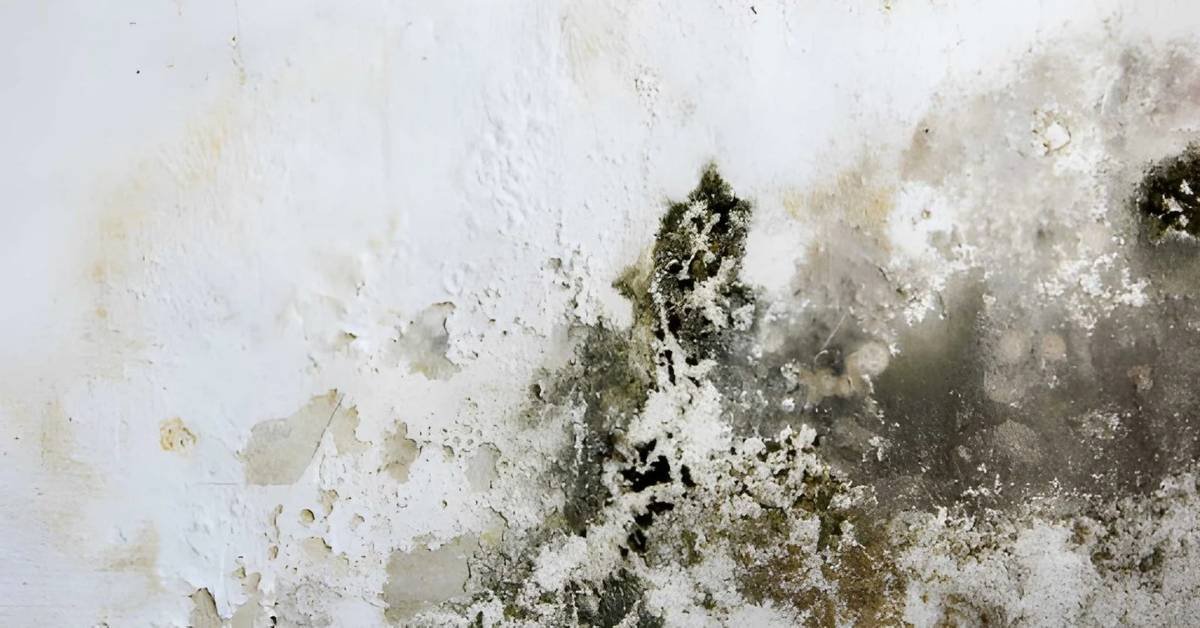
Mold thrives in moist conditions. Basement mold issues often begin in areas with inadequate ventilation, such as under floors, behind walls, or in corners. Mold can affect indoor air quality and spreads swiftly in moist areas.
Mold growth risks:
- Allergy symptoms
- Damage to the wood framing and drywall
- Musty odors
- Respiratory irritation
Moisture damage basement can develop into a major structural and health issue if it is not addressed. Mold prevention begins with addressing moisture.
Poor Drainage And Grading Around The Home
A common cause of basement drainage problems with moisture is external circumstances.
Typical issues with exterior drainage:
- Gutter blockages
- Short downspouts
- The soil slopes in the direction of the foundation
- Water standing close to the house
Water seepage and basement drainage issues are more likely to occur when water collects close to your foundation.
Grading the soil away from the house and making sure gutters divert water at least five to ten feet from the foundation are essential components of proper exterior waterproofing.
Plumbing Leaks And Interior Water Sources
Moisture issues can occasionally develop indoors.
Sources of moisture within:
- Basement plumbing leaks
- Faulty sump pump systems
- Leaking water heaters
- Washing machine drain issues
A flooding emergency can swiftly develop from a sump pump failure during times of intense rainfall. Plumbing-related common basement moisture issues can be avoided with routine inspections.
Even tiny pipe leaks can produce persistent moisture, which can cause mold growth and material deterioration.
Utah Climate Factors Affecting Basement Moisture
The climate of South Jordan has a significant impact on issues with basement moisture.
Local factors consist of:
- Expansive clay soils
- Freeze-thaw cycles
- Seasonal rainfall
- Spring snowmelt
Soil can expand and compress depending on Utah moisture conditions. Foundation walls are strained by this movement, which could lead to cracks.
South Jordan basement waterproofing is particularly crucial for long-term preservation due to these environmental factors. Both external and interior moisture management systems are frequently needed in homes in this area.
Preventing And Fixing Basement Moisture Issues
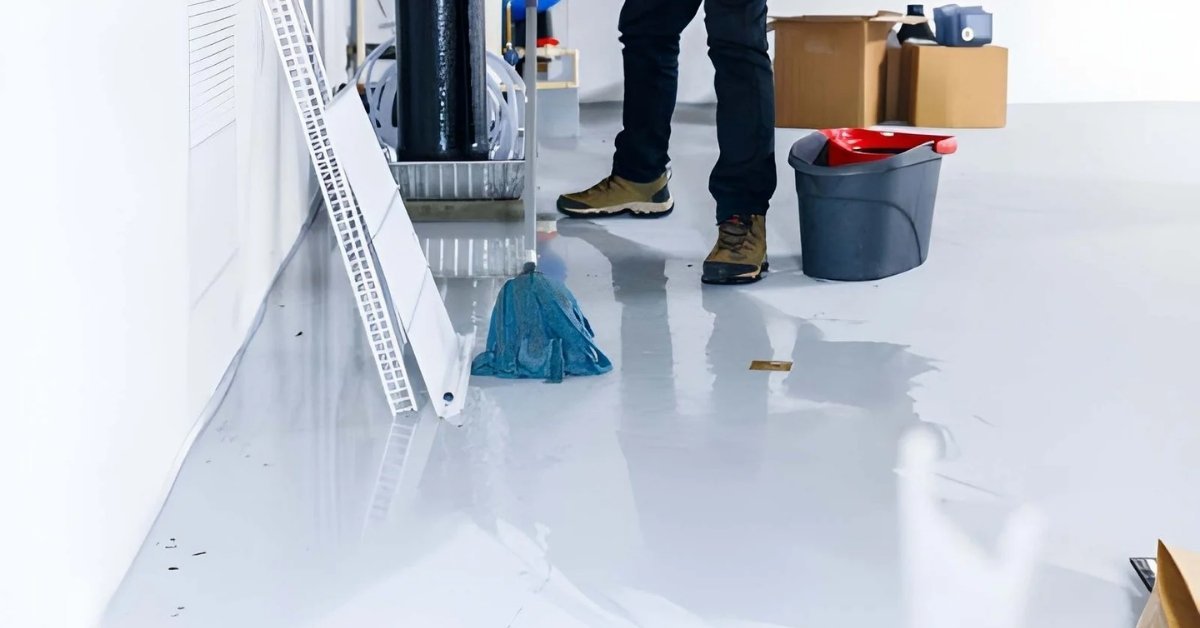
Preventing common basement moisture issues is the best course of action.
Interior solutions:
- Install a dehumidifier
- Seal any cracks in the foundation
- Apply waterproof coatings
- Install vapor barriers
- Improve basement ventilation
Exterior solutions:
- Accurate grading throughout the house
- Extend the downspouts
- Put in French drains
- Improve the waterproofing membranes outdoors
Inspections by professionals can reveal hidden moisture concerns. The purpose of basement moisture management systems is to control water before it becomes a major problem.
Basement waterproofing South Jordan is the first step in finishing a basement.
Building Code And Waterproofing Requirements In Utah
According to Utah basement code requirements, finished basements must have adequate moisture protection.
Important code considerations:
- Egress window requirements
- Foundation drainage systems
- Insulation standards
- Permit and inspection requirements
- Vapor barriers
The South Jordan building code guarantees dry, secure living areas. Before finished basement developments can be approved, compliance with the South Jordan building code is necessary.
Ignoring moisture problems before remodeling may result in unsuccessful inspections and expensive repairs.
FAQs About Basement Moisture
1. What are the most common basement moisture issues?
Water seepage, condensation, mold growth, drainage issues, and plumbing leaks are the most common basement moisture issues.
2. Why does my basement feel damp without visible leaks?
A high-humidity basement is frequently caused by moisture and inadequate ventilation. Even in the absence of foundation leaks, airborne moisture can accumulate on chilly surfaces.
3. Can basement moisture cause structural damage?
Yes. Drywall damage, rotted timber framing, and weakened foundation walls can all result from prolonged exposure to moisture.
4. Is mold in the basement dangerous?
Yes. Mold problems in the basement can affect indoor air quality and trigger allergies or respiratory distress.
5. Do South Jordan homes require waterproofing to meet code?
Yes. According to Utah basement code regulations, proper moisture control is necessary, particularly for completed living areas.
“Concerned about basement moisture problems? Schedule a free inspection with South Jordan’s trusted basement waterproofing and remodeling experts.”