

Basement Renovation Guide: From Planning to Perfect Finish

how to start basement renovation project
Table of Contents
how to renovate basement: step by step basement renovation guide

A well-planned basement renovation can turn an underutilized space into the most valuable square footage in your home. Whether you’re envisioning a home theater, guest suite, gym, or family room, a finished basement adds comfort, function, and value. But getting it right requires more than just drywall and flooring. That said, here’s a comprehensive basement renovation guide to get you started.

1. Define Your Goals and Budget

Start by deciding how you want to use the space. Are you creating more bedrooms, a game room, or a second living area? Clearly outlining your goals will guide all other decisions—from layout to lighting.

2. Assess Your Space

Before you begin, assess your current basement condition. Look for moisture issues, low ceilings, exposed wiring, or structural limitations. It’s important to address these concerns before any construction begins.

At Creative Construction Solutions (CCS), we perform a thorough inspection to ensure your basement is ready for a safe, high-quality finish.

3. Plan the Layout

A functional layout is key to a successful renovation. Consider how people will move through the space and how each area will be used. Will you need soundproofing for a theater room? Plumbing for a bathroom or kitchenette?

Popular basement additions include:

  • Bedrooms and bathrooms

  • Home theaters and game rooms

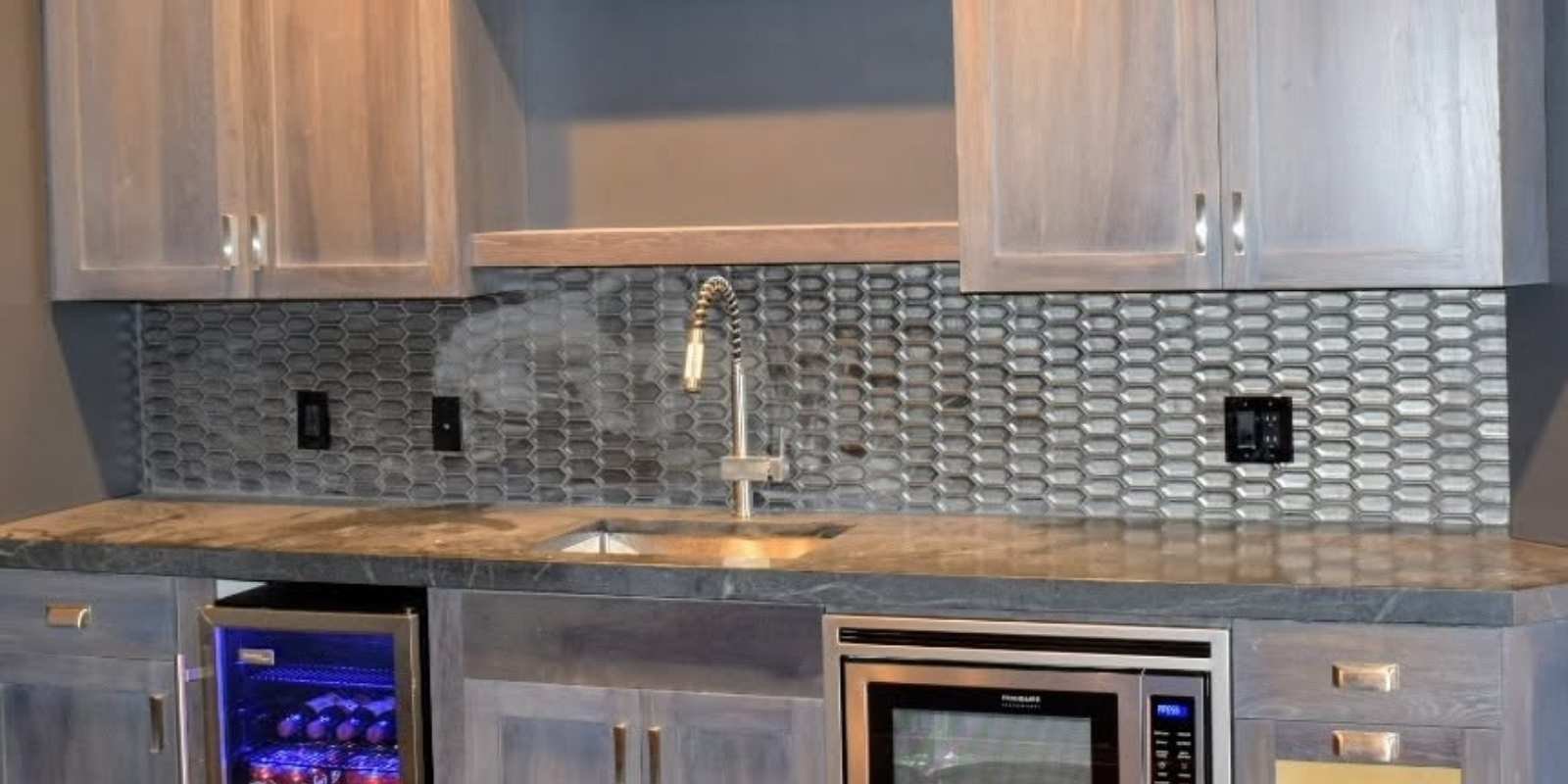
  • Bars and kitchenettes

  • Storage and laundry rooms

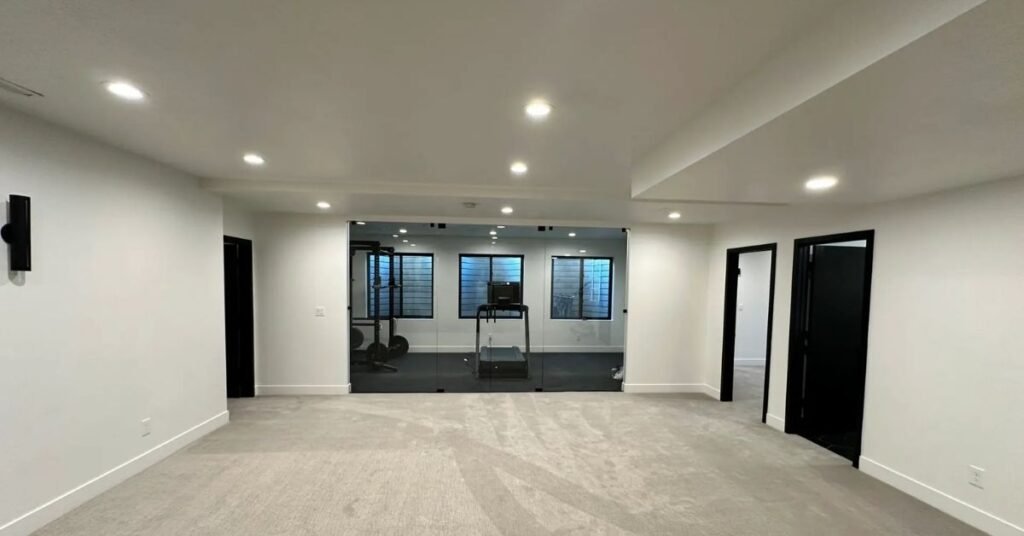
  • Home offices and gyms

4. Ensure Proper Insulation and Moisture Control

Basements are naturally cooler and more prone to dampness. To make your new space comfortable year-round, use high-quality insulation, vapor barriers, and moisture-resistant materials. These steps improve energy efficiency and protect your investment long-term.

5. Focus on Lighting and Ceiling Height

Basements often lack natural light, so be strategic with lighting. Combine recessed lighting with ambient and task lighting for a bright, welcoming atmosphere.

If your basement has low ceilings, choose design solutions that create the illusion of height—like light-colored walls, vertical paneling, or open-beam ceilings.
 

what is basement renovation process

Go Beyond This Basement Renovation Guide

Ready to start your basement transformation? Contact Creative Construction Solutions today for a free consultation and let’s turn your vision into reality.

Picture of CCS of Utah
CCS of Utah

CCS of Utah is South Jordan's go-to team for basement finishing, kitchen remodeling, and full-home renovations. With 30+ years of hands-on experience and a commitment to craftsmanship and integrity, they help Utah homeowners transform their spaces into something they truly love. Every project is handled with care, quality, and the personal touch that sets them apart.

Leave a Reply

Your email address will not be published. Required fields are marked *

Related Posts

Basement Remodeling Permits Saratoga Springs: Complete 2026 Guide for Homeowners

Basement remodeling permits Saratoga Springs are required for most basement renovation projects involving structural, electrical, plumbing, or HVAC changes. Homeowners in Saratoga Springs, Utah must secure permits before construction to ensure safety, code compliance, and legal approval. A permitted basement remodel protects your property value, prevents fines, and ensures the space is legally habitable under Utah building codes. Do You Need a Permit for Basement Remodeling in Saratoga Springs? Yes. Most basement remodeling projects require permits in Saratoga Springs. A permit is required when your project includes: Electrical wiring or panel upgrades Plumbing installation or bathroom additions Structural changes or wall removal HVAC system extensions New bedrooms or habitable spaces Minor cosmetic upgrades like paint, flooring, or cabinets usually do not require permits. Any basement remodel that changes structure or systems requires a permit in Saratoga Springs. Basement Remodeling HOA Approval Saratoga Springs Requirements Basement remodeling HOA approval in Saratoga...

Basement Remodeling HOA Approval Saratoga Springs: Complete Homeowner Guide

Approval from the homeowners association (HOA) is often required before homeowners can start any basement renovation in HOA-managed communities. By understanding basement remodeling HOA approval Saratoga Springs residents avoid time-consuming delays, hefty fines, and costly redesigns. Many homeowners assume basement remodeling only requires city permits. In reality, most HOA communities in Saratoga Springs enforce separate approval rules that regulate design plans, contractor access, construction timing, and compliance documentation. This guide explains how HOA approval works, what documents are required, common mistakes to avoid, and how to complete your basement remodel without delays. Do You Need HOA Approval for Basement Remodeling in Saratoga Springs? Whether HOA approval is required depends on your community’s CC&Rs (Covenants, Conditions, and Restrictions) and architectural guidelines. Most HOA boards require approval if the basement remodel involves: Structural changes or framing work Electrical or plumbing modifications Adding bedrooms or basement bathrooms Egress window installation Utility or HVAC...

Basement Finishing HOA Approval Saratoga Springs: How to Get Approved Fast

Basement finishing HOA approval is required for homeowners in HOA-managed communities before starting any basement renovation. After obtaining basement finishing HOA approval Saratoga Springs residents need not worry about delays, penalties, and costly design changes. The finished basement should add stress-free comfort and value to your home as a family room, guest suite, home office, or entertainment space.  Working with an experienced contractor who understands HOA rules helps make the approval process faster and smoother. What is HOA Approval and Why Does It Matter for Basement Finishing? Homeowners Associations (HOAs) set guidelines and requirements for homes in their neighborhoods. HOA approval ensures that projects adhere to social standards and do not adversely affect nearby properties. Examples include:  Adding egress windows Changes that could affect structural components or drainage Construction-related access and parking Exterior excavation work Utility upgrades Skipping HOA approval for basement finishing and HOA rules in Utah may result...