
In South Jordan homes, basements are crucial for optimizing living space, particularly when families need additional space for recreational spaces, home offices, or rental suites. Knowing the average basement size will help the process go more smoothly, whether you’re building a new house, remodeling an existing one, or finishing your basement. It helps you in projecting your ideal layout, estimating charges, and understanding the characteristics of contemporary Utah residences. Basement sizes might vary widely due to South Jordan’s mix of historic communities and new developments, but trends can help you plan and know what to expect.
What Is The Average Basement Size?
Depending on the size and design of the house, the usual basement size in the United States is between 800 and 1,500 square feet. However, compared to national averages, Utah homes often have larger basements. This is because a large number of houses in the state are constructed on large lots with complete basements as part of the original design.
In South Jordan specifically, a lot of single-family houses have basements that are between 1,000 and 1,800 square feet in size, particularly in more recent subdivisions like Daybreak, Glenmoor, or the vicinity of The District. Basements in smaller homes might be between 700 and 900 square feet. Large custom constructions can frequently surpass 2,000 square feet of space in the basement.
Dimensions of a residential basement are also influenced by home style. While multi-story homes may have smaller basement spaces, rambler-style homes frequently feature big, single-level basements that replicate the footprint of the main floor. In general, the average basement size is roomy enough to accommodate several rooms without feeling claustrophobic, such as a family room, an additional bedroom, or a home theater.
Factors That Affect Basement Size In South Jordan Homes
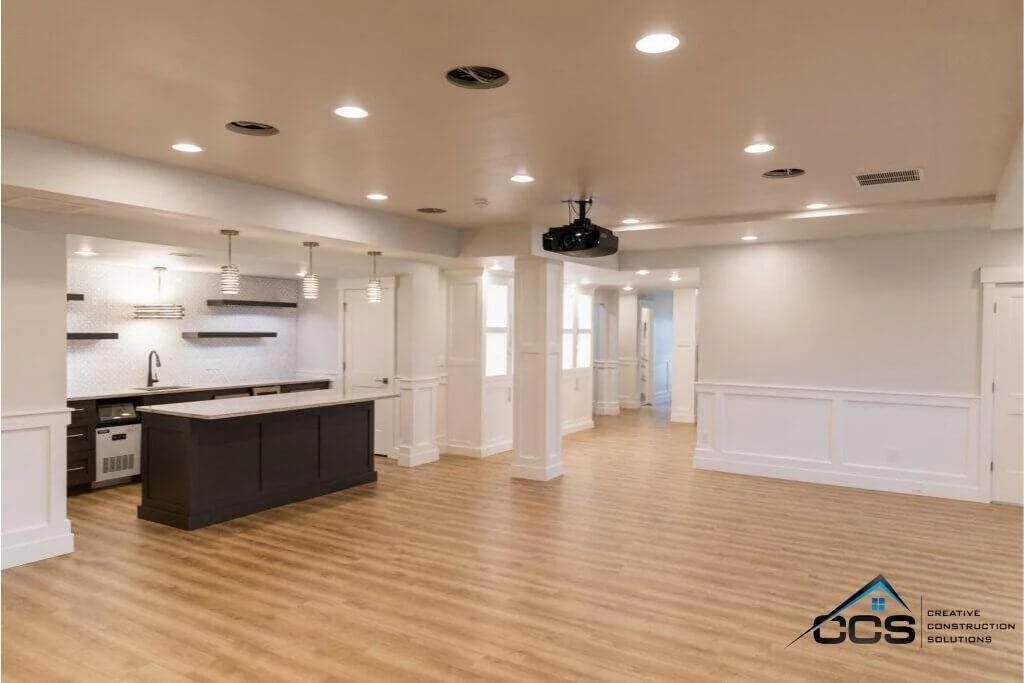
The size of a basement is determined by a number of factors, particularly in a developing city like South Jordan.
Builder And Community Design
Standardized housing plans are common in master-planned communities such as Daybreak. Larger dimensions are more prevalent in these neighborhoods than in the city’s older areas because many of them have complete basements.
Foundation Type
Whether a basement is walk-out, partial, or complete depends on the foundation of the house. Whereas partial foundations restrict the usable area, full foundations offer the greatest square footage. Furthermore, some houses have slab-on-grade foundations, which completely do away with basements.
Home Age
In South Jordan, older houses typically have smaller or partially completed basements. However, larger, open basements that are intended to be completed later are frequently found in modern buildings, particularly in neighborhoods constructed within the last ten to fifteen years.
Lot Size And Shape
South Jordan provides a mix of conventional and wide-conversion lots. Greater home footprints on larger lots inevitably result in more basement area. Basement plans may be more constrained in homes on smaller lots or in townhome developments.
Zoning And Building Codes
Building codes in South Jordan have an impact on basement design, particularly regarding ceiling height, emergency escape windows, and layout specifications. For instance, certain window widths are necessary for safety when building a bedroom. Homeowners can plan realistic basement renovations from the beginning by being aware of Utah basement construction regulations.
Full, Partial, And Walk-Out Basements Explained
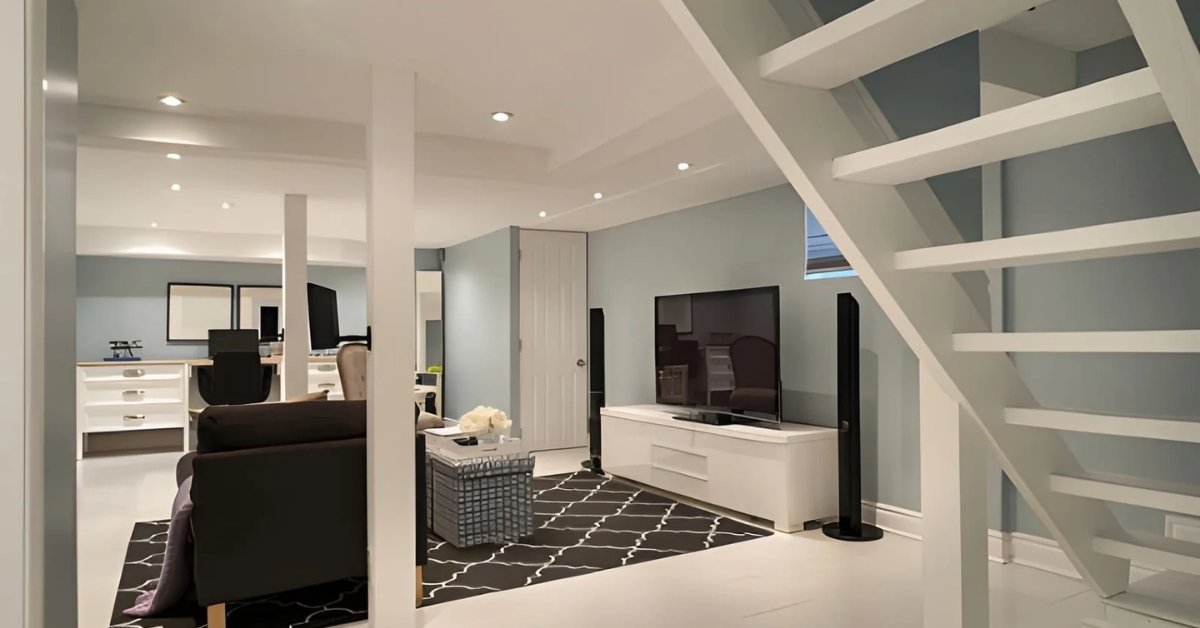
There are various types of basements, and each one affects overall usability and size.
Full Basements
A full basement provides the maximum amount of square footage by matching the footprint of the house above. Depending on the size of the house, these basements might be anywhere from 1,000 to more than 2,000 square feet. Because they offer ample space for additional bedrooms, gyms, home theaters, and more, full basements are popular in South Jordan.
Partial Basements
Only a piece of the house’s footprint is covered by a partial basement. These spaces are often located beneath one part of the house and range in size from 400 to 900 square feet. Homes constructed on uneven lots or in older neighborhoods are more likely to have partial basements.
Walk-Out Basements
In South Jordan, walk-out basements are very popular, particularly in neighborhoods with sloping lots or mountainous regions. These basements often include a ground-level exit that leads to a patio or backyard. In South Jordan, there are a lot of walk-out basements close to Daybreak, The District, and hillside locations where a daylight basement design is organically supported by the topography. They usually provide the same amount of room as full basements, but they have better rental potential and more natural light.
Partial Foundations
Some houses combine small basement parts with crawl spaces or partial foundations. These spaces have a small footprint and are typically utilized for storage and utilities rather than habitation.
How Basement Size Impacts Remodeling And Finishing Costs
Your budget for remodeling is greatly affected by the size of your basement. Larger basements inherently demand more materials, labor, and design planning, and the majority of basement finishing projects in Utah are priced by the square foot.
Cost Per Square Foot Estimates
Depending on the materials, intricacy of the project, and experience of the contractor, the average basement finishing cost in South Jordan is between $35 and $55 per square foot. High-end finishes or specialty spaces, such as gyms, wet bars, or home theaters, may increase the cost.
Layout And Room Functionality
You can divide and use the area more freely in a larger basement. Typical layout choices include:
- Home theater or entertainment room
- Office or remote work space
- Gym or workout area
- Guest bedroom or in-law suite
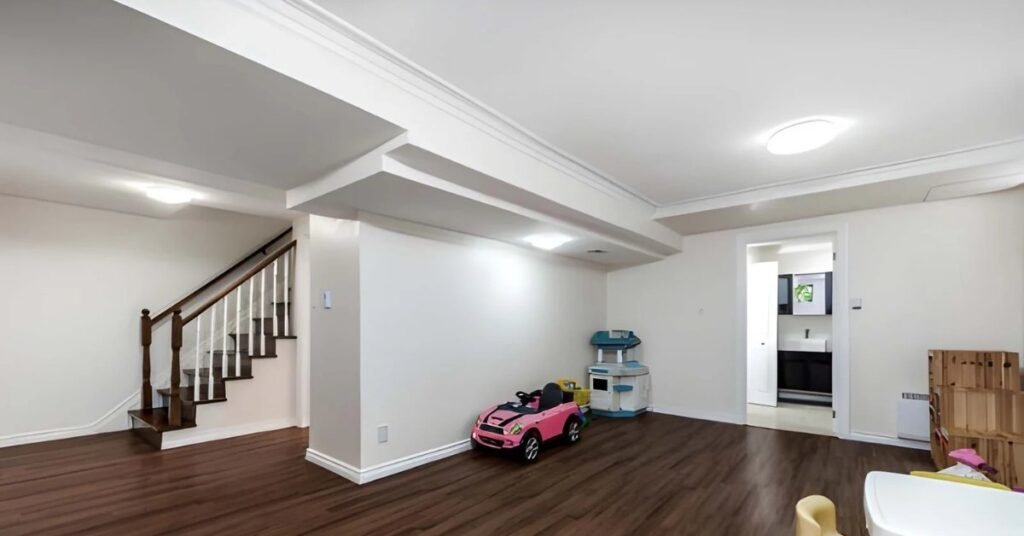
- Kids’ playroom
- Basement kitchen or kitchenette
- Storage and utility zones
More careful planning is needed for smaller basements. Instead of having multiple separate areas, you might choose to have a single multipurpose room.
Contractor Selection
The job will go more smoothly if remodeling contractors are knowledgeable about South Jordan’s building regulations, soil conditions, and housing styles. This is especially true for walk-out or daylight basements, where structural planning is essential.
How To Plan Your Basement Project Efficiently
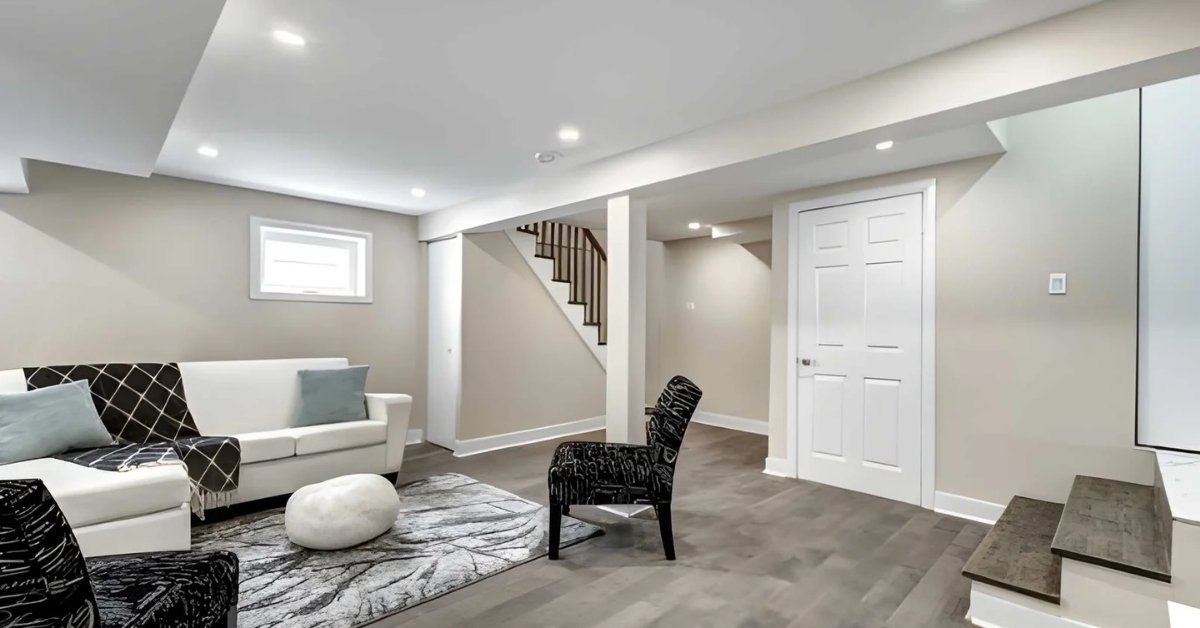
Whether you’re getting started from scratch or remodeling an old basement, careful planning will help you remain within your budget and get the desired outcome.
1. Measure Your Basement Accurately
Measure the square footage of your basement first. Each section’s length and width should be measured, multiplied, and added. This makes it easier when seeking competitive contractor quotes and estimating material requirements.
2. Create A Budget Based On Size
To estimate costs, use your measurements. Budgets for larger basements must be larger, although finishing several regions at once may result in a lower cost per square foot.
3. Consider Your Lifestyle Needs
Consider your plans for the area: home office? A guest room? A gym? A room for entertainment? The plan that works best for you will depend on your lifestyle.
4. Consult Local Experts
Contractors in South Jordan are knowledgeable about city building regulations, insulation requirements, basement moisture control, and soil types. Their knowledge helps you to finish the project quickly and avoid costly mistakes.
5. Plan For The Future
Consider long-term objectives when designing the layout, even if you won’t be building the full basement right now. Pre-plumbing kitchenettes or bathrooms saves money down the road.
FAQs
1. What is the average basement size in Utah homes?
Most basements in Utah range from 800 to 1,800 sq. ft., depending on the home’s size.
2. How do I calculate my basement’s square footage?
Measure each room or section separately, multiply length by width, and add all areas together.
3. Does basement size affect home value in South Jordan?
Yes—larger, finished basements significantly increase property value and buyer appeal.
4. What’s the smallest basement size worth finishing?
Even a 400–600 sq. ft. basement can be valuable if finished well and used efficiently.
5. Can I expand my basement during a remodel?
In most cases, basement expansion requires structural changes and isn’t typical unless part of a major rebuild.
Ready To Design Your Dream Basement?
Contact CCS of Utah today. Get a free estimate and personalized layout consultation from our South Jordan basement remodeling experts.