
Whether you’re remodeling your basement, guest room, or rental apartment in South Jordan, you’ve undoubtedly considered installing a kitchenette or a complete kitchen. It’s one of the most typical choices homeowners must make when remodeling their home. Although they both have the same overall function, how well they match your lifestyle can be significantly affected by the differences in size, functionality, and price. Everything you need to know about the difference between kitchen and kitchenette is outlined in this guide, so you can confidently choose the layout that best suits your South Jordan home.
The Difference Between Kitchen And Kitchenette
Let’s understand the difference between kitchen and kitchenette. Let’s explore how they differ in terms of size, function, and more.
What Is A Kitchen?
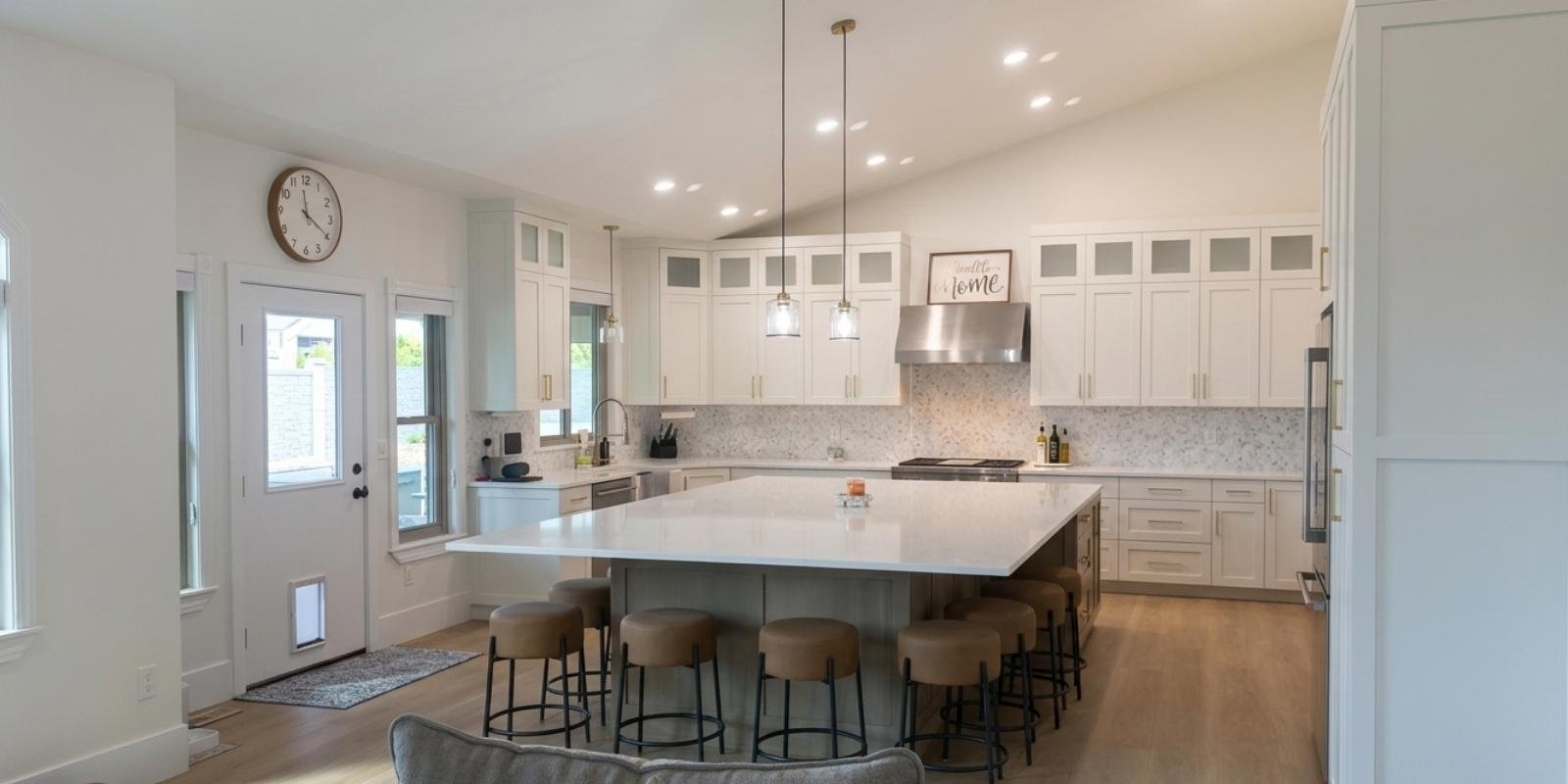
A kitchen is a complete cooking area that has all the major devices and features required for regular meal preparation. A stove, oven, full-size refrigerator, sink, countertops, cabinets, and typically a dishwasher are all included in this. For families, frequent cooks, or anyone who appreciates having a comprehensive and adaptable cooking space, a full kitchen installation is perfect.
Storage is one of the main benefits of having a full kitchen. You get drawers, upper and lower cabinets, and even a pantry—all necessary for organizing ingredients, cookware, and dishes. Flexibility in cooking is another advantage. Large dinners, baking, searing, boiling, and sautéing are all possible with a full-size stove and oven.
When making significant renovations or modernizing older homes, many homeowners in South Jordan opt for a full kitchen installation. A comprehensive kitchen renovation project greatly raises the value of a property while also increasing convenience and functionality. Kitchen remodeling in South Jordan is a long-term investment that improves the comfort and appearance of your house, whether you’re replacing old appliances or completely rethinking the layout.
What Is A Kitchenette?
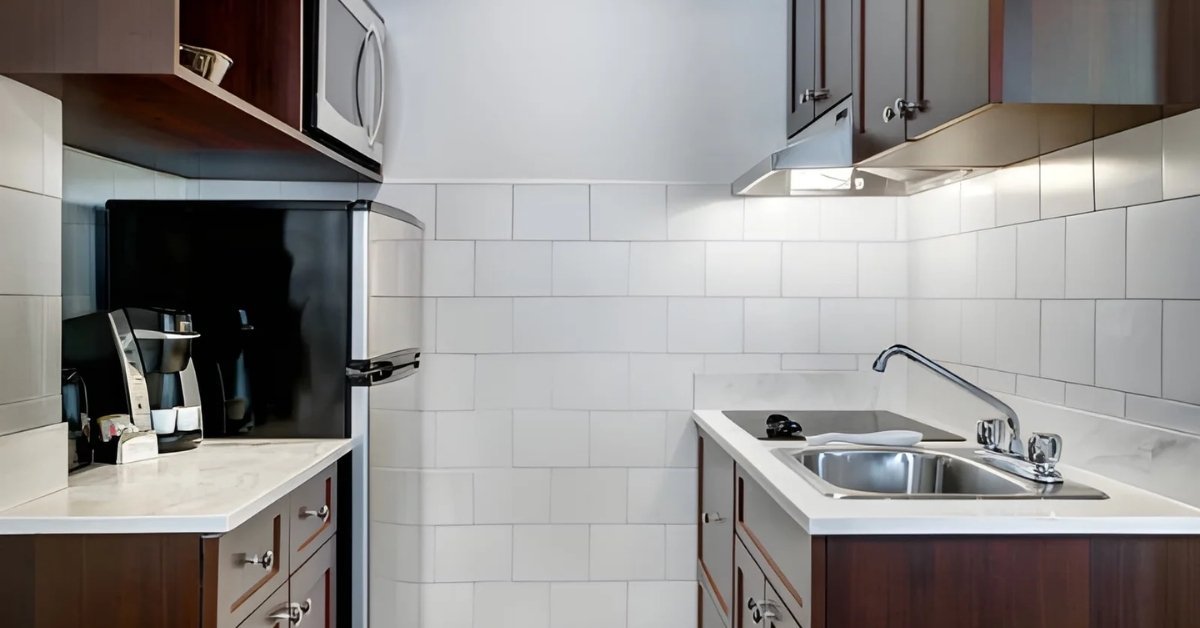
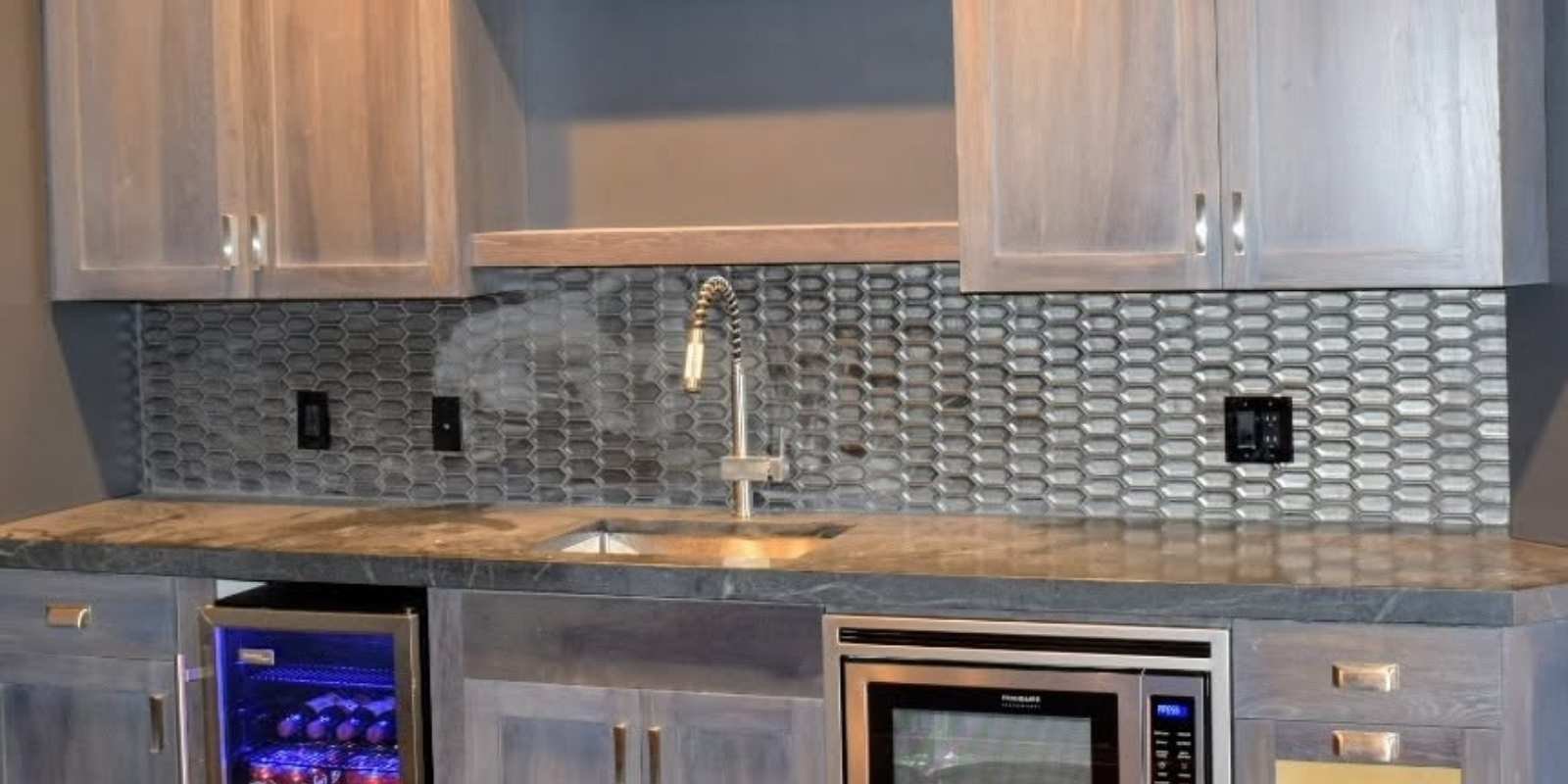
A kitchenette is a condensed, streamlined kitchen intended for tiny living spaces. Kitchenettes are frequently seen in vacation homes, guest suites, mother-in-law flats, studio apartments, and basement rentals. A modest refrigerator, microwave, small sink, simple surface area, and a few storage cupboards are usually included.
A kitchenette might not have a conventional burner or oven because it is intended for light food preparation. Alternatively, homes can install portable equipment such as small microwaves, induction cooktops, or toaster ovens. For those who don’t regularly prepare complete meals, this makes it a sensible choice.
Kitchenettes are particularly popular for homeowners looking for a handy prep area without taking up a lot of space or for small kitchen remodeling projects. A tiny kitchen design may look fashionable, conserve space, and still be quite functional with careful planning and excellent design. It’s a fantastic option for designing independent living areas, such as giving long-term visitors, aging parents, or adult children privacy.
Key Difference Between Kitchen And Kitchenette
Despite their apparent similarities, a kitchen and kitchenette differ greatly. Knowing these differences makes it easier to determine which is best for your home.
Appliances
- Complete appliances (stove, oven, refrigerator, dishwasher) are found in kitchens.
- Compact appliances, such as a small refrigerator, microwave, and sink, are included in kitchenettes.
Cost
- The cost of installing appliances, plumbing, and electrical systems makes whole kitchens more expensive.
- Kitchenettes can be constructed more quickly and at a lower cost.
Function
- Kitchens are built to prepare complete meals daily.
- Kitchenettes prioritize light meal preparation and ease.
Size
- A large, central area of the house is typically occupied by a fully functional kitchen.
- A kitchenette can be installed in smaller spaces like bonus rooms, lofts, and basements.
Local Considerations
Homeowners in South Jordan should also be mindful of specific building standards, particularly when incorporating a kitchenette into a separate living unit or basement. Depending on the project, different requirements may apply for space, water lines, ventilation, and electrical capacity.
In the end, the main difference between kitchen and kitchenette is the complete functionality against convenience that saves space. A kitchenette layout or space-saving kitchen design like a basement kitchen can be ideal if your objective is to make the most of limited areas.
Pros And Cons Of Each Option
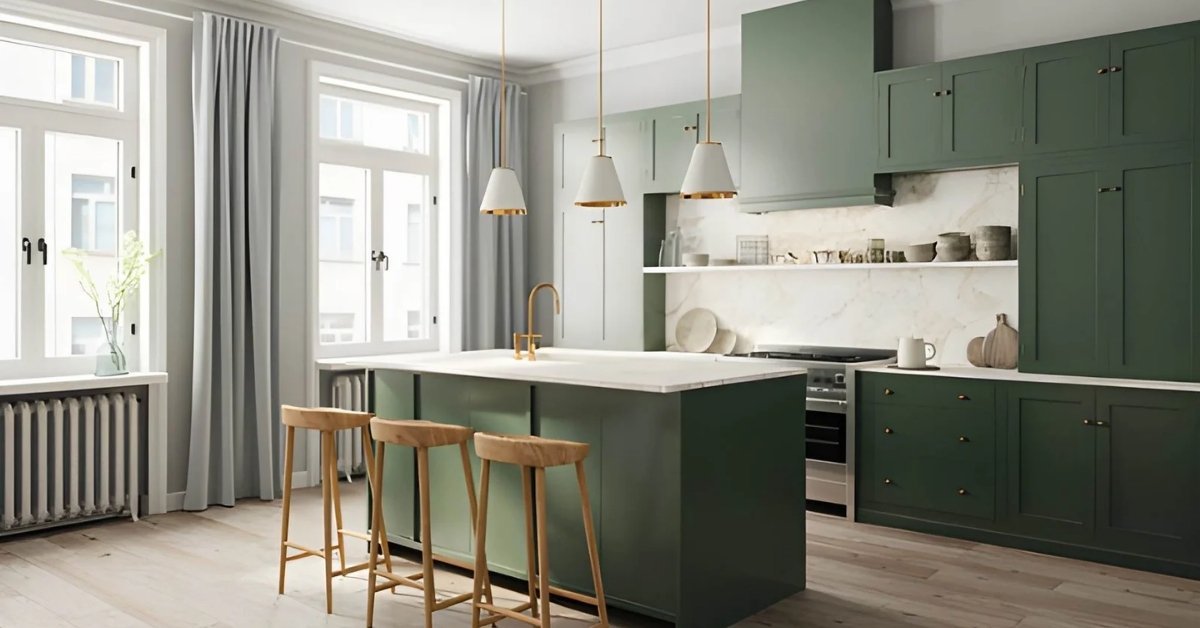
Each setup has pros and cons. Which is best for you will mostly depend on your lifestyle and the design of your house.
Full Kitchen Pros
- Best for families and frequent cooking
- More storage and counter space
- Increases property value
- Allows full meal preparation
- Works for hosting, entertaining, and daily living
Full Kitchen Cons
- Higher remodeling cost
- Requires more space
- Longer installation time
Kitchenette Pros
- Perfect for basement apartments or rentals
- Great for guest suites or mother-in-law units
- Lower cost and fast installation
- Ideal for basement kitchenette setups
- Efficient use of small spaces
Kitchenette Cons
- Limited cooking capabilities
- Smaller storage and counter area
- Not ideal for large families or heavy cooking
Full kitchens are ideal for homes where cooking and entertaining are top priorities, while kitchenettes are great for tiny spaces. Kitchenettes are frequently the best option for guest suite renovations since they provide convenience without going overboard.
Which One Should You Choose For Your South Jordan Home?
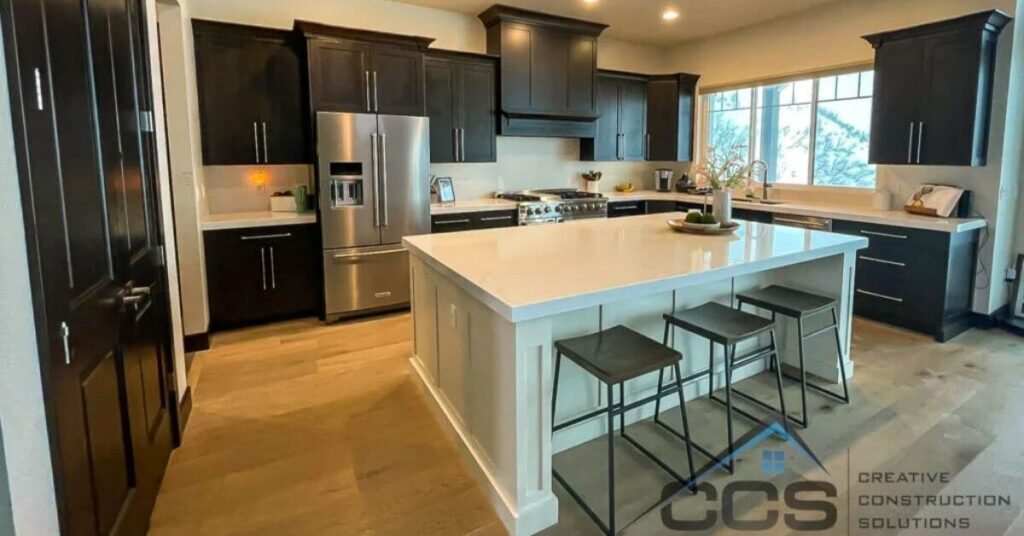
The layout of your home, your lifestyle, and your remodeling budget will all influence your decision between a kitchen and a kitchenette.
Choose A Full Kitchen If:
- You cook every day or make big dinners frequently.
- You’re looking for optimal functioning.
- You have enough room for a complete kitchen.
- You intend to raise the long-term value of your house.
- For families, foodies, or anyone finishing a major home renovation, a fully functional kitchen makes sense.
Choose A Kitchenette If:
- You’re turning a basement into a rental property.
- You’re building a cozy guest room.
- You wish to include a food prep area without making significant renovations.
- You’re putting cost effectiveness and space efficiency first.
For tenants, adult children, or long-term visitors, a kitchenette can transform underused spaces into useful, autonomous living spaces. They are also installed by several South Jordanian homeowners to increase rental income while lowering remodeling expenses.
Consult a local expert if you’re not sure which choice is best for the space you have. Discover how CCS can help transform into your dream spaces. To figure out if a tiny kitchenette design or a full kitchen installation is a better investment, a professional may assess your goals, budget, and available floor space. To find out what works best for your house, schedule a professional design consultation in South Jordan right now.
FAQs
1. What’s the main difference between a kitchen and a kitchenette?
A kitchen includes full appliances and cooking capabilities, while a kitchenette is a compact space designed for light meal prep.
2. Can I install a kitchenette in my basement or guest suite?
Yes—many South Jordan homes add kitchenettes to basements, casitas, and guest suites. Just ensure it meets local building and electrical codes.
3. How much does a kitchenette remodel cost in South Jordan, UT?
Kitchenette remodels are generally more affordable than full kitchens because they use fewer appliances and require less space.
4. Do kitchenettes add home value?
Yes—especially if added to a basement, rental unit, or guest suite. They enhance functionality and increase rental potential.
5. Who offers professional kitchen remodeling near me?
Local South Jordan remodeling experts such as CCS of Utah can help design, plan, and install both kitchens and kitchenettes.
Not Sure If Your Home Needs A Full Kitchen Or A Kitchenette?
Our South Jordan remodeling pros can help design the perfect culinary setup for your space, lifestyle, and budget. Contact us today to get a free quote and personalized consultation.