The trend of transforming basements into rental units has accelerated as homeowners discover innovative ways to tap into their property’s potential. This approach boosts income and property value while providing tenants with affordable, uniquely designed living spaces.
We’ll explore space-efficient layouts, smart technology enhancements, and stylish decor tips that elevate these areas far above the typical basement feel. Covering everything from basic design to final touches, we guide you on how to make your basement a highly sought-after rental property.
These transformative ideas enhance living spaces and maximize your investment in the lucrative basement rental market.
Designing for efficiency
Creating an efficient layout is essential for enhancing both the appeal and functionality of a basement rental. Opting for an open-plan design that integrates living, dining, and kitchen areas helps make the basement feel spacious and welcoming.
Such layouts improve the flow and visual coherence of the space, making it appear larger. Incorporate elements like a central island that doubles as a dining area and additional workspace, or a pull-out pantry to maximize kitchen storage efficiently.
Built-in storage solutions also play a role in taking advantage of space without sacrificing style. Integrating shelves into walls, utilizing under-stair areas, and designing platform beds with drawers can increase storage capacity. Multi-functional furniture enhances a space’s functionality and appeal — like ottomans with hidden storage or couches that convert to beds.
These strategies help keep the living environment organized and clutter-free, a vital consideration in compact spaces like basements.
Enhancing livability
Creating a livable and inviting basement rental means enhancing the atmosphere and functionality of the space. Proper lighting and noise insulation are impact living quality significantly.
Adequate lighting
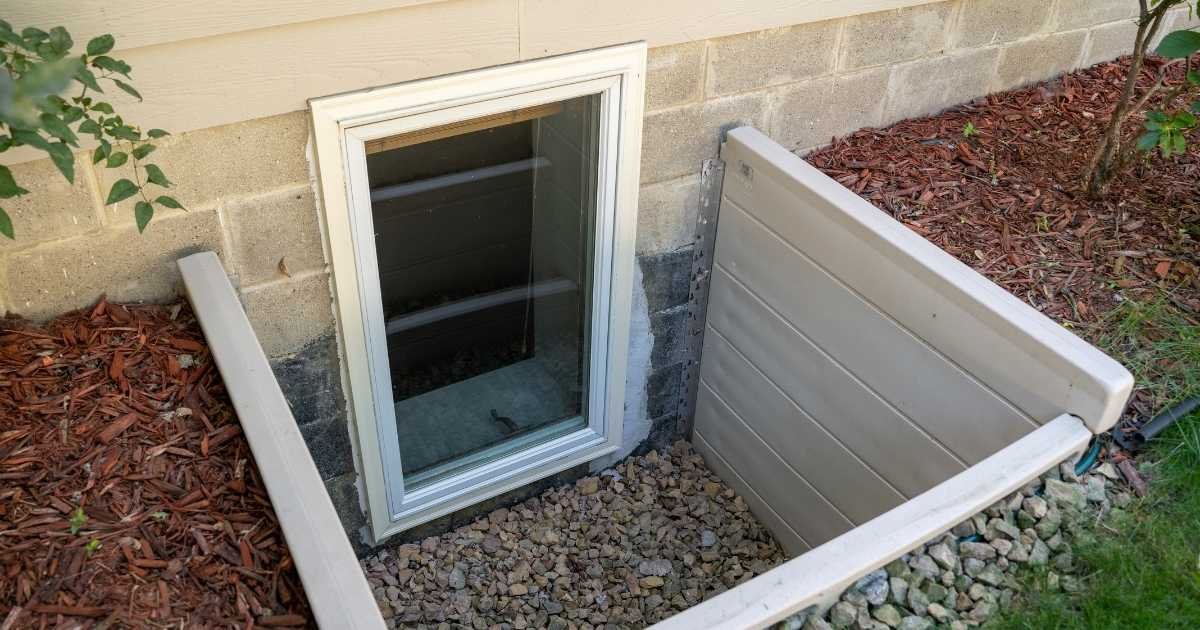
Basements typically lack natural light, leading to a dark and cramped atmosphere. To counter this, enhance any existing windows to allow more natural light, using light well covers to also protect against moisture.
In windowless areas, install bright, energy-efficient LED lights that simulate daylight. Utilize a variety of lighting fixtures, such as recessed lights, pendant lamps, and wall sconces, to create layered lighting. This strategy illuminates the space while defining different zones within an open layout, making the basement feel warmer and more inviting.
Noise insulation
Effective soundproofing is crucial, especially in basements that share a building with upstairs living spaces. Implementing robust noise insulation maintains privacy and tranquility, enhancing comfort for tenants and minimizing disruption for homeowners. Insulate floors, walls, and ceilings with materials designed for sound reduction, like acoustic panels or sound-absorbing foam.
Use thick carpets and padded underlays to further dampen noise. Consider a suspended ceiling system that facilitates the easy addition of acoustic insulation. These measures ensure a quieter living environment for tenants and prevent noise from traveling to other parts of the home, supporting peaceful coexistence.
Adding functional elements
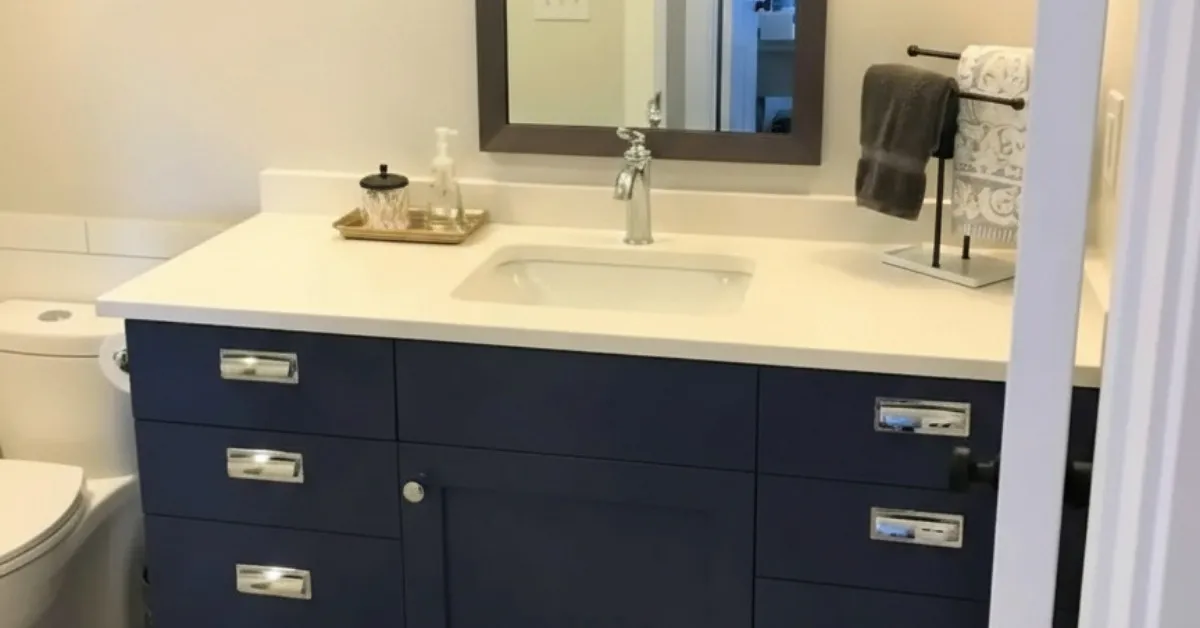
Optimizing kitchen and bathroom functionality is key in crafting an efficient and stylish basement rental. Here’s how to enhance these spaces with smart design choices that maximize both utility and aesthetics.
Kitchen efficiency
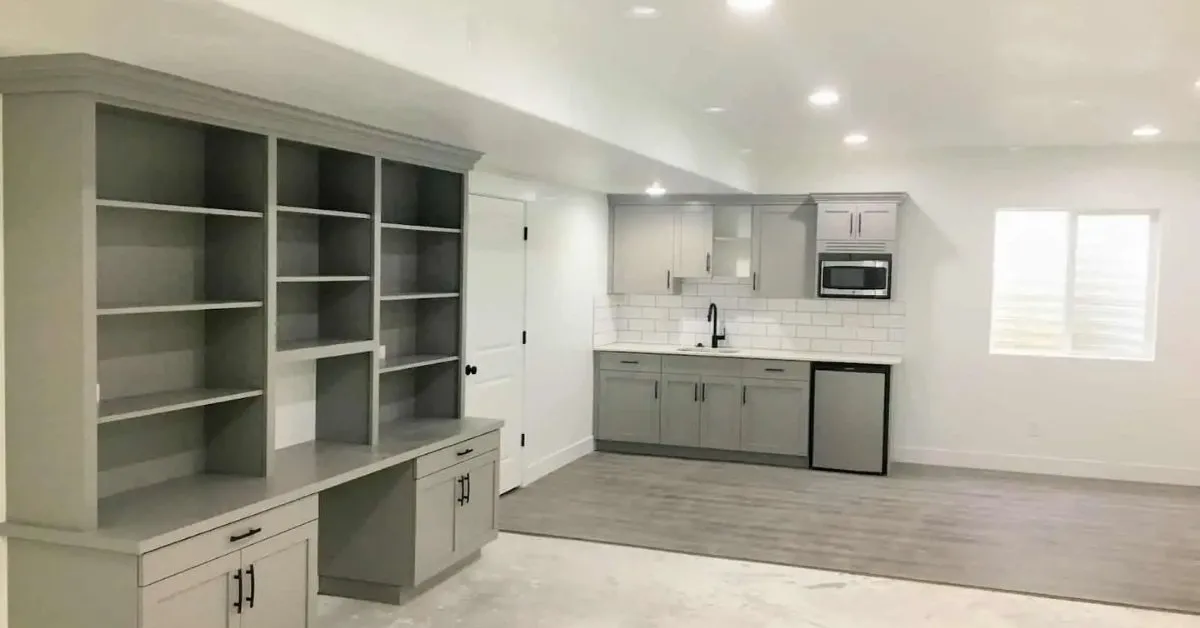
In compact basement kitchens, every inch matters. Choose ergonomic designs that meld functionality with style. Install space-saving appliances like slim refrigerators, compact dishwashers, and combination microwave and oven units designed for small spaces.
Incorporate pull-out counters or drop-down table extensions to expand prep and dining areas. Use deep drawers and vertical storage solutions to increase storage while keeping countertops clear. Light-colored cabinets and backsplashes make spaces feel bigger, and under-cabinet lighting ensures work areas are well-lit.
Bathroom tips
Design bathrooms to fully utilize small spaces without compromising on style or function. Install corner showers to conserve space while maintaining a modern aesthetic. Use wall-mounted toilets and sinks to enhance the sense of openness and simplify cleaning.
Opt for floating shelves for accessible toiletry storage and mirrored medicine cabinets to serve dual storage purposes and enhance light reflection. Choose light colors and large tiles to visually expand the space. Ensure the bathroom is well-ventilated to prevent moisture buildup.
Smart technology integration
Integrating smart home technology boosts the appeal of a basement rental, particularly for tech-savvy tenants who prioritize convenience and efficiency. Here’s how to incorporate automation, security features, and energy-efficient upgrades effectively.
Automation and security
Modern renters value homes that combine comfort with security and easy management. Installing smart home systems to control lighting, heating, and security enhances your basement rental’s attractiveness.
Automated lighting systems let tenants adjust light settings via smartphones, tailoring the ambiance to their preferences. Smart thermostats maintain optimal temperature while minimizing energy use and can be adjusted remotely to welcome tenants into a comfortable environment anytime.
For enhanced security, consider smart locks and security cameras that connect to mobile apps, providing real-time monitoring and peace of mind.
Energy efficiency
Implementing energy-efficient features benefits both the planet and your pocketbook. LED lighting, which consumes less energy and lasts longer than traditional bulbs, reduces energy costs and maintenance needs.
Energy Star-rated appliances attract eco-conscious renters by using less electricity and water than standard appliances. Proper basement insulation prevents heat loss, maintains a comfortable living environment, and further decreases heating costs.
These upgrades lower utility bills, making the rental more appealing, and position your property as environmentally responsible — a growing concern for many tenants today.
Decor and aesthetic appeal
Creating a welcoming and visually appealing basement rental goes beyond functional design; it’s about selecting the right decor and furniture to enhance the living experience. Here are some tips for choosing decor that maximizes space perception and offers flexible, stylish furniture options.
Choosing the right decor
The decor choices you make transform a basement from a simple sub-level space into an inviting living area.
Begin with the color scheme; opt for light, neutral colors like soft grays, warm whites, and pastels to make small spaces appear larger and brighter. Use mirrors strategically to expand the visual space and reflect light throughout the room, which is particularly effective in dimly lit areas.
Employ vertical lines through striped wallpapers or tall, slender furniture to draw the eye upward and create an illusion of height. Add elements of elegance such as vibrant cushions, bold lighting fixtures, or unique artwork to enhance the decor without overwhelming the space.
Flexible furniture options
Flexibility is crucial in a rental space. Choose furniture that serves multiple purposes or is rearrangeable to accommodate various needs.
Foldable desks or tables work well for tenants who require an office set up by day that quickly reverts to living space at night. Sofa beds are ideal for accommodating guests and maintaining functionality without dedicating space solely for sleeping.
Opt for ottomans with built-in storage that function as seating, coffee tables, or concealed storage. Selecting versatile furniture conserves space and offers practical benefits, making the rental more adaptable and functional for diverse living situations.
Legal considerations and compliance
Transforming a basement into a rental unit requires careful navigation through a complex set of legal requirements to ensure safety and compliance with local regulations. Here’s how to effectively manage building codes, permits, and essential safety measures.
Navigating building codes and permits
To convert a basement into a livable space, you must adhere to specific building codes that confirm the structure’s safety and suitability for occupancy.
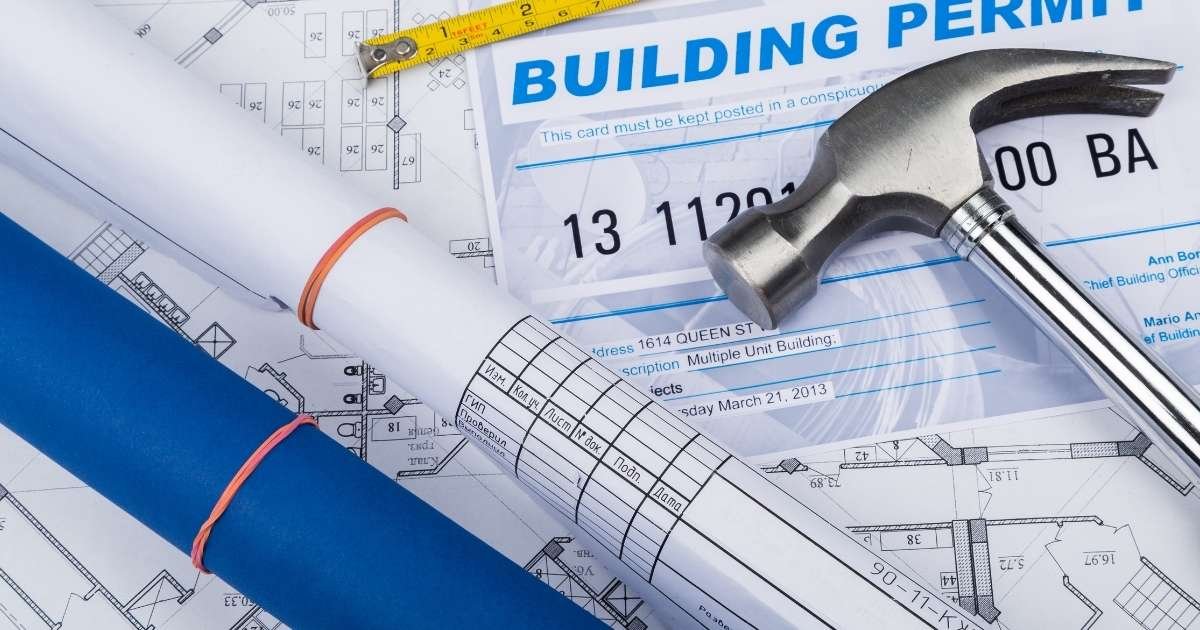
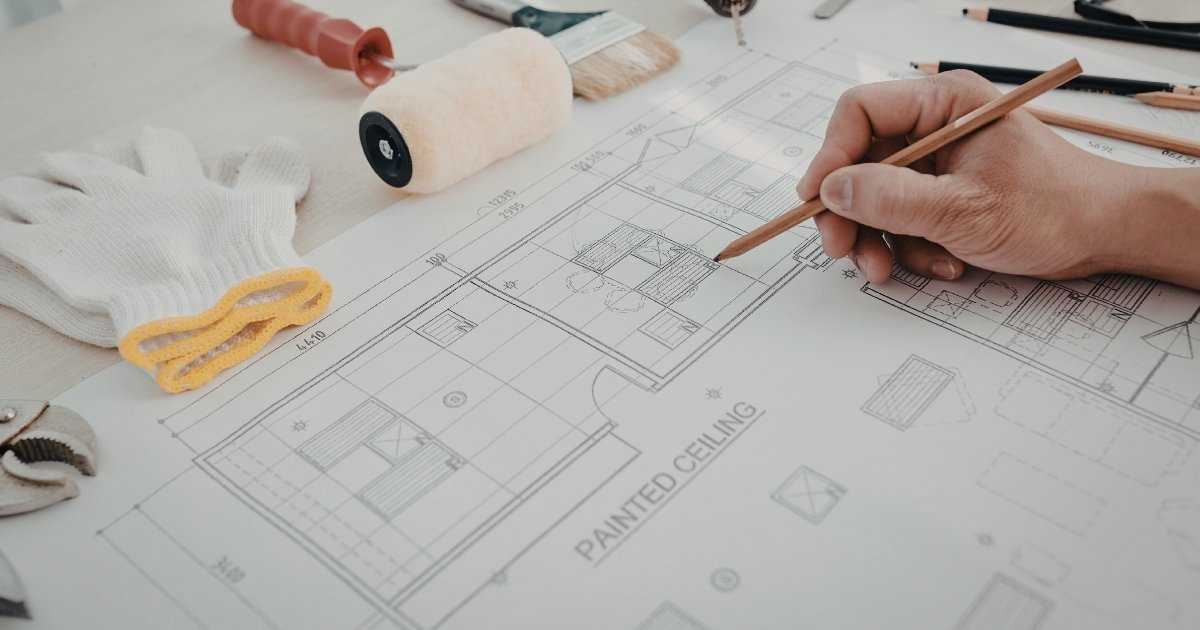
Consult your local building department to understand the applicable codes and regulations. You will need to secure permits before starting any significant construction or renovation. This involves submitting detailed plans and undergoing inspections both during and after the work to ensure compliance.
Proper permitting legalizes your renovation while guaranteeing the correct installation of structural, electrical, and plumbing systems.
Safety measures
Safety is crucial in designing any living space, especially basements, which present unique challenges. Install adequate egress windows to provide safe exits during emergencies; these windows must be large enough for an adult to exit easily and positioned at an accessible height.
Proper ventilation is also critical to prevent dampness and mold, which are common in basement environments. High-quality ventilation systems maintain air quality and prevent moisture buildup.
Moreover, installing smoke detectors and carbon monoxide detectors is mandatory, enhancing safety by providing timely alerts in case of fire or gas leaks.
Partner with CCS of Utah for your basement transformation
For homeowners looking to navigate the complex process of creating a basement rental with ease, partner with CCS of Utah.
Our experienced team is adept at handling every aspect of basement renovations, from initial design concepts to detailed execution that meets all local building codes. We ensure that your project exceeds your expectations while it complies with all regulatory requirements, guaranteeing a safe, stylish, and functional living space.
Trust CCS of Utah to transform your basement into a thriving rental space that tenants will love and serve as a valuable asset for years to come.
Get a quote or contact CCS of Utah today and take the first step toward maximizing your home’s potential with a professionally remodeled basement that stands out in the competitive rental market.