We are here to provide you with essential knowledge and tools to navigate the basement remodel cost-effectively. From understanding cost factors to optimizing your investment, we’ll help you through every planning phase to transform your basement into a beloved and functional part of your home for years to come.
A well-executed basement remodeling project dramatically expands your living space and boosts your home’s value. Whether you envision a vibrant playroom for the kids, a sleek new home office, or a cozy den for movie nights, remodeling your basement unlocks many possibilities.
Basics of basement remodeling
Many homeowners’ primary motivation for a basement remodeling project is the need for more living space as families grow and needs change. Homeowners often add bathrooms to boost functionality and value, design home theaters for an immersive entertainment experience, or create guest rooms that offer comfort and privacy without upending daily life.
These upgrades make your home more enjoyable and adaptable to various needs, ensuring your newly remodeled basement is inviting and practical.
Setting the stage for your basement remodel
Define the project scope
Start your basement remodel with a clear definition of the project scope. What is your vision for the space? Whether adding an extra bedroom, a home gym, or a versatile family room, knowing the intended purpose helps you identify essential features such as soundproofing for a home theater, moisture-resistant bathroom materials, or durable gym flooring.
Identify must-have features
Detail the key elements that will bring your vision to life, like built-in storage, specific lighting, or custom cabinetry. A comprehensive list of these features aids contractors in providing accurate quotes and helps avoid costly mid-project adjustments.
Research local building codes and permits
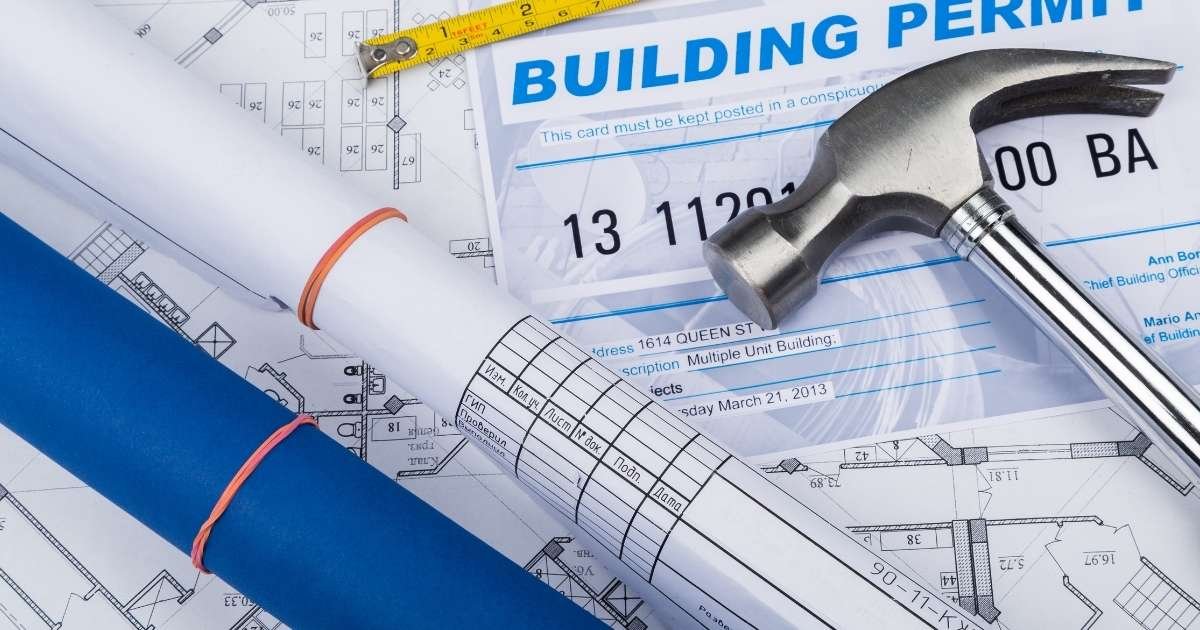
A crucial step is understanding the local building codes and necessary permits, especially for structural changes or electrical and plumbing work. Familiarize yourself with your municipality’s regulations to prevent any legal issues that could delay your project. Consulting your local building department’s website or scheduling a meeting to discuss your project is often invaluable.
The quoting process: What to expect
The quoting process begins with a professional inspection to identify critical factors like moisture levels and structural integrity. During this initial visit, contractors assess the feasibility of your vision to ensure all planned changes meet safety and building standards. These evaluations are essential for uncovering potential challenges before construction starts, protecting both your home and your investment.
Expect to discuss your specific goals, material preferences, and budget constraints to help the contractor define the project’s scope. Many professionals offer tiered service options, ranging from basic finishes to high-end custom designs, to better align with your financial requirements. Understanding these variables allows you to compare bids confidently and select a partner who truly matches your aesthetic and functional needs.
Understanding your basement remodel quote
Understanding each part of the quote is important to ensure transparency and fairness in pricing. Here’s a concise guide on the typical components of a basement remodel quote and tips on how to read and compare these quotes effectively.
Components of a basement remodel quote
Labor
This usually forms the largest portion of the quote, covering the cost of physical work performed by contractors and their teams. Labor costs vary based on the project’s complexity and the level of skill required.
Materials
Materials costs fluctuate depending on quality, availability, and whether they are standard or custom; the cost usually includes all necessary materials, from basic construction supplies to finishing elements like flooring and paint.
Design fees
This cost is applicable if your project requires the services of an architect or interior designer, reflecting the complexity and uniqueness of your design.
Permits and fees
These cover necessary permits for electrical, plumbing, or structural work as required by local regulations.
Miscellaneous costs
This may include expenses for dumpster rentals, debris removal, or other unforeseen costs related to making parts of your home usable during the remodel.
Tips on how to read and compare quotes
- Ensure comprehensive breakdowns: Verify that each quote provides a clear breakdown of costs. This clarity helps you understand what you’re paying for and aids in comparing different contractors.
- Check for completeness: Make sure the quote covers all project aspects. If elements seem missing, ask the contractor for clarification to avoid unexpected costs later.
- Compare effectively: Look at how different quotes stack up in terms of labor, materials, and additional fees. This helps you gauge where your money is going and assess the value provided by each contractor.
- Assess overall value: Don’t simply settle for the lowest bid; consider the overall value, including the contractor’s reputation, material quality, and the proposed timeline.
- Clarify terms and conditions: Understand the terms of each quote, including payment schedules and procedures for handling unforeseen changes or overages.
By comprehensively understanding and meticulously comparing quotes, you will choose a contractor who meets your budget but also aligns with your vision, ensuring the success of your basement remodel.
Budgeting for your basement remodel
Start by defining the scope of your project — determine what you need versus what you desire. Gather multiple quotes from contractors to get a clear picture of potential costs. Break down your budget to include all expected expenses, such as materials, labor, design, and permits.
Always include an additional 10-20% of your total budget for unforeseen expenses. Unexpected issues like structural surprises, outdated wiring, or moisture problems may arise, and a contingency fund prevents these from derailing your project.
Exploring financing options
For significant projects, consider various financing methods:
Home equity loans
These often offer lower interest rates and let you borrow against the equity in your home.
Refinancing
If favorable, refinancing your home may lower monthly payments while providing funds for your remodel.
Personal loans and lines of credit
These are viable for those without sufficient home equity, with varying rates and terms.
Credit cards
These are useful for smaller updates or quick repayments, especially cards with rewards or introductory 0% APR, but they generally carry higher interest rates.
Review your budget regularly as the project progresses. Track all expenditures, compare them against your estimates, and adjust your spending as necessary. Maintain open communication with your contractor about the financial status of your project.
Cost-saving tips for basement remodeling
Remodeling your basement offers an excellent opportunity to enhance your space without overspending. Here are effective strategies to achieve high-quality results while keeping costs down:
Choose cost-effective materials
Opt for materials like luxury vinyl tile (LVT) or laminate countertops, which offer durability and style at a fraction of the cost of more luxurious materials. For example, LVT provides the look of wood or stone and is ideal for moisture-prone basements.
Embrace DIY projects
To save on labor costs, take on manageable tasks such as painting or installing trim. Leave more complex tasks like plumbing or electrical work to the professionals like CCS of Utah.
Repurpose and recycle
Consider repurposing fixtures from other parts of your home or buying second-hand. You can also refresh old cabinets with new paint and hardware for an updated look at minimal cost.
Phase your remodel
If the budget is tight, phase your remodel. Start with essential upgrades like electrical and plumbing, and gradually move to cosmetic changes as finances allow.
Shop around for contractors
Always get multiple bids to ensure you’re getting the best value. Understand what each quote includes to accurately compare and avoid hidden costs.
Implement energy-efficient upgrades
Invest in energy-efficient upgrades such as insulation and efficient lighting. These reduce long-term utility costs and are worth the initial investment.
Long-term considerations and ROI
Understanding the potential return on investment (ROI) and broader benefits will help you align your renovation with your financial and lifestyle goals.
The ROI from basement remodeling varies greatly based on the type and quality of the renovation. Generally, versatile living spaces like additional bedrooms or family rooms offer higher returns due to their broad appeal. Incorporating a bathroom also increases your home’s value and attracts potential buyers.
While more niche features like home theaters and custom bars target a specific market, they still provide a solid ROI if they appeal to luxury home buyers, setting your property apart in competitive markets. The most lucrative returns often come from creating separate living units with private entrances, which also provide rental income if local regulations permit.
Considering these aspects ensures that your basement remodel is an investment that pays dividends in both financial returns and enhanced living experiences, contributing significantly to your home’s appeal and your satisfaction as a homeowner.
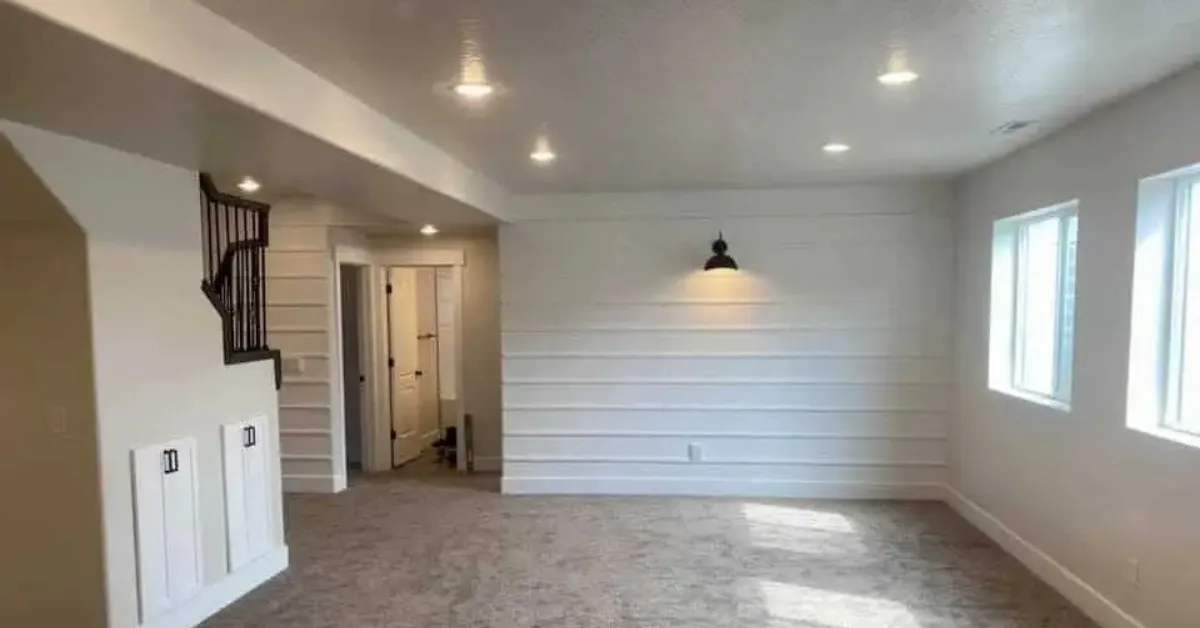
Bringing your basement remodel to life with CCS of Utah
Whether you aim to add functional living space, design a cozy retreat, or boost your property’s marketability, understanding every step — from obtaining quotes to setting a budget and assessing long-term ROI — is essential for success.
Get a quote and partner with CCS of Utah as you move forward with your remodeling plans. With our strong commitment to quality, customization, and client satisfaction, CCS of Utah is dedicated to transforming your basement into the space you’ve always envisioned. Our team of seasoned professionals will collaborate closely with you to ensure every aspect of the remodel meets your expectations.
Contact CCS of Utah today, and take the first step toward transforming your basement into a vibrant, functional part of your home. Together, we will tailor a remodeled basement that perfectly fits your lifestyle and budget.