Before moving furniture in or hanging drywall, homeowners have to understand the basement egress window requirements.
It is mandatory to have egress windows. The construction code requires them for safety. During a fire or other emergency, first responders can enter through these windows, which also serve as an emergency escape path. You risk a failed inspection, delays, and costly repairs if your window doesn’t meet code. Everything you need to know to satisfy local requirements and pass inspection the first time is explained in this guide.
What Are Basement Egress Window Requirements?
The purpose of basement egress windows is to facilitate emergency rescue and escape. Any basement bedroom is required to include at least one emergency escape and rescue entrance in accordance with the permitted residential construction standards of Utah.
Basement window size requirements guarantee:
- There is enough room to climb out of the window
- No tools are needed to open it from the inside
- It gives emergency personnel or firefighters immediate access
These regulations are a part of the larger residential home egress window code. They are carefully enforced during inspections and protect your family.
Minimum Size And Clearance Standards
Size is one of the most crucial aspects of basement egress window size Utah.
The following are the general minimum requirements:
- 5.7 square feet is the minimum net clear opening (5.0 square feet if the window is at ground level)
- 24 inches is the minimum opening height
- 20 inches is the minimum opening width
- 44 inches is the maximum sill height from the finished floor
Not just the glass size, but the actual area that is accessible when the window is fully open is referred to as the “net clear opening.”
The window won’t pass inspection if its bottom is too high off the ground. The idea is to make sure an adult or child can get out fast without having to scale high obstacles.
Maintaining compliance basement bedroom window code keeps your remodel safe for your family.
Window Well Requirements For Below-Grade Basements
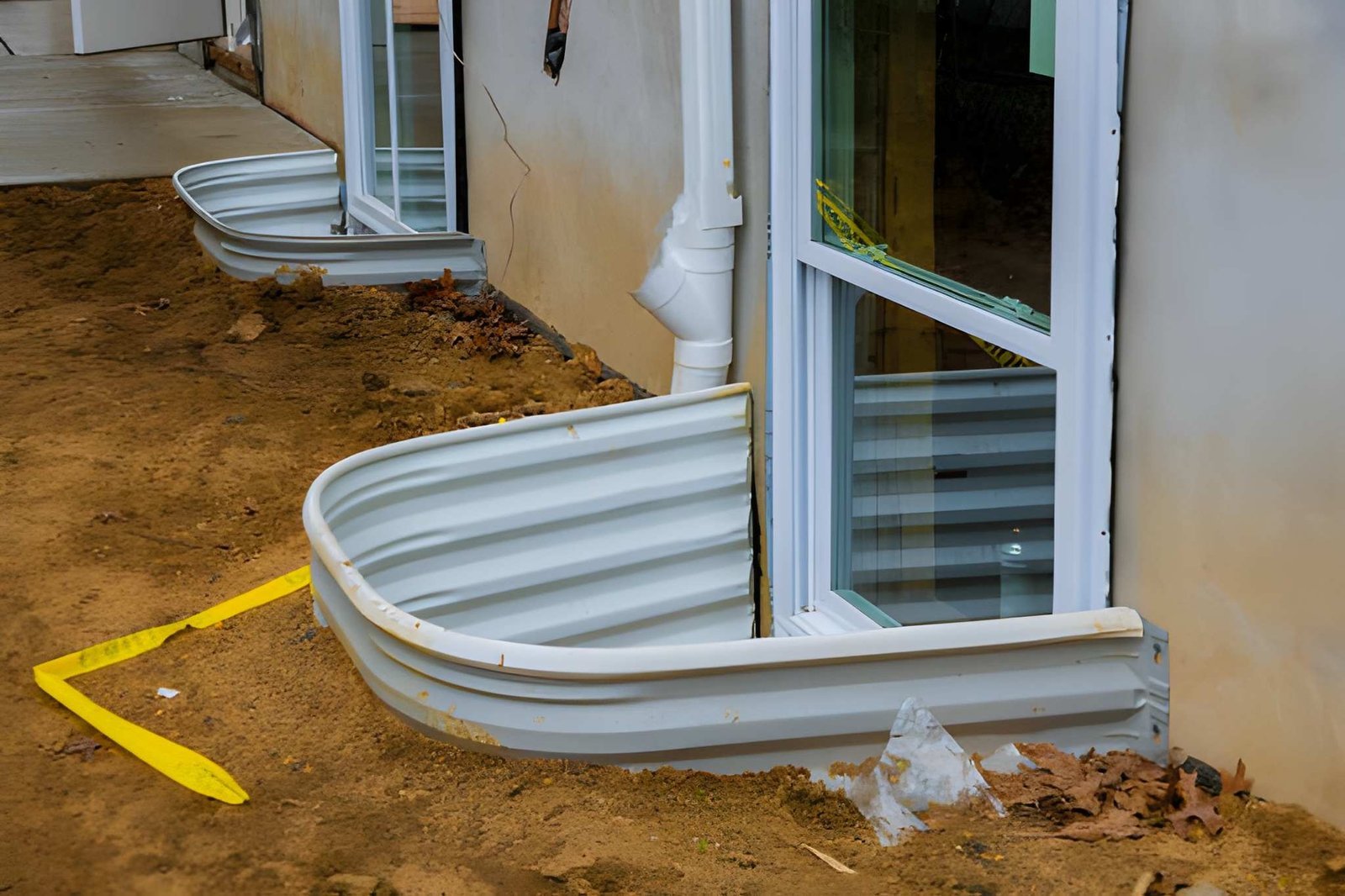
You will also want a window well if your basement window is below ground level. Indeed, there are also particular basement window well requirements.
Minimum Window Well Standards
- Minimum Area: 9 square feet
- Minimum Horizontal Projection: 36 inches
- Minimum Width: Must let full window opening
Steps or a permanently fixed ladder are needed if the window well is deeper than 44 inches. The ladder must not hinder the window opening.
Drainage is also very important. Basement flooding, foundation damage, and failed inspections can all result from improper drainage. Inspectors won’t ignore this detail, but many homeowners do while going over the basement egress window requirements.
When Are Egress Windows Required?
Not all basement windows have to adhere to basement bedroom egress requirement. But in some circumstances, they are required.
You need egress windows for:
- Bedrooms in basements
- Finished sleeping quarters in the basement
- Making a habitable space out of storage
- Legal basement rental units
There are no exceptions to the South Jordan building code if you’re installing a bedroom.
If it has a closet, inspectors may consider it a bedroom even if you name it a “office” or “flex room.” Sticking to the code from the start is always safer.
Glass, Operation, And Accessibility Standards
It is not just about size. It should have an operable egress window.
Operational Requirements
- Needs to be opened from the inside without the use of keys or tools
- Needs to stay operational without manual assistance
- Not too much force must be used
For this reason, choosing the appropriate window style is important. Basement windows frequently function well because they maximize the amount of unobstructed space by opening completely outward.
Certain situations may call for safety or tempered glass, particularly in proximity to stairwells or walkways. Before installing, always double-check the specs.
Your window will be safe and functional if it meets the emergency escape window code.
Building Code Requirements In South Jordan, Utah
South Jordan homes are constructed in accordance with Utah’s established residential construction requirements. Permits are needed before digging into your foundation, and the city’s building department handles local inspections.
Before you start egress window installation, you usually need:
- A basement remodeling permit
- Authorized building blueprints
- Inspection after installation
Ignoring the permit process may result in penalties or issues when you sell your house. Lenders and buyers frequently verify whether basement bedrooms are permitted by law.
It is possible to prevent expensive setbacks by being aware of local standards for basement egress window.
Common Egress Window Code Violations
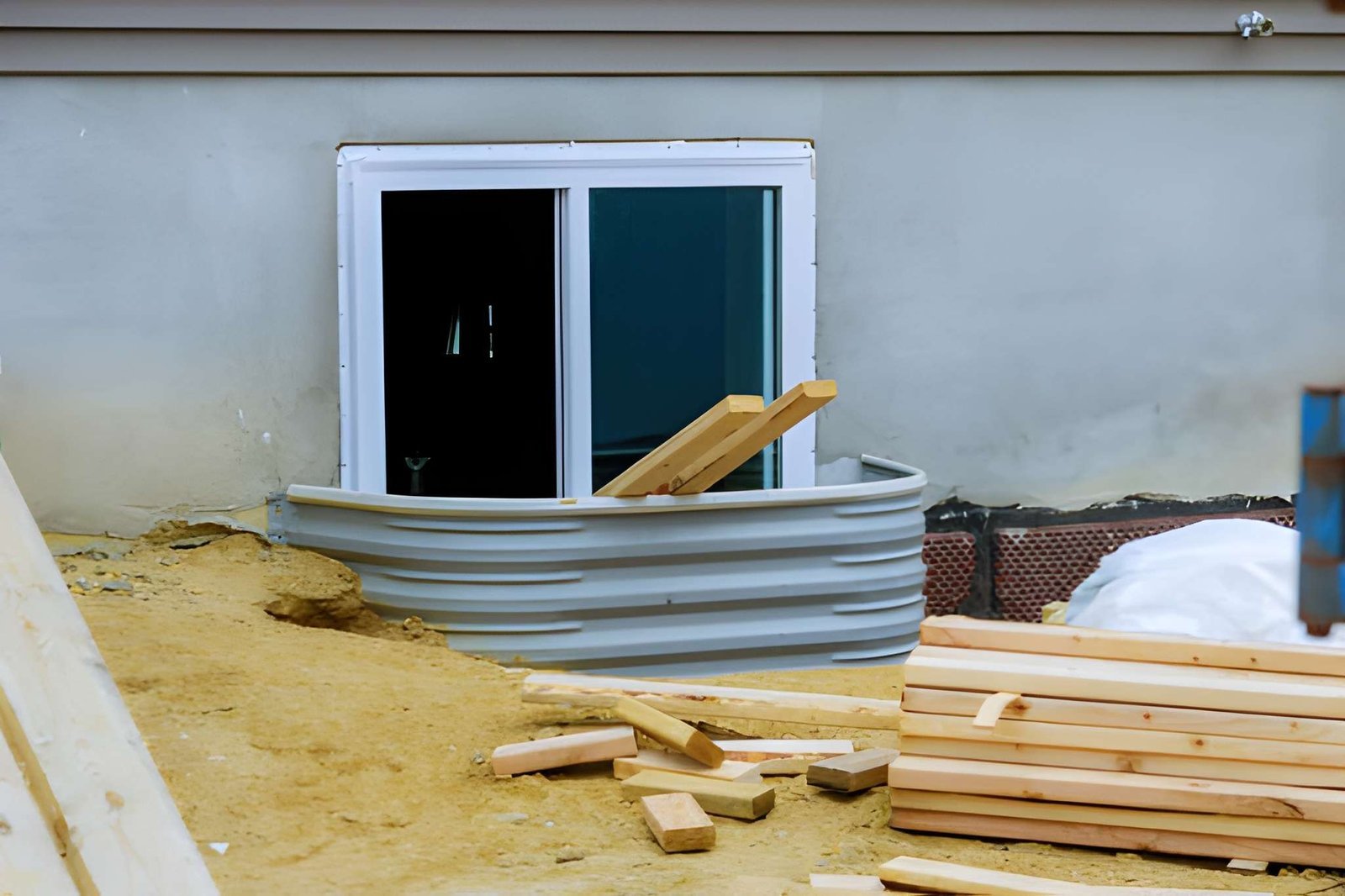
When it comes to basement window installation, even skilled do-it-yourselfers make mistakes. The following are typical egress window violations that inspectors identify:
1. Incorrect Opening Size
The most common violation is not having a clear aperture that is at least 5.7 square feet.
2. Window Sill Too High
The window won’t pass inspection if its bottom is higher than 44 inches from the ground.
3. Improper Window Well Dimensions
Shallow or too-small wells don’t meet clearance standards.
4. No Ladder in Deep Wells
If a ladder is not installed and the depth is greater than 44 inches, the window is not in compliance.
5. Poor Drainage
If water builds up in the well, it may fail inspection and cause structural damage.
Ignoring the basement egress window requirements may lead to costly adjustments and a failed basement inspection.
Why Hiring A Professional Matters
Egress window installation South Jordan is more just changing the glass. Usually, it includes:
- Making a cut in your foundation wall
- Structural reinforcement
- Excavation for window wells
- Appropriate waterproofing
- Drainage installation
Long-term foundation problems, leaks, or cracks could result from a single mistake.
A qualified basement contractor like CCS of Utah in South Jordan guarantees structural integrity, knows the basement egress window requirements, and helps you pass the first inspection.
Even while doing it yourself might seem less expensive at first, correcting mistakes frequently costs more than hiring a professional installer.
FAQs About Basement Egress Window Requirements
1. What are the basement egress window requirements in Utah?
Windows in basement bedrooms need to meet certain minimum sizes, heights, and functionality requirements. It must have a sill no higher than 44 inches from the floor and offer a minimum of 5.7 square feet of unobstructed opening.
2. How big does a basement egress window need to be?
It needs to be at least 20 inches wide, 24 inches tall, and have a net clear opening of 5.7 square feet. The open area itself is measured here, not the glass’s size.
3. Are egress windows required in all finished basements?
No. Basement bedrooms and any other area used for sleeping must have them. All finished basements are safer when added.
4. Do I need a permit to install an egress window in South Jordan?
Yes. Before and after installation, a building permit and inspection are usually needed.
5. Can I install an egress window myself?
Although it is feasible, it is not advised unless you have prior construction and structural expertise. Leaks, foundation damage, and unsuccessful inspections may result from mistakes.
“Need help installing a code-compliant egress window? Work with experienced basement remodeling professionals who understand local requirements and can deliver inspection-ready results.”