
Understanding the basement egress window requirements Lehi Utah homeowners must follow is essential before finishing or converting any basement space into a bedroom or habitable room. These requirements are not optional design preferences—they are life-safety building codes enforced during permitting and inspection.
Egress windows serve two critical purposes: they provide a safe emergency exit during fires or disasters, and they allow first responders to enter the space if needed. Because basements are below grade and more difficult to escape from, these rules are strictly enforced under the International Residential Code (IRC) and adopted by Utah municipalities, including Lehi City.
This guide breaks down the exact code requirements, window well rules, permit process, and basement installation considerations so you can plan a compliant, inspection-ready basement project.
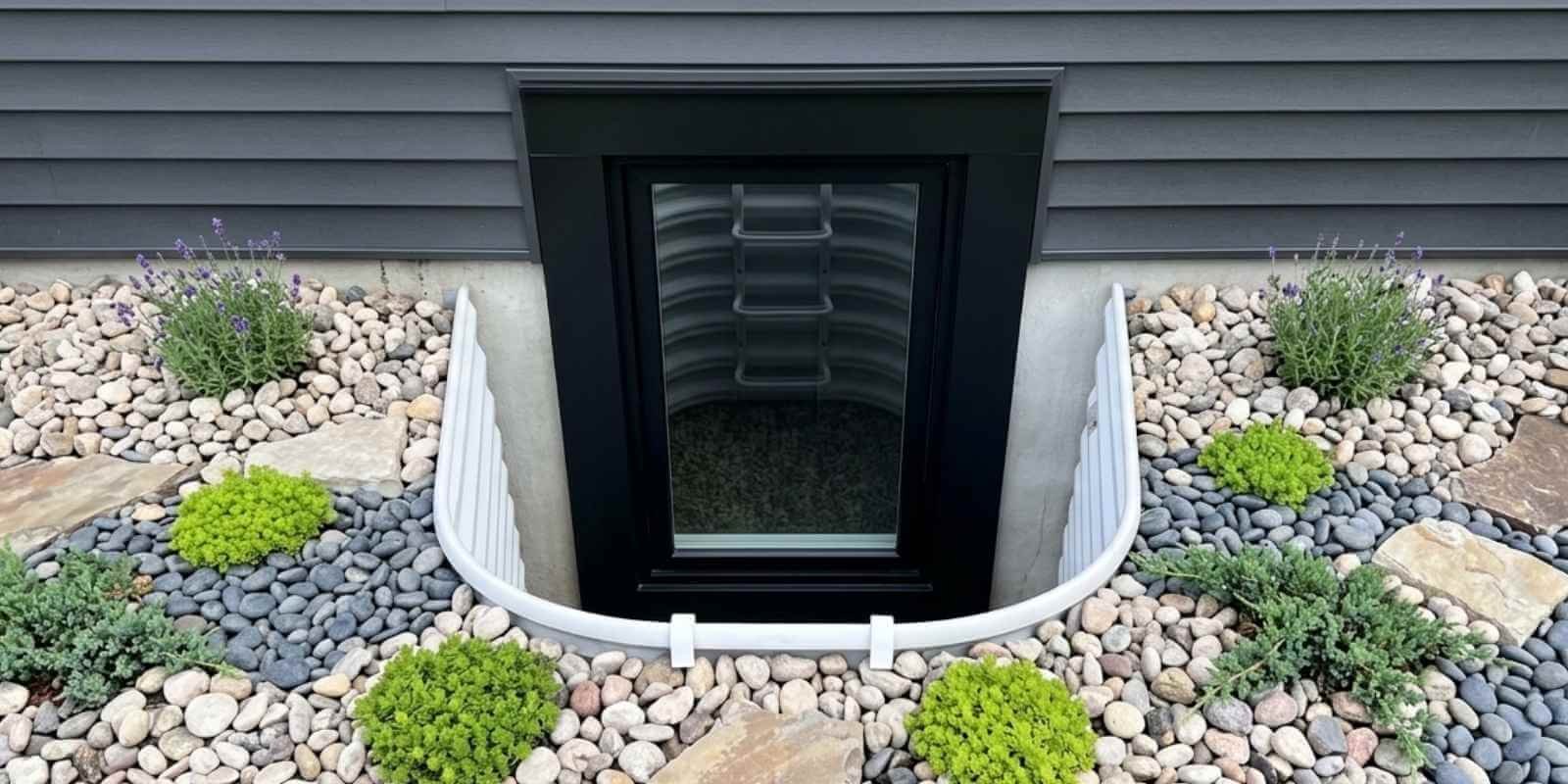
What Is a Basement Egress Window?
A basement egress window is a code-mandated emergency exit opening required in all below-grade habitable rooms, such as bedrooms and finished living spaces.
Unlike standard basement windows, an egress window must meet strict minimum dimensions that allow a person to exit without tools or assistance. It must also allow emergency personnel to enter with full gear.
Rooms that require egress windows
- Basement bedrooms or sleeping areas
- Finished basement living rooms or recreation spaces
- Home offices classified as habitable space
Rooms that typically do NOT require egress
- Mechanical or utility rooms
- Storage-only areas
- Laundry rooms not used as living space
Failure to include a compliant egress window can result in failed inspections, insurance complications, and legal issues during home resale.
Basement Egress Window Requirements Lehi Utah (Code Standards)
In Lehi, basement egress window requirements follow the IRC 2021 standards, which define the minimum safety dimensions for any below-grade emergency exit window.
The key rule is simple: all minimum requirements must be met at the same time—not just one.
Egress Window Minimum Code Requirements
| REQUIREMENT | MINIMUM STANDARD |
| Net clear opening area | 5.7 square feet (5.0 sq ft if at grade level basement exception does not apply in most cases) |
| Minimum opening width | 20 inches |
| Minimum opening height | 24 inches |
| Maximum sill height from finished floor | 44 inches |
These measurements apply to the net clear opening, not the overall window size.
A window may look large enough but still fail inspection if the frame or sash reduces the actual escape opening below code minimums.
Net Clear Opening vs Rough Opening (Critical Difference)
One of the most common reasons homeowners fail inspection is misunderstanding window sizing terminology.
- Rough opening: The structural opening cut into the foundation wall
- Net clear opening: The actual usable escape space when the window is fully open
A window that appears large in marketing specifications may still fail if its hardware reduces usable exit space.
Before purchasing any window:
- Always request net clear opening specifications from the manufacturer
- Confirm dimensions with the contractor while the window is fully open
- Never rely solely on glass size or frame measurements
This step alone prevents most sizing-related inspection failures in Lehi basements.
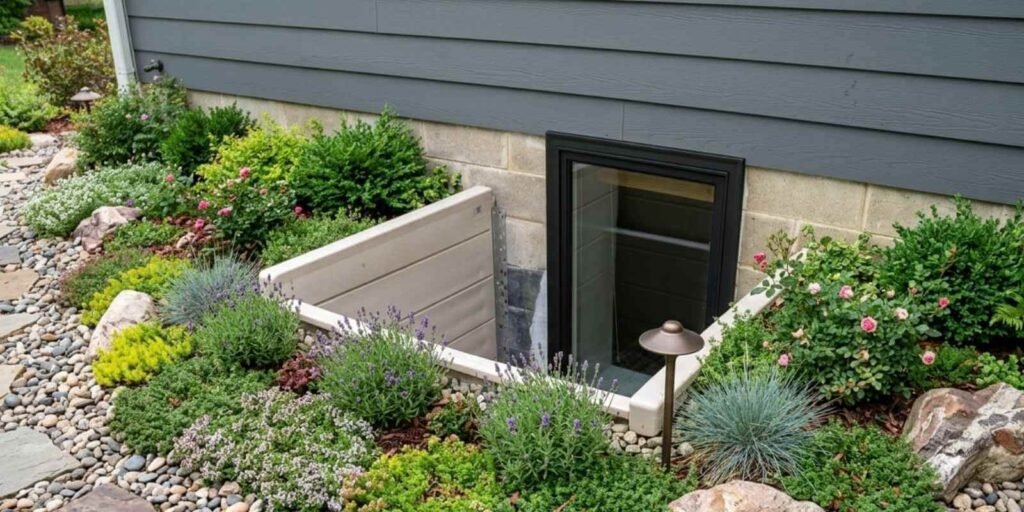
Window Well Requirements in Lehi, Utah
If your basement window is below ground level, a window well system is required to provide both light access and emergency escape clearance.
Window wells are regulated separately from the window itself and must meet strict structural and safety standards.
Window Well Code Requirements
| REQUIREMENT | STANDARD |
| Minimum projection from wall | At least 9 inches clear space |
| Minimum usable width | Must allow full window operation and exit clearance |
| Drainage requirement | Gravel base required for water control |
| Ladder or steps | Required if depth exceeds 44 inches |
| Emergency cover | Must open from inside without tools and support load requirements |
Common Window Well Failures in Lehi Inspections
Many inspection failures are not caused by the window itself but by poorly built window wells. The most frequent issues include:
- Insufficient width preventing full window opening
- Missing gravel drainage leading to water intrusion
- Improper or missing escape ladder in deep wells
- Covers that lock or cannot open from inside
- Inadequate clearance between soil and window frame
Proper installation at the beginning prevents costly excavation and reconstruction later.
Permits for Basement Egress Windows in Lehi Utah
Any project involving cutting or enlarging a foundation wall requires a building permit in Lehi. This is not optional.
Because structural integrity and life safety are involved, the city enforces strict review and inspection procedures.
When a permit is required
- Cutting a new window opening in concrete or block foundation walls
- Enlarging an existing basement window
- Installing a new window well system tied to structural modification
Permit and Inspection Process
Below is the standard process followed in Lehi City for basement egress window projects:
| STEP | PROCESS | TIMELINE |
| 1 | Contractor prepares drawings and window specifications | 1 day |
| 2 | Permit submission to Lehi City Building Services | 1–2 days |
| 3 | City plan review and approval | 3–10 business days |
| 4 | Installation scheduled after approval | Varies |
| 5 | Final inspection completed | Within 1 week after installation |
Most licensed contractors such as CCS of Utah handle this entire process, including documentation and inspection coordination.
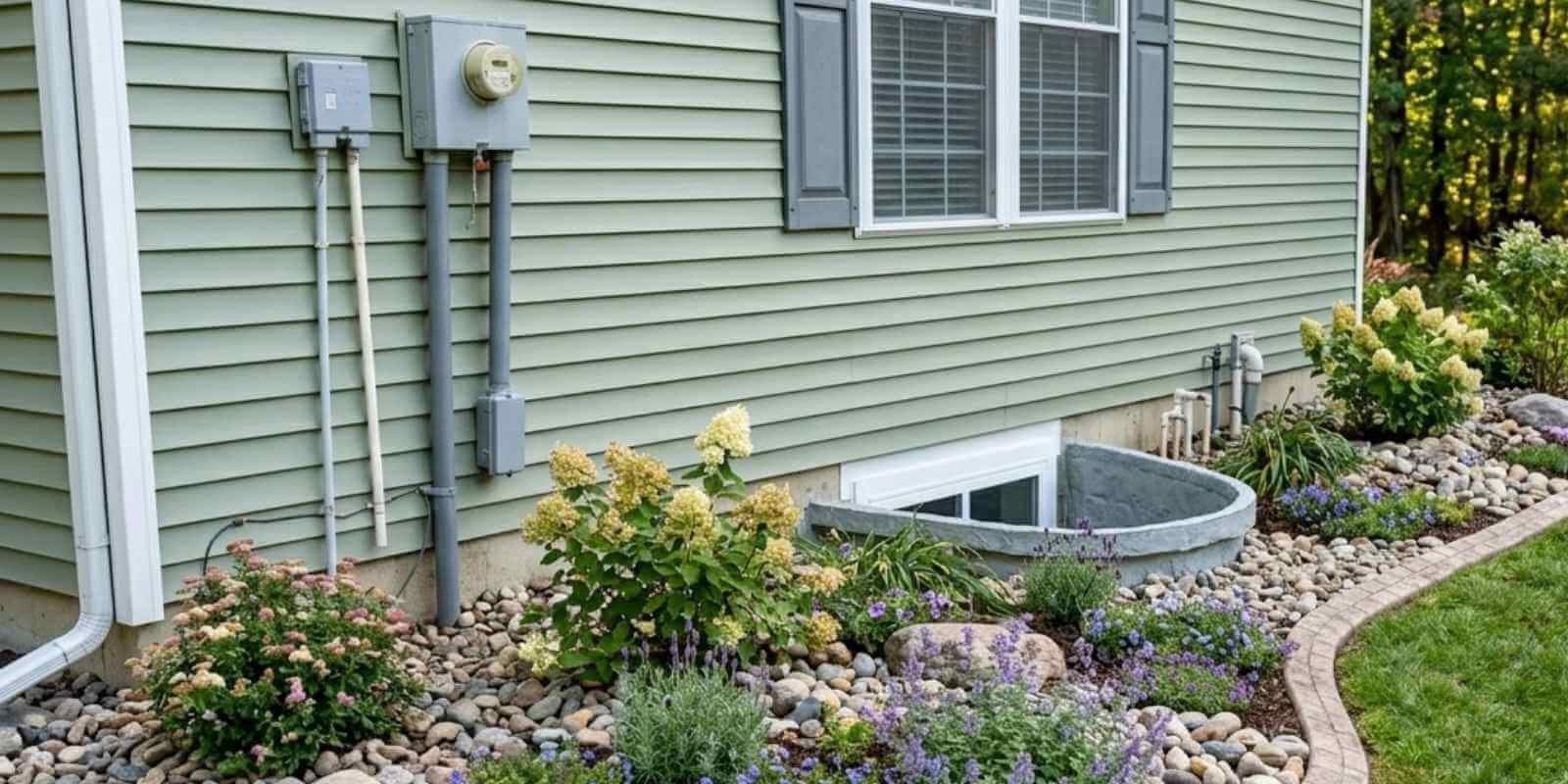
What Inspectors Check During Final Approval
During inspection, Lehi City officials verify that the installation meets full compliance with basement egress window requirements in Lehi Utah code enforcement standards, including:
- Correct net clear opening size (5.7 sq ft minimum)
- Proper sill height (no more than 44 inches)
- Structural header installed above new opening
- Approved window well dimensions and drainage system
- Correct flashing and waterproofing
- Ladder or steps installed if required
Any deviation from these requirements can result in a failed inspection and mandatory corrections.
Types of Egress Windows That Meet Code
Choosing the right window style is important for both compliance and functionality.
- Casement windows: Best compliance option; fully opens outward for maximum escape area
- Sliding windows: Can qualify, but only one panel counts toward escape area
- Single-hung windows: Requires larger overall unit; only lower sash counts
- Double-hung windows: Limited compliance efficiency; only partial opening counts
Casement windows are generally the most reliable choice for basement egress applications in Lehi due to their full opening capability and strong sealing performance in Utah’s climate.
Cost of Installing a Basement Egress Window in Lehi Utah
Installation costs vary depending on foundation type, excavation complexity, and window configuration. Most homeowners in Lehi can expect the following range:
- Typical total cost: $2,500 – $5,500+
Here is a clear breakdown of cost components:
- Window unit: $300 – $800
- Foundation cutting and structural work: $500 – $1,200
- Window well installation: $400 – $900
- Waterproofing and sealing: $200 – $600
- Labor and finishing: $800 – $1,500
- Permit fees: $100 – $300
Key cost factors include soil conditions, foundation type, window size, and drainage requirements. Older homes or rocky soil conditions may significantly increase excavation costs.
DIY vs Licensed Contractor Installation
While some homeowners consider DIY installation, basement egress windows involve structural modification and waterproofing systems that require professional expertise.
Key risks of DIY installation
- Structural foundation damage from improper cutting or support
- Water intrusion due to incorrect sealing or drainage
- Failed inspections due to non-compliant measurements
- Full liability for injuries or property damage
Advantages of hiring a licensed contractor
- Proper structural shoring and engineered header installation
- Code-compliant waterproofing and drainage systems
- Permit handling and inspection coordination
- Warranty coverage on labor and materials
- Higher inspection pass rates on first submission
In most cases, professional installation is the safer and more cost-effective long-term solution.
How to Start Your Egress Window Project in Lehi
A properly executed installation follows a structured process:
- On-site evaluation of foundation and basement layout
- Detailed quote including labor, materials, and permitting
- Permit submission to Lehi City
- Installation and structural modification
- Window well and drainage system installation
- Final inspection approval
Before signing a contract, always confirm:
- Utah contractor licensing and insurance
- Permit handling responsibilities
- Warranty coverage details
- Prior egress window experience in Lehi
Final Thoughts
Understanding basement egress window requirements Lehi Utah is essential for any homeowner planning to finish a basement safely and legally. These requirements are not arbitrary—they are designed to ensure life safety, structural integrity, and compliance with Utah building codes.
Proper planning, correct window selection, and professional installation ensure your basement project passes inspection the first time and adds long-term value to your home.
If you’re moving forward with a basement remodel, working with a qualified local contractor is the most reliable way to ensure full code compliance from permit to final inspection.
For inquiries or to get started, contact us today to schedule a consultation.