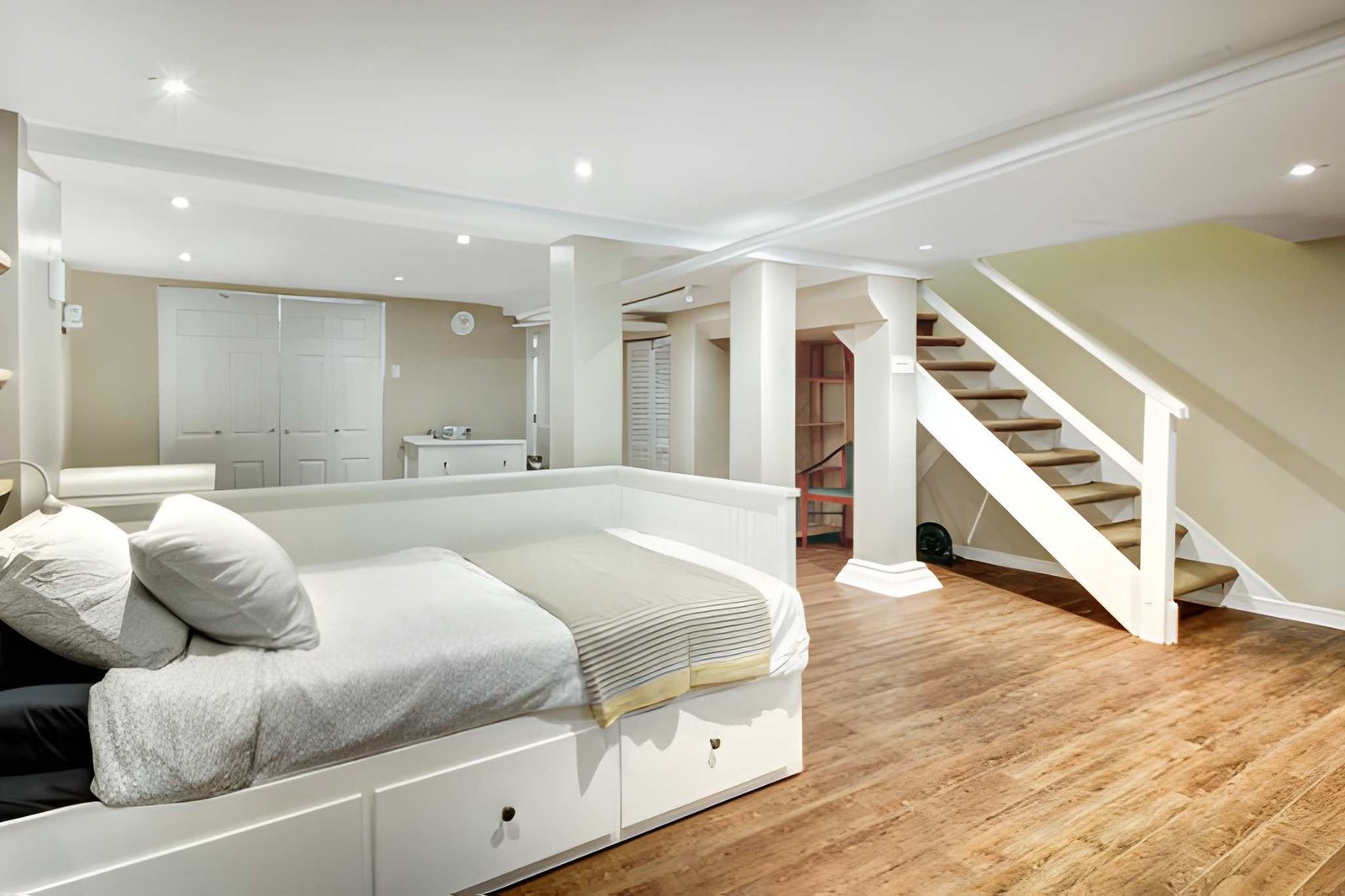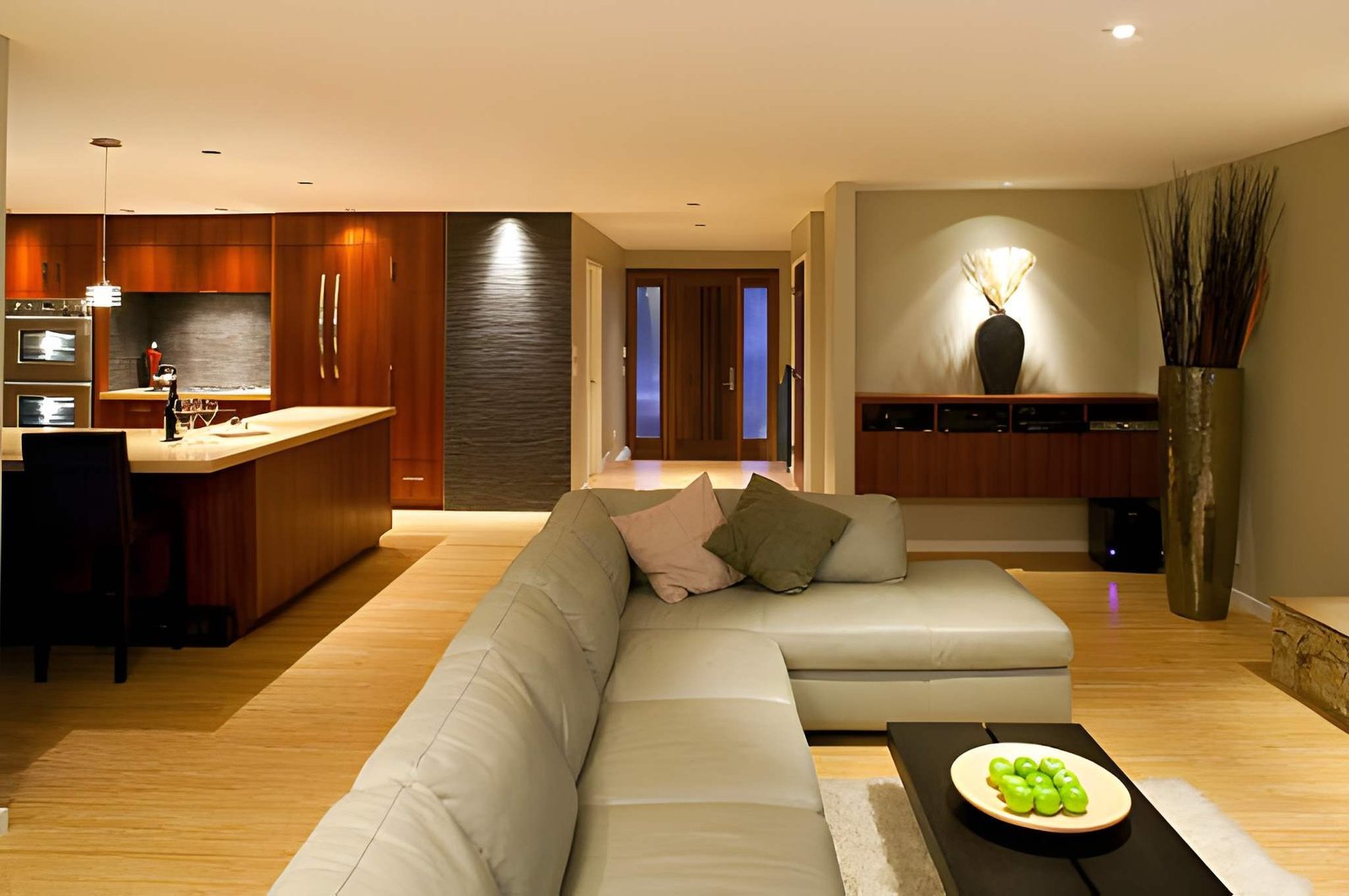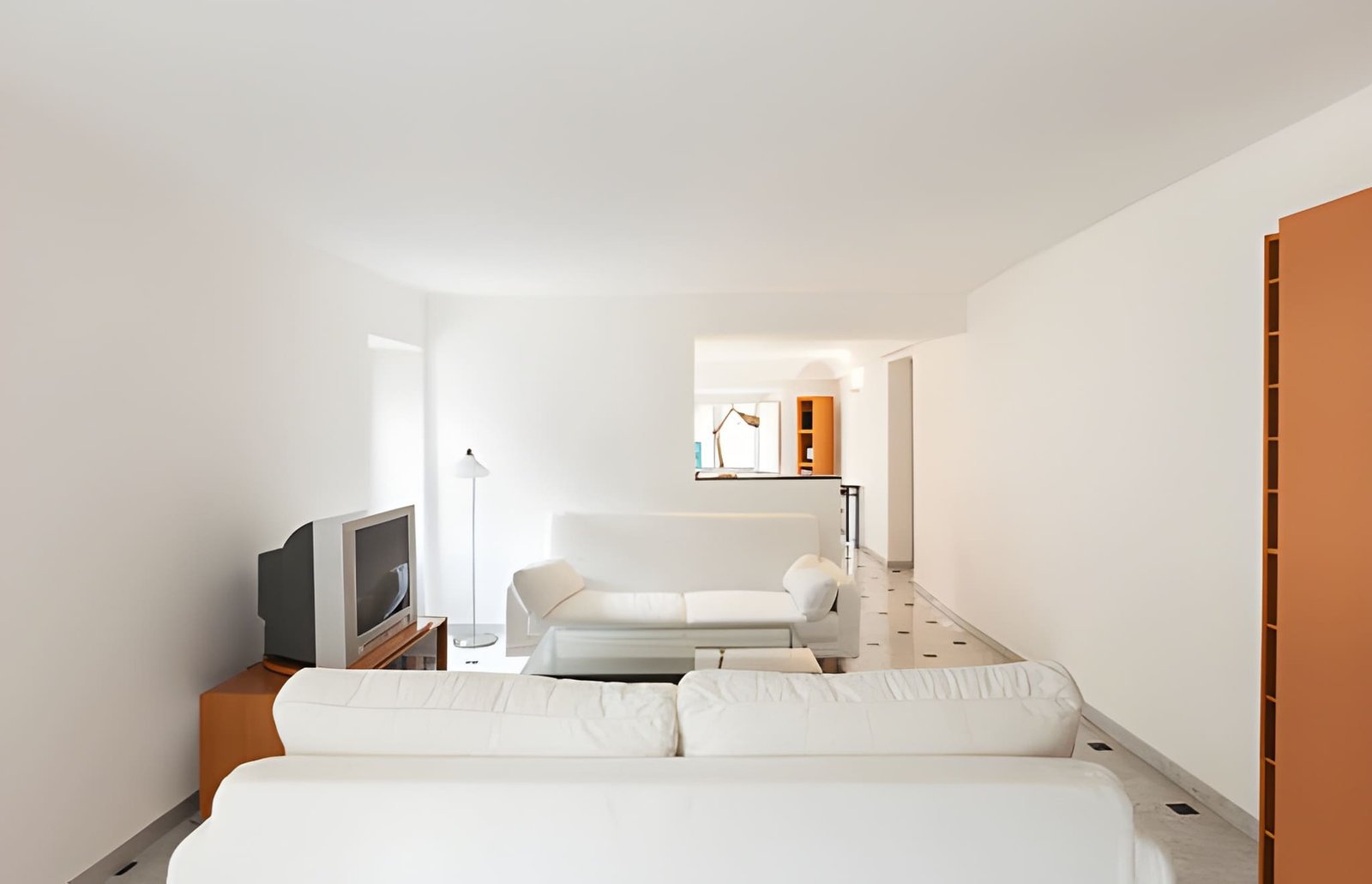
Are you looking to expand your living space, add a new bedroom, or build the ultimate entertainment hub? Basement remodeling is one of the smartest ways to maximize your property’s value and footprint without changing your home’s footprint.
If you own a home in Draper, Utah, you are likely wondering what it costs, what the city requires, and how the local permitting process works. Here is a comprehensive breakdown of everything you need to know about remodeling your basement in Draper.
Key Takeaways
- Most Draper homeowners spend $35,000–$60,000 to finish a basement in 2026.
- The typical cost ranges from $30–$80 per square foot, depending on your choice of finish level and specialized features.
- Adding a bathroom is the single biggest cost driver, adding $8,000–$18,000 to your total project investment.
- Utah law requires egress windows in any basement bedroom. Each one costs $3,000–$7,500 to cut and install.
- Radon testing is strongly recommended before framing. A mitigation system costs $800–$1,500 if elevated levels are found.
- Permits are strictly required for all basement finishes in Draper, and applications must be submitted digitally via the Draper City Online Services Portal with unlocked PDF files.
2026 Basement Remodeling Cost Overview for Draper
In 2026, the typical cost to finish a basement in Draper ranges between $30 and $80 per square foot, with most homeowners spending an average of $35,000 to $60,000 for a full transformation.
Your actual investment will depend heavily on the size of your basement, the complexity of your layout, and the tier of finishes you select.
Here is what homeowners are spending in 2026:
| FINISH LEVEL | COST PER SQ FT | TYPICAL TOTAL (1,000 SQ.FT.) | WHAT IS INCLUDED |
|---|---|---|---|
| Basic Finish | $30–$40 | $30,000–$40,000 | Framing, drywall, paint, carpet, and standard lighting. |
| Mid-Range Finish | $40–$55 | $40,000–$55,000 | Upgraded flooring (LVP), recessed lighting, one full bathroom, and a bedroom. |
| High-End Finish | $55–$80+ | $55,000–$80,000+ | Custom layout, full bath, wet bar, built-ins, or home theater space. |
| ADU or Rental Suite | $70–$110+ | $70,000–$110,000+ | Full kitchen, bathroom, separate entrance, rental-ready finishes. |
These ranges include labor, materials, and permits. They do not include furniture or appliances.
The most common Draper basement project is a mid-range finish. It typically includes an open living area, one full bathroom, and one or two bedrooms. Most of these projects come in between $40,000 and $60,000 for a 1,000–1,200 square foot basement.
What Makes Basement Remodeling Different in Draper
National cost guides are built on averages from across the country. Utah has several factors that push costs above those numbers. Understanding them helps you budget more accurately.
Tight Labor Market
Located at the southern crest of the Salt Lake Valley and bridging the fast-growing “Silicon Slopes” corridor, Draper faces a severe shortage of skilled trades that leaves top local contractors booked three to six months out and drives labor rates well above the national average. You may reach out to CCS of Utah through the contact page.
Expansive Soil and Geologic Hazards
Much of the local land along the Wasatch Bench contains complex soils and slopes that require close attention. Depending on your neighborhood’s proximity to mountain slopes, Draper City may require a thorough structural review or foundation inspection for movement and moisture before framing begins.
Radon
The Salt Lake Valley features naturally elevated levels of odorless radon gas, making a $800–$1,500 mitigation system a vital health safety measure to install before closing up the walls.
Utah Building Code Requirements
Utah Building Code Requirements Compliance with statewide codes adds to the upfront budget by mandating 7-foot minimum ceilings, proper thermal insulation, interconnected safety alarms, and code-compliant egress windows costing $3,000–$7,500 each for any basement bedroom.
Room-by-Room Cost Breakdown
When building out your layout, certain features add more specialized labor and structural demands than others.
Open Living Area or Rec Room
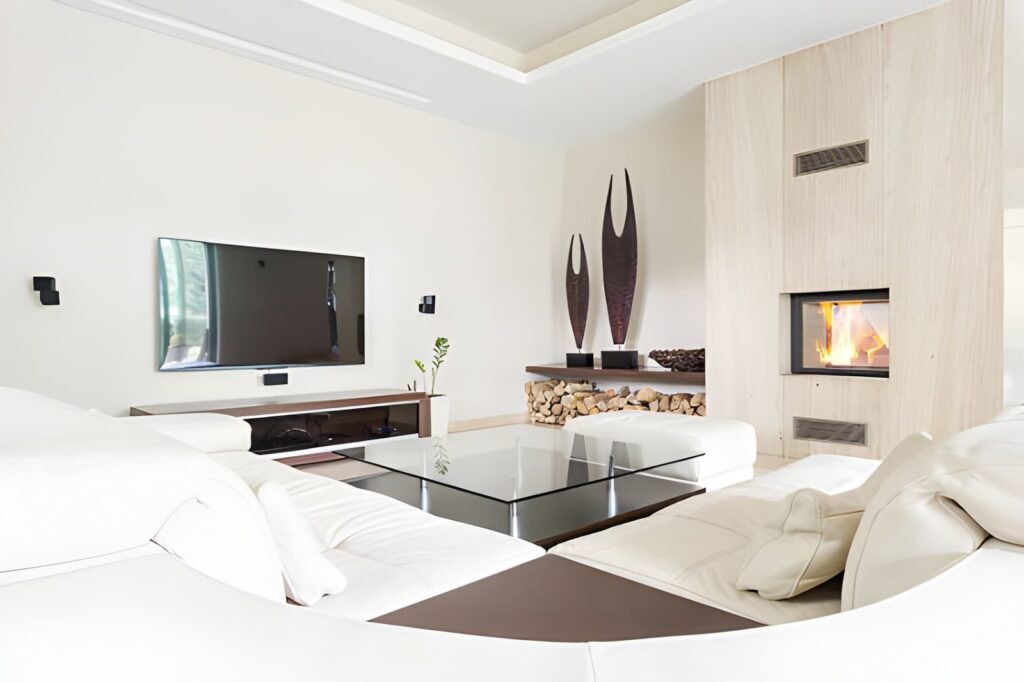
A standard 600 sq. ft. open space with simple flooring and lighting is the most economical way to gain usable space.
Basement Bedroom
Beyond standard framing, drywall, and closets, Utah law dictates that any room classified as a bedroom must include a code-compliant egress window. Installing a new egress window through concrete foundations typically costs $3,000 to $7,500 on its own.
Basement Bathroom
If your Draper home already includes rough-in plumbing, a new bathroom will fall on the lower end of this scale. If a contractor has to cut into the concrete slab to run new drains, expect to add $2,000 to $5,000 to the cost.
Home Office
A dedicated home office is one of the most popular basement additions in Draper right now. The space does not require a bedroom egress window unless you plan to use it as a sleeping room. A finished office with proper lighting, outlets, and built-in shelving typically costs $10,000–$20,000 depending on size and features.
Home Theater
A home theater involves more electrical work than a standard room. You need outlets for equipment, wiring for speakers, extra lighting zones, and sometimes soundproofing in the walls. Most Draper homeowners spend $15,000–$35,000 on a dedicated theater room, depending on how much built-in equipment they include.
Wet Bar or Kitchenette
Adding a wet bar with a sink, mini fridge, and countertop runs $5,000–$15,000. A full kitchenette with a stove and cabinets costs more and may require additional permits. If you are building a rental suite, a full kitchen adds $15,000–$30,000 to the project depending on the finish level you choose.
Gym or Workout Room
A home gym is one of the simpler basement additions. Most gyms use rubber flooring, basic lighting, and mirrors. There is no plumbing involved unless you add a bathroom. A dedicated gym space typically costs $8,000–$18,000 depending on size and finishes.
What Affects Your Final Price In Draper
Several factors influence your final price, and each one plays a key role in determining the total basement remodeling cost in Draper, Utah for your project.
Basement Size
The bigger the space, the more everything costs. Materials and labor scale directly with square footage. Most Draper homes have basements between 800 and 1,500 square feet. A 1,000 square foot mid-range finish costs roughly $40,000–$55,000. The same finish in a 1,400 square foot basement runs $56,000–$77,000.
Ceiling Height
Utah building code requires a minimum finished ceiling height of 7 feet. While many newer developments in Draper feature generous 9-foot foundation walls, older homes with low clearances might require costly floor-lowering or structural modifications ($15,000–$40,000).
Existing Rough-In Plumbing
Many newer Draper homes were built with rough-in plumbing stubbed out in the basement. This means the drain lines are already in place and ready for a bathroom. If your home has rough-in, adding a bathroom is significantly cheaper because the concrete cutting has already been done. If your home does not have rough-in, expect to pay $2,000–$5,000 more for a new bathroom installation.
Flooring Choice
Flooring is one of the biggest visual decisions in your basement and one of the biggest cost variables.
- Carpet: $3–$7 per square foot installed. Affordable and comfortable for bedrooms and living areas.
- Luxury vinyl plank (LVP): $5–$10 per square foot installed. Looks like hardwood, handles moisture well. The most popular choice in Utah basements right now.
- Tile: $10–$20 per square foot installed. Best for bathrooms and laundry areas.
- Hardwood or engineered hardwood: $10–$20 per square foot installed. Beautiful but requires careful moisture management in a basement.
Ceiling Type
You have two main choices for your basement ceiling. A drop ceiling uses removable tiles hung on a grid system. It costs $3–$5 per square foot and gives easy access to pipes and wires above. A drywall ceiling costs $6–$9 per square foot and looks cleaner. It takes more work to access plumbing or electrical behind it later.
Lighting
Basements rely entirely on artificial light. Good lighting planning makes a finished basement feel bright and welcoming instead of dark and low. Recessed canned lights are the most popular option. A full lighting plan with recessed fixtures, dimmers, and electrical work typically adds $1,000–$3,000 to a project.
Prior Unpermitted Work
This is one of the most common surprise costs in Draper basements. Some homes were partially finished by a previous owner without permits. When you hire a licensed contractor like CCS of Utah to complete or remodel that work, they are required to bring everything up to current code. That may mean tearing out walls or rewiring electrical work that was done incorrectly. Always ask your contractor to look for unpermitted work during the initial walkthrough.
Draper Specific Considerations
ADU and Rental Income Potential
Draper allows Accessory Dwelling Units (ADUs)—specifically Internal ADUs (I-ADUs) like basement apartments—in standard residential zones. A finished basement apartment with a separate entrance, full kitchen, and bathroom can generate $1,400–$2,000 per month in rental income in this hot market. For many homeowners, that rental income pays back the remodeling cost within five to eight years.
Building a legal rental unit requires a specific Draper City ADU permit, and your property must meet compliance criteria (such as minimum lot sizes and parking rules). The total cost for an ADU-ready basement typically runs $70,000–$110,000 or more. Learn more about basement apartment and ADU requirements in Draper, UT.
Home Value Increase
Finished basements typically return 65–75% of their cost in added home value in Utah. In a competitive market like Draper where buyers expect high-quality finished basements, an unfinished basement can actually hurt your sale price compared to similar homes. A well-done basement finish not only adds value, it removes a major objection for buyers.
Growing Family Space
Draper is a incredibly family-dense city in Utah. Large homes with multiple bedrooms are the norm, not the exception. Remodeling the basement is the most cost-efficient way to add bedrooms, a playroom, or a homework room without building an addition above grade. The cost per square foot for remodeling a basement is far lower than building a standard home addition. Learn more about home addition costs in Draper, UT.
Permits and Building Code Requirements
Every basement remodeling project in Draper requires a building permit. Trying to skip this step is a serious mistake. Unpermitted work can cause problems when you sell your home, may void your homeowner’s insurance in certain claims, and will need to be torn out and redone if discovered by city inspectors.
For a standard 800–1,000 square foot basement finish with a bathroom and basic electrical, the total permit package in Draper typically costs $900–$1,500. This includes the plan review fee and all required inspections.
Draper City conducts all building department business entirely via its online portal. When submitting plans, all digital files must be unlocked to allow commenting by city plans examiners; otherwise, they will be returned immediately without review.
Your project will likely need three to four inspections. These happen at the framing stage, the rough electrical and plumbing stage, the insulation stage, and the final completion stage. To receive a certificate of completion, your basement must meet all current Draper standards.
Your contractor should pull all permits under their own license. If they ask you to pull the permits yourself, that is a red flag. A licensed Utah contractor handles this as part of their standard service. Learn more about Draper building permits and inspection requirements.
Radon: A Utah-Specific Priority
Radon is the second leading cause of lung cancer in the United States. The Salt Lake Valley, including Draper, has documented elevated radon levels in many benchside homes. The EPA recommends action if radon levels measure 4.0 picocuries per liter or higher.
Test your basement before you start any remodeling work. Test kits cost $10–$25 at hardware stores. If your levels are elevated, install a radon mitigation system before the walls go up. The system typically runs $800–$1,500 installed. It is far cheaper to install before remodeling than to cut open finished walls and floors later. Most reputable Draper contractors will either test for radon or strongly recommend you do so before the project begins.
How to Save Money on a Basement Remodel in Draper
If you want to reduce your basement remodeling cost in Draper, Utah, planning ahead and making smart material choices can significantly lower your overall expenses.
Have a Clear Plan Before You Get Quotes
The clearest way to control costs is to know what you want before anyone starts drawing plans. Homeowners who change their minds mid-project often end up paying 20–40% more than their original estimate. Decide on the rooms, the bathroom, and the finish level before you sign a contract. Get a free estimate now.
Prioritize the Bathroom Rough-In
If your home does not already have rough-in plumbing, do that work during your basement finish rather than coming back for it later. Adding a bathroom during a second remodel, after the walls are up, is significantly more expensive than doing it the first time.
Choose Mid-Range Finishes
Luxury vinyl plank flooring delivers the look of hardwood at roughly half the cost. A drop ceiling saves $1,000–$3,000 compared to drywall on most projects. Builder-grade light fixtures work perfectly well and can always be swapped out later. Spending extra on these luxury items does not meaningfully raise your immediate home value.
Get at Least Three Written Quotes
Prices vary considerably between contractors in the Draper area. Get at least three detailed, written estimates. Each should itemize labor, materials, permit costs, and what is and is not included. A very low quote almost always means something critical was left out. Ask each contractor specifically whether permits, radon testing, and egress windows are included in their number.
Set Aside a Contingency Budget
Plan for surprises. Experienced contractors in Utah recommend budgeting an extra 15–20% above your estimate. Common surprises include mold behind walls, damaged framing, outdated electrical panels that need upgrading, and structural or soil issues discovered during initial construction phases.
Look Into Financing
Many Draper remodeling contractors offer financing options. A home equity line of credit, or HELOC, is often the most cost-effective way to fund a basement project. Interest rates are typically lower than those for personal loans, and interest may be tax-deductible. Talk to your lender before you start getting estimates so you know exactly how much you have to work with.
Finishing vs. Remodeling: What Is the Difference?
These two terms come up often, and they are not the same thing.
Finishing a basement means turning an unfinished concrete and framing space into a fully livable area. This is what most Draper homeowners are doing with a new basement project.
Remodeling a basement means changing or updating a space that is already finished. If your basement was finished 15–20 years ago and now feels dated, you may want to remodel it. Remodeling typically costs less than a full finish because the walls and plumbing are already in place. Updating a finished basement usually costs $15,000–$40,000, depending on what needs to be changed.
How to Choose a Basement Remodeling Contractor in Draper
Verify Their Utah License
All contractors working in Utah must hold a current license through the Utah Division of Professional Licensing (DOPL). You can verify any contractor’s license at the DOPL website in a few minutes. Do not hire anyone who cannot provide their license number.
Check for Basement-Specific Experience
General contractors do not all have the same skill set. Look for a contractor with a clear track record of basement remodeling projects in Salt Lake County. Ask for photos of past work and references from recent projects. Call those references and ask specifically about timeline, budget accuracy, and communication.
Confirm They Pull Permits
Ask directly: do you pull all required permits for this project? Any reputable contractor will say yes without hesitation. If they suggest skipping permits to save money, walk away. The short-term savings are not worth the long-term liability.
Ask About Radon and Moisture
A contractor who does not mention radon or soil conditions in the initial conversation may lack sufficient local knowledge for your project. Both are significant concerns in Draper’s foothills. Your contractor should address how they handle both before you sign anything.
Review the Contract Carefully
Your contract should spell out exactly what is included: framing, electrical, plumbing, flooring type, ceiling type, lighting plan, bathroom fixtures, egress windows if needed, permit costs, and the project timeline. Vague contracts lead to disputes and unexpected costs later. Learn more about how to hire a remodeling contractor in Draper, UT.
Frequently Asked Questions
How long does a basement remodel take in Draper?
Most basement remodeling projects take 6–12 weeks from permit approval to final inspection. Simpler open-plan projects can be done in 4–6 weeks. Projects with multiple rooms, a bathroom, and special features can take 12–16 weeks. Portal permit processing in Draper adds several business days to a few weeks before work begins.
Do I need a permit to finish my basement in Draper?
Yes. Almost all basement remodeling work requires permits in Draper. This includes framing, electrical, plumbing, and egress window installation. Your contractor should manage this digital process on your behalf.
What is an egress window, and do I need one?
An egress window is a full-size window that allows someone to escape from a room in an emergency. Utah law requires one in every basement bedroom. The window opening must be at least 5.7 square feet, at least 24 inches tall, and at least 20 inches wide. The window sill cannot be more than 44 inches from the floor. Installation costs $3,000–$7,500 per window and requires cutting into your foundation.
Should I test for radon before remodeling my basement?
Yes. Radon is a real health concern in the Salt Lake Valley. Test before you start. If levels are elevated, install a mitigation system before the walls go up. It costs $800–$1,500 and is far easier to do before the space is finished.
Will a finished basement increase my home’s value?
Yes. Finished basements in Utah typically return 65–75% of their cost in added home value. In Draper’s competitive real estate market, most buyers expect a finished basement. An unfinished basement can actually lower your home’s appeal compared to similar homes on the market.
How do I know if my basement has rough-in plumbing?
Look at the concrete floor. If you see a capped pipe or two coming out near the floor surface, those are your rough-in drain lines. Most newer Draper homes were built with rough-ins. If your home does not have them, your contractor will need to cut the concrete floor to run new drain lines.
Can I use my finished basement as a rental unit?
Yes, if it meets Draper’s Internal ADU (I-ADU) requirements. This includes obtaining an ADU permit, a separate entrance, a full kitchen, a bathroom, egress windows in any sleeping rooms, and compliance with all active city building codes. A legal basement apartment can generate $1,400–$2,000 per month in rent in this market.
What is the most popular basement layout in South Jordan?
The most common layout includes an open living or rec room, one or two bedrooms, a full bathroom, and some dedicated storage space. Many homeowners also add a home office or workout room. The open rec room plus one bathroom is the most common starting point for families in this area.
Why are some basement remodeling quotes so much lower than others?
Lower quotes almost always reflect missing items. Common things left out of low quotes include permit fees, radon testing, egress windows, a contingency for unexpected repairs, and warranty coverage. Always ask each contractor to walk you through exactly what their quote includes before you compare the total numbers.