Is having a kitchen in the basement a good idea? What exactly are the benefits that come with a basement kitchenette? In this article, we will explore why basement kitchens are all the rage right now and why you should have one.
Building a kitchen in your basement has become the main focus in many top home remodeling magazines and TV shows. There are plenty of homeowners that are wondering why basement kitchenettes are such a hot commodity. If you are amidst a home renovation or remodel, consider adding some pizazz to your basement by installing a kitchen.
Here are ten reasons why people have basement kitchens:
- Additional Living Space – A basement kitchen can provide extra living space for a growing family or entertaining guests.
- Increased Property Value – A basement kitchen can add value to a home and make it more attractive to potential buyers.
- Separation of Living Areas – A basement kitchen can provide a separate area for cooking and eating, keeping the main living areas free from cooking odors and noise.
- Multi-Functional – A basement kitchen can include other functions such as a home office, lounge area, or workout space.
- In-Law or Guest Suite – A basement kitchen can create an in-law or guest suite for visiting family or friends.
- Independent Living Space – A basement kitchen can create a separate living space for older children or elderly family members.
- Cost-Effective – Building a kitchen in the basement can be more cost-effective than building an addition to the main living space.
- Privacy – A basement kitchen can provide privacy to cook and eat without disturbing the rest of the household.
- Natural Light – A kitchen can be designed to make the space more inviting and open if the basement has a natural light source.
- Renting the Space – If you intend to rent your basement or use it as an Airbnb, a kitchen is a wise investment.
But that’s not all. A basement kitchen is your chance to showcase your originality:
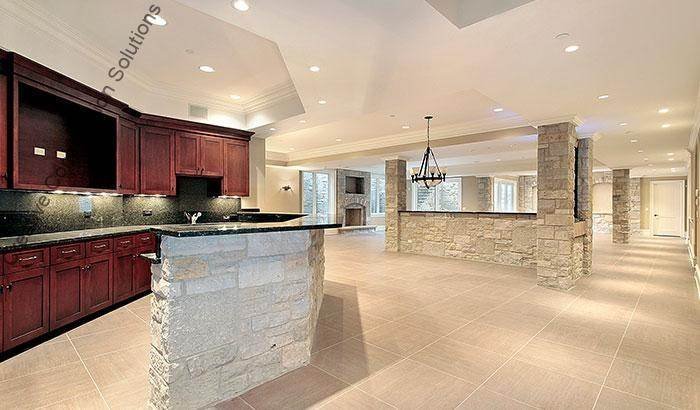
If you are starting from scratch, the design possibilities are endless. You can tinker with the design, which may not have been possible when your main kitchen was constructed. This is your chance to pick your favorite colors and design styles that complement the surrounding rooms — this is your chance to let your personality shine.
You may be more interested in keeping up with the current design trends found in many home design magazines. For example, some of the existing basement kitchen trends include:
- Open-Concept Floor Plans – This allows for better flow and natural light, making the space feel more connected to the rest of the home.
- Industrial Elements – Exposed ductwork, concrete floors, and metal finishes are becoming increasingly popular in basement kitchen designs.
- Smart Home Technology – Many homeowners are incorporating smart appliances, lighting, and thermostats into their basement kitchens for added convenience and efficiency.
- Unique Lighting Fixtures – Pendant lights, chandeliers, and under-cabinet lighting add elegance and personality to the space.
- Multi-Functional Spaces – Many homeowners are designing basement kitchens with a home office, lounge area, or workout space.
- Natural Materials – Using natural materials such as wood, stone, and marble is incorporated to add warmth and texture to the space.
- Lighting – The incorporation of natural light and creative lighting solutions, such as LED strip lighting, are being used to enhance the overall ambiance of the space.
- Storage Solutions – Maximizing storage space through custom cabinetry and organization solutions, such as pull-out pantry shelves, is a common trend.
- Basement Bars – Many homeowners choose to include a bar area or second sink in their basement kitchens.
Installing a kitchen in your basement is like any other home renovation project; you can make mistakes. However, if you are aware of them, you can avoid them.
Some of the most common mistakes made include:
Not considering the plumbing and electrical work – Basements often have unique plumbing and electrical challenges, so it’s important to work with a professional to ensure that all necessary work is done correctly.
Not using moisture-resistant materials – Basements are prone to moisture, so it’s crucial to use moisture-resistant materials such as tile or laminate flooring and sealed cabinetry.
Ignoring the need for proper ventilation – Without adequate ventilation, moisture and odors can build up in the kitchen, causing damage and making it uncomfortable to use.
Skimping on lighting – Basements often have limited natural light, so it’s important to incorporate plenty of artificial light to make the space feel bright and inviting.
Not considering the overall design – It’s important to consider how the kitchen will flow with the rest of the basement and how you will use it to design the space functionally and cohesively.
Not following building codes – Building codes for basement kitchens are different than for above-ground kitchens, so it’s important to check with your local building department and ensure that your design complies with all codes and regulations.
Not considering the potential resale value – While you may love your basement kitchen, it is important to consider the potential resale value of your home and the basement kitchen design and functionality to ensure that it will appeal to potential buyers in the future.
Now, for the most important thing you can do before you begin the process of adding a kitchen to your basement – hire a professional, and here’s why:
- Expertise – A professional contractor will have the necessary expertise to ensure that all electrical, plumbing, and structural work is done correctly and up to code. They will also be able to address any unique challenges that may arise in a basement environment.
- Safety – A professional contractor will have the knowledge and experience to safely perform any necessary work, such as moving load-bearing walls or running gas lines.
- Permits and Inspections – Professional contractors will be familiar with local building codes and permits and be able to obtain the necessary permits and schedule any required inspections.
- Warranty and Liability – Contractors will usually provide a warranty for their work and will be liable for any issues that may arise.
- Time and Cost Efficiency – A professional contractor will have the necessary tools, equipment, and experience to complete the work efficiently and correctly, saving time and money in the long run.
- Quality of Work – A professional contractor will have the necessary skills to ensure that the final product is high quality and meets the homeowner’s specific needs.
Call the Professionals at CCS of Utah
The only thing you have left to do to start your project is to contact CCS of Utah and get a free quote today. Our highly trained staff is ready to get your kitchen basement show on the road.