Finished basements are thoroughly inspected by home inspectors to ensure they comply with safety and building code regulations. In South Jordan, Utah, inspectors frequently check for building integrity, safe electrical systems, appropriate ventilation, and egress windows. Many homeowners finish basements to increase living space, but failing to follow inspection guidelines can result in expensive repairs or unsuccessful inspections.
Homeowners can avoid compliance issues and properly plan renovations by understanding what inspectors look for in finished basements. Understanding these essential conditions also ensures that the basement is secure, cozy, and legally authorized for residential use.
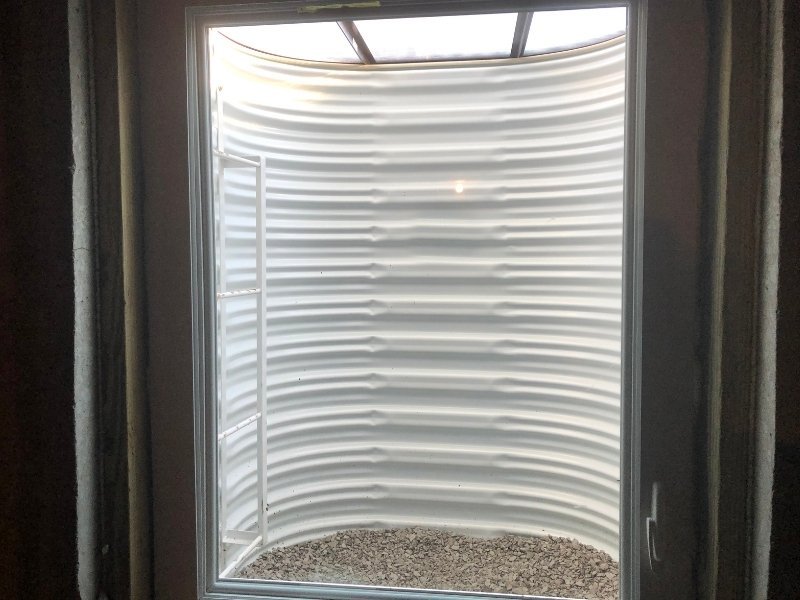
Proper Egress Windows and Emergency Exits
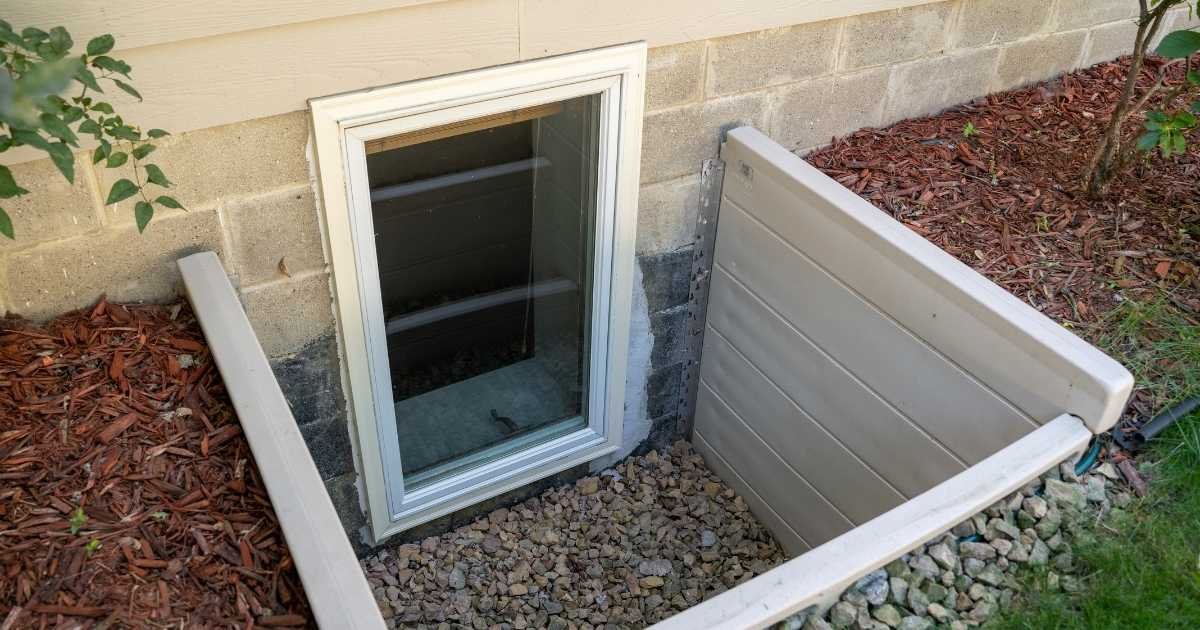
The existence of appropriate egress windows, particularly in basement bedrooms, is among the first things inspectors look for. These windows are necessary for emergency escape and safety.
Why are Egress Windows Required?
In an emergency, such as a fire, egress windows allow residents to swiftly exit. They also grant access to firefighters in the event of a rescue. A basement bedroom is not regarded as a permitted sleeping area without them.
Minimum Size and Accessibility
Inspectors confirm that windows meet the basement egress window requirements, which include:
· Minimum opening height and width
· Maximum sill height above the ground
· Simple operation without the need for keys or tools
Safety Standards
Windows must comply with the basement safety code.
· Completely open without any barriers
· Lead directly outside
· Simple to use for both adults and kids
It is essential to have an emergency exit basement that complies with regulations. This is one of the most typical problems encountered during inspections when homeowners attempt to convert basements into bedrooms.
Electrical Safety and Code Compliance
Another important consideration when assessing what inspectors look for in finished basements is the electrical systems.
Proper Outlet Spacing and Protection
Inspectors check:
· Enough space between outlets along walls
· GFCI protection in close proximity to water sources
· Switches and fittings are put correctly
Access to Electrical Panels
Your electrical panel needs to be:
· Simple to reach
· Clearly marked
· Not obstructed by furniture or walls
Capacity and Wiring Safety
Also, inspectors check:
· Insulation and wiring condition
· Circuit load capacity
· Appropriate grounding
Electrical code compliance guarantees safety and lowers the risk of fire. Unsafe configurations can be found immediately with a comprehensive basement electrical inspection. Passing inspection requires adhering to the correct electrical safety procedures.
Ceiling Height and Structural Requirements
A basement’s suitability as a living space is mostly determined by its ceiling height and structural soundness.
Minimum Ceiling Height
Most codes need at least 7 feet of ceiling height in finished areas.
To ensure comfort and safety, inspectors verify that the basement ceiling height meets requirements.
Structural Components
Improper adjustment of load-bearing elements is prohibited. Inspectors check:
· Columns and beams
· Floor joists
· Foundation walls
For long-term stability, the structural integrity of the basement must be maintained.
Drywall and Framing
Inspectors also check:
· Appropriate spacing between frames
· Secure drywall installation
· No obvious gaps or damage
A thorough framing inspection guarantees that everything is safe for regular use and constructed in accordance with the code.
Proper Ventilation and Airflow
Without enough airflow, basements might feel stuffy or damp, which is why ventilation is carefully reviewed.
HVAC Requirements
Inspectors check:
· Balanced ventilation across the area
· Proper HVAC supply vents
· Return air pathways
Preventing Humidity Issues
Poor airflow can lead to:
· Mold growth
· Strong smells
· Uncomfortable living conditions
Mechanical Ventilation
Some basements need:
· Dehumidifiers
· Exhaust fans
· Extra systems for air circulation
Comfort and fresh air are guaranteed by a well-designed basement ventilation system. Passing the inspection depends on meeting the airflow requirements. Maintaining a healthy environment is made easier by an appropriate HVAC design for basements.
Moisture Control and Waterproofing
One of the main things inspectors check for when assessing completed basements is water problems.
Signs of Water Intrusion
Inspectors look for:
· Damp smells
· Mold or mildew that is visible
· Stains on floors or walls
Drainage and Sealing
They also check:
· Exterior drainage systems
· Foundation sealing
· Sump pumps (if applicable)
Mold Prevention
It is vital to keep a basement dry. Inspections make sure:
· No signs of ongoing leaks
· Proper insulation
· Vapor barriers
Effective basement waterproofing is essential. Costly damage can be avoided with proper moisture control. Adhering to mold prevention basement rules protects property and human well-being.
Fire Safety and Smoke Detection
Any finished basement should prioritize fire safety.
Detector Placement
Inspectors check:
· Smoke detectors are placed in important areas
· There are carbon monoxide detectors
· Devices are operational and linked appropriately
Fire Blocking
A fire barrier prevents flames from spreading quickly. Inspectors check:
· Ceiling spaces
· Utility penetrations
· Wall cavities
Safety Requirements
All fire-safety basement requirements must be met in a finished basement. It is necessary to comply with the smoke detector code. Effective basement fire protection can save lives.
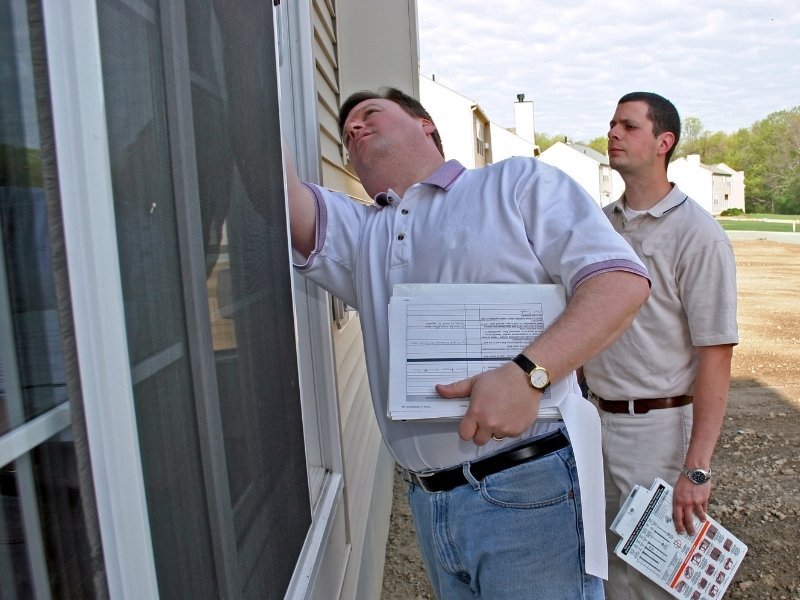
Local Inspection Standards in South Jordan
What inspectors look for in finished basements is heavily influenced by local restrictions.
Utah Building Codes
South Jordan adheres to state regulations that address:
· Electrical systems
· Fire protection
· Structural safety
These are included in the South Jordan building code standards.
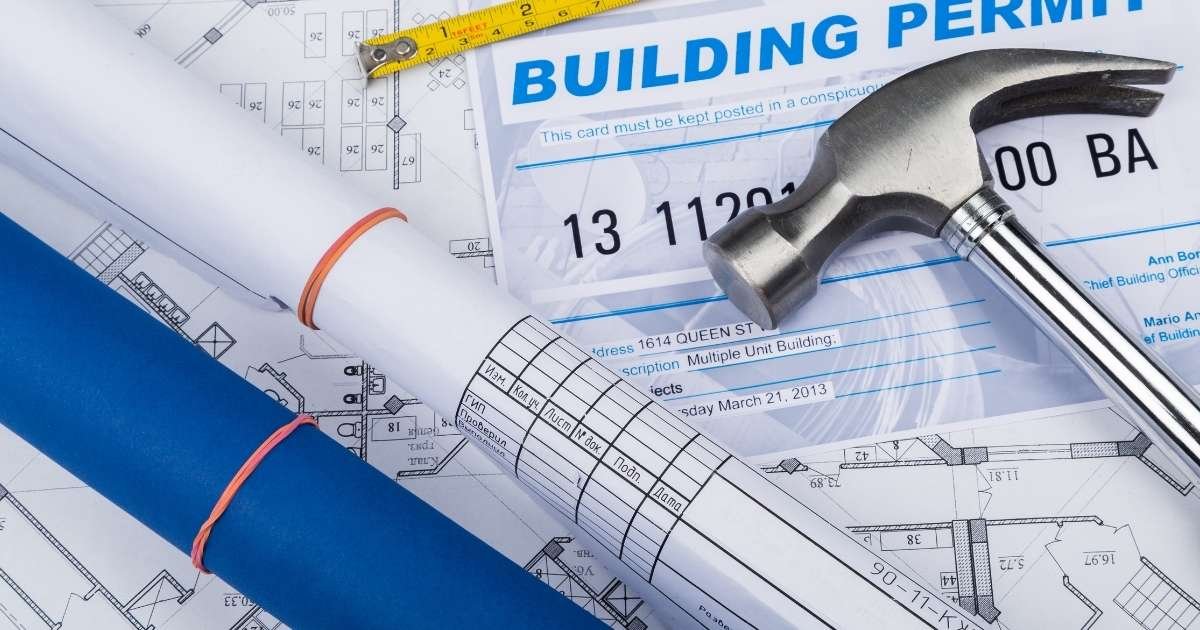
Permits
Most projects call for:
· Approved building permits
· Inspections at different stages
Fines or unsuccessful inspections may arise from failing to get a basement remodeling permit.
Common Issues Found
Inspectors frequently discover:
· Improper wiring
· Missing egress windows
· Moisture problems
· Unpermitted work
A more seamless approval procedure is ensured by adhering to Utah basement inspection requirements.
Why Following Inspection Standards Matters
It goes beyond simply passing an inspection to fully understand what inspectors look for in finished basements.
Avoid Failed Inspections
Failure to comply may result in:
· Costly repairs
· Home sales delays
· Re-inspection fees
Ensure Safety
When built properly, it protects:
· Future occupants
· Your family
· Your investment
Protect Property Value
A basement that complies with the code:
· Adds resale value
· Attracts buyers
· Reduces liability risks
Your basement will be safe, functional, and legally recognized if you comply with inspection requirements.
FAQs
1. What do inspectors check in finished basements?
Inspectors review safety aspects such as ventilation, electrical systems, egress windows, structural framing, and moisture protection.
2. Do finished basements need permits in South Jordan?
Yes. Permits are required for most basement finishing projects, and Utah building code requirements must be met.
3. What is the minimum ceiling height for a finished basement?
Most construction codes require ceilings in livable spaces to be at least 7 feet high.
4. Why are egress windows required in basement bedrooms?
They allow firefighters to enter, if necessary, and provide a secure emergency exit.
5. Can a finished basement fail a home inspection?
Yes, factors such as poor wiring, lack of egress, moisture issues, or missing permits can lead to inspection failures.