One of the finest ways to increase your home’s living space and value is to finish or upgrade your basement. However, it’s crucial to understand the South Jordan, UT code for basement insulation before starting any insulation installation. Building codes at the local and state levels are in place to help protect your house against moisture, fire hazards, and energy loss. Since many of Utah’s older homes were constructed before modern standards, they might not be up to code. Understanding the basement insulation code regulations is essential if you want your project to pass inspection and function well over time.
Why Basement Insulation Codes Matter?
Code for basement insulation is more than just documentation. They have legitimate functions that protect your family and your house.
This is why they are important for basement remodeling South Jordan:
Prevent Moisture And Mold Problems
Basements are vulnerable to moisture since they are located below ground level. Vapor barriers and adequate insulation help regulate moisture and lower the chance of mold formation.
Improve Energy Efficiency
Insulation that complies with codes keeps your basement air quality enhanced by being cooler in the summer and warmer in the winter. This increases comfort and reduces heating and cooling expenses.
Pass Inspections And Avoid Penalties
You risk failing the inspection if your insulation does not adhere to the basement insulation code. This could cause your project to be delayed and result in expensive rework.
Protect Home Value
Buyers and appraisers find a code-compliant basement more appealing. It also lessens the need for future repairs.
Saving money, effort, and tension can be achieved by adhering to the proper basement insulation requirements to meet energy code compliance.
Utah And South Jordan Basement Insulation Code Overview
Based on the International Energy Conservation Code (IECC), South Jordan adheres to the Utah Energy Conservation Code. Homeowners may be required to abide by local changes added by cities such as South Jordan and Utah insulation standards.
What this means for homeowners:
- Utah establishes minimal requirements for energy efficiency.
- Stricter regulations for fire safety and moisture control can be implemented in South Jordan.
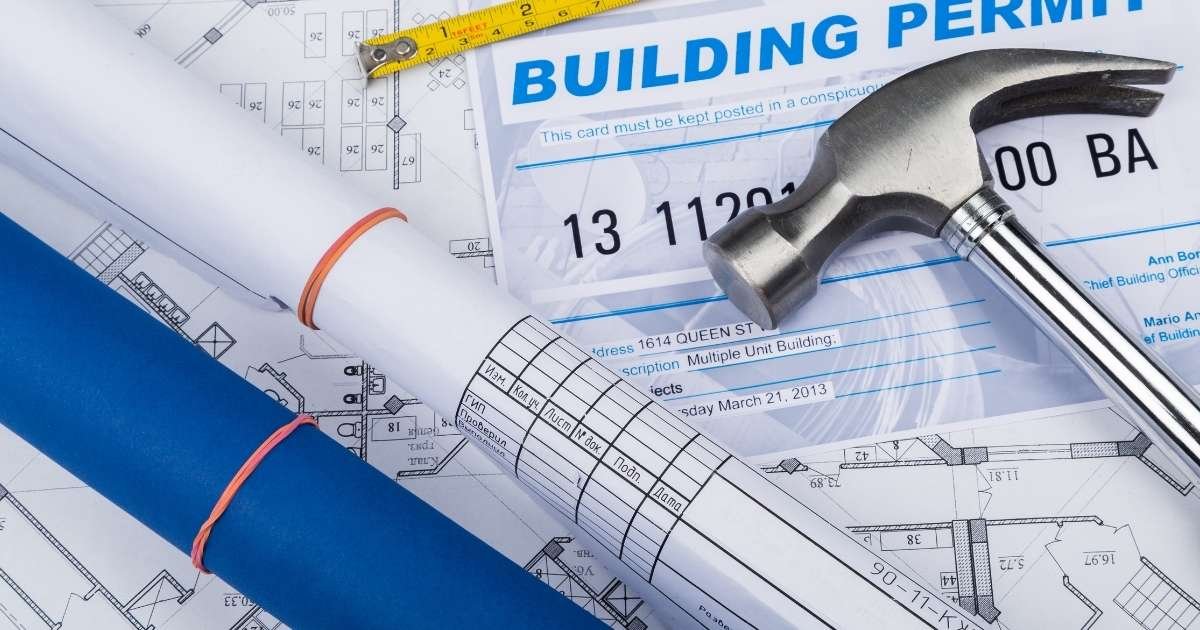
- Building permits are needed for the majority of basement insulation projects.
- City inspections verify that the insulation meets insulation codes.
Always check with South Jordan building code department before starting a job, or use a professional contractor like CCS of Utah who is familiar with the local code requirements.
Required R-Values For Basement Walls And Ceilings
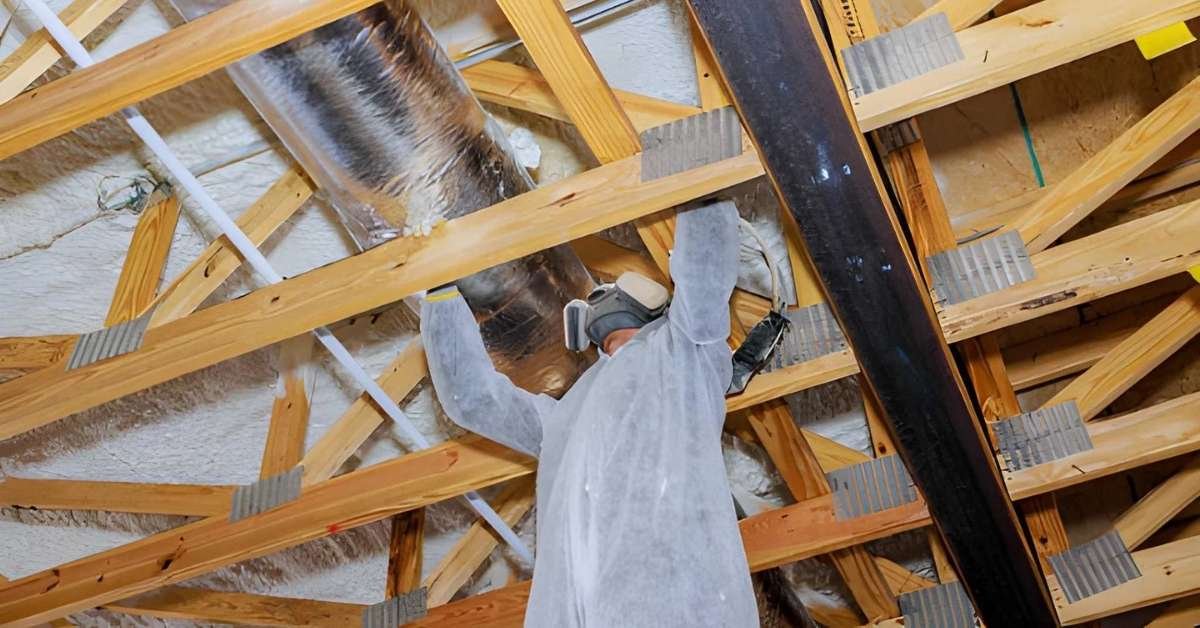
The R-value assesses how effectively insulation blocks heat transfer. Better insulation is indicated by higher R-values.
The following are typical basement insulation requirements:
Basement Ceilings
Insulating the ceiling that separates a heated basement from the upper floors may also be necessary.
Foundation Walls
A minimum R-value requirements basement for basement foundation walls. Whether the wall is exterior or interior and whether the basement is conditioned will determine the precise number.
Rim Joists
A significant source of heat loss is rim joists. To comply with the basement insulation code, they must be air-sealed and insulated.
One of the most frequent causes of inspection failures is the use of insulation that lacks the necessary R-value.
Vapor Barrier And Moisture Control Requirements
One of the main factors of code for basement insulation is moisture management.
Among the most important rules are:
Approved Vapor Barrier Materials
Foil-faced insulation and polyethylene sheets are common materials for vapor barrier code. Every material must adhere to building code requirements.
Proper Placement And Sealing
Vapor barriers need to be sealed at edges and seams and put on the appropriate side of the insulation. Moisture may be trapped inside the wall by poor installation.
When Vapor Barriers Are Required
Generally speaking, below-grade walls need vapor barriers, particularly if fiberglass or mineral wool insulation is being used.
To meet the basement insulation requirement and avoid long-term damage, it is essential to follow moisture control basement regulations.
Fire Safety And Insulation Material Codes
When it comes to basement insulation solutions, fire safety is another top priority.
Code rules focus on:
Fire-Rated Insulation
Particularly in residential locations, specific kinds of insulation must adhere to fire-resistance regulations.
Foam Insulation Safety Standards
Spray foam needs to be installed by experienced professionals and adhere to strict fire performance standards.
Thermal Barriers
It is necessary to cover foam insulation with a thermal barrier, such as drywall. This protects residents and delays the spread of the fire.
Ignoring fire safety regulations and basement fire code can endanger your family and is a major infraction of the basement insulation code.
Insulation Options That Meet Code
Not every type of insulation is appropriate for use in basements.
Common choices that adhere to the code are:
Mineral Wool And Fiberglass
These are inexpensive and resistant to fire, but they need to be used in conjunction with appropriate vapor barriers.
Rigid Foam Boards
Due to their high R-values and ability to withstand moisture, they are frequently used for basement walls.
Spray Foam Insulation
Spray foam provides superior thermal performance and closes air leaks. Rim joists are a common application for it.
Choosing the appropriate basement insulation materials guarantees that your project complies with the code compliant insulation.
Common Code Violations In Basement Insulation Projects
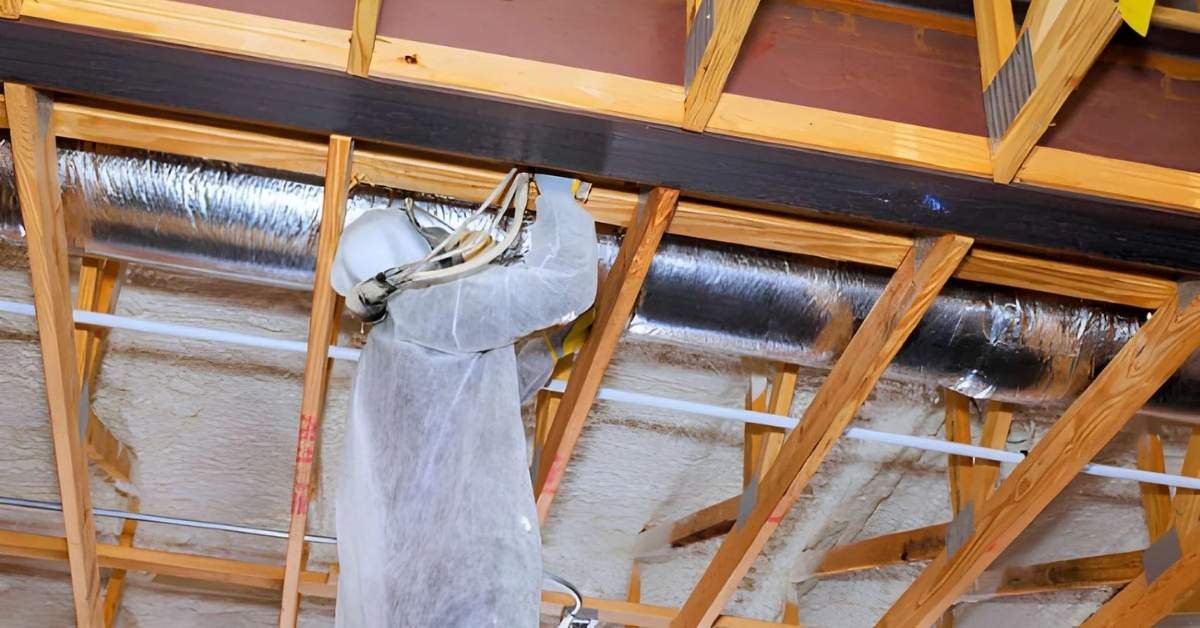
Many homeowners make preventable mistakes that cause them to fail inspections.
Typical violations consist of:
Exposed Foam Insulation
Drywall or a similar authorized thermal barrier must be used to cover the foam.
Incorrect R-Values
Using insulation that isn’t approved for basement use or is too thin.
Missing Vapor Barriers
Mold growth and moisture damage result from this.
Poor Air Sealing
Drafts and entry of moisture are made possible by cracks and leaks.
You can maintain compliance with the basement insulation standards by avoiding these basement insulation inspection failures.
Why Hire A Professional Basement Insulation Contractor
There are several advantages to hiring an effective contractor.
Advantages include:
Accurate Code Interpretation
Professionals are aware of the local adjustments in South Jordan.
Proper Installation
Proper material use, sealing, and positioning.
Passing Inspections The First Time
There are fewer delays and no rework.
Long-Term Performance
A well-insulated basement functions better and lasts longer.
A licensed basement insulation contractor South Jordan guarantees that your project satisfies all basement insulation requirements.
Cost Considerations For Code-Compliant Basement Insulation
The cost of basement insulation varies according to labor and material costs.
The following are typical cost factors:
Material And Labor Costs
Compared to fiberglass or rigid foam, spray foam is more expensive.
Permit And Inspection Fees
South Jordan requires permit for this kind of project.
Long-Term Energy Savings
Insulation that complies with codes increases comfort and reduces utility costs.
Over time, money is saved by paying more up front to comply with the code for basement insulation.
FAQs
1. What is the code for basement insulation in Utah?
The Energy Conservation Code is followed in Utah, with local adjustments made in places like South Jordan.
2. What R-value is required for basement walls?
The type of wall and whether the basement is heated affect R-values.
3. Are vapor barriers required in basement insulation?
Yes, depending on the kind of insulation and the amount of moisture.
4. Can I insulate my basement without a permit?
No. Permits and inspections are necessary for a lot of basement insulation jobs.
5. Do South Jordan building codes differ from Utah codes?
Yes. Local changes may be necessary and must be complied with.
“Need code-compliant basement insulation? Schedule a free consultation with South Jordan’s trusted basement insulation experts.”